

The Soul Beneath the Smoke: New Gregg Allman Documentary Heads to Theaters in June
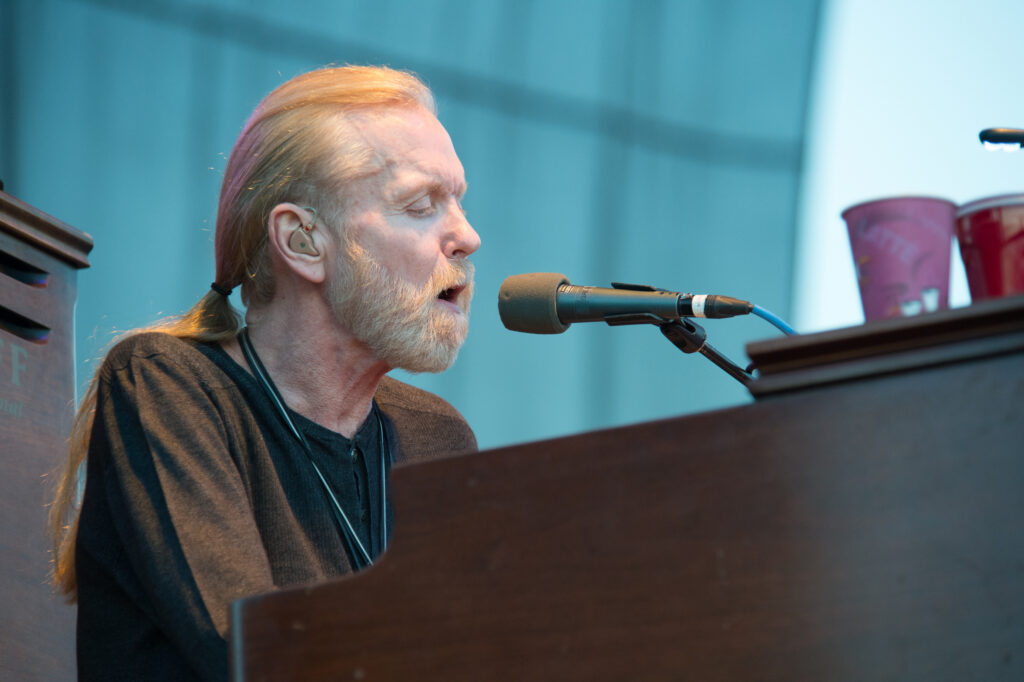
The voice was always the giveaway. Long before the world understood what the Allman Brothers Band represented, before the twin-guitar attack became the architectural blueprint for an entire region of American music, there was that voice. Smoky. Lived-in. Older than the body that produced it. When Gregg Allman opened his mouth to sing, you knew somebody had been somewhere and seen something, and most of it had hurt. Now, almost nine years after his death in 2017, that voice is at the center of a new documentary heading to theaters this June, and the first teaser suggests the filmmakers understood exactly what they were holding.
The film is called Gregg Allman: The Music of My Soul, and it arrives in select theaters on Wednesday, June 17, following premiere events in New York City on June 9 and Macon, Georgia on June 11. It is directed by James Keach, the Grammy and Golden Globe winner whose previous music documentaries include David Crosby: Remember My Name and Linda Ronstadt: The Sound of My Voice, films that earned reputations for sitting honestly with their subjects rather than burnishing them. The Music of My Soul is the inaugural release from Subtext, a new independent production and distribution outfit working in conjunction with Rolling Stone Films. Producer Michael Lehman, who managed Allman for the better part of his life, brought Keach in personally.
The teaser opens with Cher, Allman's wife from 1975, introducing him on a television show. From there it tumbles into archival photographs, old interview footage, and the kind of grainy concert imagery that makes longtime fans sit a little closer to the screen. The film promises rarely seen footage of the Allman Brothers Band at their creative peak, which is a phrase that gets thrown around carelessly in this genre but in this case probably earns its keep. Anyone who has spent serious time with At Fillmore East knows that the band at its best operated at a level very few American rock outfits ever reached, and the suggestion of more footage from that era is the kind of thing that moves tickets.
Keach has been candid about why he took the project. The director's bond with his own brother, the actor Stacy Keach, mirrors what Gregg carried for Duane Allman, the older brother and bandleader killed in a 1971 motorcycle accident in Macon at the age of twenty-four. It was a wound Gregg never really closed. He spent the rest of his life writing around it, drinking around it, marrying around it, getting clean around it, and ultimately singing around it. Lehman said as much in announcing the film, framing the brother relationship as the central organizing fact of Gregg's musical life. Keach echoed the sentiment, calling the loss of Duane the emotional hook that pulled him into the project.
The documentary traces Allman's full arc, beginning with the 1949 murder of his father, Willis Allman, when Gregg was two years old. From that early rupture the film moves through the Florida and Georgia roadhouse years, the formation of the original Allman Brothers Band in Jacksonville in 1969, the Fillmore East peak, the catastrophes of the early seventies that took both Duane and bassist Berry Oakley within thirteen months of each other, and the messy, sometimes magnificent decades that followed. Addiction, recovery, divorce, reinvention, illness. Gregg lived long enough to see Southern rock canonized, to release the well-regarded late-career solo records Low Country Blues and Southern Blood, and to tour almost to the end.
The Macon premiere on June 11 at the Grand Opera House will feature an appearance by keyboardist Chuck Leavell, who joined the Allman Brothers in 1972 and helped steer the band through its post-Duane reinvention on Brothers and Sisters. The New York premiere will include an acoustic performance by Devon Allman and Duane Betts, the sons of Gregg and Dickey Betts respectively, who have been carrying their fathers' music forward in the Allman Betts Band. Both events will host Q&A sessions with the filmmakers. After the premieres, theatrical engagements roll out in Los Angeles and New York for one-week runs, with one-night exclusive screenings booked across the country before the wider June 17 release.
For a generation that grew up on Eat a Peach and the Fillmore record, the film offers something close to a reckoning. Allman was never the easiest figure to summarize, and the temptation with documentaries about damaged American singers is to either canonize them or wallow in their trouble. The early signs are that Keach has aimed for something harder and more honest. The voice deserves at least that much.
Related Stories
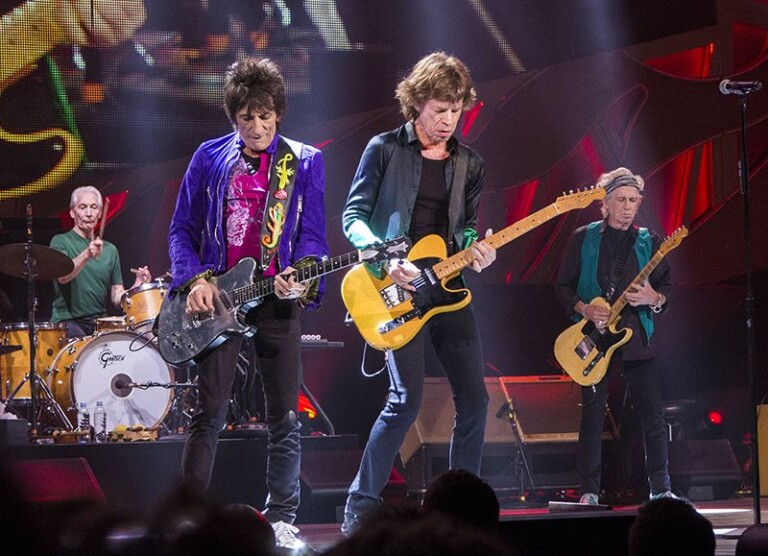
Rolling Stones Drop ‘Jealous Lover’ and Robert Smith Collab Ahead of ‘Foreign Tongues’
The Rolling Stones release ‘Jealous Lover’ and ‘Divine Intervention’ featuring the Cure’s Robert Smith ahead of their July 10 album Foreign Tongues.
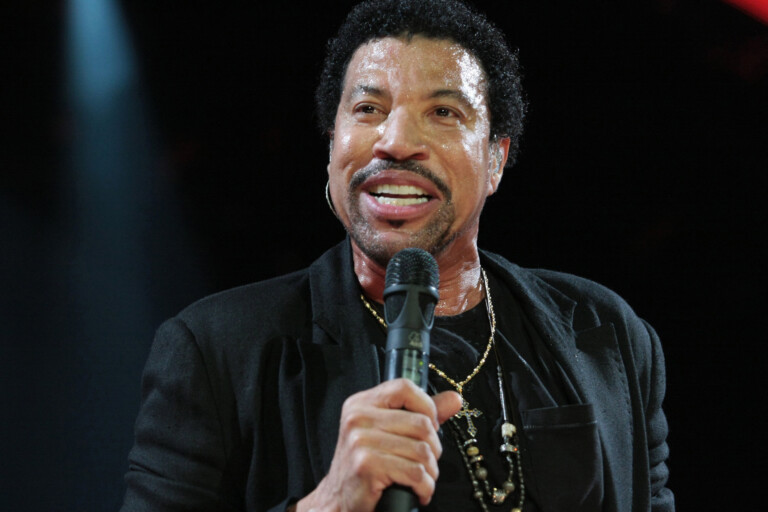
Lionel Richie Postpones Two Shows After Medical Scare in St. Paul
Lionel Richie postponed his June 26 Chicago and June 27 Columbus shows on doctors’ orders after cutting short his St. Paul concert on his co-headlining tour
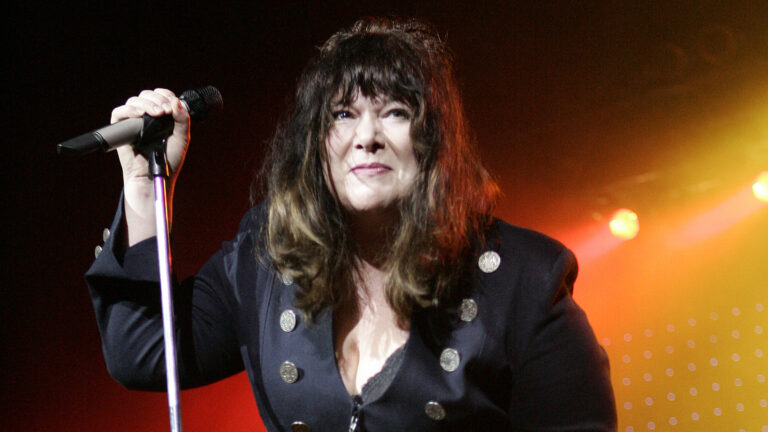
Ann Wilson and Tripsitter Announce ‘Consecrated Ground,’ Fall Tour Dates
Ann Wilson and Tripsitter announce their second album, Consecrated Ground, out August 14, plus a 15-date North American fall tour. Full tracklist and dates
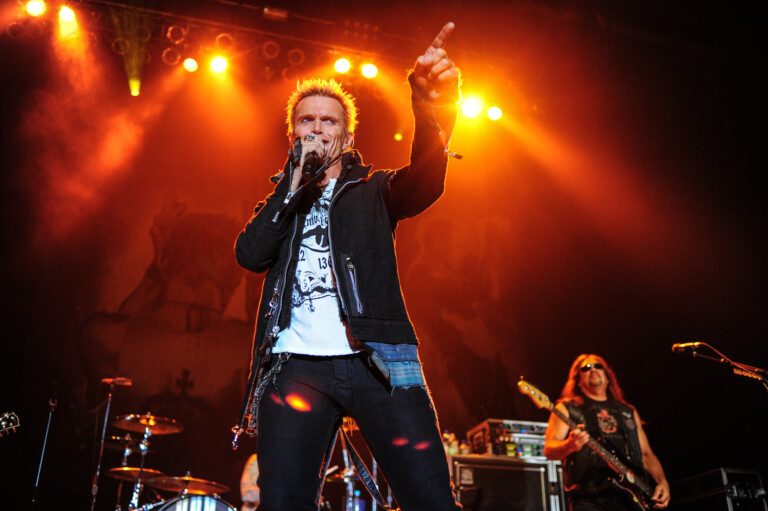
Billy Idol and Steve Stevens Inducted Into Hollywood Rockwalk Ahead of Rock Hall
Billy Idol and Steve Stevens were inducted into the Hollywood Rockwalk at Guitar Center’s Hollywood location on June 23, ahead of their Rock Hall induction in
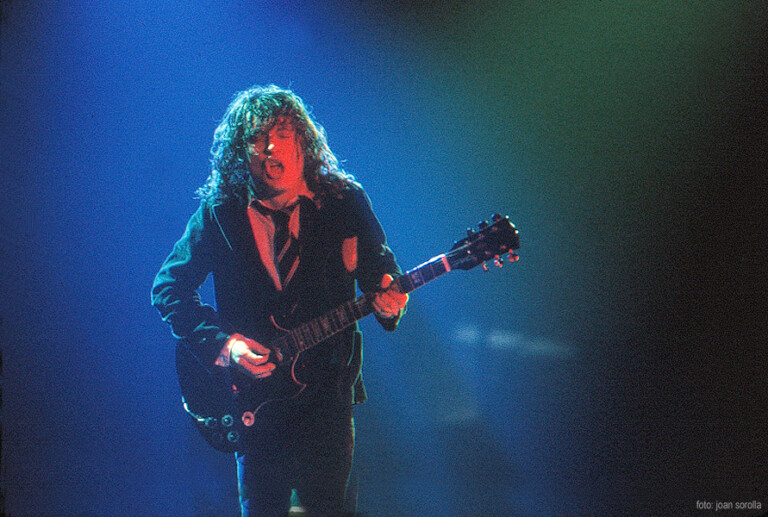
AC/DC Power Up Tour Adding Pop-Up Shops at Every North American Stop
AC/DC will open exclusive pop-up shops at every stop of the North American Power Up tour leg, featuring limited merch, food, giveaways, and a chance to win an
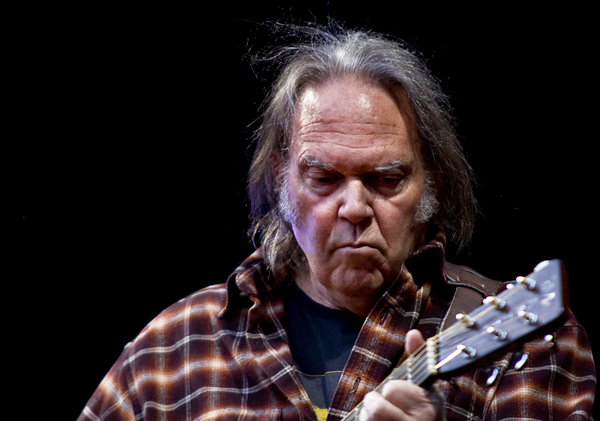
Neil Young Drops Free Concert Film ‘Corduroy Plants’ on Neil Young Archives
Neil Young has quietly released Corduroy Plants, a free hourlong concert film on the Neil Young Archives, directed by Daryl Hannah and tied to his 2025 tour.
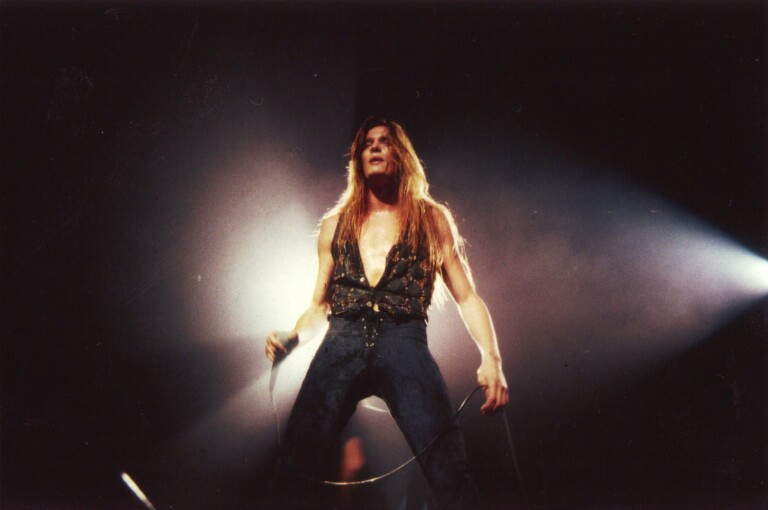
Twisted Sister Expands Fall 2026 Tour With Sebastian Bach, Adds Three New Dates
Twisted Sister has added three new fall 2026 tour dates with Sebastian Bach on vocals, bringing the total to nine shows. Presale begins June 25 with code
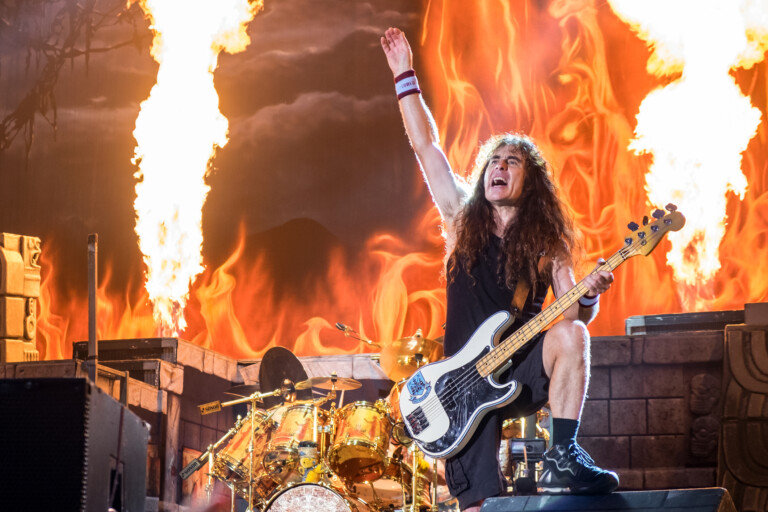
Iron Maiden Issues Statement After Power Outage Derails Paris Concert Film
Iron Maiden issued a statement after a citywide power outage cut short their phone-free Paris concert at La Défense Arena on June 22, disrupting a planned
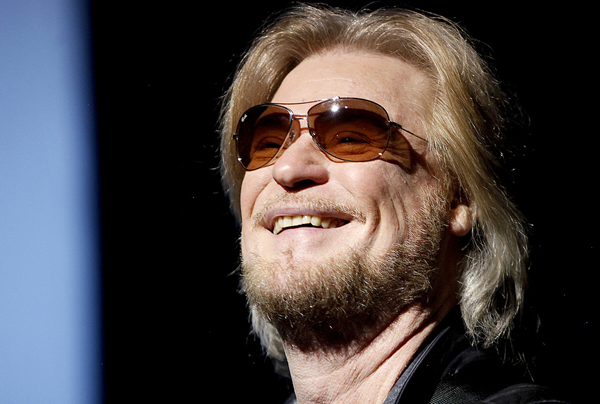
Daryl Hall Reveals Kidney Transplant, Says Doctors Called It a Complete Success
Daryl Hall revealed he received a living-donor kidney transplant a couple of weeks ago and says doctors called it a complete success. He expects to return to