

Dee Palmer, Jethro Tull Keyboardist, Arranger and Composer, Dies at 88
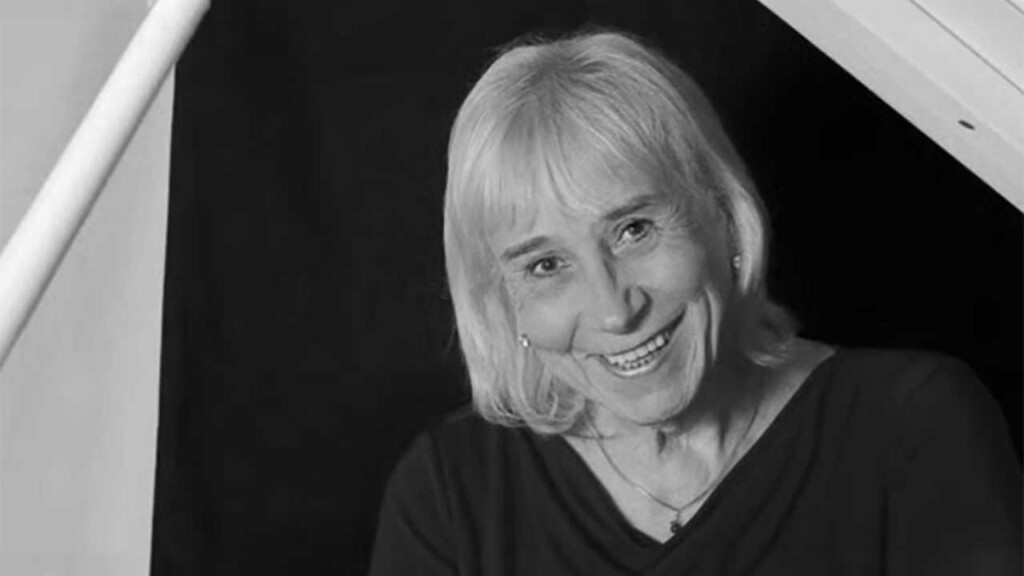
Dee Palmer, the classically trained composer and arranger whose orchestrations shaped the sound of Jethro Tull through the band's most ambitious years, has died at the age of 88. She passed away on June 13 at her home in Shropshire, with family at her bedside, following a period of illness.
Ian Anderson announced her death through the band's website and social channels. He recalled that her first work for Tull came in 1968, when she wrote and conducted the brass parts for “Move On Alone” on the band's debut album, This Was. A string quartet arrangement for “A Christmas Song” followed soon after. Anderson noted that the two had been planning to record the score of The Water's Edge, the ballet Palmer wrote with Anderson and guitarist Martin Barre for Scottish Ballet in 1979.
View this post on Instagram
Palmer was born in Hendon, London, on July 2, 1937. She studied composition at the Royal Academy of Music under Richard Rodney Bennett, winning the Eric Coates Prize and the Boosey and Hawkes Prize during her training. The Academy named her a Fellow in 1994. Her route into rock ran through session work, including an early album project with folk guitarist Bert Jansch in 1967, before she was introduced to the management of a young band recording in Chelsea.
She arranged for Jethro Tull across the entirety of the 1970s, contributing to every studio album the band released during the decade. With 1977's Songs from the Wood she became a full member, remaining in the lineup through 1980. Beyond conducting and arranging, she played saxophone, piano, portative pipe organ and synthesizers, and contributed songwriting, including work on the track “Elegy.”
From the 1980s onward, Palmer built a distinct career producing symphonic arrangements of rock catalogs. Her orchestral treatments spanned the music of Jethro Tull, Pink Floyd, Genesis, Yes, Queen and the Beatles, the last including a full reimagining of Sgt. Pepper's Lonely Hearts Club Band. In 2018 she released her first solo album, Through Darkened Glass, which featured a guest appearance by Martin Barre. The pair performed together the following year at Fairport's Cropredy Convention.
In 1998, Palmer came out as transgender and intersex and took the name Dee. She spoke openly in later years about her life and identity, and about the loss of her wife, Maggie, in 1995. Tributes from the band's community described an arranger of extraordinary range who carried her knowledge lightly and remained close to the fans throughout her life.
Palmer's catalog reached well beyond the bands she is most associated with, and her arrangements remain embedded in some of the most enduring recordings in the progressive and classic rock canon. She is remembered as both a craftsman of orchestral detail and a quietly trailblazing figure in British music.

Related Stories
Kid Rock Calls Trump Friendship a Front-Row Seat to ‘Greatest S— Show on Earth’
Kid Rock told Sky News Australia he calls President Trump late at night to ‘shoot the s—‘ and calls it a front-row seat to the greatest show going.
How Michael Anthony Went from Backyard Parties to Van Halen
Michael Anthony recalls first seeing Van Halen at a high school carnival, borrowing their PA, and auditioning for Eddie and Alex in his own words from a 1995
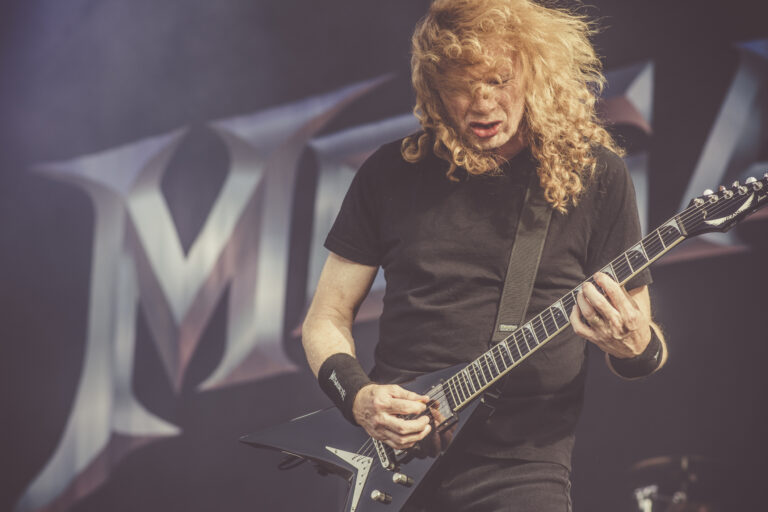
Watch: Dave Mustaine Cusses Out Finnish Journalist Over Hetfield Fight Question
Dave Mustaine called out a Finnish journalist mid-show in Helsinki after the reporter asked who would win in a fight between Mustaine and James Hetfield.
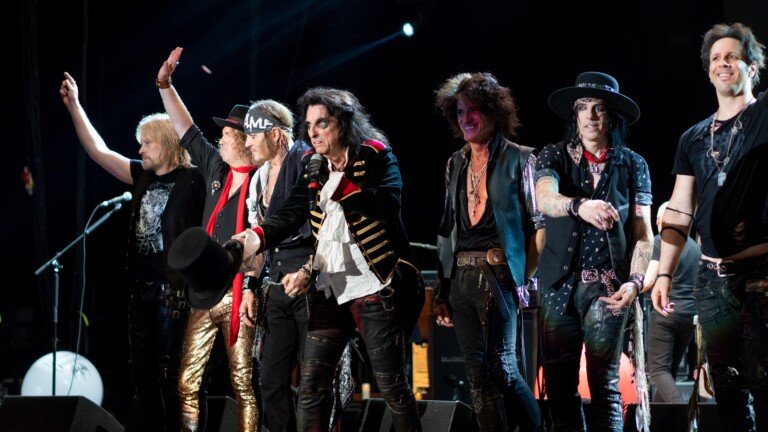
Hollywood Vampires Announce Live Album From 2018 Montreux Jazz Festival Show
Hollywood Vampires announce ‘At Montreux Jazz Festival,’ a live album from their 2018 performance, featuring an unreleased cover of Motörhead’s ‘Ace Of Spades.’
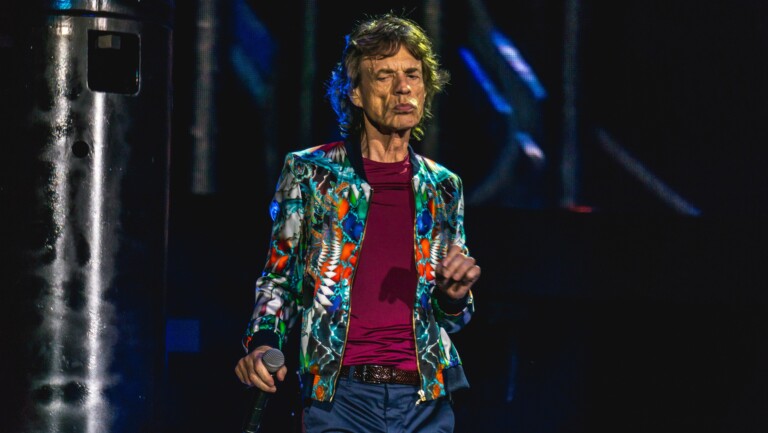
Mick Jagger Says Paul McCartney Nailed ‘Foreign Tongues’ Bass Part in 10 Minutes
Mick Jagger tells NME it was ‘very easy’ working with Paul McCartney on ‘Covered In You’ from the Rolling Stones’ upcoming album ‘Foreign Tongues’, due July 10.
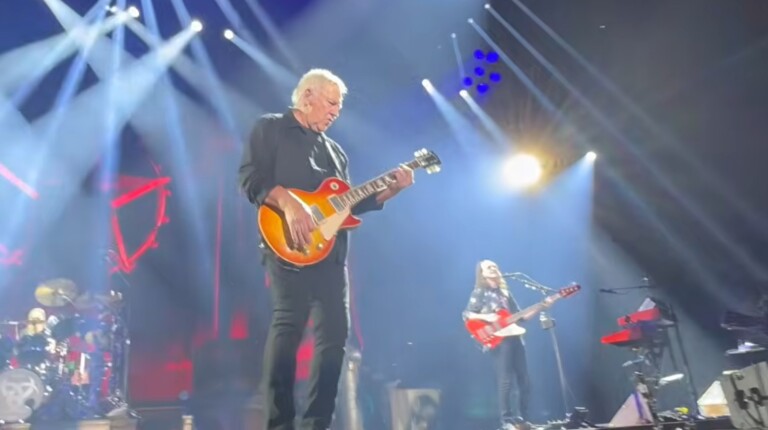
Rush Postpones Two Fort Worth Shows After Geddy Lee Falls Ill
Rush has postponed two Dickies Arena shows in Fort Worth after Geddy Lee was diagnosed with laryngitis and bronchitis. New dates are July 11 and July 13.
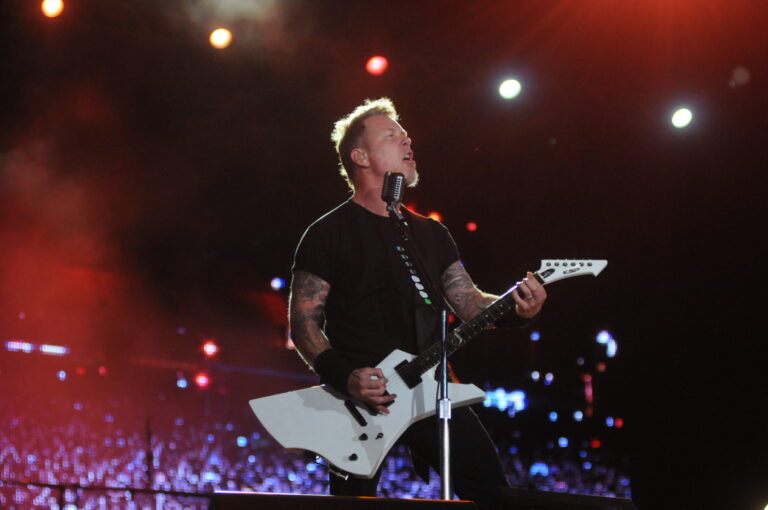
Metallica Defies Principality Stadium Ban, Performs Tom Jones’ ‘Delilah’ in Cardiff
Metallica defied a standing ban at Cardiff’s Principality Stadium by performing Tom Jones’ ‘Delilah’ during their M72 World Tour stop in Wales.
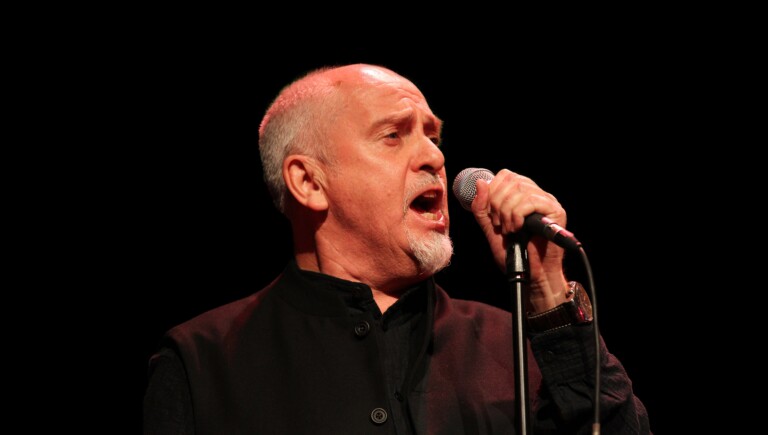
Peter Gabriel Releases ‘I Belong to the Sky,’ Seventh Track from Upcoming Album o/i
Peter Gabriel has released ‘I Belong to the Sky,’ the seventh full-moon single from his upcoming album o/i, featuring drummer Manu Katché and artwork by
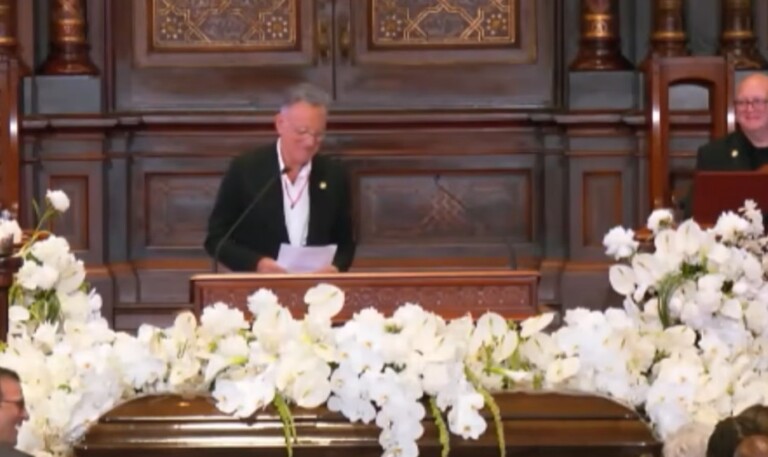
Bruce Springsteen Eulogizes Clive Davis: ‘He Changed My Life Forever’
Bruce Springsteen delivered a moving eulogy at Clive Davis’s New York funeral, recalling how the legendary executive signed him to Columbia Records in 1972.