

Brian May Recreates Queen’s ‘The Game’ Cover With AI to Protest UK Data Centres
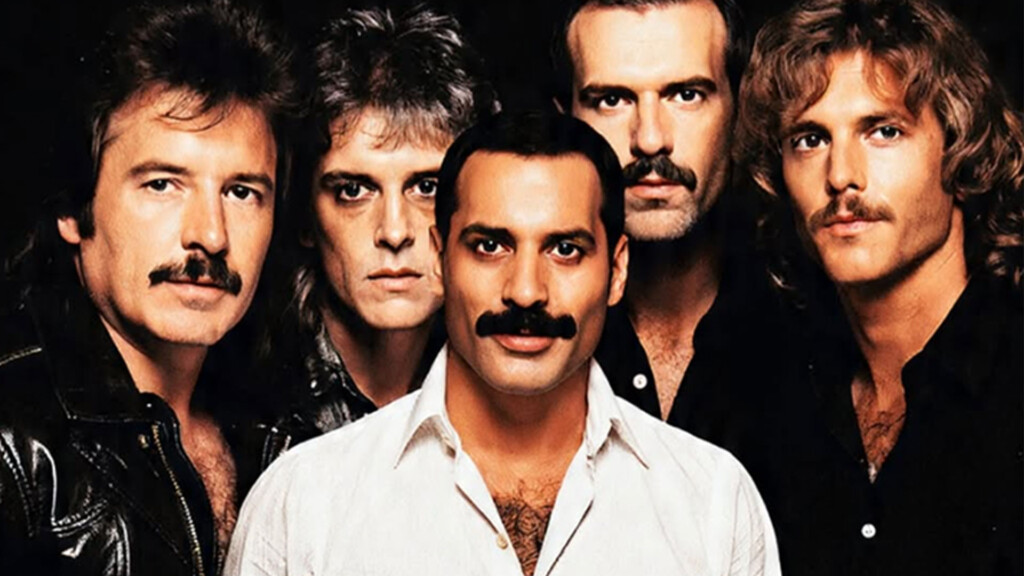
Queen guitarist Brian May has posted an AI-generated recreation of the band’s 1980 album cover ‘The Game’ on Instagram, using the image’s flaws to argue against artificial intelligence and the expansion of data centres in the United Kingdom. May said he asked Meta AI to reproduce the cover and shared the odd result with his followers along with a pointed message about the technology’s costs.
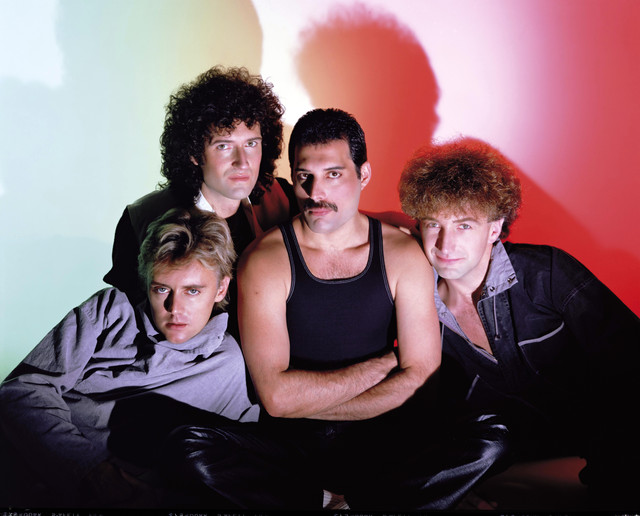
The original ‘The Game’ artwork shows all four members of Queen lined up together in matching leather jackets. The version May generated with Meta AI instead pictured five figures, none of whom closely resembled the real band members, including late frontman Freddie Mercury.
May posted the image with a sarcastic caption asking Meta AI to show him what the album cover looked like, then reacting to the result by writing, “Good job, eh?” He followed that with a broader warning: “So this is the kind of intelligence that will soon be ruling the world ??! Well, great. Maybe this is the time to realise WE ACTUALLY DON’T NEED AI !!”
Brian May’s Warning on Data Centres
May shifted from mockery to a direct plea about the environmental toll of AI infrastructure. “I believe the price we are about to pay for this ‘inevitable’ development is way too high,” he wrote.
He went further, stating, “We must not allow these hideous Data Centres to be built in the UK. They will destroy our beautiful country, like they are already destroying beautiful America.” May then addressed Andy Burnham directly in his post, referring to him as Prime Minister, adding, “Dear Andy, you must stop it now. Before it’s too late.”
Willie Nelson Has Also Spoken Out Against Data Centres
May is not the only musician raising alarms about data centre expansion. Willie Nelson has voiced similar concerns in the United States, worried that such facilities could encroach on Abbott, Texas, the town where he grew up.
Nelson said, “The strength of rural America has never come from big industrial footprints. It comes from generations of people, open spaces, local business and a connection to the land.” He continued, “All of America deserves thoughtful stewardship that doesn’t steal farmland (where our essential shared food is grown) and small family farmers’ livelihoods, and not data centres that destroy the environment around them.”
More Info
- Brian May recreates Queen album cover with AI to make stand against AI: Will destroy our beautiful country | Far Out Magazine
Related Stories
James Hetfield Tells Sphere Crowd Metallica Won’t Push a Political Agenda
James Hetfield addressed the Las Vegas Sphere crowd on October 10, 2026, drawing a line between Metallica and other entertainers who use their platforms for political messaging.
Def Leppard Announces Massive 2027 Tour With Goo Goo Dolls, The Struts
Def Leppard will co-headline a 45-date 2027 North American tour with Goo Goo Dolls, joined by The Struts, running from March 2 in Allentown, Pennsylvania through July 2 in Indianapolis, Indiana.
Alice Cooper Opens Up on Crack Addiction That Nearly Killed Him and Nearly Ended His Marriage
Alice Cooper’s new memoir ‘Devil on My Shoulder’ and a companion interview with The Telegraph detail how his crack cocaine use in the late 1970s and early 1980s brought him close to death and nearly cost him his marriage.
Roger Waters and Son Harry Waters Launch Pink Floyd Tribute Tour ‘LEGACY’ for 2027
AEG Presents and ICON LIVE have announced ‘Roger Waters Presents LEGACY: A Pink Floyd Show,’ a new touring production led musically by Harry Waters and launching February 15, 2027 in Columbus, Georgia.
Brian May Says Queen’s Touring Days Are Over
Brian May says he and Roger Taylor quietly agreed a year and a half ago that Queen would not tour again, a choice shaped by the death of a close family friend while the band was on the road in America.
Slash Announces 2027 World Tour and New Album ‘Flying Blind’ With Myles Kennedy
Slash has unveiled a 2027 world tour with Myles Kennedy and The Conspirators and a new album, ‘Flying Blind,’ marking his first dedicated run with the band since 2024.
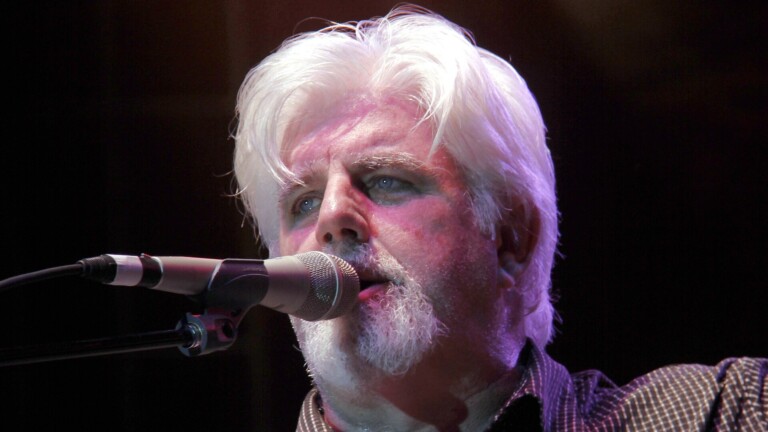
Michael McDonald Reunites With Son Given Up for Adoption Nearly 60 Years Ago
A St. Louis man named Michael Goessling has learned that Doobie Brothers singer Michael McDonald is his biological father, nearly 60 years after being given up for adoption as an infant.
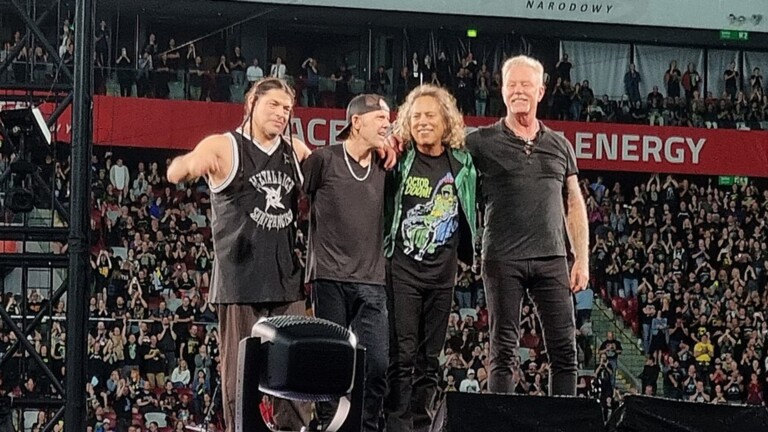
Metallica Kicks Off ‘Life Burns Faster’ Residency at Las Vegas Sphere
Metallica’s “Life Burns Faster” residency opens at the Las Vegas Sphere on October 1, 2026, running through March 2027 with 24 shows, a merch collaboration with adidas and a lineup of fan events across the city.
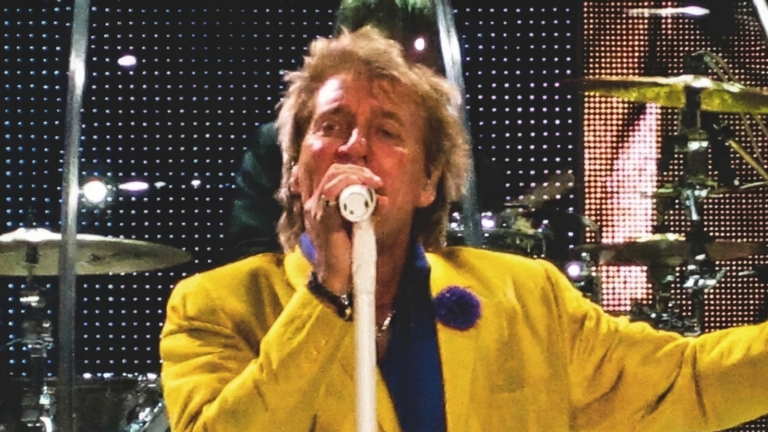
Rod Stewart Announces Retirement From Touring, Reveals 2027 ‘The Final Encore’ Tour Dates
Rod Stewart says his upcoming 2027 tour of the UK and Europe, called The Final Encore, will be his last time touring, though he insists he isn’t stepping away from music entirely.