

Mick Jagger Says His Job Is Fun, Not Politics, at Live Shows
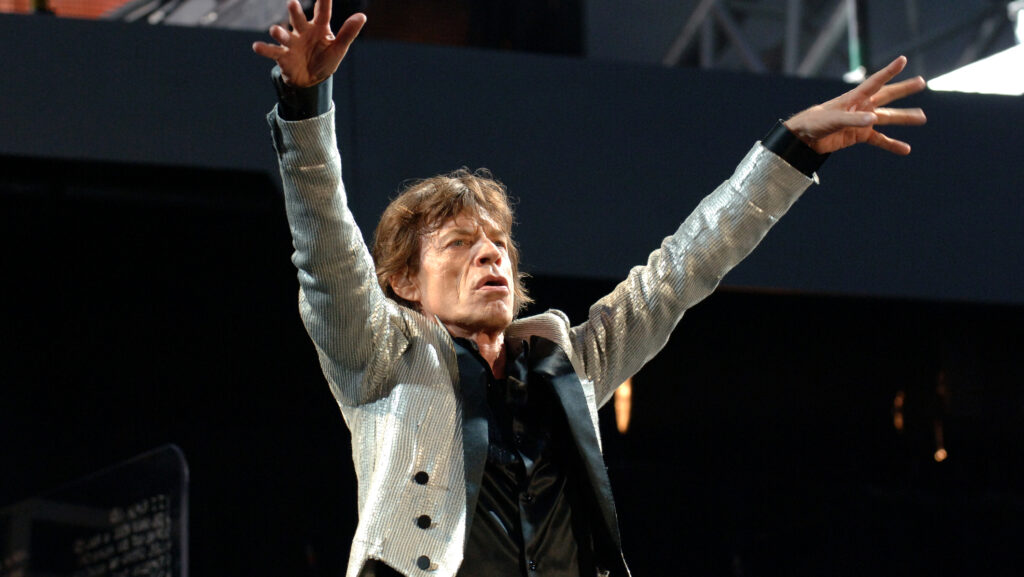
The Rolling Stones frontman says he wants concertgoers to have the best time possible, not hear a lecture.
Mick Jagger made clear in a recent conversation on The New York Times’ ‘The Interview’ podcast that when it comes to live performances, his priority is giving audiences a great time rather than a political education. The Rolling Stones frontman, 82, drew a pointed contrast with Bruce Springsteen’s increasingly outspoken approach, framing his own role as closer to that of a sports event than a soapbox.
Jagger’s Philosophy: Escape Over Engagement
Jagger was direct about what he sees as his responsibility to a live audience. ‘My job in the live music world is just [to have] those people that come have the best time they possibly can. And for two hours or whatever it is, to forget all their problems and the problems of the world and their mortgages and their whatever,’ he said. He compared the experience to attending a sporting event, where the crowd is focused on the action in front of them rather than the weight of the outside world.
He acknowledged that crowd energy varies from show to show, but the constant is making sure fans are having a good time rather than being lectured. For an artist who has been filling arenas and stadiums for more than six decades, that philosophy reflects a hard-won understanding of what a Rolling Stones concert is supposed to deliver.
Social Commentary Finds Its Way Into the Music
Jagger was careful to note that avoiding politics onstage does not mean avoiding it entirely. Reflecting on ‘Foreign Tongues,’ the band’s 25th studio album, he said he has developed a habit of weaving political observations into songs that are otherwise about personal relationships. ‘I think that’s a trick, you know, that I’ve learned from other songwriters or I’ve listened to others,’ he said.
He was equally clear about the limits of that approach, saying ‘nobody wants to hear a whole song about politics or social comment of any kind.’ He pointed to the ‘Foreign Tongues’ track ‘Rough and Twisted,’ which includes lyrics like ‘The only club was called Conspiracy / They didn’t like me much / What they wanted was tyranny,’ describing it as ‘really just a stream of consciousness.’
Springsteen Takes the Opposite Approach
The implicit counterpoint throughout Jagger’s remarks is Springsteen, who has leaned hard into political advocacy during his current cycle. Springsteen dedicated his Land of Hope and Dreams American tour, his single ‘Streets of Minneapolis,’ and several No Kings rally performances to condemning the Trump administration.
Speaking at the Tribeca Festival on June 13, where he received the Harry Belafonte Voices for Social Justice Award, Springsteen framed his stance in terms of civic duty. ‘There’s the classic, “Well, which side are you on?” You do have to make your stand and follow your beliefs, and have faith that they will be understandable by your fellow citizens,’ he said. ‘At best, I’m a concerned citizen. I sing my songs and wish for the best.’
The two artists represent genuinely different schools of thought about what a rock concert is for, and both have long track records to back up their respective positions. Springsteen has been weaving explicit political messaging into his performances since at least ‘Born in the U.S.A.’ in 1984. Jagger and the Stones, by contrast, have historically kept the stage a politics-free zone even as individual songs have carried sharp social edges.
What we know
- Mick Jagger, 82, discussed his approach to politics at live shows on The New York Times’ ‘The Interview’ podcast.
- Jagger said his goal at concerts is for audiences to forget their problems and have the best time possible, comparing it to attending a sports event.
- Jagger said he includes political verses in songs on ‘Foreign Tongues,’ the Rolling Stones’ 25th studio album, but believes nobody wants to hear a whole song about politics.
- The ‘Foreign Tongues’ track ‘Rough and Twisted’ contains lyrics Jagger described as ‘really just a stream of consciousness.’
- Bruce Springsteen dedicated his Land of Hope and Dreams American tour, his single ‘Streets of Minneapolis,’ and No Kings rally performances to condemning the Trump administration.
- Springsteen received the Harry Belafonte Voices for Social Justice Award at the Tribeca Festival on June 13 and spoke about the obligation to take a stand.
The take
The Jagger-Springsteen divide on political engagement is one of the oldest fault lines in classic rock, and it has never been more visible than right now. Springsteen has always operated from the Woody Guthrie tradition, treating the concert stage as an extension of the public square. His willingness to name administrations and causes by name is consistent with everything he has done since ‘Nebraska’ and ‘The River.’ Jagger, meanwhile, comes from a different lineage. The Stones have always been more interested in provocation than prescription; their social commentary tends to arrive sideways, embedded in blues-derived menace rather than rally-ready anthems. Jagger’s description of slipping a political verse into a relationship song is actually a sophisticated craft observation. It mirrors what writers like Randy Newman and Elvis Costello have done for decades: use the emotional hook of a personal narrative to smuggle in the broader critique. The approach Jagger is describing for ‘Foreign Tongues’ is arguably more durable than the direct address, because it does not date as quickly. What is notable here is that at 82, Jagger is thinking carefully about both forms and making a deliberate choice. That is not indifference to the world; it is a considered artistic position about where music does its best work.
Why it matters
For classic rock fans, this conversation surfaces a question the genre has wrestled with since the 1960s: is the arena a sanctuary from the news cycle or an amplifier of it? Both Jagger and Springsteen are legacy artists with the cultural weight to move audiences, and their diverging choices reflect genuinely different theories of what that weight is for. As the political temperature in the U.S. remains high, more artists will face the same choice, and the positions these two icons have staked out give the rest of the field a clear set of reference points.
What’s next
The Rolling Stones’ 25th studio album ‘Foreign Tongues’ is already out, and Jagger’s podcast conversation suggests the band is actively in a promotional and touring cycle around it. Springsteen’s Land of Hope and Dreams American tour and his No Kings rally appearances are ongoing commitments tied to his current political engagement.
Frequently asked questions
What did Mick Jagger say about politics at concerts?
Jagger said his job at live shows is to make sure audiences have the best time possible and forget their problems, not to lecture them on politics.
What is the Rolling Stones’ new album?
‘Foreign Tongues’ is the Rolling Stones’ 25th studio album, and Jagger discussed it in the context of including subtle political commentary in some of its tracks.
How is Bruce Springsteen approaching politics differently from Jagger?
Springsteen has dedicated his Land of Hope and Dreams American tour, his single ‘Streets of Minneapolis,’ and No Kings rally performances to condemning the Trump administration, taking a direct and public political stance.
Where did Springsteen speak about taking a political stand?
Springsteen spoke at the Tribeca Festival on June 13, where he received the Harry Belafonte Voices for Social Justice Award.
What song on ‘Foreign Tongues’ does Jagger cite as an example of political commentary?
Jagger pointed to ‘Rough and Twisted,’ which includes lyrics referencing conspiracy and tyranny, describing it as ‘really just a stream of consciousness.’
Related coverage
TOP STORIES
RELATED ARTISTS
Related Stories
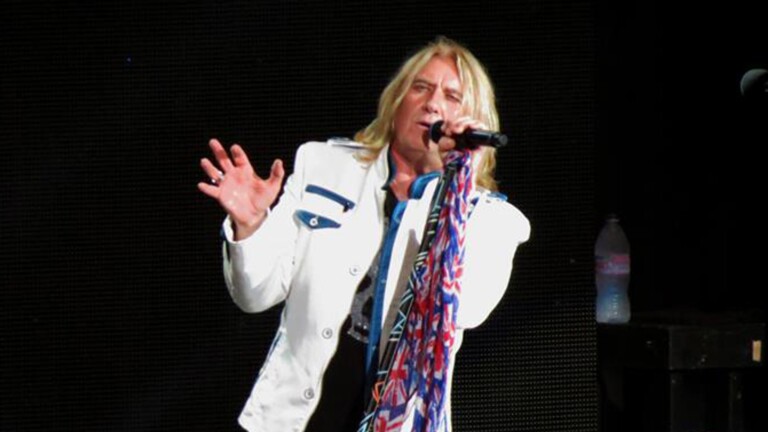
Def Leppard Announces Massive 2027 Tour With Goo Goo Dolls, The Struts
Def Leppard will co-headline a 45-date 2027 North American tour with Goo Goo Dolls, joined by The Struts, running from March 2 in Allentown, Pennsylvania through July 2 in Indianapolis, Indiana.
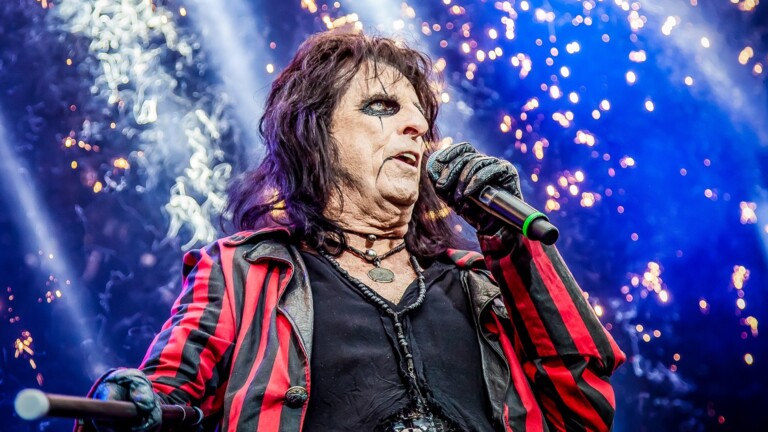
Alice Cooper Opens Up on Crack Addiction That Nearly Killed Him and Nearly Ended His Marriage
Alice Cooper’s new memoir ‘Devil on My Shoulder’ and a companion interview with The Telegraph detail how his crack cocaine use in the late 1970s and early 1980s brought him close to death and nearly cost him his marriage.
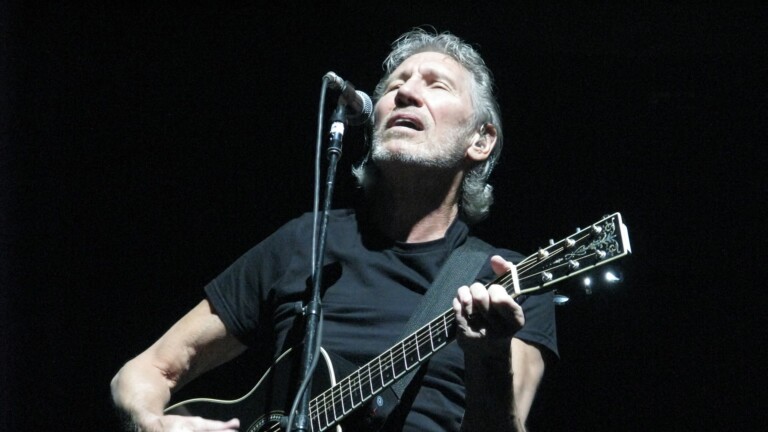
Roger Waters and Son Harry Waters Launch Pink Floyd Tribute Tour ‘LEGACY’ for 2027
AEG Presents and ICON LIVE have announced ‘Roger Waters Presents LEGACY: A Pink Floyd Show,’ a new touring production led musically by Harry Waters and launching February 15, 2027 in Columbus, Georgia.
Brian May Says Queen’s Touring Days Are Over
Brian May says he and Roger Taylor quietly agreed a year and a half ago that Queen would not tour again, a choice shaped by the death of a close family friend while the band was on the road in America.
Slash Announces 2027 World Tour and New Album ‘Flying Blind’ With Myles Kennedy
Slash has unveiled a 2027 world tour with Myles Kennedy and The Conspirators and a new album, ‘Flying Blind,’ marking his first dedicated run with the band since 2024.
Michael McDonald Reunites With Son Given Up for Adoption Nearly 60 Years Ago
A St. Louis man named Michael Goessling has learned that Doobie Brothers singer Michael McDonald is his biological father, nearly 60 years after being given up for adoption as an infant.
Metallica Kicks Off ‘Life Burns Faster’ Residency at Las Vegas Sphere
Metallica’s “Life Burns Faster” residency opens at the Las Vegas Sphere on October 1, 2026, running through March 2027 with 24 shows, a merch collaboration with adidas and a lineup of fan events across the city.
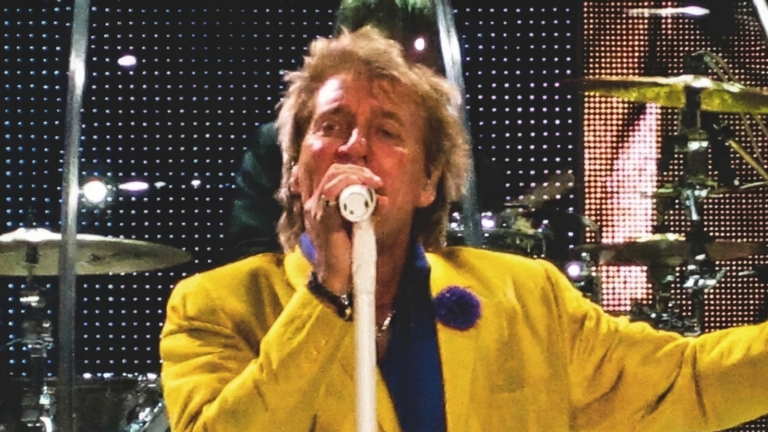
Rod Stewart Announces Retirement From Touring, Reveals 2027 ‘The Final Encore’ Tour Dates
Rod Stewart says his upcoming 2027 tour of the UK and Europe, called The Final Encore, will be his last time touring, though he insists he isn’t stepping away from music entirely.
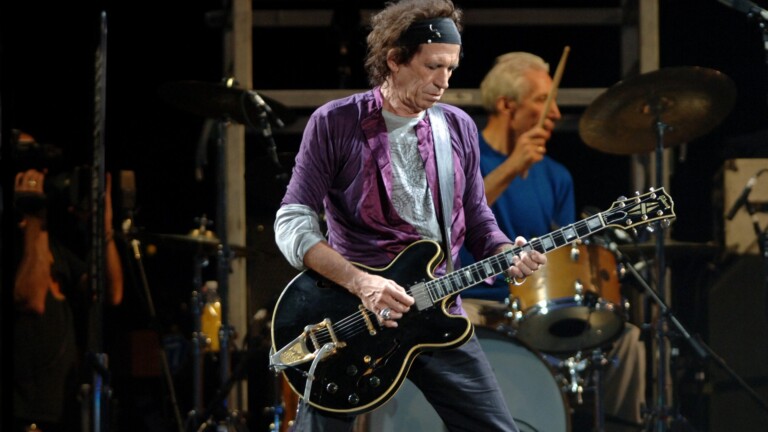
Jo Wood Says Rolling Stones Touring Days May Be Done Because of Keith Richards
Jo Wood, Ronnie Wood’s ex-wife, says she doubts the Rolling Stones will hit the road again, blaming Keith Richards’ hesitance even as the band’s new album Foreign Tongues thrives.