

Paul McCartney and Elton John Make Plea for AI Protections

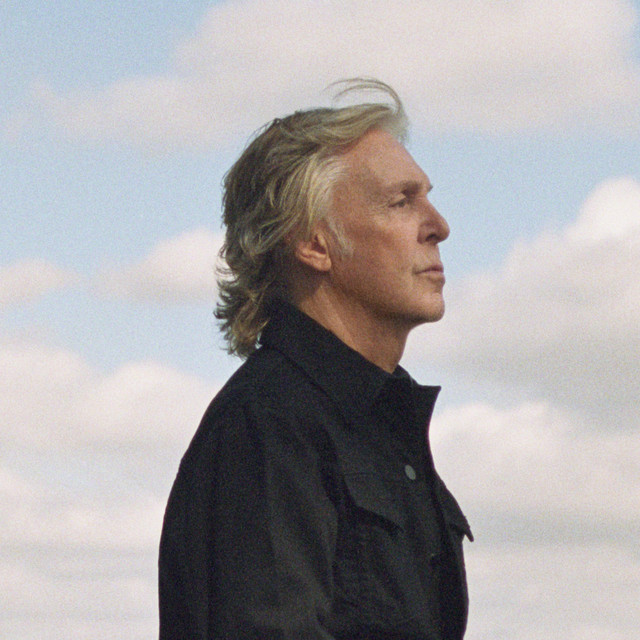
Renowned musicians Sir Paul McCartney and Sir Elton John have emerged as vocal advocates for the protection of artists’ rights against the encroachments of artificial intelligence (AI). Their collective voice calls for more stringent regulations to safeguard the personal and financial interests of creative professionals in the evolving digital landscape. Both musicians are pressing the UK government to amend copyright laws that currently threaten to exploit artists’ works without adequate compensation or control.
The core of McCartney and John’s campaign lies in their staunch opposition to a proposed UK copyright policy. This policy would allow AI developers unrestricted access to creatives’ works for training purposes unless the artists actively opt out. McCartney, in particular, has expressed concern that such measures could undermine the very foundation of the creative industry, emphasizing that “the money’s going somewhere,” and it rightfully belongs to the original creators. He passionately underscored this point during his appearance on ‘Sunday With Laura Kuenssberg,’ urging the government to recognize its responsibility to protect artists, stating, “We’re the people, you’re the government! You’re supposed to protect us.”
Sir Elton John echoed McCartney’s sentiments, remarking on the potential for AI technology to destabilize artists’ financial futures. He criticized the exploitation of copyrighted works, which could allow AI companies to generate competing music at the expense of the creators. John highlighted the already precarious state of emerging artists, facing financial hardships due to high touring costs and diminishing returns. According to him, insufficient protection for creators could jeopardize the UK’s leading legacy in arts and culture on the global stage.
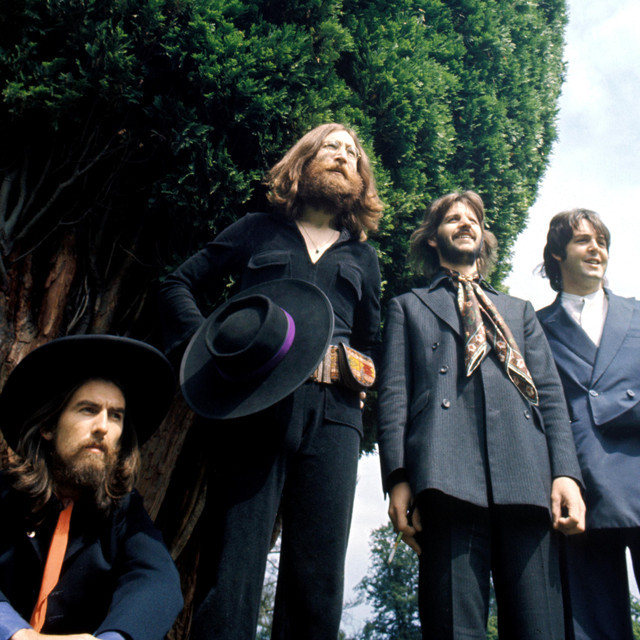
The ongoing debate about AI’s impact expands as technologies become increasingly integral to creative processes. Paul McCartney and fellow Beatles member Ringo Starr used AI to enhance John Lennon’s vocals in their final song, “Now and Then.” While acknowledging the potential benefits of AI, McCartney argues that it should never come at the expense of ripping off true creative talent. He insists that AI’s role should be in service of augmenting human creation, not replacing or disrupting it.
Supporting McCartney’s advocacy, a petition demanding better regulatory oversight of AI training processes has gained traction. Noteworthy figures from the arts, including Kate Bush, Thom Yorke, and various actors, have endorsed the petition, lending their voices to a call for fair treatment and remuneration for the exploitation of artists’ intellectual property. The emerging consensus among artists reveals a unified desire for a balanced approach where AI and creativity can coexist without the latter being compromised.
As AI technologies continue to integrate into music, film, and other art forms, the necessity for legal frameworks that protect intellectual property becomes ever more critical. Both McCartney and John emphasize that without robust regulations ensuring fair compensation, the future of creative industries remains under threat. Their stance serves as a rallying cry for policymakers to acknowledge and address the looming challenges posed by AI, reinforcing the vital importance of empowering artists as protected and valued contributors to society.
Key Takeaways


Related Stories
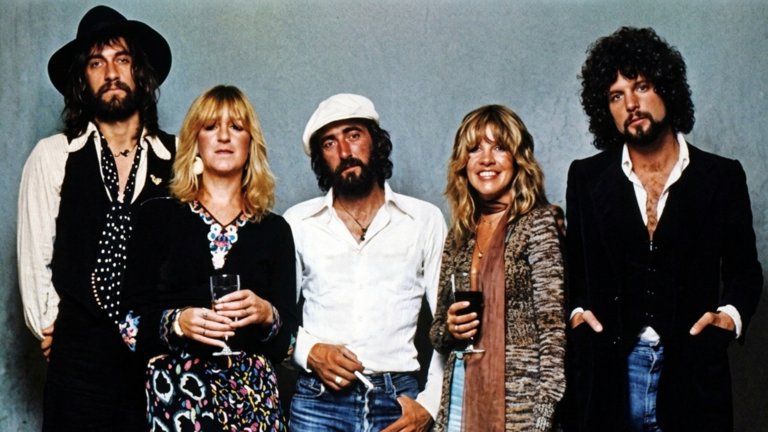
Fleetwood Mac Documentary ‘The Chain’ Gets Title and Release Date
Fleetwood Mac: The Chain, the band’s first fully authorized documentary, arrives on Apple TV on January 29, 2027, coinciding with the 50th anniversary of Rumours.
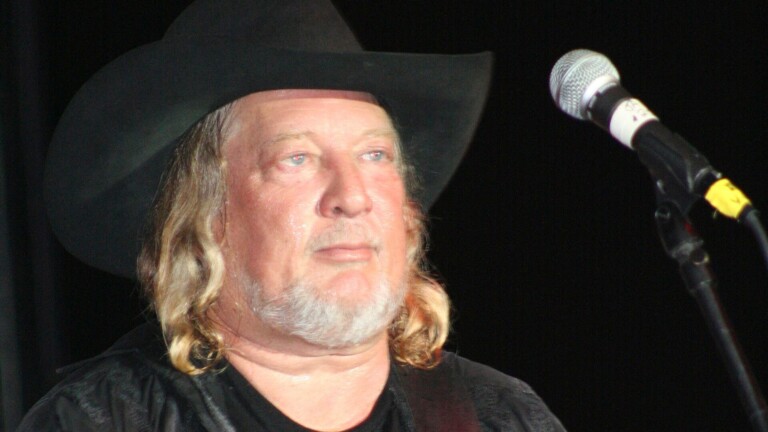
John Anderson, ‘Swingin” and ‘Seminole Wind’ Singer, Dies at 71
John Anderson, the Country Music Hall of Fame singer behind “Swingin'” and “Seminole Wind,” has died at age 71, only days after taking part in Nashville’s 2026 Medallion Ceremony.

Judas Priest Locks In First Confirmed 2027 US Tour Date at Boardwalk Rock
Judas Priest has confirmed its first US concert of 2027, a slot on the Iron Maiden-headlined Sunday bill at the Boardwalk Rock festival in Ocean City, Maryland.
Robert Plant Opens Up on Son Karac’s 1977 Death and His Quiet Life Today
In a new Sunday Times interview, Robert Plant describes how the 1977 death of his five-year-old son Karac altered his attachment to Led Zeppelin, and shares details of his present-day life in a small Worcestershire village.
Bon Jovi Extends 2027 Stadium Dates, Expanding Forever Tour to Australia, UK and North America
Bon Jovi is expanding its Forever Tour with seven new 2027 stadium shows spanning Australia, the UK and North America, building on sold-out dates at Madison Square Garden and Wembley Stadium earlier this year.

Motley Crue Sets 2027 ‘Carnival of Sins in Sin City’ Residency at Caesars Palace
Motley Crue has unveiled an eight-show Las Vegas residency, ‘Carnival of Sins in Sin City,’ set for The Colosseum at Caesars Palace from March 19 to April 3, 2027.
Led Zeppelin Lets ‘Stairway to Heaven’ Soundtrack a Movie Trailer for the First Time, for Greta Gerwig’s Narnia Film
Led Zeppelin has granted permission for ‘Stairway to Heaven’ to appear in a film for the first time, backing the debut trailer for Greta Gerwig’s Narnia: The Magician’s Nephew.
Cheap Trick 2027 Concert Dates Announced
Cheap Trick has booked its first three concert dates for 2027, set for February and April, as the band’s ongoing All Washed Up Tour continues through the fall of 2026.
Judas Priest’s Ian Hill Retires After 57 Years, Longest-Serving Member
Judas Priest founding bassist Ian Hill has stepped away from the band after 57 years, citing worsening arthritis and a torn shoulder tendon, with Uriah Heep’s Davey Rimmer set to take his place on bass starting with the band’s 2027 touring.