

‘Weird Al’ Yankovic Turned Down $1 Million Offer from Saudi Arabia Show
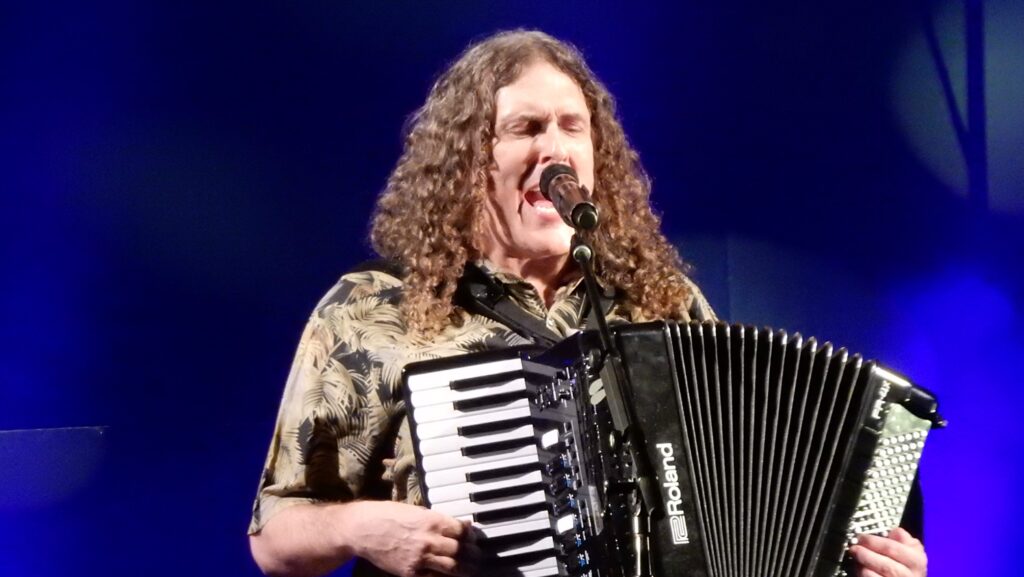
The musical satirist says the offer was more money than he’s ever been offered for a single show, but he couldn’t bring himself to accept it.
‘Weird Al’ Yankovic revealed in a new interview that he turned down a seven-figure offer to perform at the Riyadh Comedy Festival in Saudi Arabia last year. Speaking to Pennsylvania publication TribLive, Yankovic said the payday would have been the largest single-show offer of his career, but he declined because he couldn’t reconcile taking the money with his conscience. The disclosure comes shortly after Yankovic made news for backing out of an advertisement for AI software.
Yankovic Speaks Out on the Saudi Offer
Yankovic told TribLive that he had not previously disclosed the offer publicly. ‘I wish people would offer me things that I didn’t feel bad about accepting,’ he said. ‘I don’t think I’ve mentioned this anywhere, but I was invited to the Riyadh Comedy Festival, which is something that I obviously did not want to do. They offered me, I’m not going to say how much, but it was seven figures to do one show, which is way more than I’ve ever been offered in my life to do a show. But I just couldn’t be part of that.’
He was careful not to condemn the performers who did accept. ‘I’m not dissing anybody that took the money because I’m sure everybody that went there got a lot of money,’ Yankovic said. ‘I’m sure they had their own reasons and justifications for doing it. But I’m doing enough that I don’t need to take any amount of money if it makes me feel icky, and that kind of did.’
The Riyadh Comedy Festival and Its Controversies
The Riyadh Comedy Festival took place last fall and drew a roster of high-profile American comedians, including Dave Chappelle, Bill Burr, Louis C.K., Pete Davidson and Aziz Ansari. It also drew significant criticism from within the industry, with Marc Maron, Jimmy Kimmel and David Cross among those who publicly objected to the event’s ties to the Saudi government and Crown Prince Mohammed bin Salman.
Comedian Atsuko Okatsuka disclosed on X that her offer came with ‘content restrictions’ barring jokes about the Saudi government, legal system or religious customs. ‘The money is coming straight from the Crown Prince, who actively executes journalists, [people with non-lethal] drug offenses, bloggers, etc w/out due process,’ Okatsuka wrote. Shane Gillis also said he took a ‘principled stand’ and turned down a ‘significant bag’ to perform. According to reporting at the time, comedian paydays at the festival ranged from mid-six-figures up to $1.6 million for a single show.
Those who did perform offered varying defenses. Ansari said he hoped the festival would push ‘things to be more open,’ arguing it was unfair to hold ordinary Saudi citizens responsible for government actions. Burr called it ‘one of the top three experiences I’ve had,’ noting that ‘the royals loved the show.’ C.K. described it as a ‘good opportunity,’ saying ‘comedy is a great way to get in and start talking.’ Chappelle quipped onstage in Saudi Arabia that ‘It’s easier to talk here than it’, the quote as reported was cut off at that point.
Context: A Pattern of Principled Refusals
The Saudi Arabia revelation follows Yankovic’s recent decision to back out of an advertisement for AI software, a move that also generated headlines. The two episodes together paint a consistent picture of an artist who, at this stage of his career, is willing to leave significant money on the table when a deal conflicts with his values.
The broader debate over the Riyadh Comedy Festival reflects a tension that has surfaced repeatedly in the entertainment industry around so-called ‘sportswashing’ and ‘culturewashing’ events, where governments with contested human rights records use high-profile Western talent to burnish their international image. For many performers, the calculus involves weighing personal financial gain against the political symbolism of participation, a calculation that Yankovic says he resolved quickly.
What we know
- ‘Weird Al’ Yankovic was offered a seven-figure sum to perform at the Riyadh Comedy Festival in Saudi Arabia last year.
- Yankovic declined the offer, telling TribLive it made him feel ‘icky’ and that he had not previously disclosed the invitation publicly.
- The Riyadh Comedy Festival featured Dave Chappelle, Bill Burr, Louis C.K., Pete Davidson and Aziz Ansari, among others.
- Comedian paydays at the festival reportedly ranged from mid-six-figures up to $1.6 million for one show.
- Atsuko Okatsuka said her offer included content restrictions prohibiting jokes about the Saudi government, legal system or religious customs.
- Shane Gillis said he also turned down a ‘significant bag’ to perform, describing it as a principled stand.
- Critics of the festival, including Marc Maron, Jimmy Kimmel and David Cross, objected to its connection with Crown Prince Mohammed bin Salman’s government.
- The Riyadh Comedy Festival disclosure came shortly after Yankovic made news for backing out of an AI software advertisement.
The take
Yankovic has built his entire career on a kind of principled absurdism: he parodies pop culture without cruelty, maintains a famously clean public image, and has long been selective about commercial partnerships in ways that most artists at his level of fame are not. So his refusal of a seven-figure Saudi payday fits a well-established personal brand rather than representing a sudden political awakening. What makes the disclosure notable is the scale of the offer. Seven figures for a single show is extraordinary by any measure in the comedy and novelty-music world, and Yankovic himself acknowledged it was more than he had ever been offered for one performance. The Riyadh Comedy Festival debate exposed a genuine fault line in American entertainment: at what point does a large enough check override concerns about the source? The festival’s reported content restrictions, which Okatsuka detailed publicly, add a layer beyond simple human rights concerns. Performers were being asked not just to appear in Saudi Arabia but to self-censor in ways that cut against the core premise of stand-up comedy. For Yankovic, whose art depends on the freedom to satirize anything, that constraint alone would have been disqualifying even before the ethical questions about the Saudi government entered the picture. His willingness to discuss it now, framed without moralizing at those who accepted, is consistent with how he has always navigated controversy: lightly, but with a clear personal line.
Why it matters
The Riyadh Comedy Festival debate is one of the clearest recent examples of the entertainment industry wrestling publicly with the ethics of performing for state-sponsored events tied to governments with contested human rights records. Yankovic’s disclosure adds a significant name to the list of artists who quietly declined, and his candid framing of the decision, without condemning those who accepted, keeps the conversation nuanced. For fans and industry observers, it reinforces that the question of where performers draw their personal lines is very much alive and consequential.
What’s next
Yankovic’s comments were made to TribLive in the context of his recent decision to back out of an AI software advertisement, which had already drawn attention. No further scheduled announcements or events tied directly to either disclosure were detailed in available reporting.
Frequently asked questions
How much was ‘Weird Al’ Yankovic offered to perform in Saudi Arabia?
Yankovic said the offer was seven figures for a single show, describing it as more money than he had ever been offered for one performance, though he declined to specify the exact amount.
Why did ‘Weird Al’ Yankovic turn down the Saudi Arabia show?
Yankovic told TribLive that he ‘just couldn’t be part of that,’ saying the offer made him feel ‘icky’ and that he does not need to accept money when it conflicts with his conscience.
Which comedians performed at the Riyadh Comedy Festival?
The festival featured Dave Chappelle, Bill Burr, Louis C.K., Pete Davidson and Aziz Ansari, among others.
Who else turned down the Riyadh Comedy Festival?
Comedian Atsuko Okatsuka and Shane Gillis both publicly said they declined offers to perform. Okatsuka noted her offer included content restrictions prohibiting jokes about the Saudi government, legal system or religious customs.
What other controversy was ‘Weird Al’ Yankovic involved in recently?
Shortly before disclosing the Saudi Arabia offer, Yankovic made headlines for backing out of an advertisement for AI software.
Related coverage
TOP STORIES
RELATED ARTISTS
Related Stories
Judas Priest’s Ian Hill Retires After 57 Years, Longest-Serving Member
Judas Priest founding bassist Ian Hill has stepped away from the band after 57 years, citing worsening arthritis and a torn shoulder tendon, with Uriah Heep’s Davey Rimmer set to take his place on bass starting with the band’s 2027 touring.
James Hetfield Tells Sphere Crowd Metallica Won’t Push a Political Agenda
James Hetfield addressed the Las Vegas Sphere crowd on October 10, 2026, drawing a line between Metallica and other entertainers who use their platforms for political messaging.
Def Leppard Announces Massive 2027 Tour With Goo Goo Dolls, The Struts
Def Leppard will co-headline a 45-date 2027 North American tour with Goo Goo Dolls, joined by The Struts, running from March 2 in Allentown, Pennsylvania through July 2 in Indianapolis, Indiana.
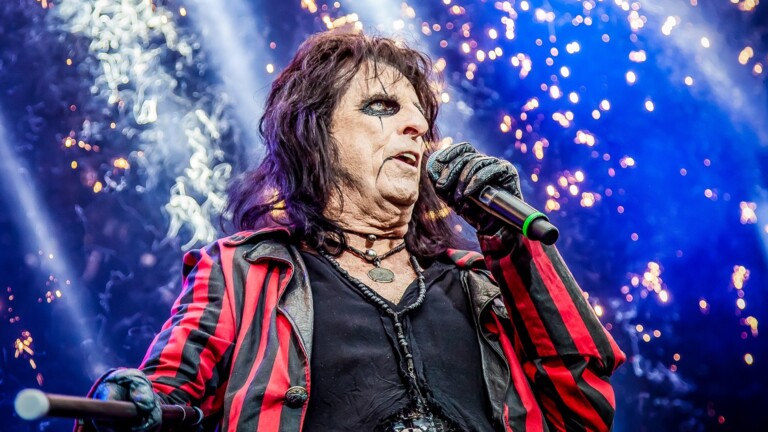
Alice Cooper Opens Up on Crack Addiction That Nearly Killed Him and Nearly Ended His Marriage
Alice Cooper’s new memoir ‘Devil on My Shoulder’ and a companion interview with The Telegraph detail how his crack cocaine use in the late 1970s and early 1980s brought him close to death and nearly cost him his marriage.
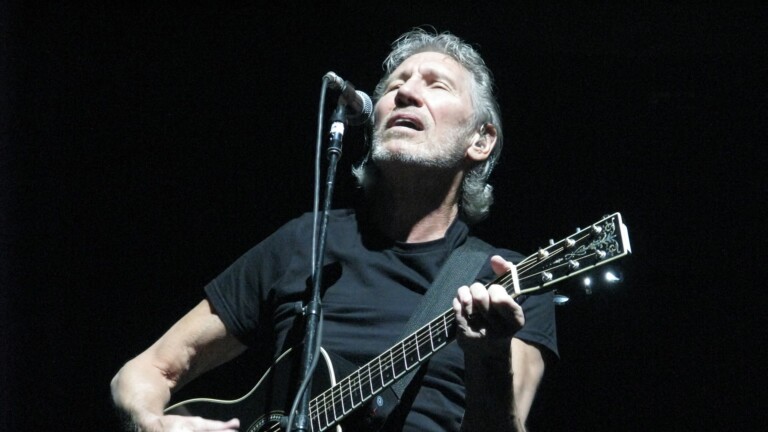
Roger Waters and Son Harry Waters Launch Pink Floyd Tribute Tour ‘LEGACY’ for 2027
AEG Presents and ICON LIVE have announced ‘Roger Waters Presents LEGACY: A Pink Floyd Show,’ a new touring production led musically by Harry Waters and launching February 15, 2027 in Columbus, Georgia.
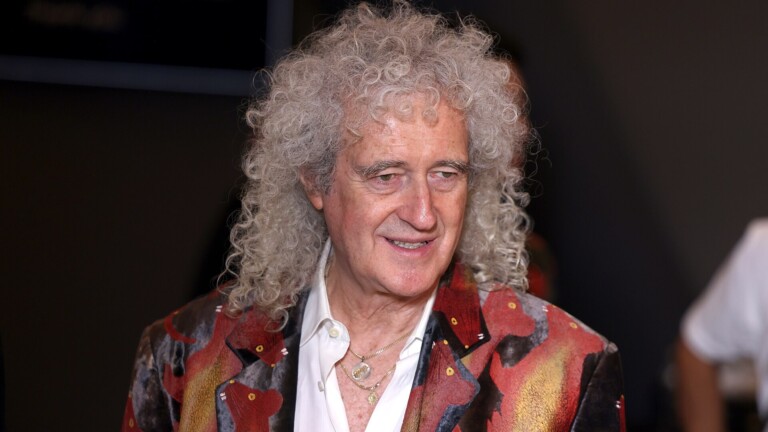
Brian May Says Queen’s Touring Days Are Over
Brian May says he and Roger Taylor quietly agreed a year and a half ago that Queen would not tour again, a choice shaped by the death of a close family friend while the band was on the road in America.
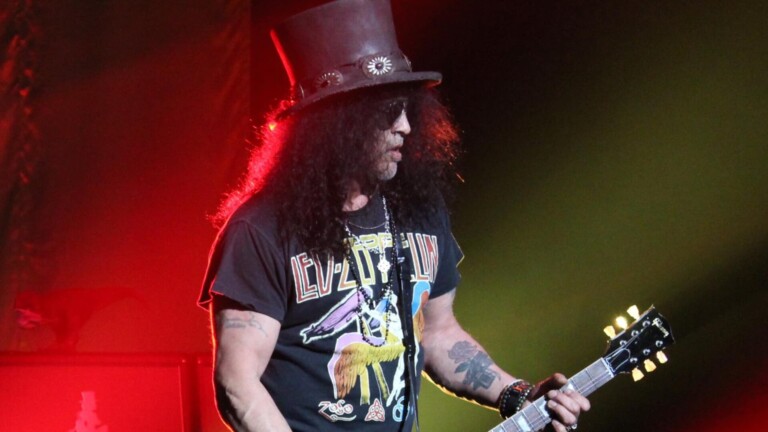
Slash Announces 2027 World Tour and New Album ‘Flying Blind’ With Myles Kennedy
Slash has unveiled a 2027 world tour with Myles Kennedy and The Conspirators and a new album, ‘Flying Blind,’ marking his first dedicated run with the band since 2024.
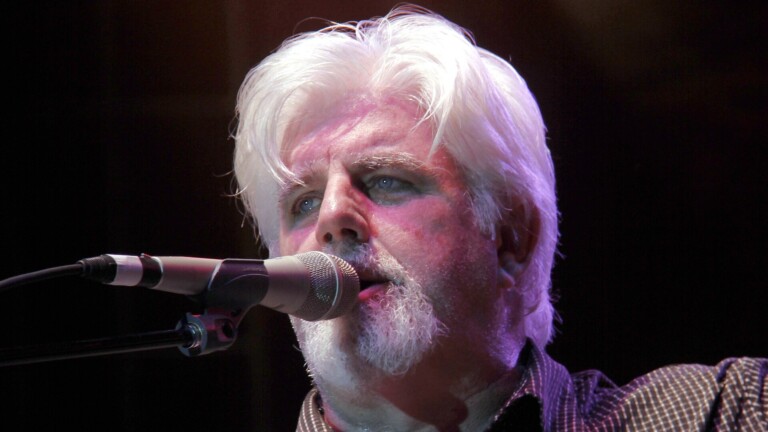
Michael McDonald Reunites With Son Given Up for Adoption Nearly 60 Years Ago
A St. Louis man named Michael Goessling has learned that Doobie Brothers singer Michael McDonald is his biological father, nearly 60 years after being given up for adoption as an infant.
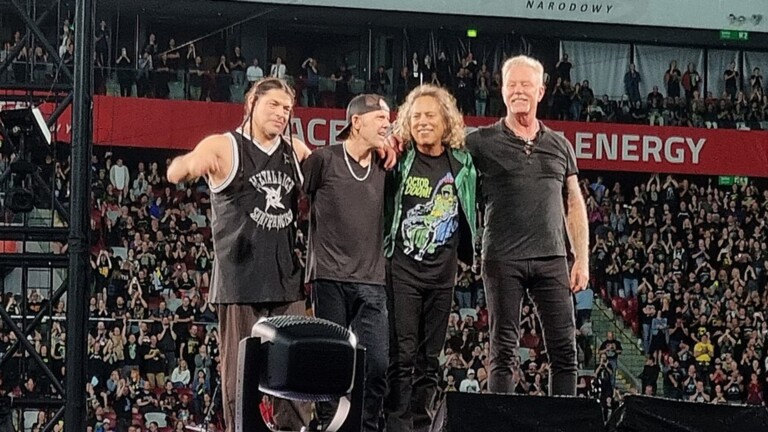
Metallica Kicks Off ‘Life Burns Faster’ Residency at Las Vegas Sphere
Metallica’s “Life Burns Faster” residency opens at the Las Vegas Sphere on October 1, 2026, running through March 2027 with 24 shows, a merch collaboration with adidas and a lineup of fan events across the city.