

Paul McCartney Returns With New Music, Announces The Boys of Dungeon Lane

Paul McCartney’s latest chapter is no longer rumor. The former Beatle has returned with a new single, “Days We Left Behind,” and confirmed a new studio album, The Boys of Dungeon Lane, marking his first full solo release in nearly six years.
The rollout, announced Thursday and quickly picked up by major outlets including Variety, BBC, Rolling Stone, and Pitchfork, lands as one of the biggest legacy-artist music stories of 2026 so far. McCartney has spent the past several years visible through archival projects, documentary work, and occasional live appearances. This week’s announcement shifts the conversation back to where his career has always been strongest: new songs.
The album title, The Boys of Dungeon Lane, had circulated in fan spaces before being formally confirmed, and the first single gives a clear sense of tone. “Days We Left Behind” is being framed in early coverage as reflective, memory-driven writing that pulls from McCartney’s Liverpool roots and early-life perspective. That matches a pattern in his late-period work, where personal recollection and melody-first writing have increasingly replaced the broader genre experiments that defined earlier phases of his solo career.
Even with that introspective framing, the commercial significance is immediate. McCartney’s last solo studio set, McCartney III, arrived in late 2020. A six-year gap is substantial for any artist and especially notable for a songwriter with one of the most documented catalogs in pop history. New material from McCartney is not simply another release date on the calendar. It is an event that bridges multiple audiences at once: legacy rock listeners, younger streaming-era fans, and industry observers tracking catalog artists who still produce frontline work.
The timing also matters because the broader market has changed since his last album cycle. In 2020, the industry’s release model was still adapting to pandemic-era constraints. In 2026, streaming ecosystems, social-first music discovery, and algorithmic curation dominate launch strategy. McCartney is entering that landscape with the rare advantage of cross-generational recognition. He does not need introduction, but he does need positioning, and the opening single appears designed to do exactly that: present him as reflective without sounding archival.
There is also an artistic challenge embedded in any new McCartney release. Few living musicians are judged against as much internal history. Every song is inevitably measured against Beatles landmarks, Wings-era radio staples, and decades of solo standards. That burden can flatten audience expectations before they even press play. By opening with a song centered on memory and place, McCartney appears to be leaning into that history rather than running from it.
For the industry, this release cycle is another test case in how veteran artists launch new work without reducing themselves to nostalgia brands. The early messaging around The Boys of Dungeon Lane suggests a careful balance: enough biographical framing to create narrative momentum, but enough emphasis on the present-tense single to reinforce that this is current creative output, not a vault-cleaning exercise.
The project’s expected release window, reported by several music outlets as late May, gives McCartney room to stage a traditional multi-beat campaign in a market that often compresses attention into a single weekend. If the album arrives on the reported date of May 29, that schedule allows for additional single drops, long-form interviews, and performance moments that can widen the audience beyond core fans.
McCartney’s move also arrives during a period when classic-rock peers are increasingly active in documentary and reissue formats. He has participated in that ecosystem too, but this new cycle reframes his role. Instead of curating the past, he is adding to the body of work. That distinction is central to why the announcement has resonated so quickly.
There is still an open question about how The Boys of Dungeon Lane will sound in full. Lead singles can spotlight one corner of an album rather than its center. But in terms of narrative, McCartney has already achieved the crucial first step. He has turned months of speculation into a concrete release arc with a new song attached to it.
For fans, the headline is simple: Paul McCartney is releasing new music again. For everyone else in the business, the bigger takeaway is this: at an age when most artists are managed as heritage institutions, McCartney is still operating like a working songwriter, using new material, not only legacy, to stay in the conversation.
That is why this announcement carries weight beyond fan service. It is not just another chapter in Beatles-adjacent mythology. It is a reminder that one of popular music’s most studied figures remains active in the only way that ultimately matters for an artist of his stature: by putting new songs into the world and inviting comparison on the strength of the work itself.
Related Stories
U2’s Bono and The Edge Move Obama to Tears at Presidential Center Opening
Bono and The Edge performed ‘City of Blinding Lights’ at the Barack Obama Presidential Center dedication in Chicago on June 18, visibly moving the former
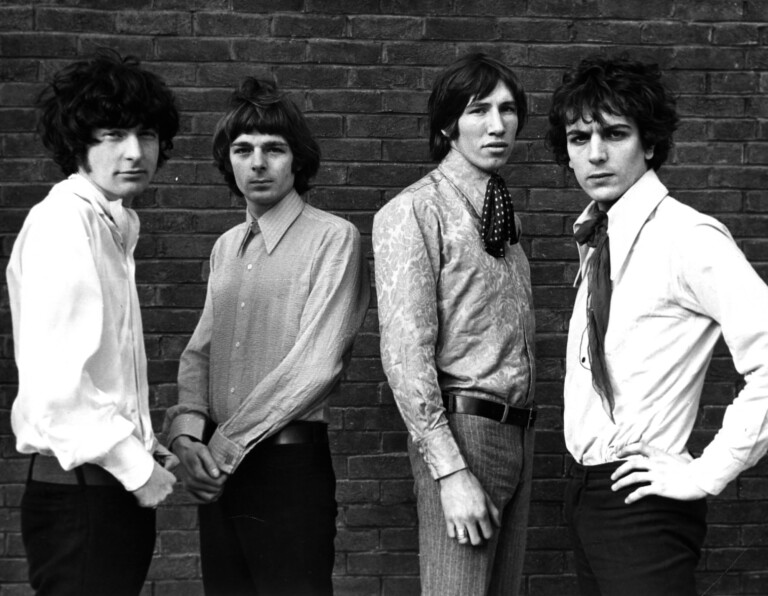
Syd Barrett’s 80th Birthday Marked With Cambridge Concert and Star-Studded Tribute Album
A tribute concert at Cambridge Corn Exchange and a new album featuring Pink Floyd, David Gilmour, and David Bowie mark what would have been Syd Barrett’s 80th
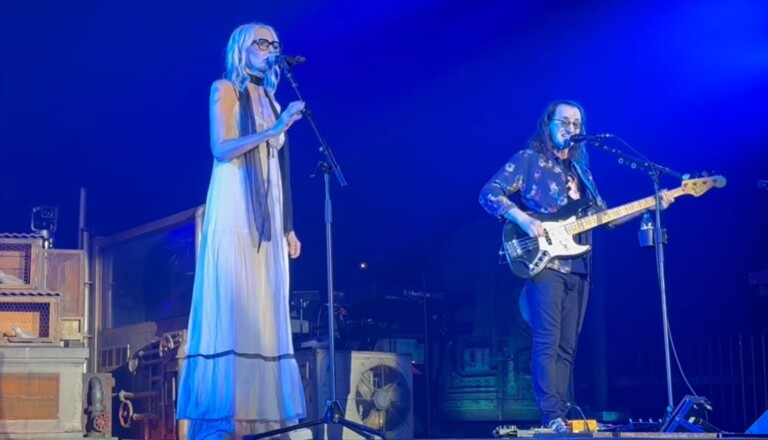
Aimee Mann Nearly Skipped Rush Reunion Tour After Geddy Lee’s Email
Aimee Mann reveals she nearly passed on performing ‘Time Stand Still’ with Rush on their Fifty Something reunion tour after receiving an email from Geddy Lee.
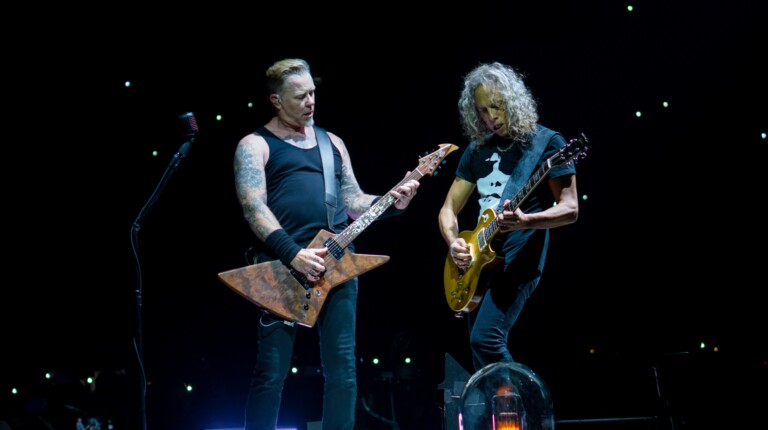
Kirk Hammett Releases Official Video From Frankfurt ‘The Collection: Live’ Event
Kirk Hammett has shared an official video of his May 23 ‘The Collection: Live’ book event at Zoom Saal in Frankfurt, featuring a surprise jam with Robert
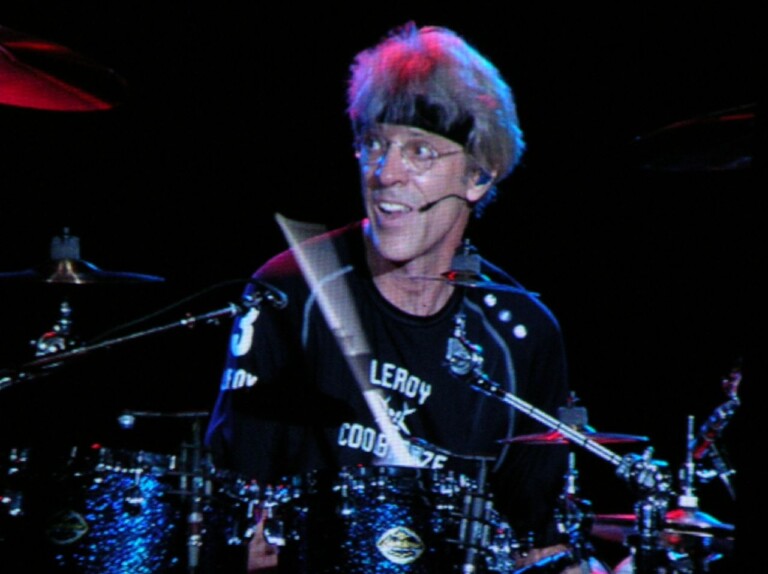
Stewart Copeland Says He and Sting ‘Get Along Just Fine’ Despite Royalty Lawsuit
The Police drummer Stewart Copeland opens up about his friendship with Sting, the ongoing royalty lawsuit in U.K. High Court, and calling himself ‘fully
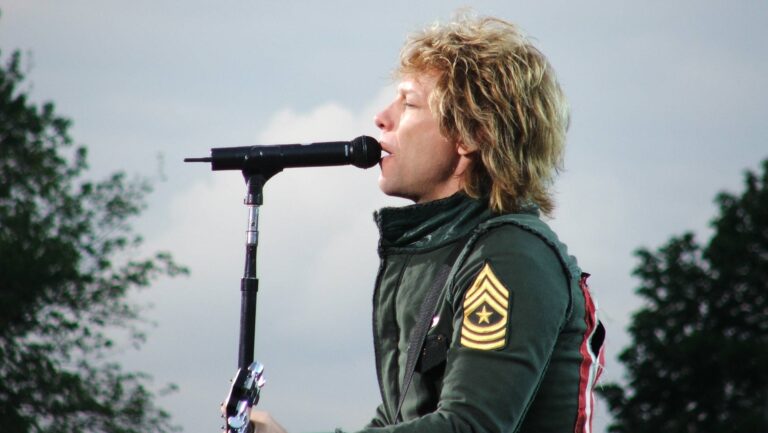
Jon Bon Jovi Declares Full Vocal Recovery, Announces Massive Tour Dates
Jon Bon Jovi says he’s ‘fully recovered’ from 2022 vocal cord surgery as Bon Jovi announce a nine-night MSG residency and UK/Ireland stadium shows for 2026.
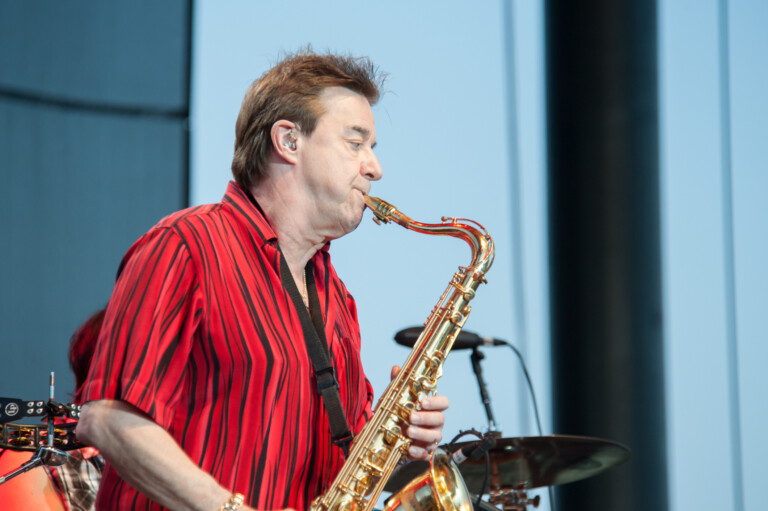
Walter Parazaider, Founding Saxophonist of Chicago, Dead at 81
Walter Parazaider, the founding saxophonist and creative architect of Chicago, died June 17 at 81 after a six-year battle with Alzheimer’s disease.
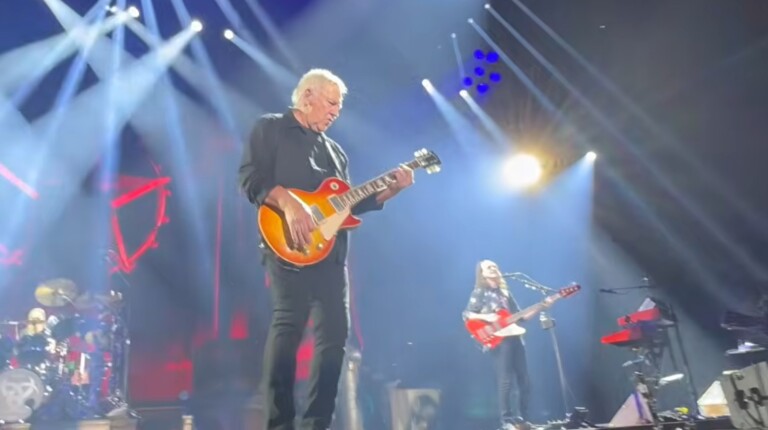
Rush Thanks Fans After Inglewood Opener
Rush kicked off the Fifty Something Tour in Inglewood with Alex Lifeson, Geddy Lee, and Anika Nilles. The band thanked fans after four opening nights.
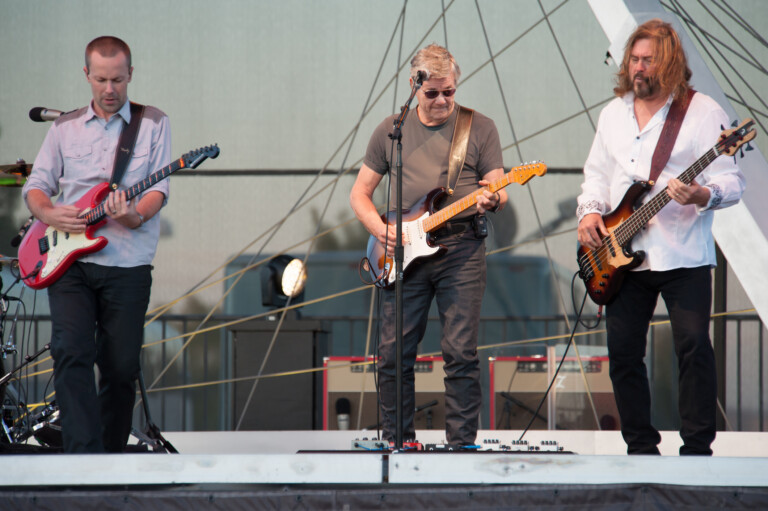
Steve Miller Books Two Fall 2026 Concerts at NYC’s Rose Theatre
Steve Miller confirms two concerts at Frederick P. Rose Hall in New York City on Oct. 9 and 10, 2026, honoring his blues and jazz heroes.