

New Woody Guthrie Compilation Includes Recording of ‘Deportee’
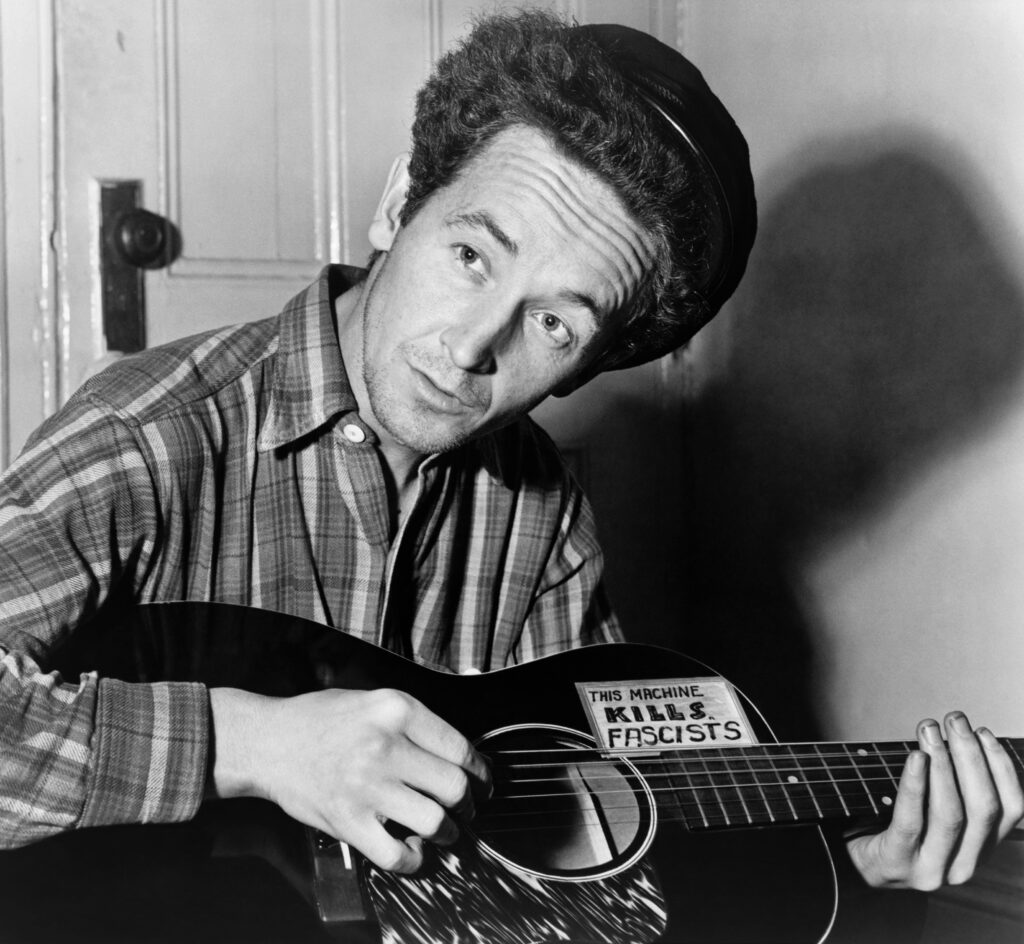
A rare and culturally significant release has been announced for fans of music history and socially conscious songwriting. The release of Woody at Home – Vol 1 + 2 by Shamus Records is a monumental compilation comprising 22 previously unreleased tracks by Woody Guthrie, an iconic figure in American folk music. Among these tracks is the only known recording of Guthrie performing “Deportee,” a song profoundly connected to events that occurred almost 80 years prior.
“Deportee,” also known as “Plane Wreck at Los Gatos,” originated from Woody Guthrie's response to a tragic plane crash in Los Gatos Canyon, California, in 1948, which resulted in the deaths of 32 individuals, including 28 Mexican migrant farm workers collaborating under the Bracero Program. The crash garnered attention not only due to its immediate impact but also because of the subsequent media coverage. Unlike the American crew members, the Mexican workers were never identified by name in reports but were collectively referred to as “deportees.” This act of dehumanization triggered Guthrie to pen his poignant protest song, capturing the struggle and voicelessness experienced by these laborers amid systemic injustices. Guthrie never had the chance to release many of these tracks he recorded during 1951-1952 at his Brooklyn home, as he succumbed to Huntington's disease. However, thanks to advanced sound restoration technologies, these recordings, infused with ambient sounds of his home life, are now made available, offering a genuine glimpse into his environment and inspiration.
The collection is produced and transferred by Steve Rosenthal with Jessica Thompson as the sound engineer, and co-produced by Anna Canoni, Guthrie's granddaughter and the president of Woody Guthrie Publications. It represents an impressive effort not only to preserve but also to restore history through Guthrie's music and personal reflections found on lyric sheets and family photographs included in the release. The tapes were never intended for public release initially, as Guthrie had recorded them as an introduction for his music publisher, capturing a range of musings on various historical, social, political, and philosophical themes. These tracks testify to Guthrie's spirit of protest and advocacy, tackling issues from labor rights to systemic racism, such as in the stories he shares about the Trenton Six and Albert Einstein's role in ending racial hate. Canoni reflects on these tapes' significance, noting the continued relevance of Guthrie's themes today and his gentle, unpretentious delivery which harnesses the power of song to inspire reflection and potential change.
Gathering these songs, the Woody at Home compilation stands as a remarkable addition to folk music history. Amongst the tracks is an emotionally charged version of “This Land Is Your Land,” bearing additional verses that deepen its narrative. While the focus undeniably remains on “Deportee,” the album's comprehensive tracklist further includes evocative titles like “Pastures of Plenty,” “Jesus Christ,” and “Forsaken Lover,” each contributing to a broader understanding of Guthrie’s views and his unwavering commitment to representing marginalized voices.
In summary, Woody at Home – Vol 1 + 2 is more than just an album; it’s a historical document that provides critical insights into the past struggles and triumphs through the perspective of one of America’s key cultural figures. As Steve Rosenthal notes, the release is timely, shadowing a modern backdrop where themes of injustice, labor rights, and displacement remain overwhelmingly pertinent. This collection isn't just a tribute to Guthrie’s legacy but a reminder of music's enduring power to reflect and influence societal change. Thus, the recently uncovered “Deportee” recording is more than a relic; it's an invitation to engage with the ongoing dialogue around human rights and identity, as audibly spoken by a troubadour whose words remain echoingly relevant.
Key Takeaways
-
americansongwriter.com | Woody Guthrie's only known recording of "Deportee" has been released in the new compilation *Woody At Home - Vol 1 + 2*.
-
consequence.net | The *Woody At Home - Vol 1 + 2* compilation includes 22 previously unreleased tracks recorded by Guthrie in the early 1950s.
-
www.rollingstone.com | Jessica Thompson and Steve Rosenthal transferred, restored, and mastered the historical tapes for the *Woody At Home* compilation, using advanced audio restoration techniques.
TOP STORIES
RELATED ARTISTS
Related Stories
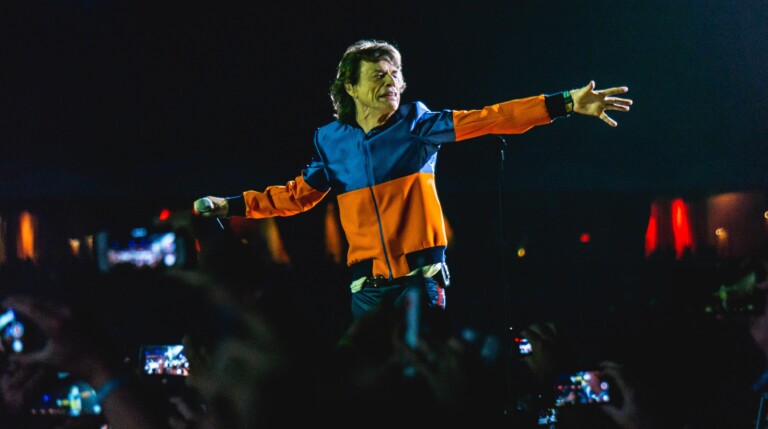
Mick Jagger Names Favorite Stones Albums and Takes a Shot at Some Girls
Mick Jagger names Sticky Fingers and Beggars Banquet as favorites, takes a swipe at Some Girls, and previews the band’s upcoming album Foreign Tongues.

Stevie Nicks to Appear at Daisy Chain Fields: Olivia Rodrigo’s All Woman Music Festival
Olivia Rodrigo’s inaugural Daisy Chain Fields festival at Great Park, Irvine on Aug. 29 features Stevie Nicks, Chappell Roan, Bikini Kill, Garbage, Doechii and
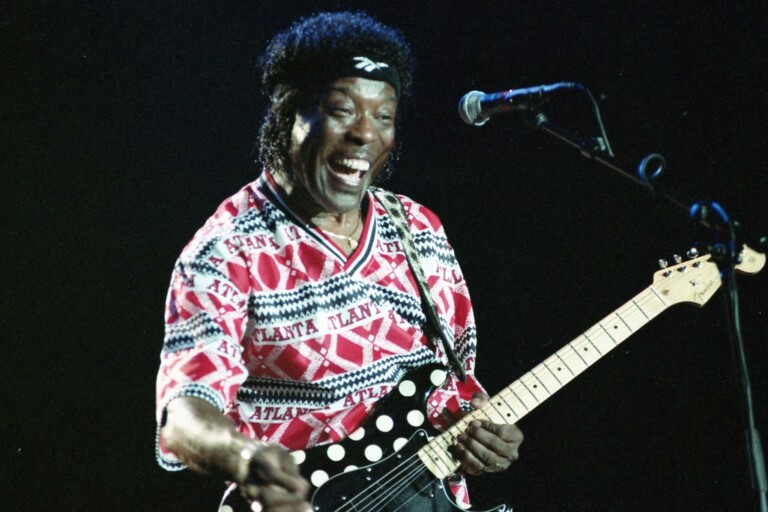
Buddy Guy’s 90th Concert at Radio City Music Hall Features Clapton, Mayer, Gibbons, and More
Buddy Guy turns 90 on July 30 and celebrates with an all-star concert at Radio City Music Hall on Oct. 1, featuring Eric Clapton, John Mayer, Billy Gibbons and

Clive Davis, Legendary Music Executive Who Shaped Pop History, Dies at 94
Clive Davis, the record executive behind Whitney Houston, Bruce Springsteen, and Alicia Keys, died Monday at his Manhattan home. He was 94.

Iron Maiden Enforce Phone-Free Zone at Paris Show for Run For Your Lives Tour Film
Iron Maiden are enforcing a Yondr pouch phone-free standing area at their June 22 Paris La Défense Arena show, filmed for the Run For Your Lives Tour concert

31 Music Groups Warn Labels and Publishers to Stop Misusing Artist Rights in AI Deals
A coalition of 31 organizations warns record labels and publishers to stop negotiating AI deals without meaningful consent from artists and songwriters.
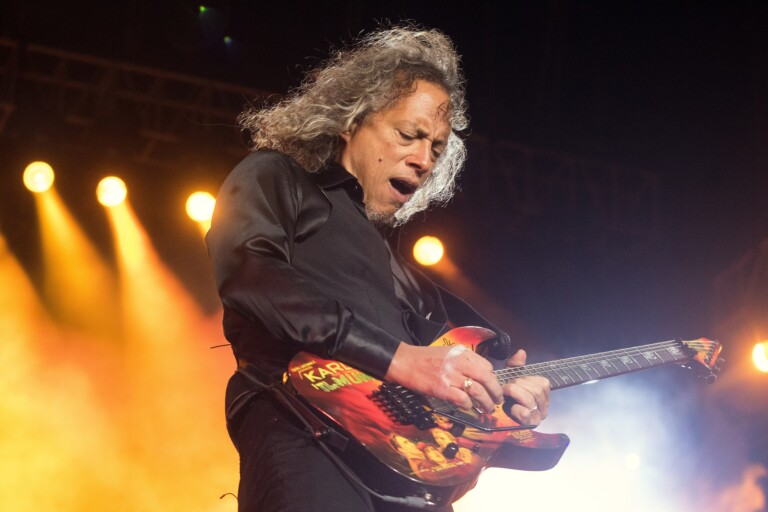
Kirk Hammett Falls Off Stage in Dublin Days After Taylor Swift T-Shirt Backlash
Metallica guitarist Kirk Hammett fell off the stage at Aviva Stadium in Dublin on June 19 during ‘Seek & Destroy,’ days after Swifties targeted him over a
Rod Stewart Requires Oxygen Tank After Nearly Fainting Onstage in Utah
Rod Stewart nearly fainted during a concert at Utah First Credit Union Amphitheatre, requiring an oxygen tank before finishing the show seated.

U2’s Bono and The Edge Move Obama to Tears at Presidential Center Opening
Bono and The Edge performed ‘City of Blinding Lights’ at the Barack Obama Presidential Center dedication in Chicago on June 18, visibly moving the former