

WATCH: Gene Simmons Slams Celebrities Who Promote Political Messages
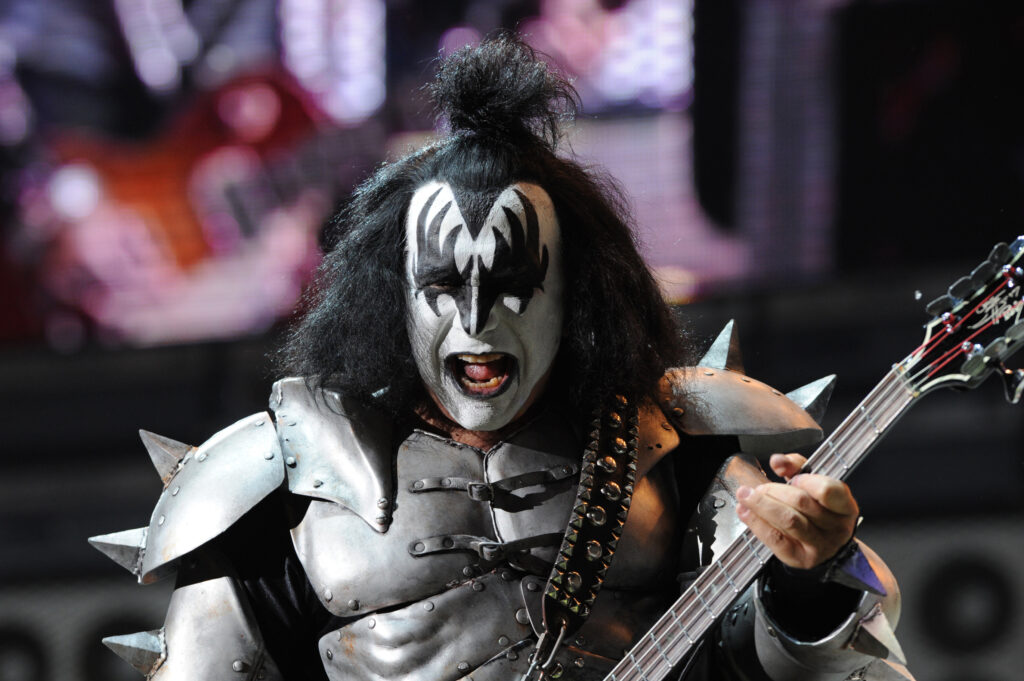
Gene Simmons has reignited one of pop culture’s most persistent arguments: should celebrities use their platforms to shape political opinion, or stay focused on entertainment?
The KISS co-founder’s latest comments were blunt, but the core thesis is familiar. Simmons has repeatedly argued that artistic success does not automatically confer political expertise, and that public figures often mistake visibility for authority. The immediate backlash and support his remarks generated underline how entrenched this divide has become.
This debate is older than social media, but social media intensified it
Celebrity political activism is not new. From anti-war music and civil-rights advocacy to charity telethons and voter campaigns, artists have been public-facing political participants for decades. What has changed is velocity and scale. Platforms now turn any quote into an instant national story, with audiences sorted into agreement and outrage within hours.
In practical terms, that means celebrity political speech now operates in the same attention economy as campaign messaging. It is clipped, amplified, decontextualized, and redistributed at industrial speed.
The two strongest arguments on each side
Case for celebrity political speech: public figures are citizens with the same rights as anyone else, and large platforms can help elevate causes that would otherwise be ignored. In moments of social stress, silence can also be interpreted as complicity.
Case against it: fame can create an asymmetry where status overwhelms substance. Critics argue that voters may be nudged by popularity rather than policy literacy, and that performative activism can cheapen serious civic issues.
Simmons’ position sits firmly in the second camp: he is less interested in limiting speech than in challenging the assumption that celebrity commentary should be treated as civic guidance.
Why the Gene Simmons comments hit a nerve now
The political marketplace has become increasingly personality-driven. Candidates borrow entertainment tactics, while entertainers are expected to take explicit ideological positions. In that environment, Simmons’ critique functions as a rejection of the influencer model of politics itself.
That is also why his comments keep resurfacing across different election cycles and media moments. The underlying question has never been resolved: does cultural influence improve democratic conversation, or does it mostly convert politics into brand theater?
What this means for the industry
For artists and managers, the calculus is now strategic as much as moral. Every political statement has audience, sponsorship, touring, and media consequences. Some artists accept that tradeoff as part of public life; others increasingly avoid it, preferring issue-specific philanthropy over partisan declaration.
For audiences, the practical takeaway is straightforward: celebrity opinions can be meaningful signals of values, but they are not substitutes for policy evidence, institutional reporting, or subject-matter expertise.
Gene Simmons did not invent this argument, and he is unlikely to settle it. But his latest remarks again expose a fault line that defines modern culture: in a system where attention is power, who should be trusted to use that power responsibly?

Related Stories
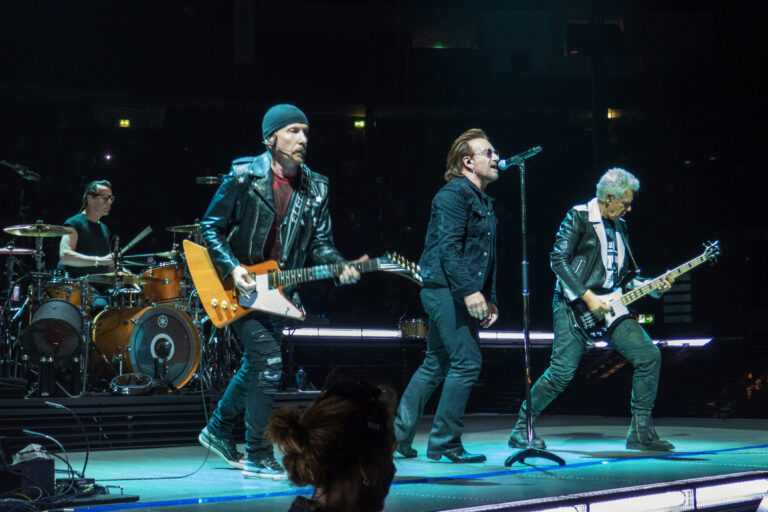
U2’s Bono and The Edge Move Obama to Tears at Presidential Center Opening
Bono and The Edge performed ‘City of Blinding Lights’ at the Barack Obama Presidential Center dedication in Chicago on June 18, visibly moving the former
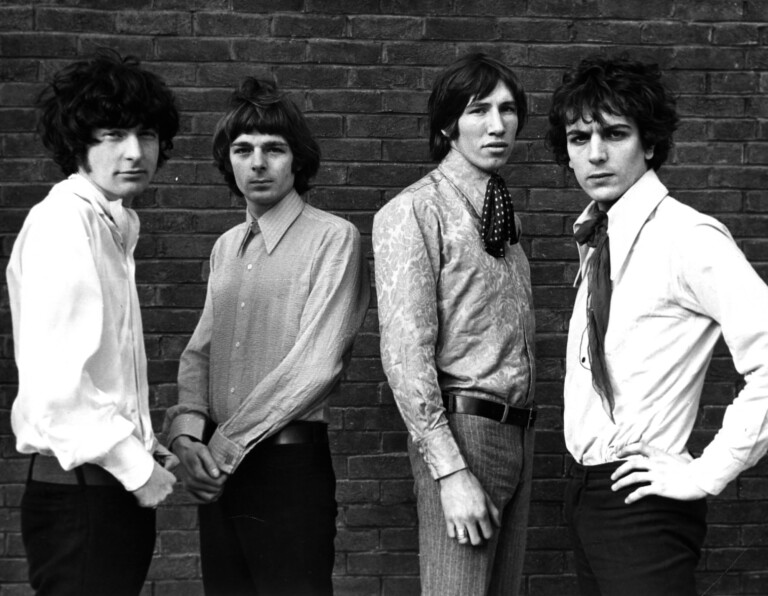
Syd Barrett’s 80th Birthday Marked With Cambridge Concert and Star-Studded Tribute Album
A tribute concert at Cambridge Corn Exchange and a new album featuring Pink Floyd, David Gilmour, and David Bowie mark what would have been Syd Barrett’s 80th
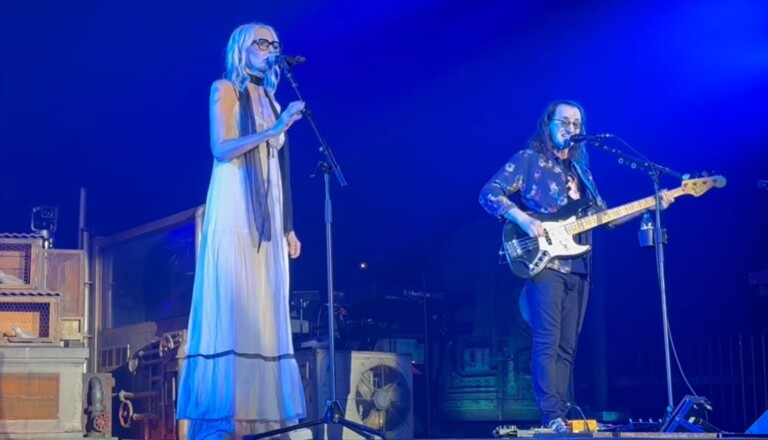
Aimee Mann Nearly Skipped Rush Reunion Tour After Geddy Lee’s Email
Aimee Mann reveals she nearly passed on performing ‘Time Stand Still’ with Rush on their Fifty Something reunion tour after receiving an email from Geddy Lee.
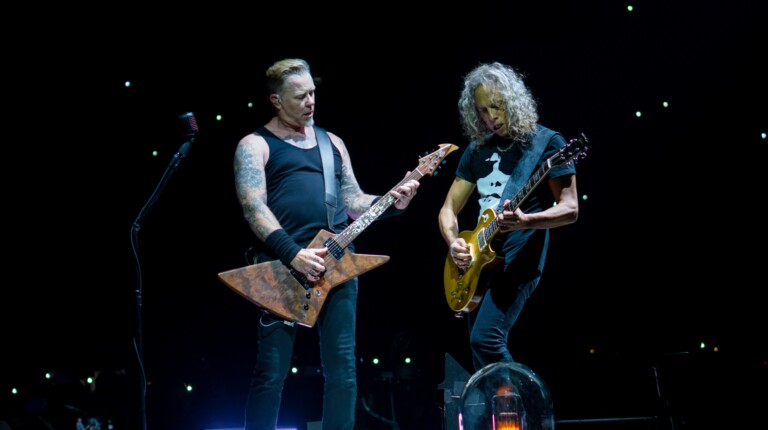
Kirk Hammett Releases Official Video From Frankfurt ‘The Collection: Live’ Event
Kirk Hammett has shared an official video of his May 23 ‘The Collection: Live’ book event at Zoom Saal in Frankfurt, featuring a surprise jam with Robert
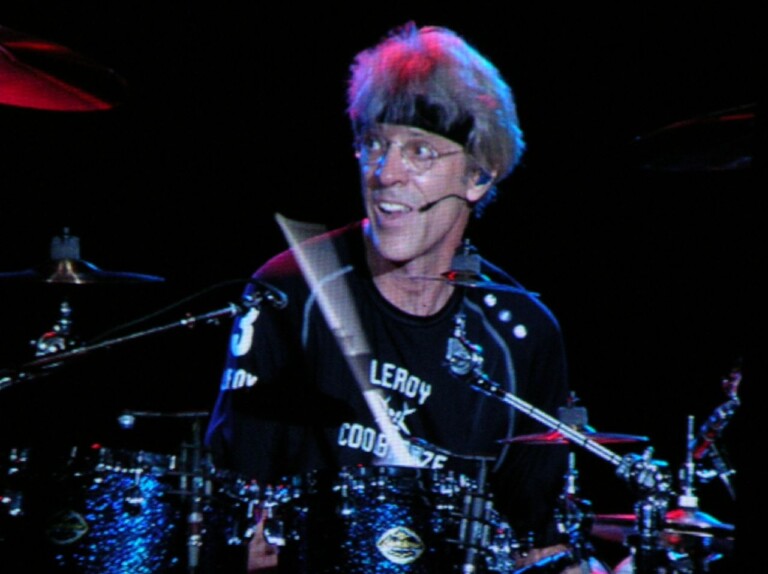
Stewart Copeland Says He and Sting ‘Get Along Just Fine’ Despite Royalty Lawsuit
The Police drummer Stewart Copeland opens up about his friendship with Sting, the ongoing royalty lawsuit in U.K. High Court, and calling himself ‘fully
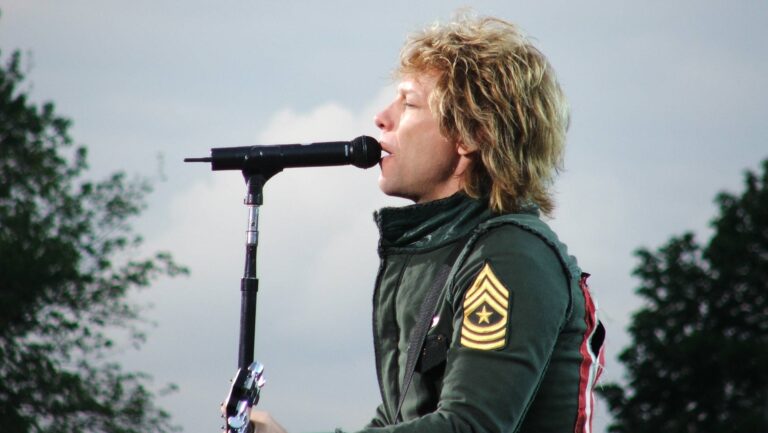
Jon Bon Jovi Declares Full Vocal Recovery, Announces Massive Tour Dates
Jon Bon Jovi says he’s ‘fully recovered’ from 2022 vocal cord surgery as Bon Jovi announce a nine-night MSG residency and UK/Ireland stadium shows for 2026.
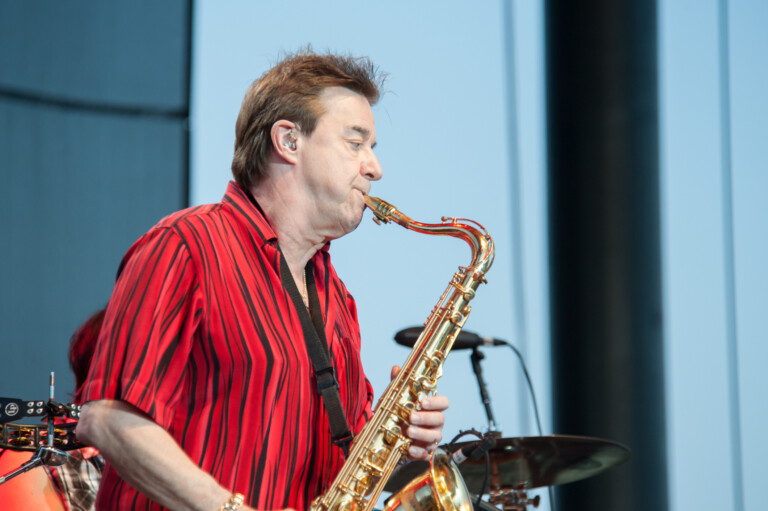
Walter Parazaider, Founding Saxophonist of Chicago, Dead at 81
Walter Parazaider, the founding saxophonist and creative architect of Chicago, died June 17 at 81 after a six-year battle with Alzheimer’s disease.
Rush Thanks Fans After Inglewood Opener
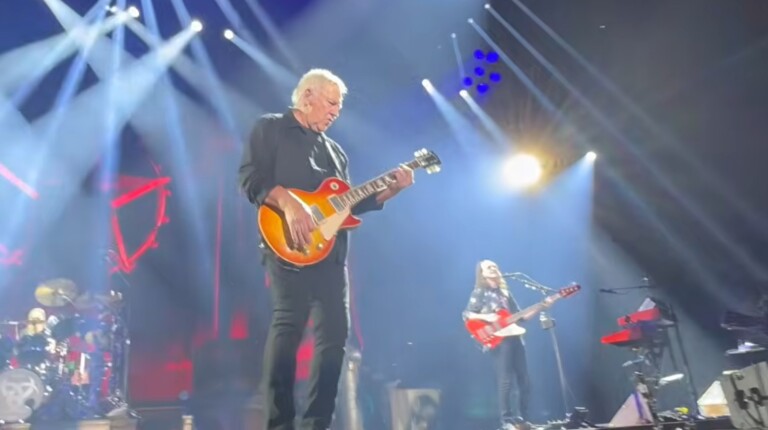
Rush kicked off the Fifty Something Tour in Inglewood with Alex Lifeson, Geddy Lee, and Anika Nilles. The band thanked fans after four opening nights.
Steve Miller Books Two Fall 2026 Concerts at NYC’s Rose Theatre
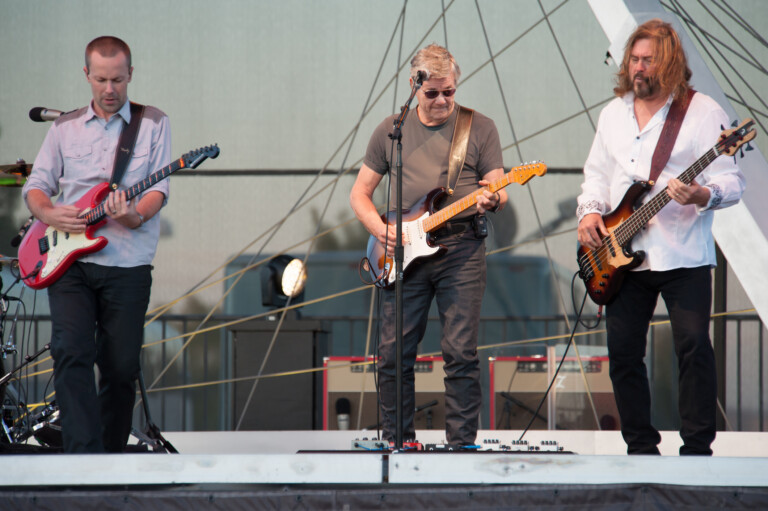
Steve Miller confirms two concerts at Frederick P. Rose Hall in New York City on Oct. 9 and 10, 2026, honoring his blues and jazz heroes.