

Billie Eilish’s Brother Finneas Was Tear-Gassed At ICE Protest
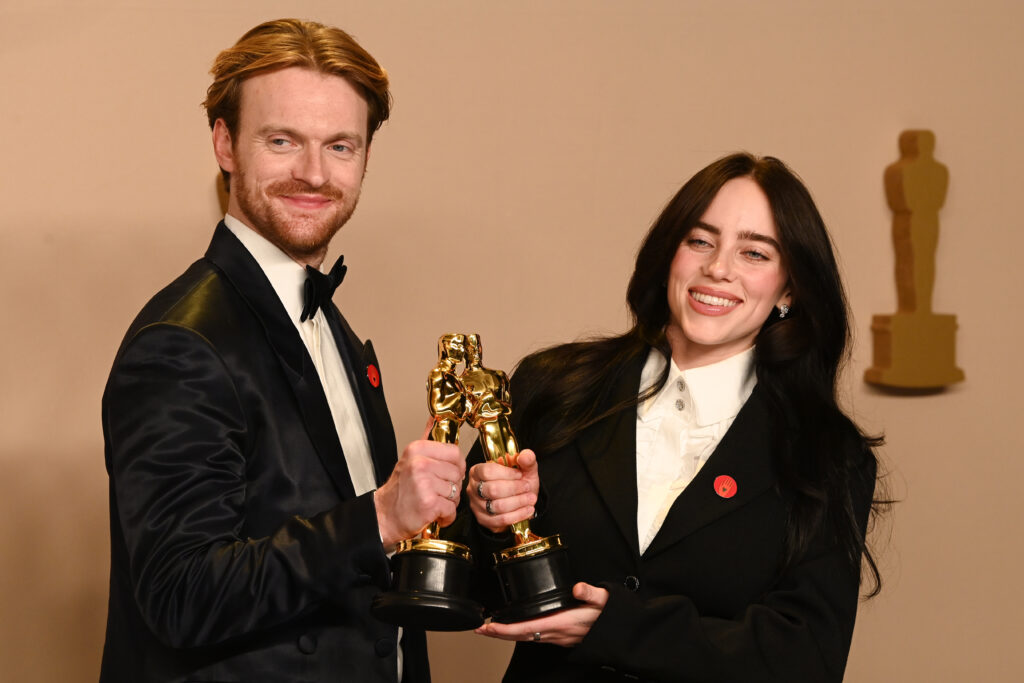
Recent protests in Los Angeles over alarming immigration raids have drawn significant attention due to the tear-gassing of Finneas O'Connell, the Grammy-winning artist and brother of pop icon Billie Eilish. Attending a demonstration against ICE actions, Finneas shared his disturbing experience on social media, commanding large followship and bringing his influential voice to a politically charged situation. His Instagram account revealed the chaos, as he described how he was tear-gassed almost immediately upon arrival at the protest, which he stressed was peaceful in nature. His accounts have sparked widespread media coverage, casting a spotlight on the increasing tension and militarized response from authorities.
The immigration raids that sparked the protests were part of a series of actions by ICE, which led to mass public dissent across Los Angeles. On the day of the protest, reported law enforcement actions were seen as excessively forceful, prompting outrage from both civilians and public figures alike. Approximately 2,000 National Guard troops were deployed by Presidential order, a move heavily criticized by California Governor Gavin Newsom as a breach of state sovereignty. The troops were intended to control the protests, which only seemed to escalate tensions and provoke further unrest, contradicting the administration's assertions that federal involvement was necessary for public safety.
The actions in Los Angeles have been part of a disturbing narrative in the recent weeks, with ICE's workplace raids inciting fear and havoc in immigrant communities. Public figures like Finneas have used their platforms to highlight the plight of those affected, offering support through advocacy and sharing critical information on resisting unconstitutional orders. This troubling situation has seen a rise in solidarity among celebrities and activists alike, with many urging authorities to reconsider their aggressive tactics and for citizens to remain vigilant against the erosion of constitutional rights.
This situation has naturally been widely scrutinized by various media outlets, amplifying calls for accountability and an end to the violence. Reports of tear gas and rubber bullets being fired indiscriminately at protestors have raised red flags about the methods employed by enforcement agencies. Journalists on scene, including reporter Lauren Tomasi, have found themselves in the crossfire, further exemplifying the fraught environment in which these protests are conducted. Such incidents serve as stark reminders of the importance of journalistic endeavors in shedding light on these controversial government actions.
The discourse surrounding these events has transcended local boundaries, feeding into a national debate on immigration policies and militarized responses to civil unrest. For instance, California's Governor Newsom has openly contested President Trump's decisions, arguing the National Guard deployment to Los Angeles as unnecessary and inflammatory. Such high-profile disagreements highlight underlying political rifts, stirring both state and national conversations on the legality and morality of these immigration enforcement strategies.
Finneas leveraging his influence is notable, as his presence adds to the growing chorus of voices demanding reform and humane treatment of immigrants. His personal account coupled with documented instances of escalation have galvanized support from a diverse swath of the public, encouraging calls for change across social platforms and media. The intersection of celebrity involvement and grassroots activism continues to play a significant role in drawing attention to pressing social justice issues and challenging state policies perceived as oppressive.
Key Takeaways
-
www.billboard.com | Finneas O'Connell was tear-gassed at a peaceful ICE protest in downtown Los Angeles after tensions escalated due to federal agents and military presence.
-
www.billboard.com | California's Governor Gavin Newsom criticized the deployment of the National Guard in Los Angeles as unconstitutional and inflaming tensions, following President Trump's orders.
-
www.hollywoodreporter.com | Mayor of Los Angeles, Karen Bass, stated the chaos in Los Angeles was provoked by the administration, stressing that their actions were not about public safety.
-
www.billboard.com | During the protests, immigrants were reportedly detained in basement holding areas of a federal building without prior notice, causing concern and increasing tensions at the site.
-
www.billboard.com | Finneas used his platform to advocate for immigrant rights and social justice, encouraging military personnel to resist unconstitutional orders during the protests.
TOP STORIES
RELATED ARTISTS

Related Stories
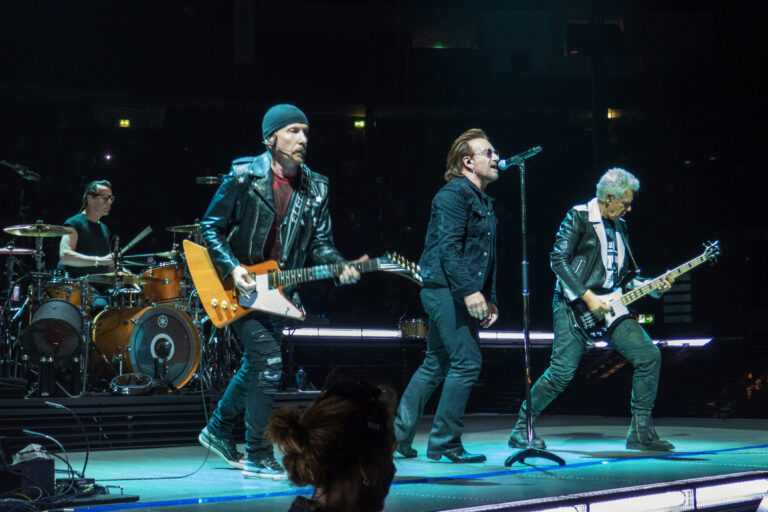
U2’s Bono and The Edge Move Obama to Tears at Presidential Center Opening
Bono and The Edge performed ‘City of Blinding Lights’ at the Barack Obama Presidential Center dedication in Chicago on June 18, visibly moving the former
Syd Barrett’s 80th Birthday Marked With Cambridge Concert and Star-Studded Tribute Album
A tribute concert at Cambridge Corn Exchange and a new album featuring Pink Floyd, David Gilmour, and David Bowie mark what would have been Syd Barrett’s 80th
Aimee Mann Nearly Skipped Rush Reunion Tour After Geddy Lee’s Email
Aimee Mann reveals she nearly passed on performing ‘Time Stand Still’ with Rush on their Fifty Something reunion tour after receiving an email from Geddy Lee.
Kirk Hammett Releases Official Video From Frankfurt ‘The Collection: Live’ Event
Kirk Hammett has shared an official video of his May 23 ‘The Collection: Live’ book event at Zoom Saal in Frankfurt, featuring a surprise jam with Robert
Stewart Copeland Says He and Sting ‘Get Along Just Fine’ Despite Royalty Lawsuit
The Police drummer Stewart Copeland opens up about his friendship with Sting, the ongoing royalty lawsuit in U.K. High Court, and calling himself ‘fully
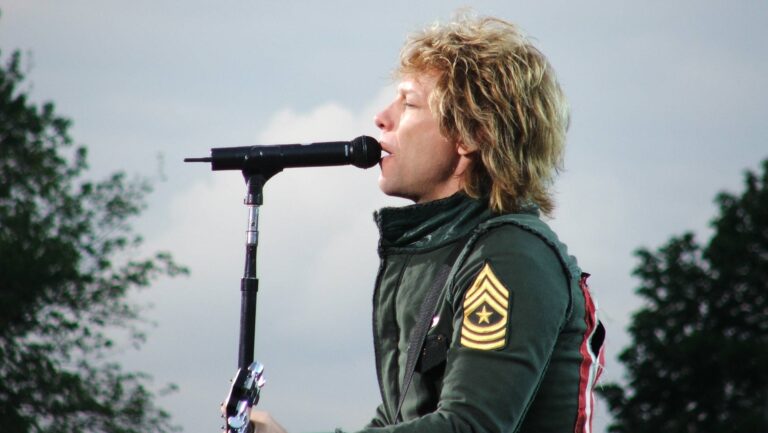
Jon Bon Jovi Declares Full Vocal Recovery, Announces Massive Tour Dates
Jon Bon Jovi says he’s ‘fully recovered’ from 2022 vocal cord surgery as Bon Jovi announce a nine-night MSG residency and UK/Ireland stadium shows for 2026.
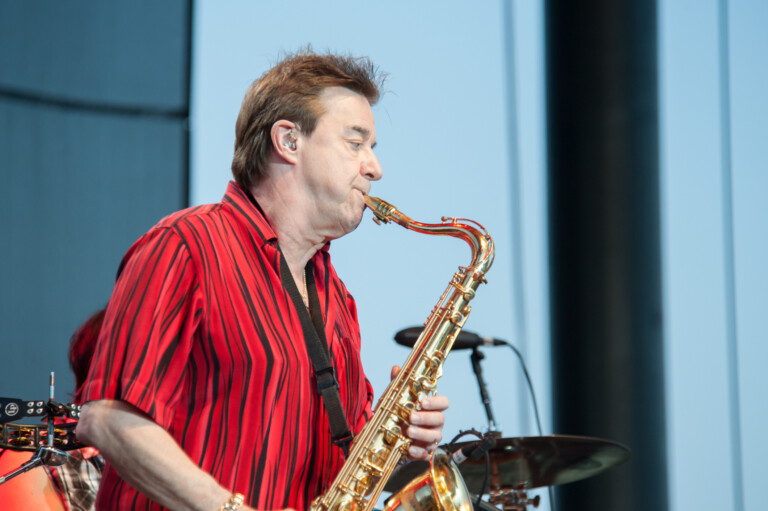
Walter Parazaider, Founding Saxophonist of Chicago, Dead at 81
Walter Parazaider, the founding saxophonist and creative architect of Chicago, died June 17 at 81 after a six-year battle with Alzheimer’s disease.
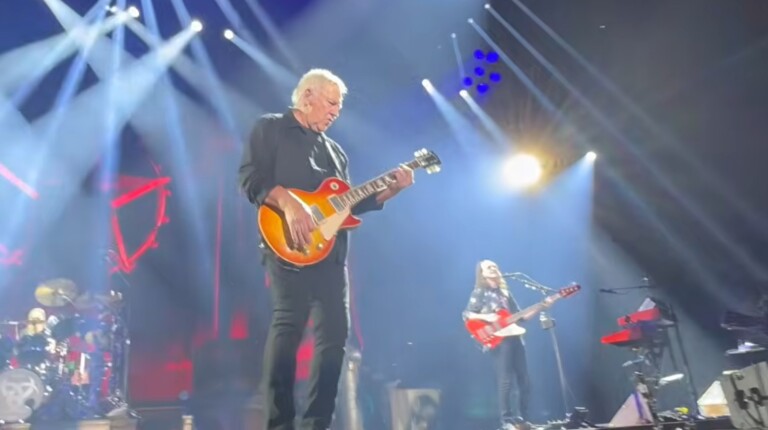
Rush Thanks Fans After Inglewood Opener
Rush kicked off the Fifty Something Tour in Inglewood with Alex Lifeson, Geddy Lee, and Anika Nilles. The band thanked fans after four opening nights.
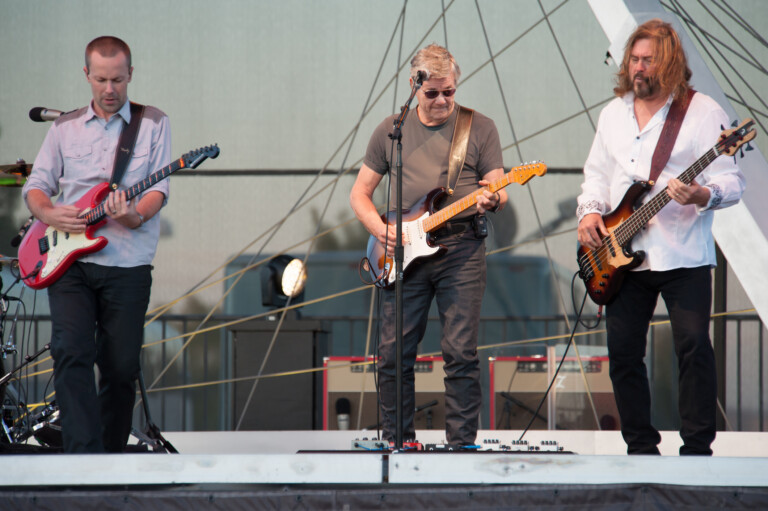
Steve Miller Books Two Fall 2026 Concerts at NYC’s Rose Theatre
Steve Miller confirms two concerts at Frederick P. Rose Hall in New York City on Oct. 9 and 10, 2026, honoring his blues and jazz heroes.