

Alexa Ray Joel Says Billy Joel Tried to Reassure Her After Onstage Fall, but She Was “Crying”
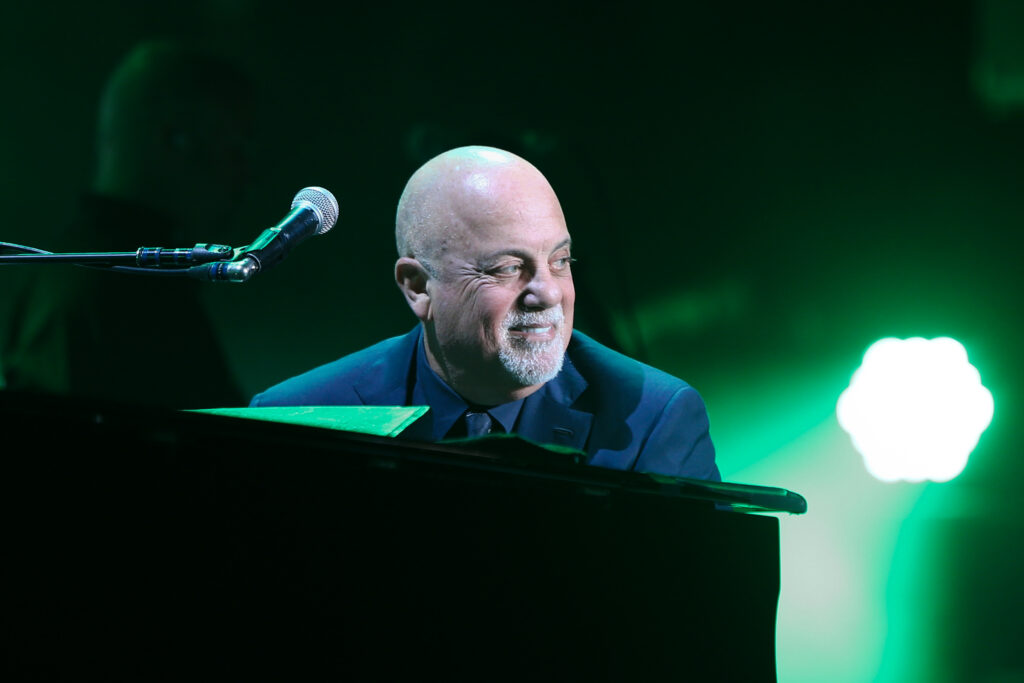
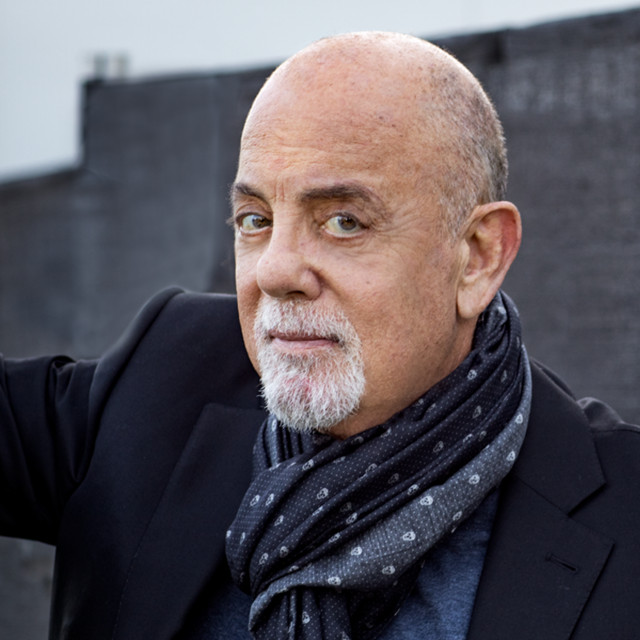
Alexa Ray Joel has offered a more personal look at the health scare that rattled Billy Joel fans this year, saying her father tried to calm her down after he fell during a performance, while she privately reacted with fear after seeing the footage.
In interviews published this week, Alexa Ray said Billy Joel “played it down” in their immediate conversations. She said she still found the moment deeply upsetting, describing herself as emotional after watching the video and making clear that the family treated the situation with more seriousness than his first reassurance suggested.
Alexa Ray Joel’s comments add family context to a public moment
Alexa Ray spoke candidly about her reaction to the fall and her father’s instinct to reduce alarm. The split between those two responses is familiar in artist families: one side tries to lower panic in real time, while the other sees the incident in the larger context of health, age, and workload.
Her comments are significant because they shift the story from viral clip culture to family-level reality. Instead of framing the fall as isolated internet drama, she frames it as an event that carried emotional weight at home, even as Billy Joel tried to signal control and composure.
How this fits into Billy Joel’s broader health timeline
The concern around the fall did not emerge in a vacuum. Billy Joel had already disclosed a diagnosis of normal pressure hydrocephalus (NPH), a neurological condition that can affect balance and other functions. That context helps explain why a single onstage stumble became a major fan conversation rather than a routine performance mishap.
Joel also canceled tour dates after publicly discussing his condition, which raised the stakes around any new footage tied to mobility or stamina. In that environment, Alexa Ray’s remarks read less like tabloid color and more like a window into how the family has been processing the same concerns fans have been debating in public.
What Alexa Ray’s remarks do and do not confirm
Her interviews confirm two clear points: first, Billy Joel initially attempted to reassure her after the incident; second, she did not experience the event as trivial once she reviewed what happened. That dual perspective matters because it captures the difference between immediate artist response and later family assessment.
What her comments do not do is offer a detailed new medical update. They are not a replacement for direct clinical statements, and they do not establish any new treatment benchmark by themselves. The strongest editorial reading is narrower and more useful: the family appears actively engaged, emotionally alert, and realistic about the seriousness of this chapter.
Why this matters for legacy-artist coverage
Coverage of veteran artists often swings between two extremes: minimization or alarmism. Alexa Ray Joel’s comments push the conversation toward a more grounded middle. She acknowledges her father’s effort to keep things calm, while refusing to pretend the incident was meaningless.
For music journalism, that is the right frame. The story is neither about exploiting a vulnerable moment nor pretending concern is overblown. It is about documenting how a major legacy artist and his family are navigating a difficult period in public view, with fans watching closely for signs of stability, recovery, and next steps.
The practical takeaway is straightforward. Billy Joel remains a central figure for multi-generational audiences, and any onstage health incident will continue to carry outsized attention. Alexa Ray’s remarks give that attention needed context: reassurance on one side, honest worry on the other, and a family treating the issue as real.
Related Stories
U2’s Bono and The Edge Move Obama to Tears at Presidential Center Opening
Bono and The Edge performed ‘City of Blinding Lights’ at the Barack Obama Presidential Center dedication in Chicago on June 18, visibly moving the former
Syd Barrett’s 80th Birthday Marked With Cambridge Concert and Star-Studded Tribute Album
A tribute concert at Cambridge Corn Exchange and a new album featuring Pink Floyd, David Gilmour, and David Bowie mark what would have been Syd Barrett’s 80th
Aimee Mann Nearly Skipped Rush Reunion Tour After Geddy Lee’s Email
Aimee Mann reveals she nearly passed on performing ‘Time Stand Still’ with Rush on their Fifty Something reunion tour after receiving an email from Geddy Lee.
Kirk Hammett Releases Official Video From Frankfurt ‘The Collection: Live’ Event
Kirk Hammett has shared an official video of his May 23 ‘The Collection: Live’ book event at Zoom Saal in Frankfurt, featuring a surprise jam with Robert
Stewart Copeland Says He and Sting ‘Get Along Just Fine’ Despite Royalty Lawsuit
The Police drummer Stewart Copeland opens up about his friendship with Sting, the ongoing royalty lawsuit in U.K. High Court, and calling himself ‘fully
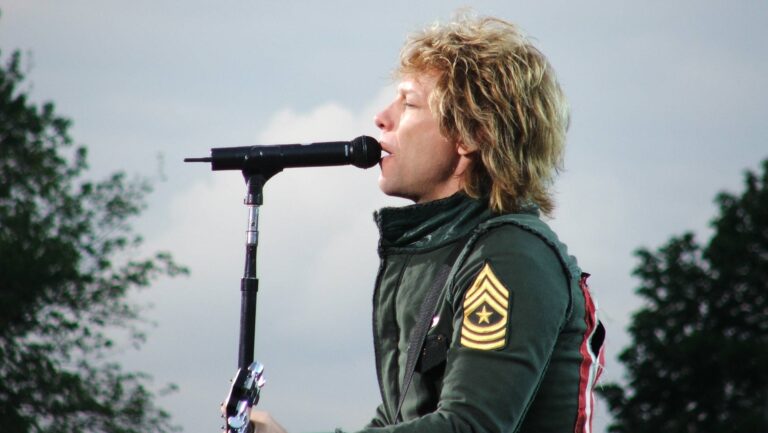
Jon Bon Jovi Declares Full Vocal Recovery, Announces Massive Tour Dates
Jon Bon Jovi says he’s ‘fully recovered’ from 2022 vocal cord surgery as Bon Jovi announce a nine-night MSG residency and UK/Ireland stadium shows for 2026.
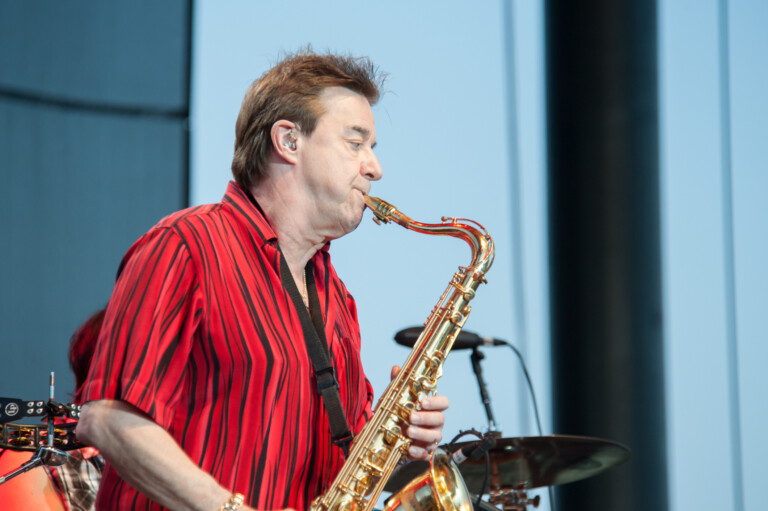
Walter Parazaider, Founding Saxophonist of Chicago, Dead at 81
Walter Parazaider, the founding saxophonist and creative architect of Chicago, died June 17 at 81 after a six-year battle with Alzheimer’s disease.
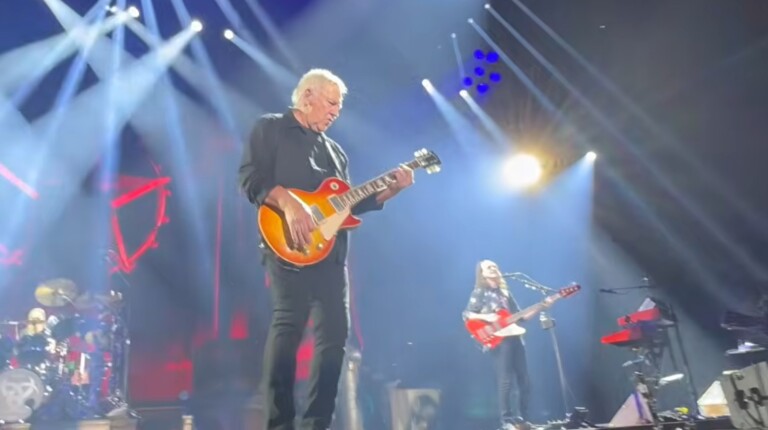
Rush Thanks Fans After Inglewood Opener
Rush kicked off the Fifty Something Tour in Inglewood with Alex Lifeson, Geddy Lee, and Anika Nilles. The band thanked fans after four opening nights.
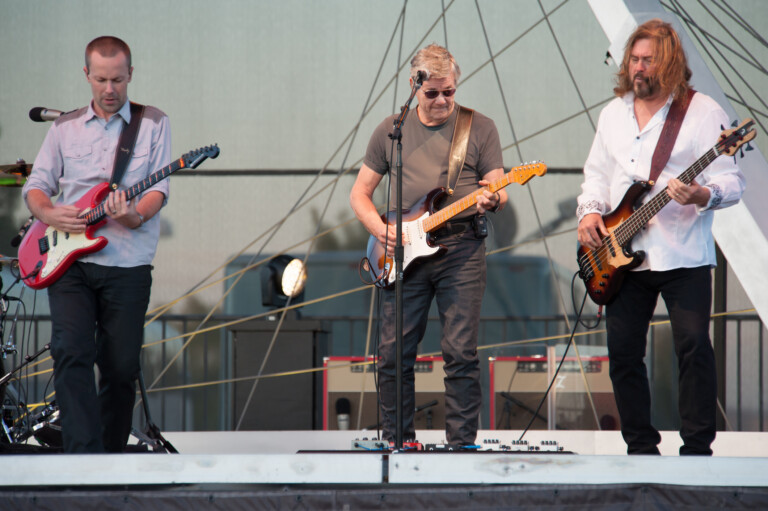
Steve Miller Books Two Fall 2026 Concerts at NYC’s Rose Theatre
Steve Miller confirms two concerts at Frederick P. Rose Hall in New York City on Oct. 9 and 10, 2026, honoring his blues and jazz heroes.