

Paul McCartney at the Fonda: What Actually Happened at the March 28 Hollywood Show
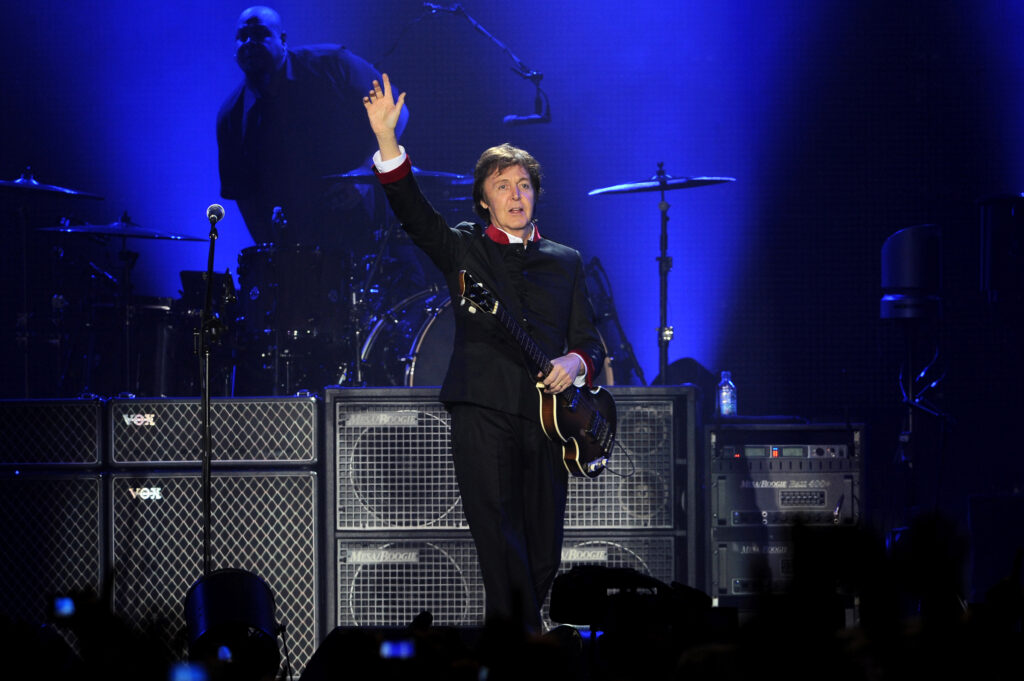
Paul McCartney’s March 28 stop at the Fonda Theatre in Hollywood was the kind of show that reminds you why scale and impact are not the same thing. In a room that holds roughly 1,200 people, McCartney delivered a 24-song set that pulled from the Beatles, Wings, and his solo catalog with the confidence of an artist who still thinks in complete set arcs, not nostalgia fragments. According to the posted set details, doors opened at 6:30 p.m., the show was scheduled for 8:00, and McCartney took the stage at 8:10. From there, he ran a tight, high-value performance that felt curated for listeners who care about both legacy and songcraft.
The first major statement came immediately: he opened with “Help!” That choice matters. The song is one of the Beatles’ most recognizable recordings, but it is also structurally sharp, harmonically efficient, and emotionally loaded. As an opener, it set an urgent tone and signaled that this was not going to be a low-stakes warmup in a smaller room. It was a serious performance from the first bar.
He followed with “Coming Up,” then moved into “Got to Get You Into My Life” and “Let Me Roll It,” a sequence that bridged eras without losing momentum. This is one of McCartney’s enduring strengths as a live performer: he can move from Beatles material to Wings and solo work without the show feeling segmented. At the Fonda, that flow was one of the night’s biggest wins.
The middle stretch of the set balanced muscle and melody. “Getting Better” and “Let ’Em In” kept the crowd in sing-along territory, while “My Valentine” and “Maybe I’m Amazed” brought the emotional center into focus. “Nineteen Hundred and Eighty-Five” gave the band room to expand dynamically, and “I’ve Just Seen a Face” and “Every Night” added intimacy that played especially well in a theater context.
A key pivot came with “From Me to You” and “Blackbird,” which shifted the room from celebration to reflection. Then McCartney performed “Now and Then,” the Beatles’ late-period release that carries unusual emotional weight because of its history and production lineage. In this setting, “Now and Then” did not feel like a novelty add-on. It felt integrated into the narrative of the set, a bridge between archival legacy and present-tense performance.
The final run of the main set leaned into pure catalog authority: “Lady Madonna,” “Something,” “Band on the Run,” “Ob-La-Di, Ob-La-Da,” “Get Back,” “Let It Be,” and “Hey Jude.” There is no version of modern popular music history where that stretch is not heavyweight material. In a club-sized room, those songs hit differently, less like stadium ritual and more like direct communication between stage and audience.
McCartney closed with the Abbey Road side-two sequence, “Golden Slumbers,” “Carry That Weight,” and “The End.” For anyone who has tracked Beatles set-construction references over the years, this is one of the most effective possible endings because it lands with finality while still feeling celebratory. “The End” remains one of rock’s most elegant closing statements, and it worked exactly that way at the Fonda.
What made this show stand out was not only the title list, but the design behind it. The set was 24 songs, heavily weighted toward Beatles compositions, with selective emphasis on solo and Wings cuts that served pacing rather than checklist fulfillment. It read like a veteran artist choosing songs for narrative function: open with urgency, broaden the time line, introduce vulnerability, then close with material that carries communal resonance.
From a rock-journalism perspective, the bigger takeaway is that McCartney continues to perform like a working bandleader, not a ceremonial icon. He still understands tempo psychology, vocal pacing, and the value of sequencing songs so emotional peaks arrive with intention. The Fonda show reinforced that his live legacy is not just about having written classic songs. It is about knowing how to deploy them in real time.
For Los Angeles, the night also carried symbolic weight. The city has hosted every version of McCartney’s modern career, from giant outdoor productions to theater-scale surprises, and the Fonda date added another chapter to that history. A globally recognized artist choosing an intimate Hollywood room for a full, career-spanning set is not just a flex. It is a reminder that rock performance, at its best, is still about craft in the room.
In short, this was not a cameo and not a nostalgia lap. It was a complete McCartney show on a smaller stage, built around a setlist with real internal logic and delivered with the confidence of someone who still treats live music as a living discipline. For the fans inside the Fonda on March 28, that was the headline.
Setlist (March 28, 2026 – The Fonda Theatre, Los Angeles)
- Help!
- Coming Up
- Got to Get You Into My Life
- Let Me Roll It
- Getting Better
- Let ‘Em In
- My Valentine
- Nineteen Hundred and Eighty-Five
- Maybe I'm Amazed
- I've Just Seen a Face
- Every Night
- From Me to You
- Blackbird
- Now and Then
- Lady Madonna
- Something
- Band on the Run
- Ob-La-Di, Ob-La-Da
- Get Back
- Let It Be
- Hey Jude
(Encore) - Golden Slumbers
- Carry That Weight
- The End
Related Stories
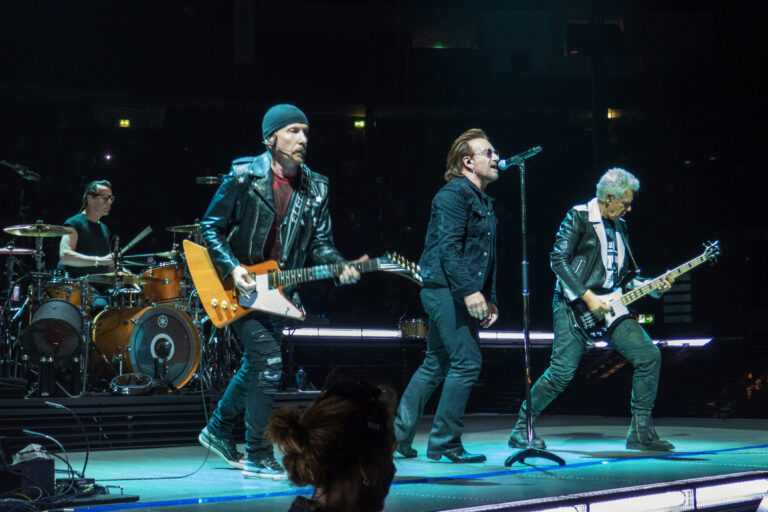
U2’s Bono and The Edge Move Obama to Tears at Presidential Center Opening
Bono and The Edge performed ‘City of Blinding Lights’ at the Barack Obama Presidential Center dedication in Chicago on June 18, visibly moving the former
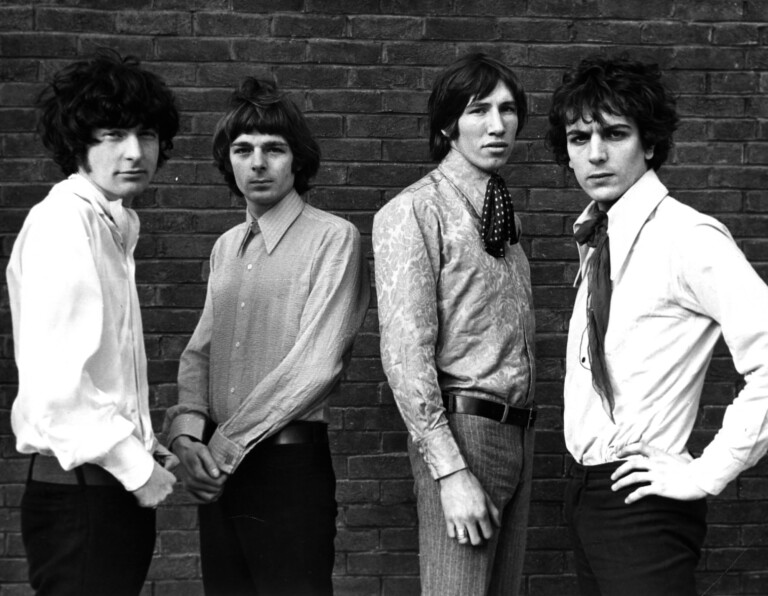
Syd Barrett’s 80th Birthday Marked With Cambridge Concert and Star-Studded Tribute Album
A tribute concert at Cambridge Corn Exchange and a new album featuring Pink Floyd, David Gilmour, and David Bowie mark what would have been Syd Barrett’s 80th
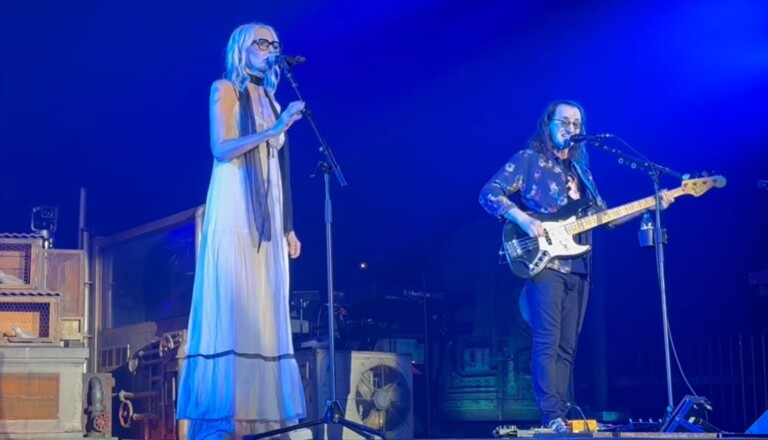
Aimee Mann Nearly Skipped Rush Reunion Tour After Geddy Lee’s Email
Aimee Mann reveals she nearly passed on performing ‘Time Stand Still’ with Rush on their Fifty Something reunion tour after receiving an email from Geddy Lee.
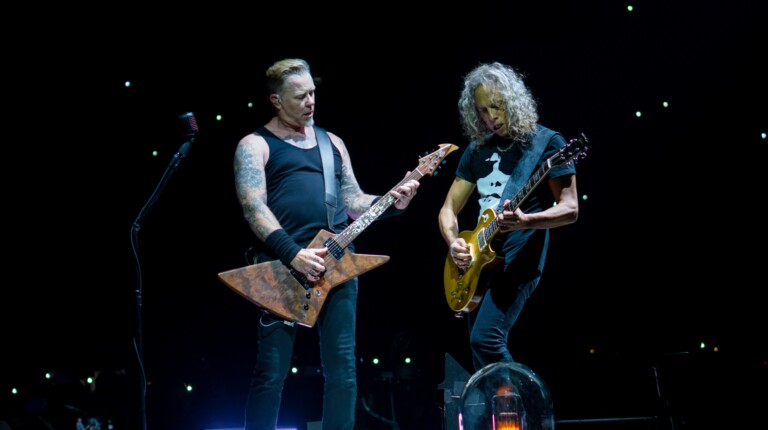
Kirk Hammett Releases Official Video From Frankfurt ‘The Collection: Live’ Event
Kirk Hammett has shared an official video of his May 23 ‘The Collection: Live’ book event at Zoom Saal in Frankfurt, featuring a surprise jam with Robert
Stewart Copeland Says He and Sting ‘Get Along Just Fine’ Despite Royalty Lawsuit
The Police drummer Stewart Copeland opens up about his friendship with Sting, the ongoing royalty lawsuit in U.K. High Court, and calling himself ‘fully
Jon Bon Jovi Declares Full Vocal Recovery, Announces Massive Tour Dates
Jon Bon Jovi says he’s ‘fully recovered’ from 2022 vocal cord surgery as Bon Jovi announce a nine-night MSG residency and UK/Ireland stadium shows for 2026.
Walter Parazaider, Founding Saxophonist of Chicago, Dead at 81
Walter Parazaider, the founding saxophonist and creative architect of Chicago, died June 17 at 81 after a six-year battle with Alzheimer’s disease.
Rush Thanks Fans After Inglewood Opener
Rush kicked off the Fifty Something Tour in Inglewood with Alex Lifeson, Geddy Lee, and Anika Nilles. The band thanked fans after four opening nights.
Steve Miller Books Two Fall 2026 Concerts at NYC’s Rose Theatre
Steve Miller confirms two concerts at Frederick P. Rose Hall in New York City on Oct. 9 and 10, 2026, honoring his blues and jazz heroes.