

Metallica Shoots Down US Military Drone Video in Copyright Row
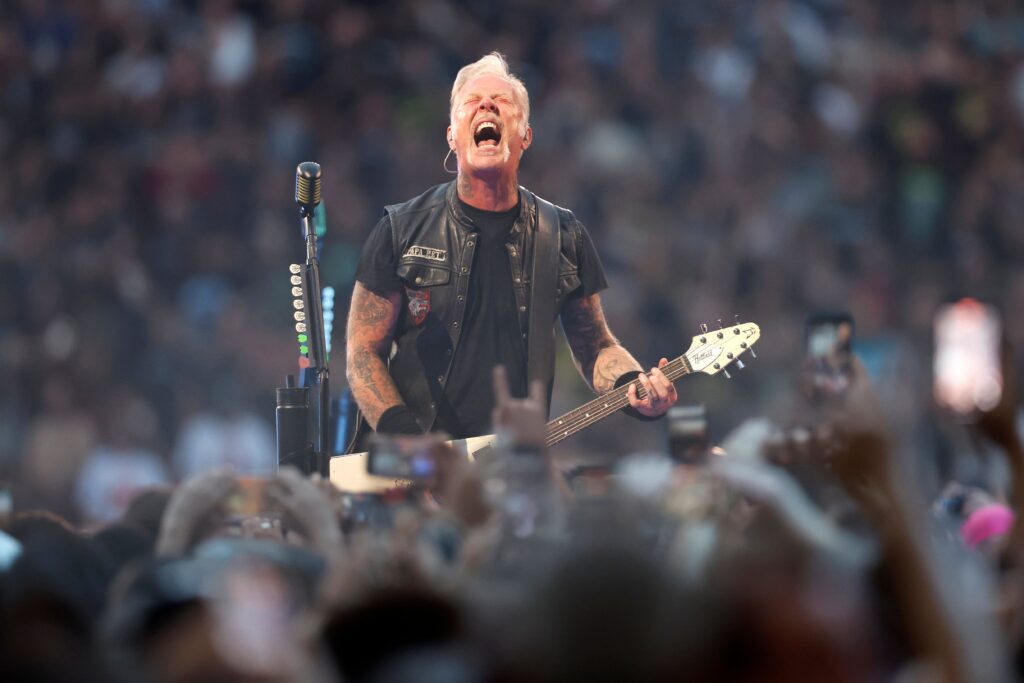
The recent incident involving the Pentagon and Metallica underscores the ever-present challenges posed by copyright laws, even at the highest levels of government. A promotional video for the U.S. government's drone initiative, which featured Defense Secretary Pete Hegseth, faced swift action from Metallica when it used their iconic song “Enter Sandman” without the band’s approval. This situation not only highlighted the strict adherence to copyright laws that even governmental entities must respect but also reinforced Metallica's vigilant protection of their intellectual property rights.
Initially uploaded to the Department of Defense’s social media account, the video showcased Hegseth promoting the Trump administration’s efforts to spearhead drone production and streamline bureaucratic processes. In an ambitious tone, he touted, “We’re in the fight to win it, and we’re never gonna back down,” as a drone holding a memo symbolically demonstrated this advancement. However, the backdrop of such a powerful statement was tainted by the unauthorized use of Metallica’s music, leading to the band's legal team promptly demanding its removal. The Pentagon’s subsequent compliance with this demand involved deleting the video, editing out the song, and re-uploading it without any background music.
This incident is a reminder of the influence that bands like Metallica hold in the music industry. Known for not taking lightly the unauthorized use of their work, Metallica has previously been involved in notable legal battles, the most famous being their lawsuit against Napster in the early 2000s. Their strict stance against unauthorized distribution or use of their music has set significant legal precedents, and the recent case with the Pentagon bolsters their reputation for diligently protecting their intellectual property.
The video had initially been met with criticism and was described by some internet users as “cringe,” a sentiment that was marred further by the copyright controversy. Public backlashes and legal ramifications, however, are not new to the U.S. Department of Defense or the Trump administration, both of which have faced criticism for similar activities in the past. Donald Trump’s rallies have frequently come under scrutiny for using music without proper authorizations, drawing criticism and legal threats from artists who preferred their art not be associated with his political endeavors.
Moreover, Metallica’s music, uniquely intertwined with themes of defiance and power, has sometimes been controversially used in military contexts, allegedly to ‘soften' detainees during the Iraq War. Such uses have been publicly rejected by the band, who have explicitly stated their desire not to have their music promote violence or military actions. This expansive history of their music's misuse accentuates the need for stringent measures to ensure music is utilized according to the artists’ consent, reflecting the need for more robust protocols in media usage, not only in political spheres but across all platforms.
The case unfolds at a time when the music industry is increasingly vigilant about intellectual property rights, ensuring that artists are duly respected and credited for their work. Given Metallica's historical success in legal entanglements against unauthorized usage, their swift reaction to the Pentagon's oversight is consistent with their established stance. This proactive approach by Metallica serves as a critical cautionary tale for organizations, noting the importance of obtaining proper permissions and licenses for all content used in public and private media.
In closing, d, reflecting on the broader cultural and legal implications of the incident. By asserting their rights, they have once again illustrated the power of music as intellectual property and the necessity for all entities, regardless of their size or political clout, to respect and adhere to legal copyright standards. As digital content continues to be a central part of communication and propaganda strategies in modern governance and beyond, such cases underscore the necessity of legal compliance and the protection of artistic integrity.
Key Takeaways
-
www.newsweek.com | The Pentagon was forced to remove Metallica's song 'Enter Sandman' from a drone promotion video after Metallica objected due to unauthorized use.
-
www.rollingstone.com | Metallica has previously taken legal action to protect their music, including a notable lawsuit against Napster in 2000.
-
www.yahoo.com | The controversial video featured Donald Trump's Secretary of Defense Pete Hegseth promoting U.S. drone capabilities.
-
www.billboard.com | After removal of the song, the Pentagon reposted the video without any background music.
-
www.rollingstone.com | The use of Metallica's music without permission has been an ongoing issue, previously arising during Trump's election campaigns.
-
www.mediaite.com | Defense Secretary Pete Hegseth highlighted the new directive aimed at enhancing American drone technology and production.

Related Stories

Twisted Sister Expands Fall 2026 Tour With Sebastian Bach, Adds Three New Dates
Twisted Sister has added three new fall 2026 tour dates with Sebastian Bach on vocals, bringing the total to nine shows. Presale begins June 25 with code
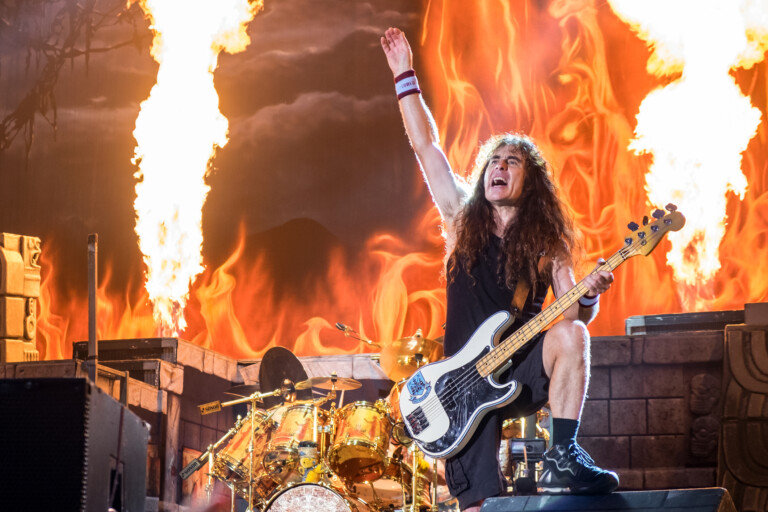
Iron Maiden Issues Statement After Power Outage Derails Paris Concert Film
Iron Maiden issued a statement after a citywide power outage cut short their phone-free Paris concert at La Défense Arena on June 22, disrupting a planned

Daryl Hall Reveals Kidney Transplant, Says Doctors Called It a Complete Success
Daryl Hall revealed he received a living-donor kidney transplant a couple of weeks ago and says doctors called it a complete success. He expects to return to
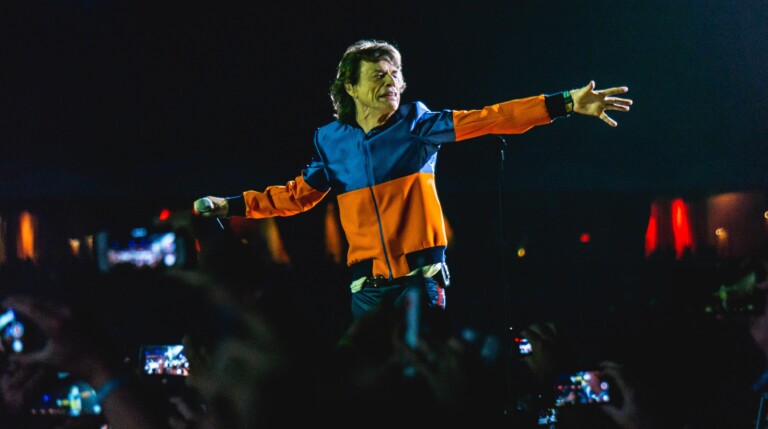
Mick Jagger Names Favorite Stones Albums and Takes a Shot at Some Girls
Mick Jagger names Sticky Fingers and Beggars Banquet as favorites, takes a swipe at Some Girls, and previews the band’s upcoming album Foreign Tongues.

Stevie Nicks to Appear at Daisy Chain Fields: Olivia Rodrigo’s All Woman Music Festival
Olivia Rodrigo’s inaugural Daisy Chain Fields festival at Great Park, Irvine on Aug. 29 features Stevie Nicks, Chappell Roan, Bikini Kill, Garbage, Doechii and
Buddy Guy’s 90th Concert at Radio City Music Hall Features Clapton, Mayer, Gibbons, and More
Buddy Guy turns 90 on July 30 and celebrates with an all-star concert at Radio City Music Hall on Oct. 1, featuring Eric Clapton, John Mayer, Billy Gibbons and

Clive Davis, Legendary Music Executive Who Shaped Pop History, Dies at 94
Clive Davis, the record executive behind Whitney Houston, Bruce Springsteen, and Alicia Keys, died Monday at his Manhattan home. He was 94.
Iron Maiden Enforce Phone-Free Zone at Paris Show for Run For Your Lives Tour Film
Iron Maiden are enforcing a Yondr pouch phone-free standing area at their June 22 Paris La Défense Arena show, filmed for the Run For Your Lives Tour concert

31 Music Groups Warn Labels and Publishers to Stop Misusing Artist Rights in AI Deals
A coalition of 31 organizations warns record labels and publishers to stop negotiating AI deals without meaningful consent from artists and songwriters.