

R. Kelly’s Attorneys Accuse Feds of Plotting to Kill Him
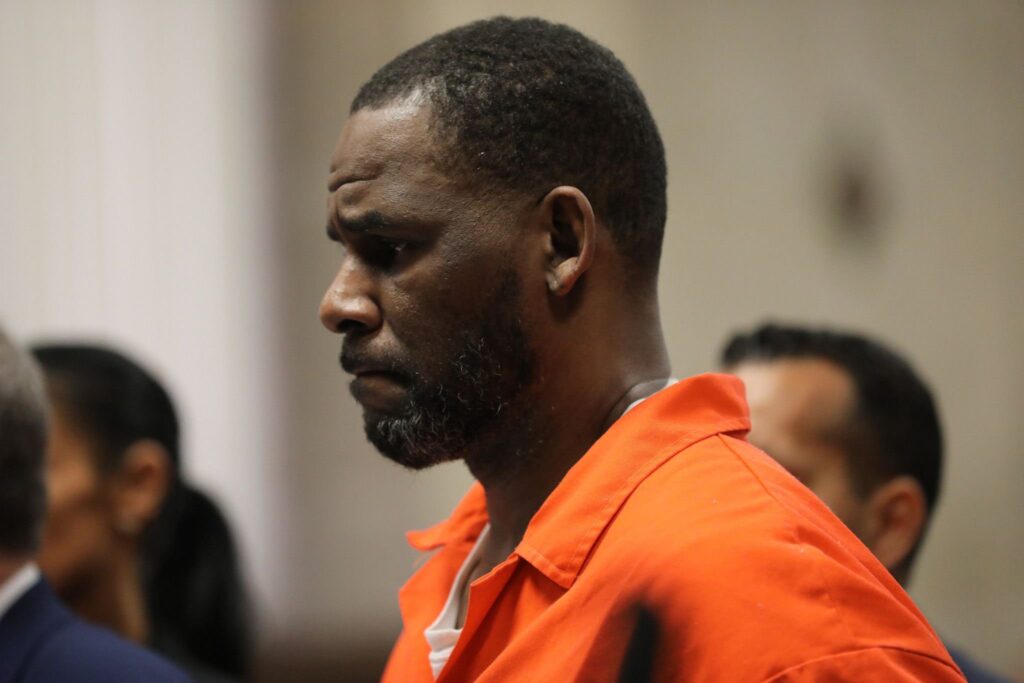
R. Kelly's legal saga has taken a dramatic turn as his attorneys have filed an emergency motion for his release from prison, claiming a sinister plot to murder him orchestrated by prison officials. The controversial R&B singer, who is serving a 30-year sentence at the Federal Correctional Institution in Butner, North Carolina, finds his life allegedly threatened by a murder scheme backed by government officials. Central to this explosive claim is an affidavit from an inmate, Mikeal Glenn Stine. According to Stine, prison authorities solicited him, offering freedom in exchange for assassinating Kelly, allegedly as part of a broader effort to conceal constitutional violations linked to Kelly’s legal battles.
The emergency motion submitted by Kelly's legal team cites these threats as a severe and ongoing danger to the singer's life, urging immediate transfer to home detention to ensure his safety. Details of the alleged plot come amid Kelly's extensive legal issues. Convicted in 2021 for multiple charges related to sexual exploitation and abuse of minors, his sentence consolidated 30 years for sex trafficking in New York with 20 years from a Chicago conviction running concurrently. Despite these convictions, Kelly's lawyers argue his continued imprisonment under such circumstances amounts to cruel and unusual punishment, violating his Eighth Amendment rights.
Stine, known for his affiliations with the Aryan Brotherhood, claims that he was approached by three senior officials from the Bureau of Prisons with a plan to murder Kelly. Stine asserts that he was offered an opportunity to evade incarceration in his final days, leveraging his terminal cancer diagnosis, to commit the act. Instead of complying, Stine reportedly had a change of heart, informed Kelly of the plot, and now claims his own safety is compromised for revealing the scheme. This turn of events leads Kelly's lead defense attorney, Beau Brindley, to suggest government manipulation to suppress evidence and maintain substantial misconduct under wraps.
This multifaceted case continues to grab headlines not just for its serious nature but also because it intertwines with broader narratives of alleged systemic failures and possible corruption within the penal system. Kelly's legal team contends that communications between Kelly and his legal team were unethically intercepted and possibly used to coerce false testimony against him. These alleged acts of misconduct stand at the core of their argument for imminent release, barring adequate safety measures being enacted within the prison system.
Furthermore, Kelly’s attorneys have taken an outlier approach by directly appealing to former President Donald Trump for intervention, citing his history of confronting similar types of institutional corruption. Although Trump is yet to publicly respond, the defense believes his influence may pivotally sway the decision for an unprecedented release. As these developments unfold, they cast a broader light on the complexities and inherent issues related to high-profile incarcerations and the legal battles that follow them.
The Bureau of Prisons has yet to comment on these allegations, and federal prosecutors have not offered immediate responses to the claims outlined in the motion. Meanwhile, public sentiment remains mixed, balancing between those empathetic to Kelly's purported plight and others recalling the gravity of his convictions. Kelly's case illustrates the often tumultuous intersection of celebrity, crime, and the legal system, continuously challenging protocols of justice, safety, and reform within the United States' prison infrastructure. As Kelly awaits further court deliberations, the spotlight remains on whether this will prompt systemic investigations into the alleged abuses of power within the prison system.
Key Takeaways
-
www.digitalmusicnews.com | Inmate Mikeal Glenn Stine, allegedly solicited by officials to kill Kelly, warned the singer about the plot instead of carrying it out.
-
www.courttv.com | R. Kelly's lawyers claim that several Aryan Brotherhood members have been approached to execute him in prison after the initial plan failed.
-
www.cbsnews.com | The alleged murder plot is claimed to be an attempt to prevent Kelly from exposing illegal interceptions of attorney-client communications.
-
abc7chicago.com | R. Kelly's attorney, Beau Brindley, has publicized the murder plot and called for President Trump's intervention for Kelly's release.
TOP STORIES
RELATED ARTISTS
Related Stories
Clive Davis, Legendary Music Executive Who Shaped Pop History, Dies at 94
Clive Davis, the record executive behind Whitney Houston, Bruce Springsteen, and Alicia Keys, died Monday at his Manhattan home. He was 94.
Iron Maiden Enforce Phone-Free Zone at Paris Show for Run For Your Lives Tour Film
Iron Maiden are enforcing a Yondr pouch phone-free standing area at their June 22 Paris La Défense Arena show, filmed for the Run For Your Lives Tour concert

31 Music Groups Warn Labels and Publishers to Stop Misusing Artist Rights in AI Deals
A coalition of 31 organizations warns record labels and publishers to stop negotiating AI deals without meaningful consent from artists and songwriters.
Kirk Hammett Falls Off Stage in Dublin Days After Taylor Swift T-Shirt Backlash
Metallica guitarist Kirk Hammett fell off the stage at Aviva Stadium in Dublin on June 19 during ‘Seek & Destroy,’ days after Swifties targeted him over a
Rod Stewart Requires Oxygen Tank After Nearly Fainting Onstage in Utah
Rod Stewart nearly fainted during a concert at Utah First Credit Union Amphitheatre, requiring an oxygen tank before finishing the show seated.
U2’s Bono and The Edge Move Obama to Tears at Presidential Center Opening
Bono and The Edge performed ‘City of Blinding Lights’ at the Barack Obama Presidential Center dedication in Chicago on June 18, visibly moving the former
Syd Barrett’s 80th Birthday Marked With Cambridge Concert and Star-Studded Tribute Album
A tribute concert at Cambridge Corn Exchange and a new album featuring Pink Floyd, David Gilmour, and David Bowie mark what would have been Syd Barrett’s 80th
Aimee Mann Nearly Skipped Rush Reunion Tour After Geddy Lee’s Email
Aimee Mann reveals she nearly passed on performing ‘Time Stand Still’ with Rush on their Fifty Something reunion tour after receiving an email from Geddy Lee.
Kirk Hammett Releases Official Video From Frankfurt ‘The Collection: Live’ Event
Kirk Hammett has shared an official video of his May 23 ‘The Collection: Live’ book event at Zoom Saal in Frankfurt, featuring a surprise jam with Robert