

Songwriters Boycott Spotify’s Grammy Event Over Unfair Pay

A significant movement is underway in the music industry as prominent songwriters are boycotting Spotify’s Grammy celebration event. This movement addresses a pervasive issue: unfair pay structures within streaming platforms. Songwriters like Jessi Alexander, Amy Allen, Jessie Jo Dillon, and RAYE have publicly declared their decision to protest against Spotify. These artists have emphasized the necessity of equitable compensation for their work, reinforcing a broader dialogue about songwriter rights. Their collective action sends a strong message about the need for change within the industry, particularly concerning how platforms like Spotify pay songwriters.
The catalyst for this boycott is Spotify’s recent changes in its subscription model, which resulted in a significant decrease in royalty payments for creators. By bundling audiobooks with its premium music service, Spotify has reclassified its offerings under a single subscription, effectively lowering the royalty rates for the music streamed on its platform. This change has been criticized sharply by the songwriting community as it reduces their earnings dramatically—by an estimated $150 million over 12 months. Many artists, such as Dillon and Allen, have spoken out against these policies, voicing that while personal recognition is appreciated, more crucially, fair payment for their art is long overdue.
Numerous industry figures have supported the boycotting songwriters, voicing their dissatisfaction with Spotify's payment practices. This includes statements from artist RAYE, who, notable for her advocacy, emphasized the importance of maintaining an open dialogue about pay equity. Although she never planned to attend the event, her support for the boycott underscores the pervasive issue of artist compensation in the streaming industry.
The dissatisfaction with Spotify isn’t new; musicians have long criticized its economic practices. In addition to paying lower royalties, the streaming giant has been accused of padding playlists with “ghost” artists to further minimize costs. For these reasons and more, artists have continually scrutinized Spotify’s policies. The current boycott at such a high-profile event as the Grammys brings the issue to a broader audience, potentially inciting necessary changes within the industry. Criticism has also been leveled at Spotify’s executive level, where figures such as CEO Daniel Ek have been noted to earn significantly more than creators, despite reports of record company profits.
Support for the boycotting songwriters extends beyond fellow artists. The broader musician community, including industry veterans, have aligned in advocating for songwriter and artist rights. This conflict illustrates a deeper conversation about the valuation of creative work in the age of digital streaming. Many artists have taken to social media to reflect on the pay discrepancies and voice their protest. The unified outcry against Spotify’s pay model aligns with broader cultural dialogues advocating for fair compensation across creative sectors.
Key Takeaways
-
www.digitalmusicnews.com | Four out of five nominees for the 2025 Grammy Songwriter of the Year are boycotting Spotify’s Grammy party due to dissatisfaction with changes to royalty bundling affecting their income.
-
www.digitalmusicnews.com | Songwriters are protesting against Spotify for cutting royalty rates on premium streams, which is estimated to cause a $150 million decrease in songwriter and publisher royalties over the next 12 months.
-
americansongwriter.com | Jessie Jo Dillon criticized Spotify for honoring songwriters individually while not supporting them fairly in terms of royalties.


Related Stories
Rolling Stones Drop ‘Jealous Lover’ and Robert Smith Collab Ahead of ‘Foreign Tongues’
The Rolling Stones release ‘Jealous Lover’ and ‘Divine Intervention’ featuring the Cure’s Robert Smith ahead of their July 10 album Foreign Tongues.
Lionel Richie Postpones Two Shows After Medical Scare in St. Paul
Lionel Richie postponed his June 26 Chicago and June 27 Columbus shows on doctors’ orders after cutting short his St. Paul concert on his co-headlining tour
Ann Wilson and Tripsitter Announce ‘Consecrated Ground,’ Fall Tour Dates
Ann Wilson and Tripsitter announce their second album, Consecrated Ground, out August 14, plus a 15-date North American fall tour. Full tracklist and dates
Billy Idol and Steve Stevens Inducted Into Hollywood Rockwalk Ahead of Rock Hall
Billy Idol and Steve Stevens were inducted into the Hollywood Rockwalk at Guitar Center’s Hollywood location on June 23, ahead of their Rock Hall induction in
AC/DC Power Up Tour Adding Pop-Up Shops at Every North American Stop
AC/DC will open exclusive pop-up shops at every stop of the North American Power Up tour leg, featuring limited merch, food, giveaways, and a chance to win an
Neil Young Drops Free Concert Film ‘Corduroy Plants’ on Neil Young Archives
Neil Young has quietly released Corduroy Plants, a free hourlong concert film on the Neil Young Archives, directed by Daryl Hannah and tied to his 2025 tour.
Twisted Sister Expands Fall 2026 Tour With Sebastian Bach, Adds Three New Dates
Twisted Sister has added three new fall 2026 tour dates with Sebastian Bach on vocals, bringing the total to nine shows. Presale begins June 25 with code
Iron Maiden Issues Statement After Power Outage Derails Paris Concert Film
Iron Maiden issued a statement after a citywide power outage cut short their phone-free Paris concert at La Défense Arena on June 22, disrupting a planned
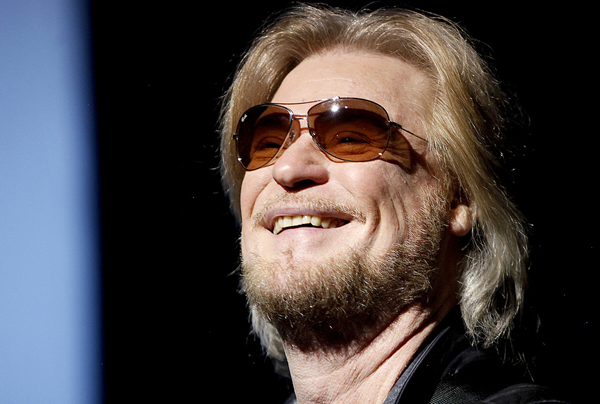
Daryl Hall Reveals Kidney Transplant, Says Doctors Called It a Complete Success
Daryl Hall revealed he received a living-donor kidney transplant a couple of weeks ago and says doctors called it a complete success. He expects to return to