

A Guitar Stolen from the Rolling Stones in 1971 has Suddenly Reappeared

A fascinating tale of rock ‘n’ roll history made headlines when a long-lost guitar belonging to the iconic band, The Rolling Stones, resurfaced after decades. This isn’t just any guitar; it’s a 1959 sunburst Gibson Les Paul Standard, famously played by band members like Keith Richards and Mick Taylor, as well as legendary musicians Eric Clapton and Jimmy Page at various points in their careers. The guitar vanished during the infamous robbery at the Villa Nellcôte in 1971, a mansion rented by the Stones in the south of France for recording sessions. The burglary, attributed to local drug dealers owed money by Richards, resulted in the loss of nine guitars, including this iconic axe, plus a saxophone and bass guitar.
In a surprising turn of events, this piece of music history has turned up as part of a collection at the Metropolitan Museum of Art in New York. The collection, a significant acquisition announced in May, boasts over 500 guitars from the golden age of American guitarmaking. Mick Taylor, former guitarist for the Stones, was understandably stunned upon discovering his once-prized possession was not only intact but showcased in such a prestigious venue. Adding to the intrigue, Taylor insists that he never received compensation for the theft, expressing bewilderment over how his distinctive guitar found its way to the Met’s collection.
Marlies Damming, Taylor’s business manager, shared insights into how the guitar’s unique “flaming” wood pattern, akin to a fingerprint, served as a perfect identifier for the lost instrument. Damming highlighted how this guitar was Taylor’s mainstay during his time with the Stones, prominently featured in numerous performances and albums before it was lost. Indeed, the Les Paul not only shares Taylor’s storied past but intersects with the legendary performances of Richards, particularly during the band’s groundbreaking appearance on *The Ed Sullivan Show* and the tumultuous Altamont Free Concert.
The Metropolitan Museum’s acquisition came under scrutiny due to the guitar’s history. Some music enthusiasts wonder about the ethics of holding onto such artifacts when their original owners express interest in reclamation. While the guitar is legally part of the museum’s recently acquired collection, the emotional ties and history it holds for Taylor—and rock history enthusiasts worldwide—bring a complex discourse on ownership and heritage to the forefront. According to an undisclosed source, Taylor remains mystified by the absence of any prior compensation or explanation concerning his beloved guitar.
Surprisingly, this rediscovery opens up conversations regarding the legacy and responsibilities of major cultural institutions. It touches on broader questions about the repatriation of cultural artifacts, whether they originate from the ancient world or iconic 20th-century musicians. What’s more, this story adds layers to the complicated historical narrative of the Rolling Stones during their *Exile on Main St.* era, a period marked by artistic breakthroughs despite personal turmoils and controversies.
The discovery has also sparked excitement among fans and musical historians, thanks to the guitar’s provenance and its intersections with musical history. This precise Les Paul was not only a tool in the hands of rock gods but a living testament to the evolution and intersection of some of rock’s most influential figures. As the guitar now graces the Med’s halls, it stands not just as an artifact, but as a solemn reminder of the vibrant, yet unfathomable culture of rock ‘n’ roll in the late 20th century.
In the end, while the guitar’s mysterious journey from past ownership to museum showcases remains an enigma, this incident serves as a poignant reminder of the indelible connections between art, history, and cultural stewardship. For aficionados and casual observers alike, this guitar is more than wood and strings – it’s a symbol of an era that continues to inspire and resonate through the corridors of music history.
### SEO Emphasis:
The d discussion focuses heavily on the rediscovery of the stolen guitar, shedding light on the intricate story behind its disappearance and eventual resurfacing. The acquisition by the Metropolitan Museum of Art broadens this narrative, illustrating the intersecting tales of personal legacy and public exhibition in the music world.
Key Takeaways
-
www.billboard.com | Mick Taylor's stolen guitar from the Rolling Stones resurfaced at the Metropolitan Museum of Art, NYC after being stolen in the early '70s.
-
consequence.net | The stolen guitar, a 1959 sunburst Gibson Les Paul Standard, was notably played by Keith Richards and Mick Taylor, among others.
-
www.ultimate-guitar.com | Mick Taylor, former Rolling Stones guitarist, had purchased the guitar from Keith Richards before it was stolen during the 'Exile on Main St.' recording sessions.
-
www.ultimate-guitar.com | The guitar's unique 'flaming' body pattern helped confirm its identity as the stolen instrument.
-
consequence.net | Mick Taylor reportedly never received compensation for the stolen guitar, and its reappearance at the museum was a surprise.
-
www.loudersound.com | Keith Richards originally sold the 1959 sunburst Gibson Les Paul to Mick Taylor, and both guitar legends used it on major performances before its theft.
TOP STORIES


Related Stories

Neil Young Sues Trump Fundraising Group Again Over ‘Rockin’ in the Free World’
Neil Young has filed a new $10 million copyright lawsuit against a Trump fundraising committee, accusing it of playing “Rockin’ in the Free World” without permission at an Ohio rally.

Donnie Iris, Pittsburgh Rock Icon, Dies at 83
Donnie Iris, the Pittsburgh rocker known for ‘Ah! Leah!’ and ‘The Rapper,’ died on Monday, October 26, 2026, at age 83, just weeks after announcing his retirement from live performing.

Nikki Sixx Discusses Vince Neil’s Health and Live Vocals After Fourth Stroke
Motley Crue’s Nikki Sixx addresses Vince Neil’s recovery from his fourth stroke and the singer’s push to prove himself vocally on tour, as the band details its upcoming fourth Las Vegas residency.
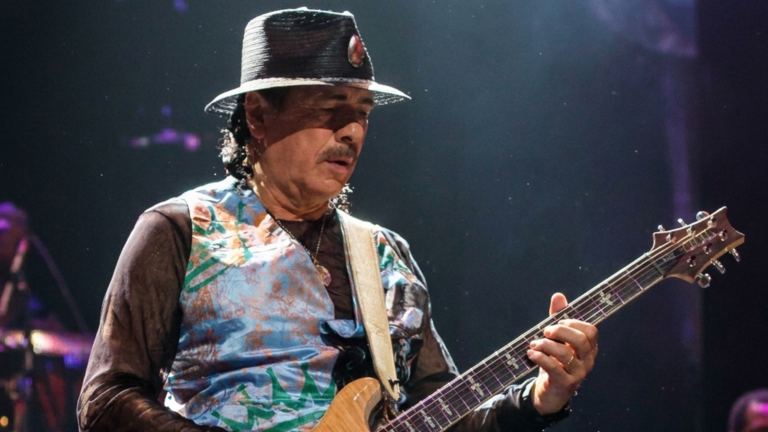
Santana Announces 2027 Global Tour
Santana has unveiled the Planet of Free Will Global Tour 2027, a 13-date run through Europe and the UK that opens at London’s The O2 on June 30 and wraps up in Helsinki on July 31.
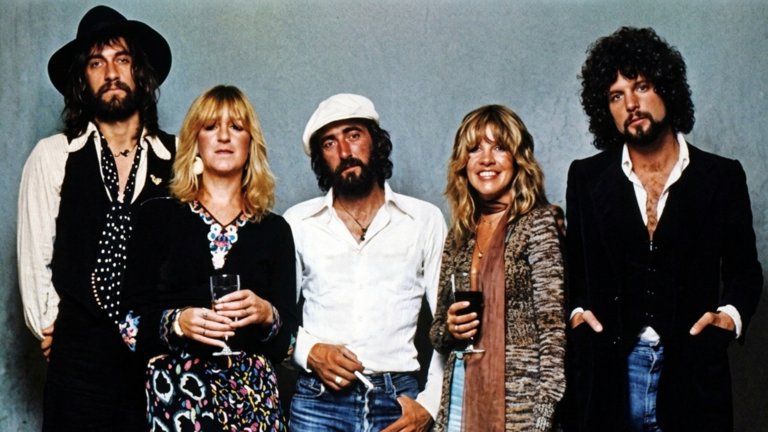
Fleetwood Mac Documentary ‘The Chain’ Gets Title and Release Date
Fleetwood Mac: The Chain, the band’s first fully authorized documentary, arrives on Apple TV on January 29, 2027, coinciding with the 50th anniversary of Rumours.

John Anderson, ‘Swingin” and ‘Seminole Wind’ Singer, Dies at 71
John Anderson, the Country Music Hall of Fame singer behind “Swingin'” and “Seminole Wind,” has died at age 71, only days after taking part in Nashville’s 2026 Medallion Ceremony.

Judas Priest Locks In First Confirmed 2027 US Tour Date at Boardwalk Rock
Judas Priest has confirmed its first US concert of 2027, a slot on the Iron Maiden-headlined Sunday bill at the Boardwalk Rock festival in Ocean City, Maryland.

Robert Plant Opens Up on Son Karac’s 1977 Death and His Quiet Life Today
In a new Sunday Times interview, Robert Plant describes how the 1977 death of his five-year-old son Karac altered his attachment to Led Zeppelin, and shares details of his present-day life in a small Worcestershire village.
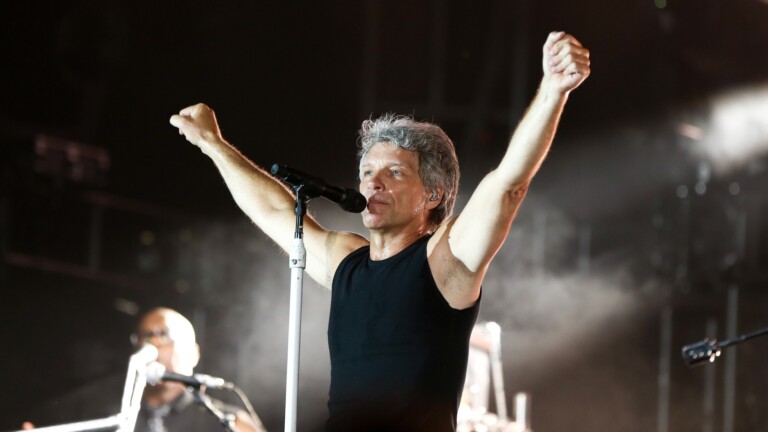
Bon Jovi Extends 2027 Stadium Dates, Expanding Forever Tour to Australia, UK and North America
Bon Jovi is expanding its Forever Tour with seven new 2027 stadium shows spanning Australia, the UK and North America, building on sold-out dates at Madison Square Garden and Wembley Stadium earlier this year.