

Alexa Ray Joel Says Billy Joel Tried to Reassure Her After Onstage Fall, but She Was “Crying”
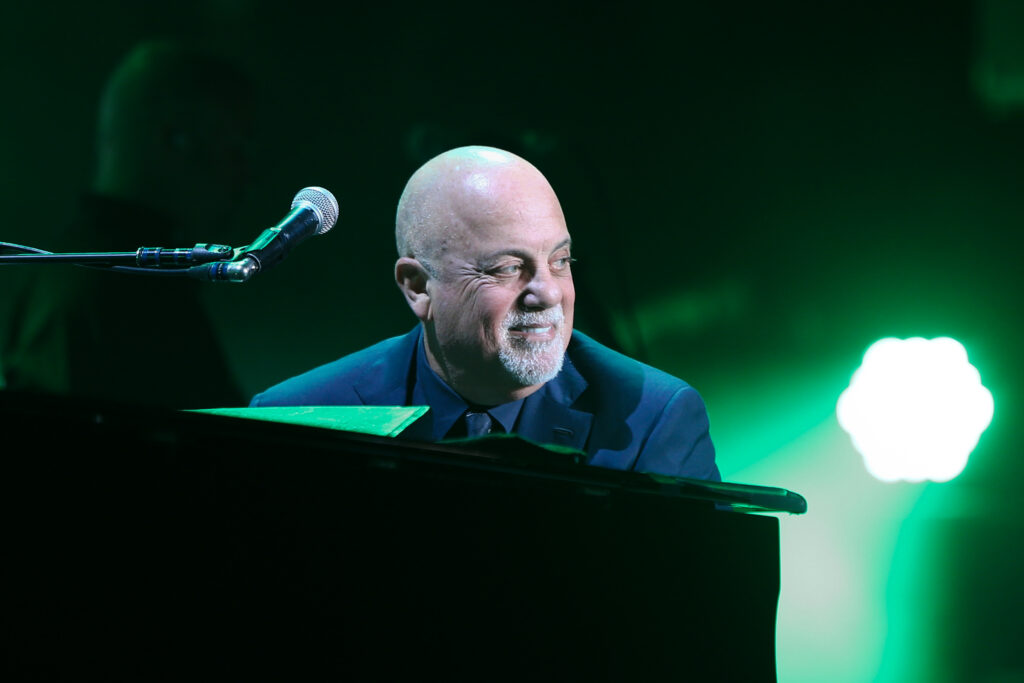
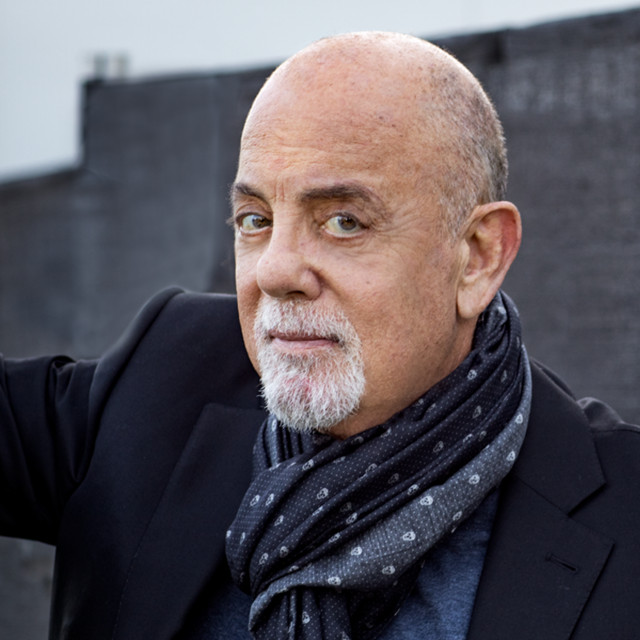
Alexa Ray Joel has offered a more personal look at the health scare that rattled Billy Joel fans this year, saying her father tried to calm her down after he fell during a performance, while she privately reacted with fear after seeing the footage.
In interviews published this week, Alexa Ray said Billy Joel “played it down” in their immediate conversations. She said she still found the moment deeply upsetting, describing herself as emotional after watching the video and making clear that the family treated the situation with more seriousness than his first reassurance suggested.
Alexa Ray Joel’s comments add family context to a public moment
Alexa Ray spoke candidly about her reaction to the fall and her father’s instinct to reduce alarm. The split between those two responses is familiar in artist families: one side tries to lower panic in real time, while the other sees the incident in the larger context of health, age, and workload.
Her comments are significant because they shift the story from viral clip culture to family-level reality. Instead of framing the fall as isolated internet drama, she frames it as an event that carried emotional weight at home, even as Billy Joel tried to signal control and composure.
How this fits into Billy Joel’s broader health timeline
The concern around the fall did not emerge in a vacuum. Billy Joel had already disclosed a diagnosis of normal pressure hydrocephalus (NPH), a neurological condition that can affect balance and other functions. That context helps explain why a single onstage stumble became a major fan conversation rather than a routine performance mishap.
Joel also canceled tour dates after publicly discussing his condition, which raised the stakes around any new footage tied to mobility or stamina. In that environment, Alexa Ray’s remarks read less like tabloid color and more like a window into how the family has been processing the same concerns fans have been debating in public.
What Alexa Ray’s remarks do and do not confirm
Her interviews confirm two clear points: first, Billy Joel initially attempted to reassure her after the incident; second, she did not experience the event as trivial once she reviewed what happened. That dual perspective matters because it captures the difference between immediate artist response and later family assessment.
What her comments do not do is offer a detailed new medical update. They are not a replacement for direct clinical statements, and they do not establish any new treatment benchmark by themselves. The strongest editorial reading is narrower and more useful: the family appears actively engaged, emotionally alert, and realistic about the seriousness of this chapter.
Why this matters for legacy-artist coverage
Coverage of veteran artists often swings between two extremes: minimization or alarmism. Alexa Ray Joel’s comments push the conversation toward a more grounded middle. She acknowledges her father’s effort to keep things calm, while refusing to pretend the incident was meaningless.
For music journalism, that is the right frame. The story is neither about exploiting a vulnerable moment nor pretending concern is overblown. It is about documenting how a major legacy artist and his family are navigating a difficult period in public view, with fans watching closely for signs of stability, recovery, and next steps.
The practical takeaway is straightforward. Billy Joel remains a central figure for multi-generational audiences, and any onstage health incident will continue to carry outsized attention. Alexa Ray’s remarks give that attention needed context: reassurance on one side, honest worry on the other, and a family treating the issue as real.
Related Stories
Alice Cooper Opens Up on Crack Addiction That Nearly Killed Him and Nearly Ended His Marriage
Alice Cooper’s new memoir ‘Devil on My Shoulder’ and a companion interview with The Telegraph detail how his crack cocaine use in the late 1970s and early 1980s brought him close to death and nearly cost him his marriage.
Roger Waters and Son Harry Waters Launch Pink Floyd Tribute Tour ‘LEGACY’ for 2027
AEG Presents and ICON LIVE have announced ‘Roger Waters Presents LEGACY: A Pink Floyd Show,’ a new touring production led musically by Harry Waters and launching February 15, 2027 in Columbus, Georgia.
Brian May Says Queen’s Touring Days Are Over
Brian May says he and Roger Taylor quietly agreed a year and a half ago that Queen would not tour again, a choice shaped by the death of a close family friend while the band was on the road in America.
Slash Announces 2027 World Tour and New Album ‘Flying Blind’ With Myles Kennedy
Slash has unveiled a 2027 world tour with Myles Kennedy and The Conspirators and a new album, ‘Flying Blind,’ marking his first dedicated run with the band since 2024.
Michael McDonald Reunites With Son Given Up for Adoption Nearly 60 Years Ago
A St. Louis man named Michael Goessling has learned that Doobie Brothers singer Michael McDonald is his biological father, nearly 60 years after being given up for adoption as an infant.
Metallica Kicks Off ‘Life Burns Faster’ Residency at Las Vegas Sphere
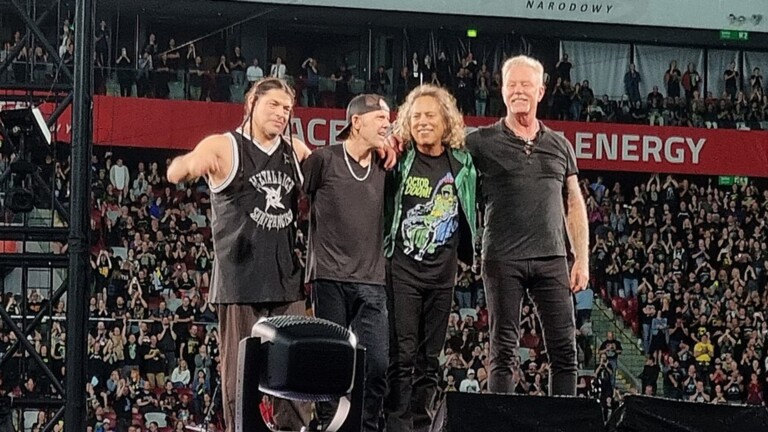
Metallica’s “Life Burns Faster” residency opens at the Las Vegas Sphere on October 1, 2026, running through March 2027 with 24 shows, a merch collaboration with adidas and a lineup of fan events across the city.
Rod Stewart Announces Retirement From Touring, Reveals 2027 ‘The Final Encore’ Tour Dates
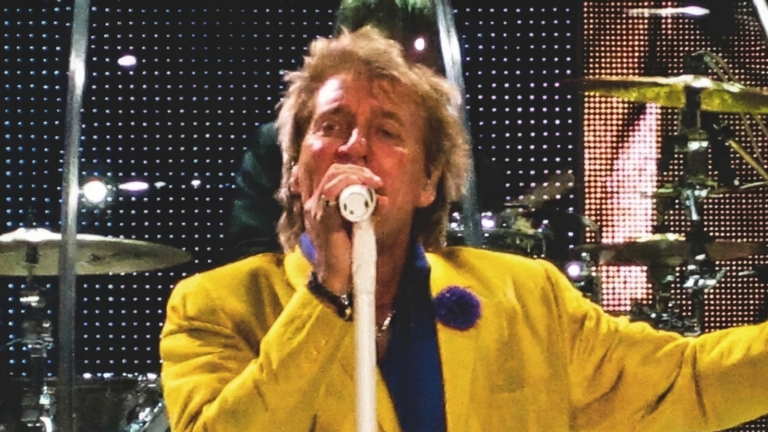
Rod Stewart says his upcoming 2027 tour of the UK and Europe, called The Final Encore, will be his last time touring, though he insists he isn’t stepping away from music entirely.
Jo Wood Says Rolling Stones Touring Days May Be Done Because of Keith Richards
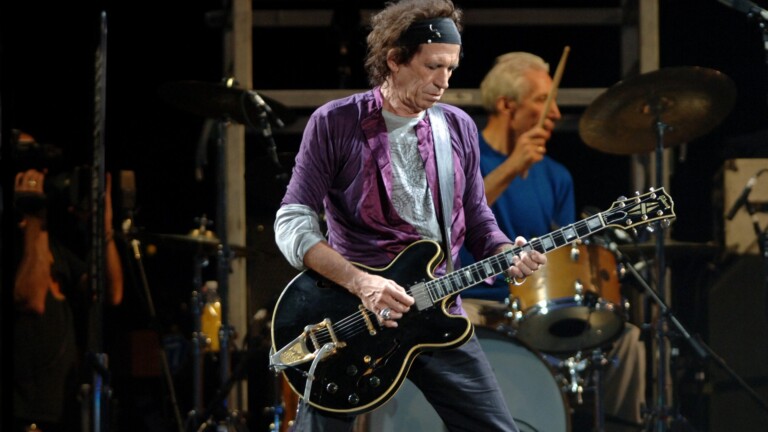
Jo Wood, Ronnie Wood’s ex-wife, says she doubts the Rolling Stones will hit the road again, blaming Keith Richards’ hesitance even as the band’s new album Foreign Tongues thrives.
Rush’s Geddy Lee, Alex Lifeson Push Neil Peart Memorial Fund Past $1 Million Goal
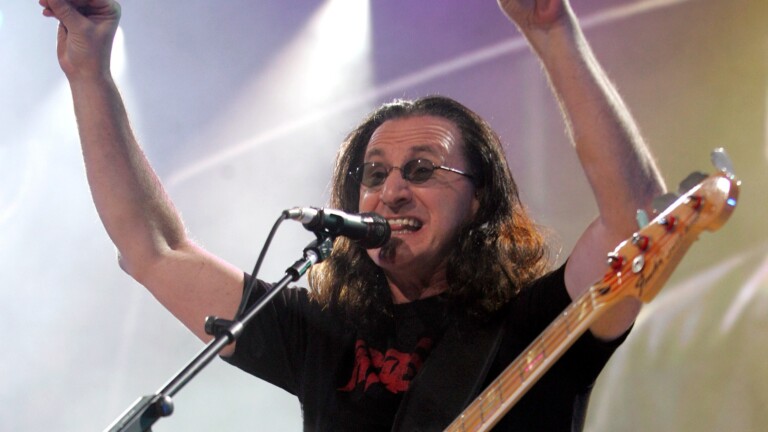
Rush’s Geddy Lee and Alex Lifeson delivered a $785,000 check to the Neil Peart Commemorative Task Force, putting a years-long campaign to build the late drummer’s memorial in Ontario over its $1 million target.