

Artists Condemn Fraudulent AI Generated Songs on Spotify

Spotify has recently come under fire for allowing AI-generated and fraudulent tracks to appear on its platform — in some cases, impersonating deceased artists, and in others, misleading listeners with bogus releases from living ones. One notable example involves a new track uploaded to the official Toto Spotify page titled “Name This Night.” The song, which surfaced recently, is almost certainly AI-generated, with no involvement or acknowledgment from the band. Toto’s Steve Lukather confirmed its inauthenticity, stating he filed a formal complaint and criticized Spotify for allowing the track to slip through, calling it “shameless.”
A recent report revealed that Spotify hosted AI-generated tracks under the official artist pages of deceased musicians, including Blaze Foley and Guy Clark. The fake recordings—like “Together” for Foley and “Happened to You” for Clark—were uploaded via a distributor linked to a company called Syntax Error. Spotify eventually removed them for violating its Deceptive Content policy, but not before considerable attention was drawn, including outrage from music estate representatives.
Craig McDonald, owner of Foley’s label, described “Together” as sounding like “an AI schlock bot” — notably divergent from anything the country artist would have created. Other commentators noted that consumers unfamiliar with Foley or Clark could have been misled, damaging both legacies and listener trust.
Toto, although still touring, hasn’t released new material officially since 2018’s Old Is New. So the appearance of “Name This Night”—an instrumental track—on their Spotify was immediately alarming. It lacked the band’s signature branding and used generic cover art; Lukather himself expressed surprise and disappointment that Spotify allowed it to slip through, confirming he lodged a complaint. This highlights that even for living, active artists, Spotify’s vetting process can be too lax, leaving their official catalogs vulnerable.
The problem stretches further: fraudsters are uploading entire fake bands, using AI vocals and streaming bots to earn royalties while skewing Spotify’s ecosystem. Fans uncovered fictional artists with generic AI-generated content and inflated listener stats, often without any actual presence beyond Spotify. One user wrote:
“The scam here is that people would be searching for a popular song or a playlist, and they find this computer‑generated music…and listen to it instead of the original artist.”
Platforms like Spotify and Deezer claim they have tools to detect and remove AI-generated or bot-streamed content, but critics argue their methods are insufficient and reactive rather than preventive.
These practices aren’t harmless: they siphon royalties from genuine artists and distort the limited payout system. Even if each fraudulent stream pays only fractions of a cent, the volume across many imposter tracks adds up. Meanwhile, legitimate artists may accidentally be flagged by automated fraud-detection systems. Indie acts, in particular, have reported takedowns following unexplained stream spikes — smaller artists often lose both visibility and income due to overly aggressive filtering.
Spotify defends its efforts, stating it dedicates engineering resources to monitor and remove deceptive content, and that AI-generated tracks identified as artificial are fully removed from royalty calculations, thus not diluting the payout pool. The platform also notes it enforces fines and suspensions against distributors that enable fraudulent uploads.
However, many artists, their estates, and music-industry advocates argue these protections don’t go nearly far enough. The industry is calling for stronger vetting, mandatory artist verification, and transparent policies to prevent future misuse.
To truly protect artists and listeners, Spotify and other streaming platforms must implement proactive measures:
-
Stricter AI/Impersonation detection, especially for legacy artist pages and verified catalogs
-
Mandatory identity verification for any uploads claiming affiliation with known artists
-
Transparent appeals and takedown processes, especially when wrongful content removal affects indie creators
-
Closer collaboration with rights-holders, archives, and estates to vet new content before listing
The emergence of AI-generated tracks like Toto’s “Name This Night” on official artist pages highlights a critical weakness in Spotify’s content controls. While the platform has taken steps to remove deceptive content after the fact, the reactive nature of its policies leaves room for abuse that can damage artist legacies and listeners’ trust. As fraudulent uploads proliferate—whether attributed to deceased icons or falsely branded under living artists—the streaming industry faces urgent pressure to bolster verification systems and deter bad actors.
Without immediate reforms, more sophisticated AI-generated imposters will continue to infiltrate music catalogs, distort streaming economics, and erode the integrity of the music ecosystem. Moving forward, robust verification, proactive monitoring, and industry collaboration will be essential to preserving authenticity in digital music.
TOP STORIES
RELATED ARTISTS
Related Stories

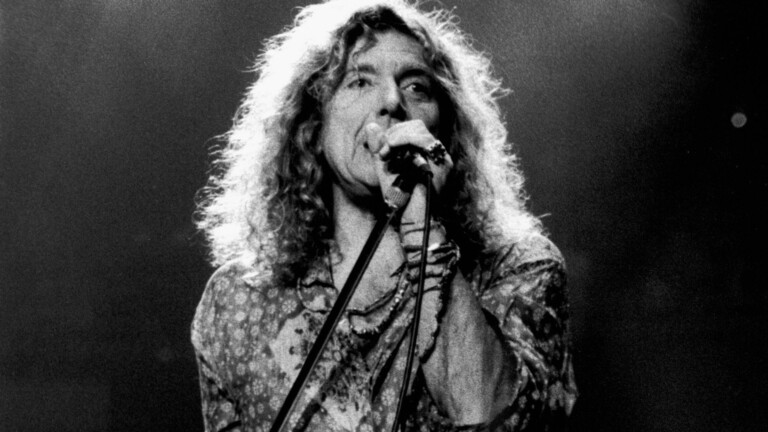
Robert Plant Opens Up on Son Karac’s 1977 Death and His Quiet Life Today
In a new Sunday Times interview, Robert Plant describes how the 1977 death of his five-year-old son Karac altered his attachment to Led Zeppelin, and shares details of his present-day life in a small Worcestershire village.

Bon Jovi Extends 2027 Stadium Dates, Expanding Forever Tour to Australia, UK and North America
Bon Jovi is expanding its Forever Tour with seven new 2027 stadium shows spanning Australia, the UK and North America, building on sold-out dates at Madison Square Garden and Wembley Stadium earlier this year.

Motley Crue Sets 2027 ‘Carnival of Sins in Sin City’ Residency at Caesars Palace
Motley Crue has unveiled an eight-show Las Vegas residency, ‘Carnival of Sins in Sin City,’ set for The Colosseum at Caesars Palace from March 19 to April 3, 2027.
Led Zeppelin Lets ‘Stairway to Heaven’ Soundtrack a Movie Trailer for the First Time, for Greta Gerwig’s Narnia Film
Led Zeppelin has granted permission for ‘Stairway to Heaven’ to appear in a film for the first time, backing the debut trailer for Greta Gerwig’s Narnia: The Magician’s Nephew.

Cheap Trick 2027 Concert Dates Announced
Cheap Trick has booked its first three concert dates for 2027, set for February and April, as the band’s ongoing All Washed Up Tour continues through the fall of 2026.
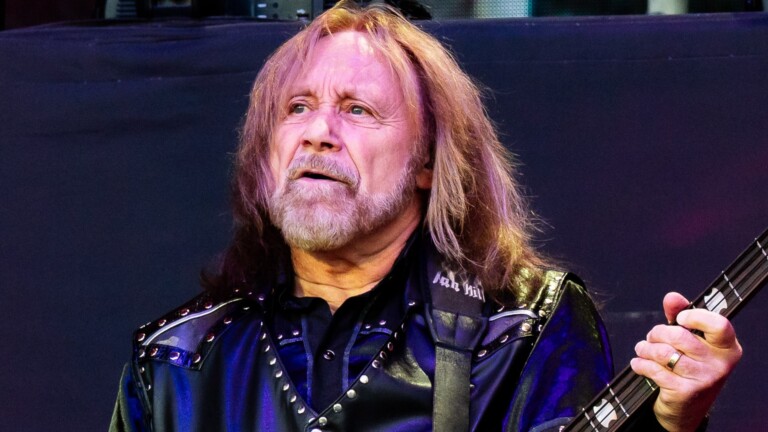
Judas Priest’s Ian Hill Retires After 57 Years, Longest-Serving Member
Judas Priest founding bassist Ian Hill has stepped away from the band after 57 years, citing worsening arthritis and a torn shoulder tendon, with Uriah Heep’s Davey Rimmer set to take his place on bass starting with the band’s 2027 touring.
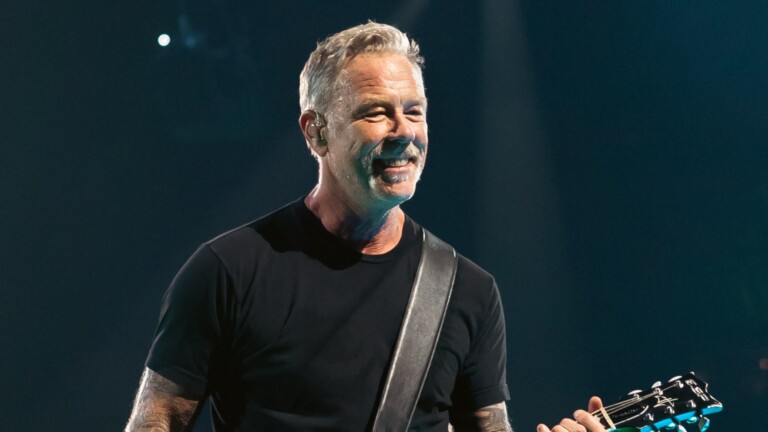
James Hetfield Tells Sphere Crowd Metallica Won’t Push a Political Agenda
James Hetfield addressed the Las Vegas Sphere crowd on October 10, 2026, drawing a line between Metallica and other entertainers who use their platforms for political messaging.
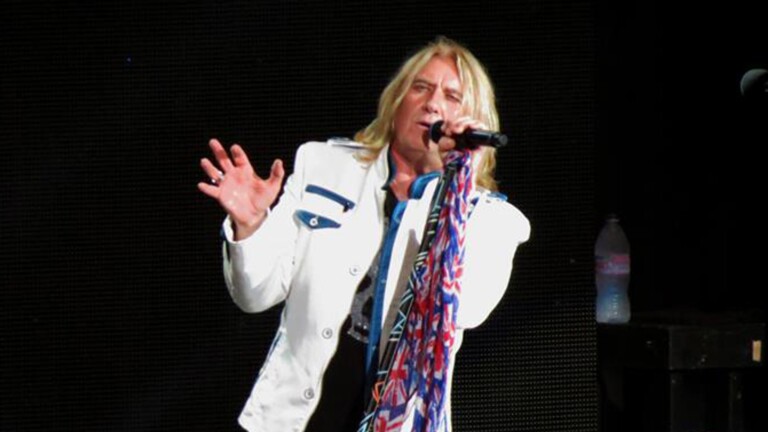
Def Leppard Announces Massive 2027 Tour With Goo Goo Dolls, The Struts
Def Leppard will co-headline a 45-date 2027 North American tour with Goo Goo Dolls, joined by The Struts, running from March 2 in Allentown, Pennsylvania through July 2 in Indianapolis, Indiana.

Alice Cooper Opens Up on Crack Addiction That Nearly Killed Him and Nearly Ended His Marriage
Alice Cooper’s new memoir ‘Devil on My Shoulder’ and a companion interview with The Telegraph detail how his crack cocaine use in the late 1970s and early 1980s brought him close to death and nearly cost him his marriage.