

Bruce Springsteen Shares Unreleased ‘Blind Spot’ Tune
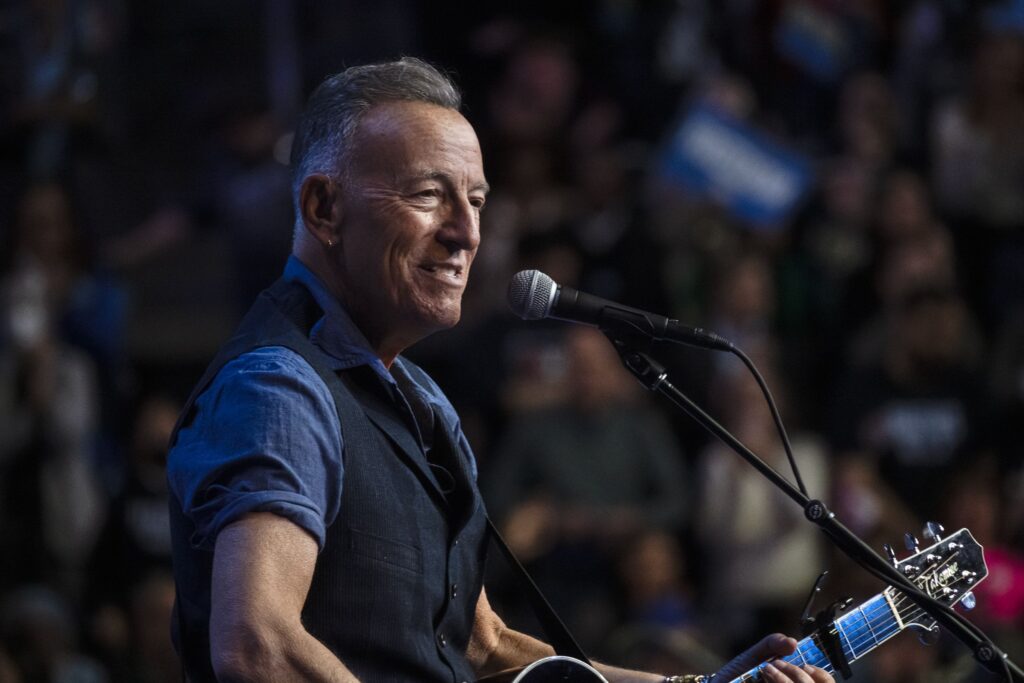
Bruce Springsteen has once again captivated his fans with the release of his previously unreleased song “Blind Spot” from his upcoming box set Tracks II: The Lost Albums. Slated for release on June 27, this expansive collection includes 83 songs that have never been publicly available before, spread across seven full-length albums that were recorded over a span of decades, from 1983 to 2018. The set promises to deliver a treasure trove of material, offering a unique glimpse into Springsteen’s creative process over the years. Particularly intriguing for fans and music enthusiasts alike is the *Streets of Philadelphia Sessions*, known informally as the “loops record,” now finally seeing the light of day after being shelved for 30 years.
The creation of “Blind Spot” and the Streets of Philadelphia Sessions is steeped in the rich musical tapestry of the mid-1990s. Inspired by contemporary music of that time, particularly the burgeoning hip-hop scene of the West Coast, Springsteen’s work on these tracks represents a bold departure from his traditional rock roots. The session was recorded shortly after his Oscar-winning track “Streets of Philadelphia,” composed for the 1993 film *Philadelphia*. During this period, Springsteen immersed himself in the mood and rhythms of this new sound, using drum samples and loops as a creative foundation. Engineer Toby Scott was instrumental in these sessions, as they crafted unique loops that were a foundation for Springsteen’s lyrics and melodic construction.
“Blind Spot” itself speaks to complexities in relationships, a recurring theme in Springsteen’s work. Despite its personal undertones surrounding doubt and betrayal, Springsteen has expressed that the inspiration did not necessarily come from personal strife. He and his wife, Patti Scialfa, enjoyed their time together in California during the album’s creative process. Nevertheless, the theme of the song—like a blind spot in a vehicle—reflects missing elements or overlooked aspects of relationships that result in unexpected outcomes. In following this thematic thread through the rest of the album, Springsteen delivers a composition that combines his hallmark storytelling with experimental musical styles.
The decision to not release the Streets of Philadelphia Sessions initially came from a strategic career choice. Springsteen opted to reunite with the E Street Band, feeling that it was time to remind fans and himself about that influential chapter of his work life. He reflected on this decision, acknowledging the sessions’ intrinsic value and contemplating standalone releases later, particularly during his celebrated run on Broadway. His approach to archiving dead tracks is notably unceremonious yet sentimental: he shelves them but never discards them.
Tracks II: The Lost Albums also includes L.A. Garage Sessions ’83, an important piece bridging Springsteen’s early ’80s work, as well as other unreleased projects like Perfect World and Twilight Hours. Each of these projects showcases Springsteen’s exploratory nature, engaging with different genres and musical techniques, and solidifying his legacy as not only a songwriter or a performer but also as an innovative musician. This substantial collection, presented in distinctive packaging and formats including a hardcover book with rare archival photos, serves as a profound addition to the understanding of Springsteen’s expansive artistic journey—a quintessential chapter written into the annals of rock history.
Key Takeaways
-
www.billboard.com | The song 'Blind Spot' from Bruce Springsteen explores themes of doubt and betrayal in relationships.
-
www.billboard.com | The 'Streets of Philadelphia Sessions', part of the 'Tracks II' box set by Bruce Springsteen, experimented with West Coast hip-hop influences.
-
www.billboard.com | ‘Blind Spot’ was initially part of a series of recordings inspired by Springsteen's work on the soundtrack of the film 'Philadelphia'.
-
ultimateclassicrock.com | Springsteen’s interest in the rhythms of contemporary music from the mid-1990s, particularly West Coast hip-hop, shaped the 'Streets of Philadelphia Sessions'.
-
www.rollingstone.com | The 'Tracks II: The Lost Albums' box set will release on June 27, featuring a collective of 83 songs across seven previously unheard albums.
Related Stories
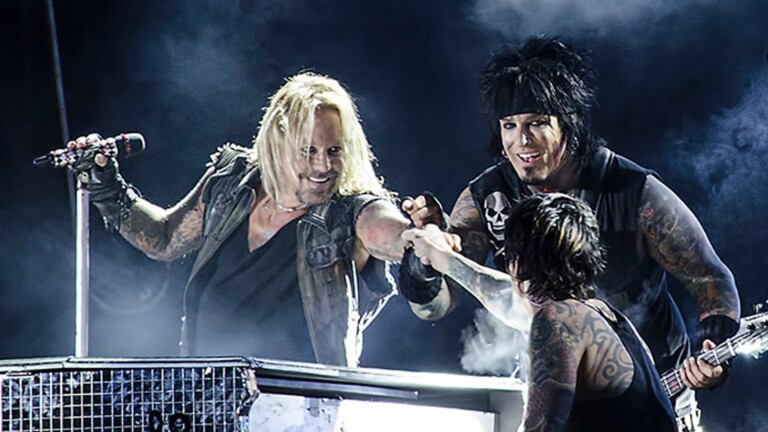
Motley Crue Sets 2027 ‘Carnival of Sins in Sin City’ Residency at Caesars Palace
Motley Crue has unveiled an eight-show Las Vegas residency, ‘Carnival of Sins in Sin City,’ set for The Colosseum at Caesars Palace from March 19 to April 3, 2027.
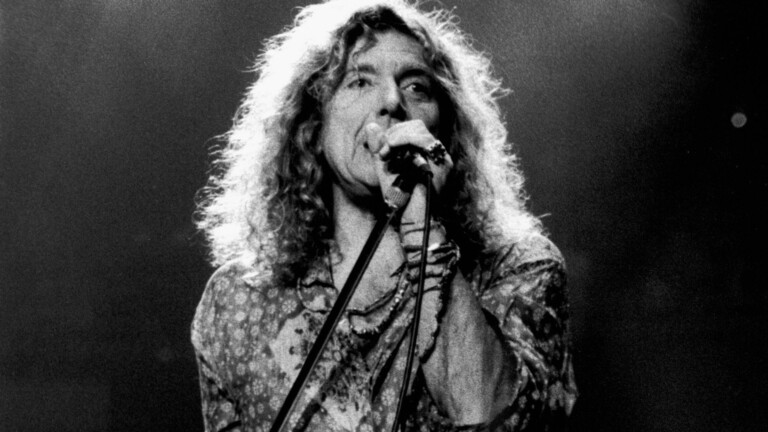
Led Zeppelin Lets ‘Stairway to Heaven’ Soundtrack a Movie Trailer for the First Time, for Greta Gerwig’s Narnia Film
Led Zeppelin has granted permission for ‘Stairway to Heaven’ to appear in a film for the first time, backing the debut trailer for Greta Gerwig’s Narnia: The Magician’s Nephew.
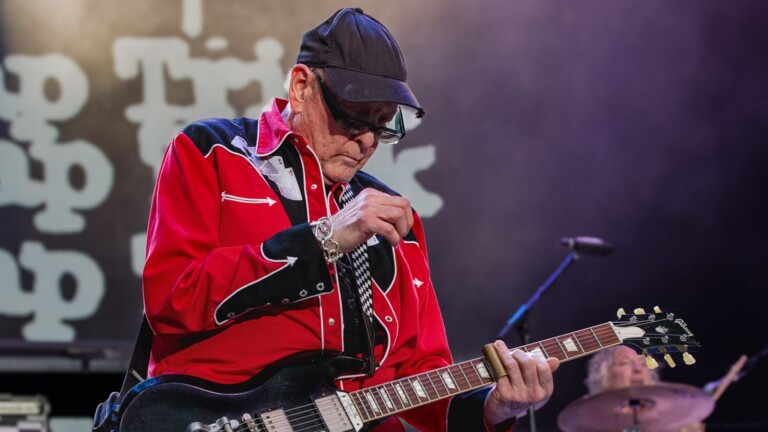
Cheap Trick 2027 Concert Dates Announced
Cheap Trick has booked its first three concert dates for 2027, set for February and April, as the band’s ongoing All Washed Up Tour continues through the fall of 2026.
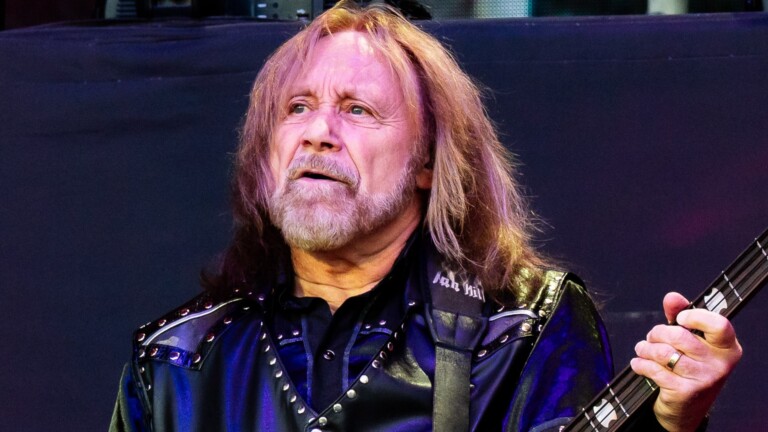
Judas Priest’s Ian Hill Retires After 57 Years, Longest-Serving Member
Judas Priest founding bassist Ian Hill has stepped away from the band after 57 years, citing worsening arthritis and a torn shoulder tendon, with Uriah Heep’s Davey Rimmer set to take his place on bass starting with the band’s 2027 touring.
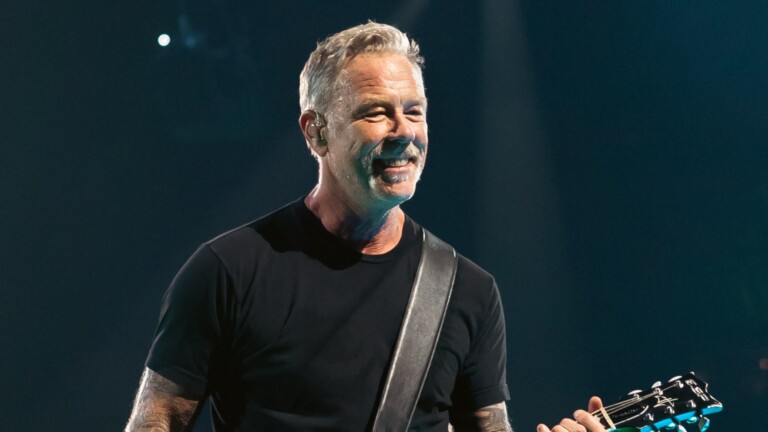
James Hetfield Tells Sphere Crowd Metallica Won’t Push a Political Agenda
James Hetfield addressed the Las Vegas Sphere crowd on October 10, 2026, drawing a line between Metallica and other entertainers who use their platforms for political messaging.
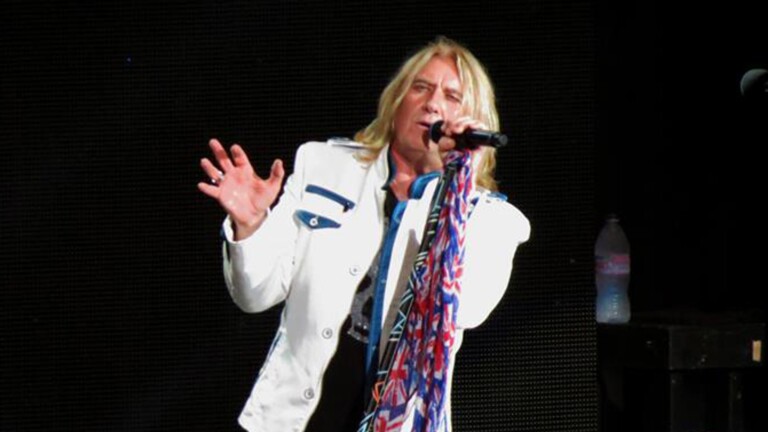
Def Leppard Announces Massive 2027 Tour With Goo Goo Dolls, The Struts
Def Leppard will co-headline a 45-date 2027 North American tour with Goo Goo Dolls, joined by The Struts, running from March 2 in Allentown, Pennsylvania through July 2 in Indianapolis, Indiana.
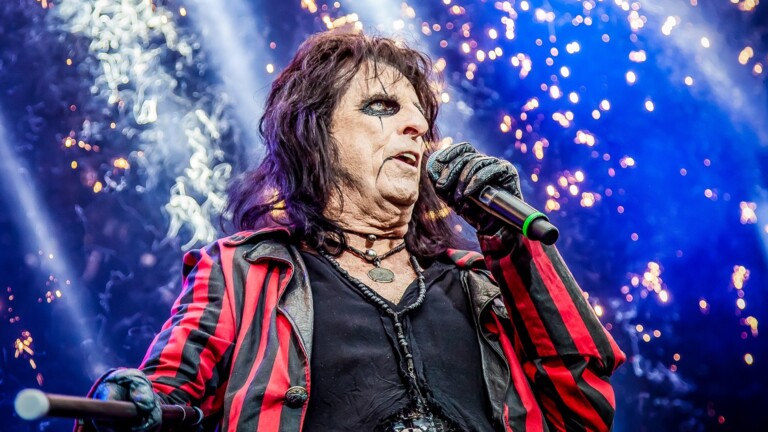
Alice Cooper Opens Up on Crack Addiction That Nearly Killed Him and Nearly Ended His Marriage
Alice Cooper’s new memoir ‘Devil on My Shoulder’ and a companion interview with The Telegraph detail how his crack cocaine use in the late 1970s and early 1980s brought him close to death and nearly cost him his marriage.
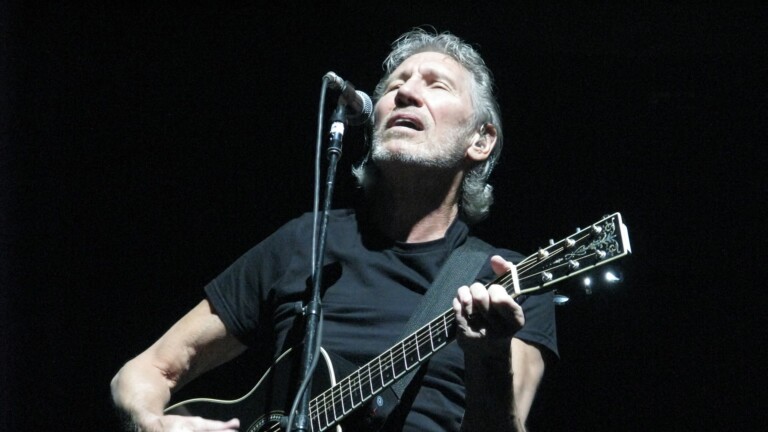
Roger Waters and Son Harry Waters Launch Pink Floyd Tribute Tour ‘LEGACY’ for 2027
AEG Presents and ICON LIVE have announced ‘Roger Waters Presents LEGACY: A Pink Floyd Show,’ a new touring production led musically by Harry Waters and launching February 15, 2027 in Columbus, Georgia.
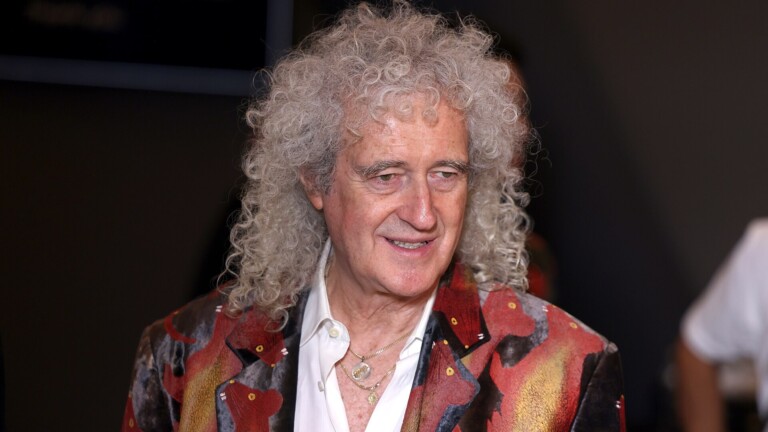
Brian May Says Queen’s Touring Days Are Over
Brian May says he and Roger Taylor quietly agreed a year and a half ago that Queen would not tour again, a choice shaped by the death of a close family friend while the band was on the road in America.