

Chris Adler Opens Up About Getting Fired from Lamb of God
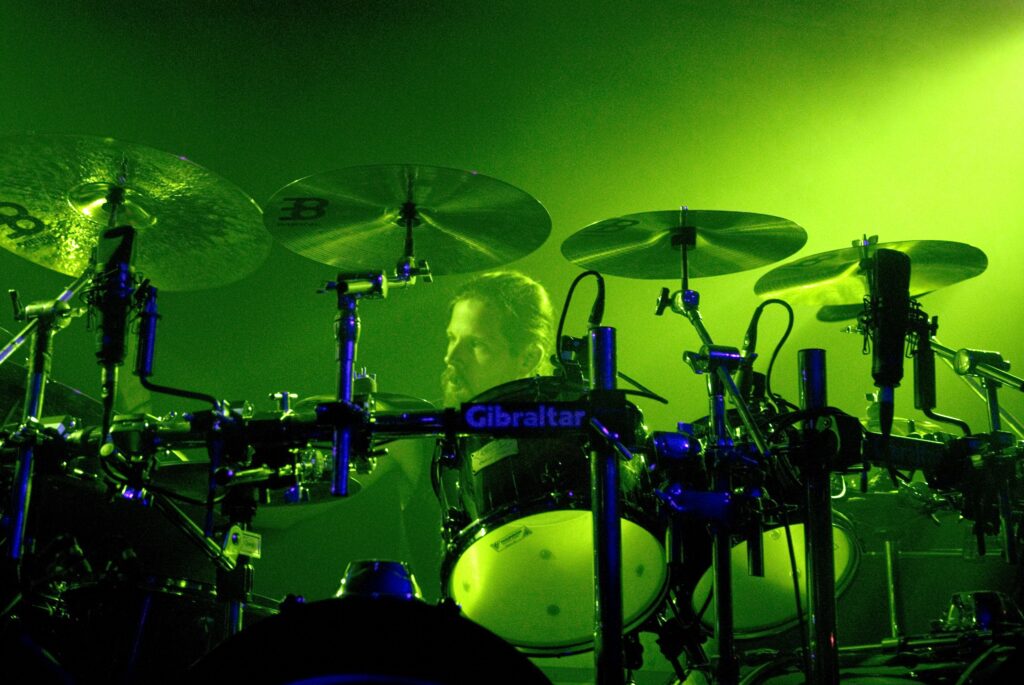
Chris Adler, once a formidable presence behind the drums of the celebrated metal band Lamb of God, has unveiled the circumstances surrounding his 2019 dismissal from the group. This revelation comes six years after his departure, providing fans with insights into the multifaceted reasons that led to his unexpected removal. At the core of Adler’s firing were personal health challenges and the rising tensions from his association with other musical projects, prominently including Megadeth’s Grammy-winning album Dystopia. Among the issues, musician’s dystonia, a rare neurological disorder that impedes motor control in musicians, played a significant role in hindering his performance capabilities on stage.
Adler, whose tumultuous departure shocked the fanbase, revealed that he was diagnosed with musician’s dystonia, a condition that directly affected his right foot’s capability to maintain consistent rhythm—a grave issue for a drummer of his caliber. Dystonia’s impact is quite debilitating, causing involuntary muscle contractions and a loss of coordinated motor ability, crucial for someone whose instrument is entirely reliant on such precision. Despite efforts to manage the condition, including presenting medical paperwork to his bandmates and suggesting song adjustments to accommodate his limitations, Adler’s performance inconsistencies became apparent and irksome to the band dynamic.
Compounding Adler’s challenges from his health condition were personal life strains and his increased involvement with other bands. His temporary enlistment with Megadeth not only sparked discontent among his Lamb of God bandmates but also contributed to an environment rife with stress and internal friction. This scenario was further exacerbated by the discord resulting from collaborations with various other bands, including Protest the Hero. Adler’s commitment to these projects, despite being a creative outlet that kept him engaged with music, was perceived by his Lamb of God colleagues as a diversion away from the group’s cohesion and mainline objectives.
The manner of Adler’s dismissal added to the emotional burden of his departure. He describes receiving an unemotional email that bluntly terminated his long-standing position within a band he considered his life’s work. For Adler, this group was not just a creative project; it was an integral part of his identity and a major outlet for his artistic expression. This ejection from Lamb of God via such impersonal means as an email left him to navigate feelings of betrayal and loss, propelling him into a period of introspection to rediscover his passion for music and life beyond the band.
Having overcome the trials associated with musician’s dystonia, Adler has shown a remarkable journey of resilience and reinvention. He has channeled his energy into a new musical venture, forming the band Firstborne with other talented artists, where he continues to explore his musical prowess and contribute to the landscape of heavy metal. In this new chapter, Adler reflects on his experience with Lamb of God as a potent part of his personal and professional history. Despite the hurt endured, he holds no grudge against his former bandmates, acknowledging that every band member is ultimately replaceable in the fluid world of music.
His story adds a layer of understanding to the often harsh realities faced by musicians dealing with chronic conditions and the precarious nature of career stability in the entertainment industry. The narrative of Chris Adler emphasizes the importance of adaptability and perseverance, illustrating that even when faced with adversity, one can pivot towards new beginnings, celebrating past achievements while forging ahead to carve new paths. While the departure from Lamb of God was painful and abrupt, Adler’s evolution as an artist continues to inspire, underscoring the resilience needed to withstand the industry’s pressures and move forward into uncharted territories with hope and renewed vigor.
Key Takeaways
-
consequence.net | After his departure from Lamb of God and recovery, Chris Adler formed the band Firstborne, releasing new music with them.
-
metalinjection.net | Despite his health challenges, Adler underwent intense physical therapy and adapted his drumming technique, allowing him to continue playing music professionally.
TOP STORIES
RELATED ARTISTS

Related Stories
Nikki Sixx Discusses Vince Neil’s Health and Live Vocals After Fourth Stroke
Motley Crue’s Nikki Sixx addresses Vince Neil’s recovery from his fourth stroke and the singer’s push to prove himself vocally on tour, as the band details its upcoming fourth Las Vegas residency.
Santana Announces 2027 Global Tour
Santana has unveiled the Planet of Free Will Global Tour 2027, a 13-date run through Europe and the UK that opens at London’s The O2 on June 30 and wraps up in Helsinki on July 31.
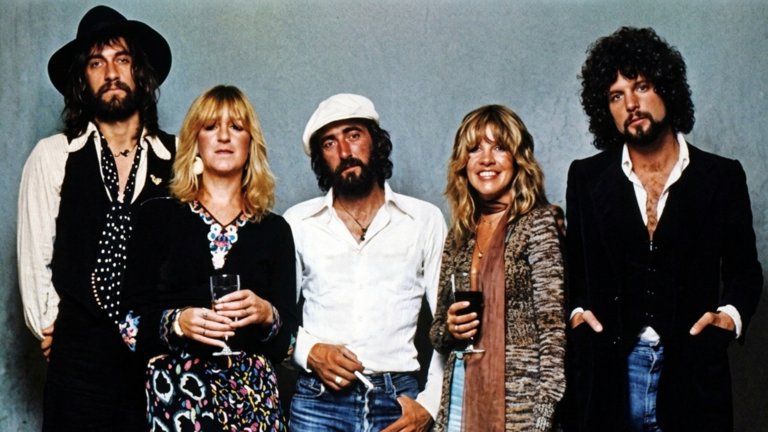
Fleetwood Mac Documentary ‘The Chain’ Gets Title and Release Date
Fleetwood Mac: The Chain, the band’s first fully authorized documentary, arrives on Apple TV on January 29, 2027, coinciding with the 50th anniversary of Rumours.
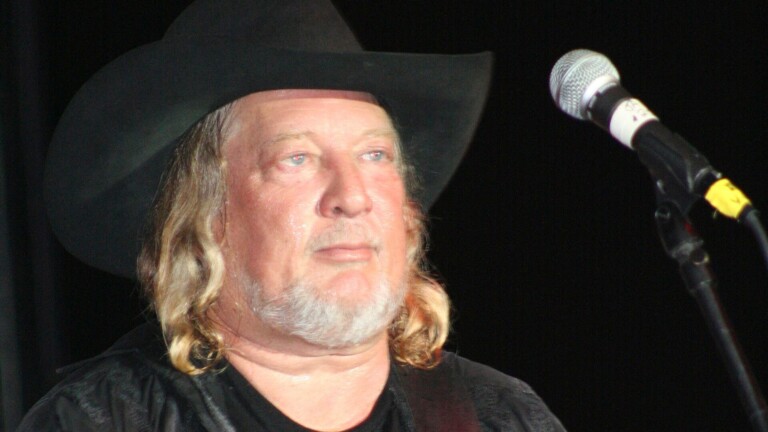
John Anderson, ‘Swingin” and ‘Seminole Wind’ Singer, Dies at 71
John Anderson, the Country Music Hall of Fame singer behind “Swingin'” and “Seminole Wind,” has died at age 71, only days after taking part in Nashville’s 2026 Medallion Ceremony.
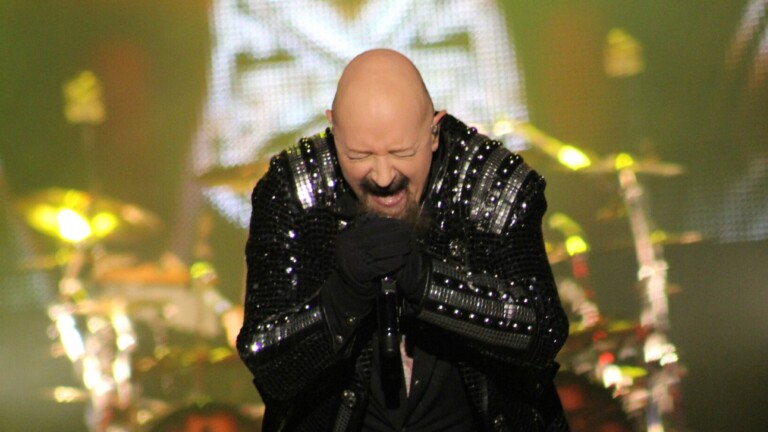
Judas Priest Locks In First Confirmed 2027 US Tour Date at Boardwalk Rock
Judas Priest has confirmed its first US concert of 2027, a slot on the Iron Maiden-headlined Sunday bill at the Boardwalk Rock festival in Ocean City, Maryland.
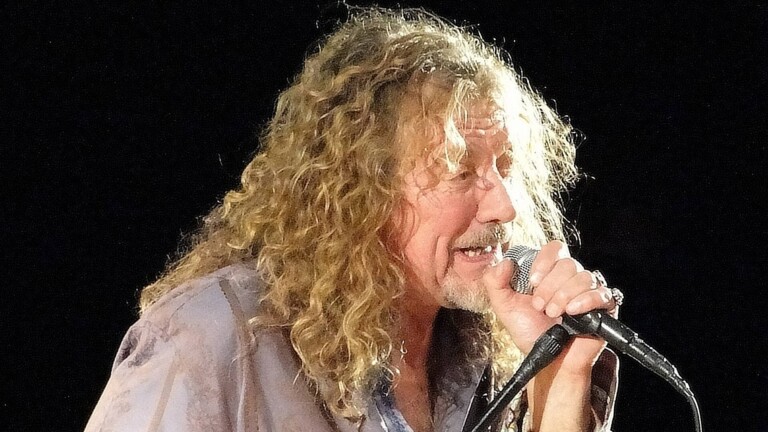
Robert Plant Opens Up on Son Karac’s 1977 Death and His Quiet Life Today
In a new Sunday Times interview, Robert Plant describes how the 1977 death of his five-year-old son Karac altered his attachment to Led Zeppelin, and shares details of his present-day life in a small Worcestershire village.
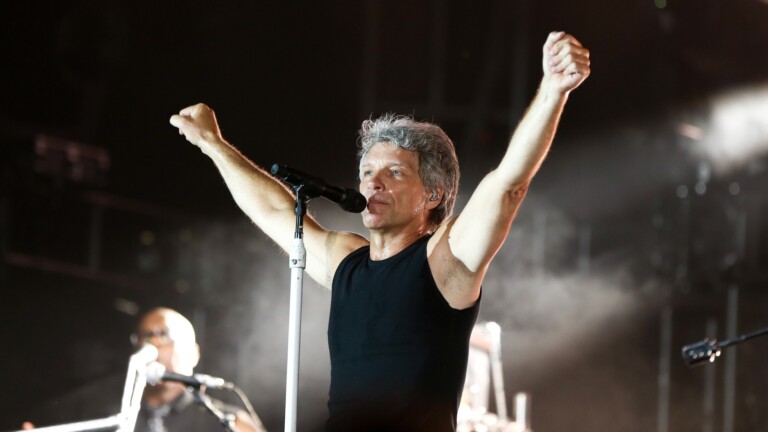
Bon Jovi Extends 2027 Stadium Dates, Expanding Forever Tour to Australia, UK and North America
Bon Jovi is expanding its Forever Tour with seven new 2027 stadium shows spanning Australia, the UK and North America, building on sold-out dates at Madison Square Garden and Wembley Stadium earlier this year.
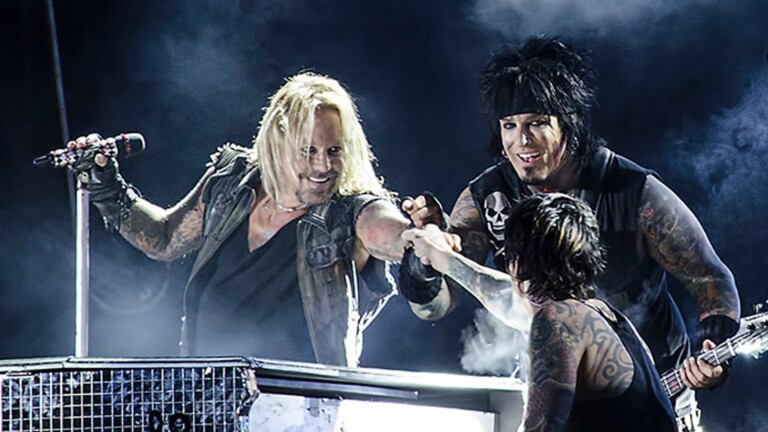
Motley Crue Sets 2027 ‘Carnival of Sins in Sin City’ Residency at Caesars Palace
Motley Crue has unveiled an eight-show Las Vegas residency, ‘Carnival of Sins in Sin City,’ set for The Colosseum at Caesars Palace from March 19 to April 3, 2027.
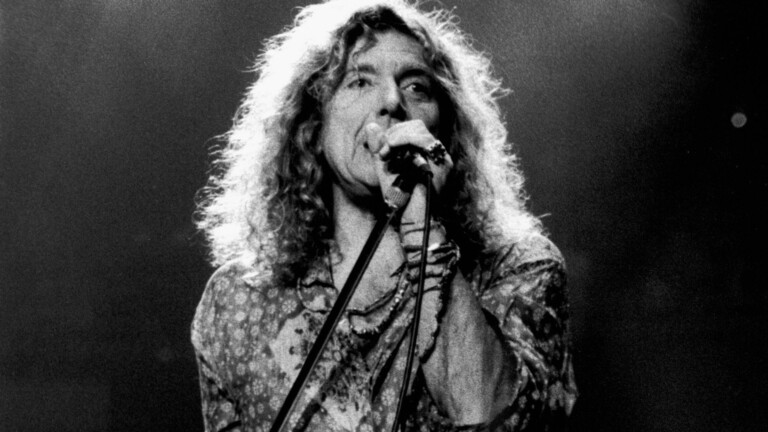
Led Zeppelin Lets ‘Stairway to Heaven’ Soundtrack a Movie Trailer for the First Time, for Greta Gerwig’s Narnia Film
Led Zeppelin has granted permission for ‘Stairway to Heaven’ to appear in a film for the first time, backing the debut trailer for Greta Gerwig’s Narnia: The Magician’s Nephew.