

Iron Maiden’s Troubled History With the Rock and Roll Hall of Fame, And What Their Nomination Means
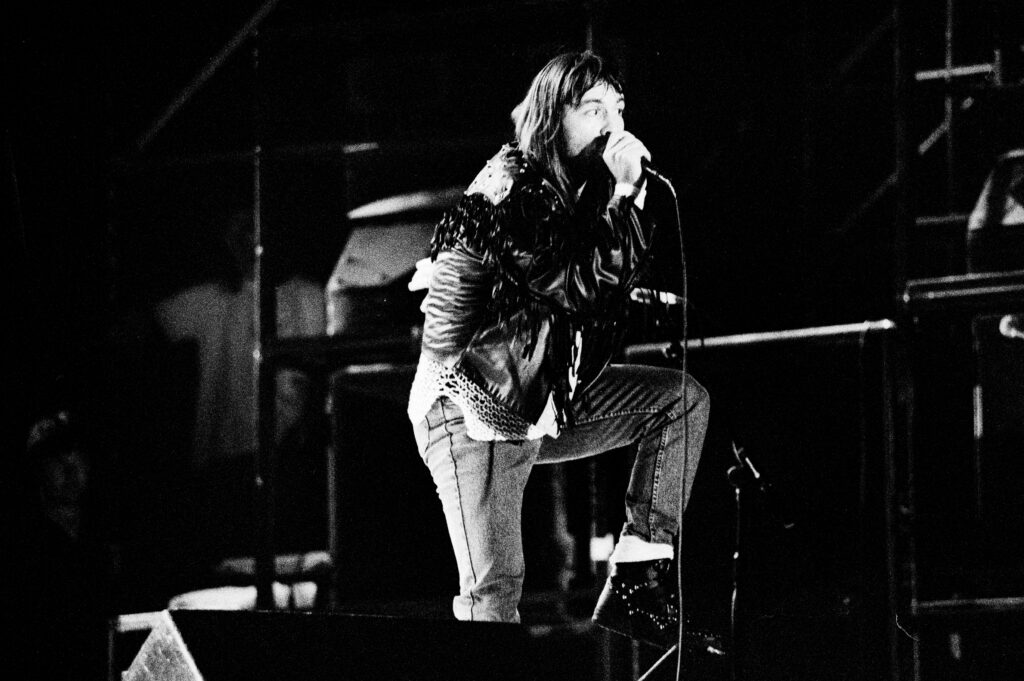
After two decades of eligibility, three nominations, and one of the most memorably hostile relationships in Rock Hall history, Iron Maiden are in
Bruce Dickinson once said that rock and roll music does not belong in a mausoleum in Cleveland. He said other things too, none of them particularly diplomatic. And yet, as of Monday night, his band is going into the Rock and Roll Hall of Fame, and the only question left worth asking is whether the most quotable frontman in metal will show up to accept the honor he spent years publicly scorning.
The journey from eligible to inducted is, for most artists, a story of patience and persistence. For Iron Maiden, it was something closer to a running feud, and it produced some of the most entertaining anti-establishment commentary in the institution’s 40-year history.
Twenty Years on the Outside
Iron Maiden released their debut album in 1980, which made them eligible for Rock Hall consideration starting around 2005. The Hall did not nominate them that year, or the next, or the one after that. Years became a decade. A decade became two. The band that sold over 100 million records, pioneered the New Wave of British Heavy Metal, built one of the most loyal fanbases in the history of live music, and turned a zombie mascot named Eddie into a global icon watched genre peers like Deep Purple and KISS wait out similar stretches before finally getting the call. Iron Maiden waited longer.
The nomination finally came in 2021, and then the voters said no. It came again in 2023, and the voters said no again. In between and around those moments, the Hall inducted artists that drew considerable eye-rolling from the metal community, while one of the genre’s defining bands sat on the outside looking in. The argument for Maiden’s inclusion was not subtle: here was a band that had influenced generations of musicians across every subgenre of heavy music, that had played to 500,000 people in Brazil before the internet made viral moments a concept, and that was still selling out stadiums on their 50th anniversary world tour. What exactly were they waiting for?
The Dickinson Problem
The complicating factor, and the reason this story has such good texture, is that Iron Maiden’s most iconic member was not sitting quietly at home wishing for the phone to ring. Bruce Dickinson, never a man to leave a thought unexpressed, used a spoken-word tour stop in Melbourne in 2018 to deliver what became the definitive anti-Rock Hall statement from a still-active artist. He called the institution “an utter and complete load of bollocks,” described it as being run by “sanctimonious bloody Americans who wouldn’t know rock and roll if it hit them in the face,” and suggested the voters needed to put down the Prozac and pick up a beer. He then went further, telling the Jerusalem Post that he would outright refuse induction if it ever arrived, adding for good measure that rock and roll music does not belong in a mausoleum.
These quotes circulated for years. They were reprinted every time the Hall announced a new class that did not include Iron Maiden. By 2023, Dickinson was still at it, telling the Telegraph that he simply did not want to be in the Rock Hall, noting that the band was “not dead yet” and suggesting that some people feel actively threatened by metal because it refuses to conform to a disposable pop music worldview. His bandmates took a somewhat different posture. Bassist Steve Harris and drummer Nicko McBrain had expressed genuine interest in the recognition over the years, even if they publicly downplayed it as a career priority. The internal dynamic was always clear: the band was divided on the matter, and the loudest voice in the room was the one saying thanks but no thanks.
The Statement and What It Means
Then came Monday night, and with it a response from the band that was notably gracious without being sycophantic. Manager Rod Smallwood, speaking on behalf of the group, thanked the Hall for including the band and all former members who were part of their story, acknowledged that it is “always nice to be recognised,” and tied the timing to the band’s ongoing 50th anniversary Run for Your Lives World Tour. It was the statement of a band that has made its peace with the honor, not one that is performing enthusiasm it does not feel.
Whether Dickinson himself attends on November 14 at the Peacock Theater in Los Angeles remains genuinely open. He has said things he may or may not still mean. He is also a man with a flair for the theatrical, and the idea of Bruce Dickinson walking to a Rock Hall podium after years of calling the place a mausoleum is exactly the kind of irony he would appreciate.
The Trooper has finally entered the Hall. Eddie would approve.

Related Stories
Alice Cooper Opens Up on Crack Addiction That Nearly Killed Him and Nearly Ended His Marriage
Alice Cooper’s new memoir ‘Devil on My Shoulder’ and a companion interview with The Telegraph detail how his crack cocaine use in the late 1970s and early 1980s brought him close to death and nearly cost him his marriage.
Roger Waters and Son Harry Waters Launch Pink Floyd Tribute Tour ‘LEGACY’ for 2027
AEG Presents and ICON LIVE have announced ‘Roger Waters Presents LEGACY: A Pink Floyd Show,’ a new touring production led musically by Harry Waters and launching February 15, 2027 in Columbus, Georgia.
Brian May Says Queen’s Touring Days Are Over
Brian May says he and Roger Taylor quietly agreed a year and a half ago that Queen would not tour again, a choice shaped by the death of a close family friend while the band was on the road in America.
Slash Announces 2027 World Tour and New Album ‘Flying Blind’ With Myles Kennedy
Slash has unveiled a 2027 world tour with Myles Kennedy and The Conspirators and a new album, ‘Flying Blind,’ marking his first dedicated run with the band since 2024.
Michael McDonald Reunites With Son Given Up for Adoption Nearly 60 Years Ago
A St. Louis man named Michael Goessling has learned that Doobie Brothers singer Michael McDonald is his biological father, nearly 60 years after being given up for adoption as an infant.
Metallica Kicks Off ‘Life Burns Faster’ Residency at Las Vegas Sphere
Metallica’s “Life Burns Faster” residency opens at the Las Vegas Sphere on October 1, 2026, running through March 2027 with 24 shows, a merch collaboration with adidas and a lineup of fan events across the city.
Rod Stewart Announces Retirement From Touring, Reveals 2027 ‘The Final Encore’ Tour Dates
Rod Stewart says his upcoming 2027 tour of the UK and Europe, called The Final Encore, will be his last time touring, though he insists he isn’t stepping away from music entirely.
Jo Wood Says Rolling Stones Touring Days May Be Done Because of Keith Richards
Jo Wood, Ronnie Wood’s ex-wife, says she doubts the Rolling Stones will hit the road again, blaming Keith Richards’ hesitance even as the band’s new album Foreign Tongues thrives.
Rush’s Geddy Lee, Alex Lifeson Push Neil Peart Memorial Fund Past $1 Million Goal
Rush’s Geddy Lee and Alex Lifeson delivered a $785,000 check to the Neil Peart Commemorative Task Force, putting a years-long campaign to build the late drummer’s memorial in Ontario over its $1 million target.