

John Fogerty Brings Centerfield Back With a 2026 Re-Release
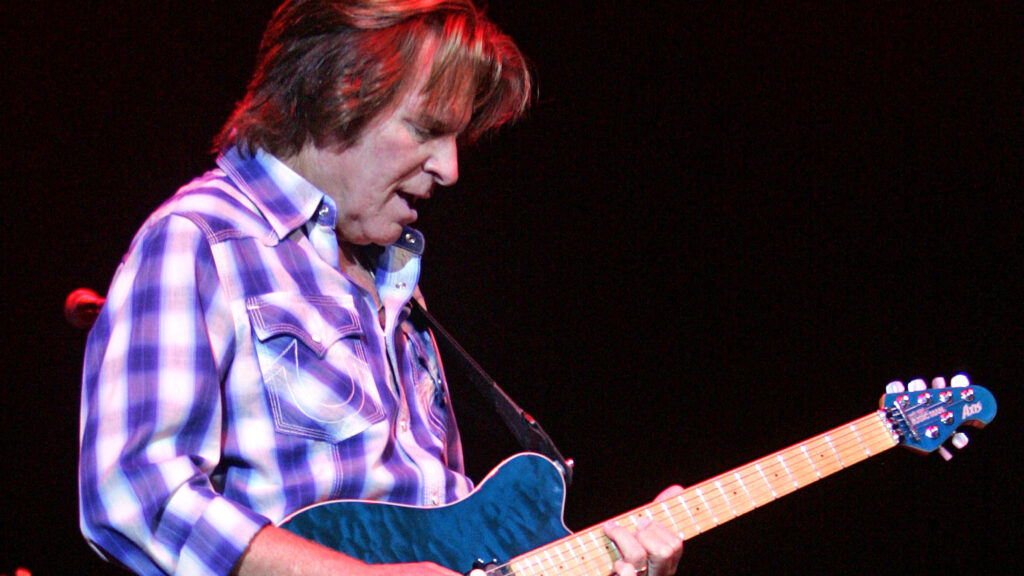
John Fogerty is taking Centerfield back to the plate, and this time he is doing it with the kind of control that eluded him for years.
The 1985 solo blockbuster, which put Fogerty back on top after a long silence, is being re-released in a new remastered edition scheduled for Aug. 28, with additional spotlight around “Centerfield (Hall of Fame Edition)” tied to Major League Baseball’s 2026 Opening Day cycle. For casual listeners, this is a straightforward anniversary-style reissue. For anyone who has followed Fogerty’s long fight over ownership and legacy, it is something bigger: a reclamation move from an artist who once watched his own songs become legal battlegrounds.
It is impossible to separate Centerfield from that history. Fogerty released the album in January 1985, his first major solo studio statement in nearly a decade after legal and label turmoil in the wake of Creedence Clearwater Revival’s collapse. The record hit No. 1 on the Billboard 200, generated three Hot 100 Top 10 singles, and reestablished him as a contemporary hitmaker rather than a nostalgia act. At a moment when MTV, synth pop, and arena polish were redefining mainstream rock, Fogerty came in with hard-groove guitars, terse songcraft, and a voice that still sounded like California asphalt and Southern swamp rolled into one.
The title track became the center of gravity. “Centerfield” escaped the normal life cycle of a radio single and moved into American sports ritual. It blared through MLB parks, filtered into highlight reels, and eventually became baseball shorthand for readiness and return. The lyric “Put me in, coach” is now part of pop language, quoted by people who have never owned the album and may not know the song’s original context.
That cultural saturation can obscure how sharp the rest of the record is. “The Old Man Down the Road” opened the campaign with menace and momentum, riding one of Fogerty’s most recognizable riffs. “Rock and Roll Girls” hit with bright hooks without losing grit. “Big Train (From Memphis)” and “I Saw It on TV” expanded the emotional range beyond pure jukebox muscle. Fogerty has long said that he cut Centerfield largely on his own terms, and one of the album’s enduring flexes is that he played the lion’s share of instruments himself. It sounds tight not because it is overproduced, but because one musician is steering every turn.
So why does a 2026 re-release matter in practical terms? Because Fogerty’s catalog story has changed dramatically in recent years. For decades, his relationship with the old CCR and Fantasy-era rights structure stood as one of classic rock’s most cited cautionary tales. He spent years in legal fights, including the surreal period when he was sued for sounding too much like himself. More recently, that arc shifted. Fogerty has moved into an era defined less by litigation and more by restoration, whether through renewed control, archival projects, or fresh recordings that reposition his songbook under his own banner.
Centerfield now sits right in the middle of that late-career pivot. It was the record that proved Fogerty could build a new chapter after Creedence. Reissuing it in 2026, with remastering and Hall of Fame framing, effectively tells a second story: this is not just the comeback album anymore, it is the catalog cornerstone.
There is also a market logic that should not be ignored. Heritage rock has entered a period where box sets and deluxe packaging are no longer enough on their own. Artists and estates need narrative hooks that connect old recordings to present-day listening behavior. MLB Opening Day placement gives Fogerty exactly that. “Centerfield” already owns baseball season at the cultural level, so this re-release can ride both nostalgia and relevance without feeling forced.
For younger listeners, the remaster offers an on-ramp to an album that still moves. For older fans, it is a sharper return to a record that sounded like vindication the first time around.
Rock reissues often arrive as museum pieces, carefully dusted and filed for collectors. Fogerty’s Centerfield return lands differently because the songs were never fully in storage.
In baseball language, this is not a farewell lap. It is a veteran stepping back into the batter’s box with the same swing, clearer ownership of the scoreboard, and a catalog that still has impact.
Forty-plus years after its release, Centerfield remains one of the rare classic rock albums that can function as biography, legal epilogue, and jukebox staple all at once. The 2026 re-release does not reinvent it. It does something more useful. It reframes it on Fogerty’s terms, in real time, while the song that gave the album its name still echoes through stadium speakers every spring.
Related Stories
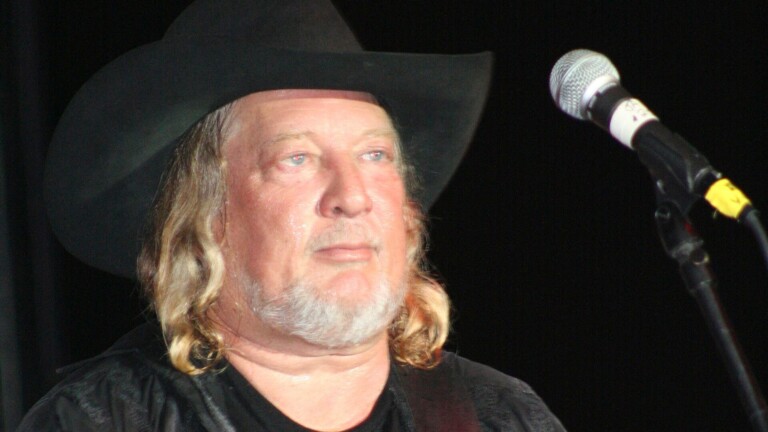
John Anderson, ‘Swingin” and ‘Seminole Wind’ Singer, Dies at 71
John Anderson, the Country Music Hall of Fame singer behind “Swingin'” and “Seminole Wind,” has died at age 71, only days after taking part in Nashville’s 2026 Medallion Ceremony.
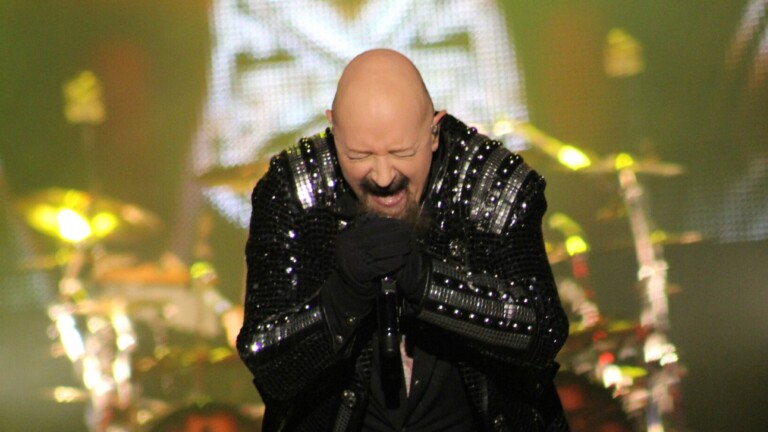
Judas Priest Locks In First Confirmed 2027 US Tour Date at Boardwalk Rock
Judas Priest has confirmed its first US concert of 2027, a slot on the Iron Maiden-headlined Sunday bill at the Boardwalk Rock festival in Ocean City, Maryland.
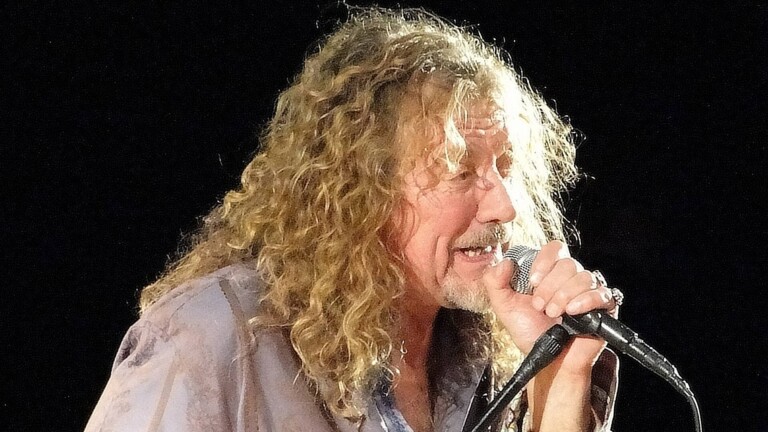
Robert Plant Opens Up on Son Karac’s 1977 Death and His Quiet Life Today
In a new Sunday Times interview, Robert Plant describes how the 1977 death of his five-year-old son Karac altered his attachment to Led Zeppelin, and shares details of his present-day life in a small Worcestershire village.
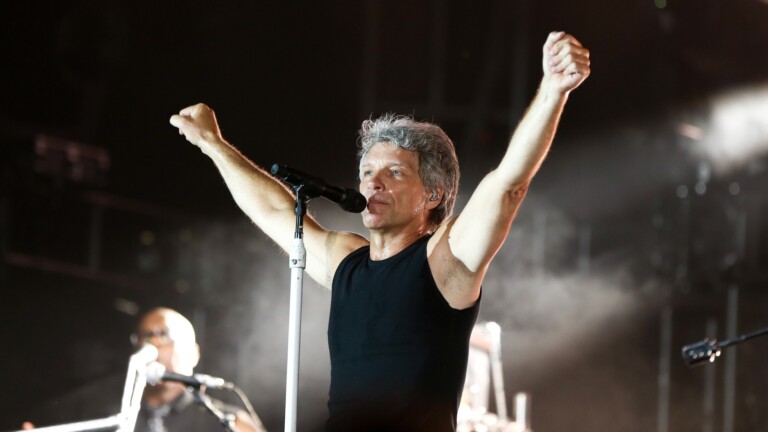
Bon Jovi Extends 2027 Stadium Dates, Expanding Forever Tour to Australia, UK and North America
Bon Jovi is expanding its Forever Tour with seven new 2027 stadium shows spanning Australia, the UK and North America, building on sold-out dates at Madison Square Garden and Wembley Stadium earlier this year.
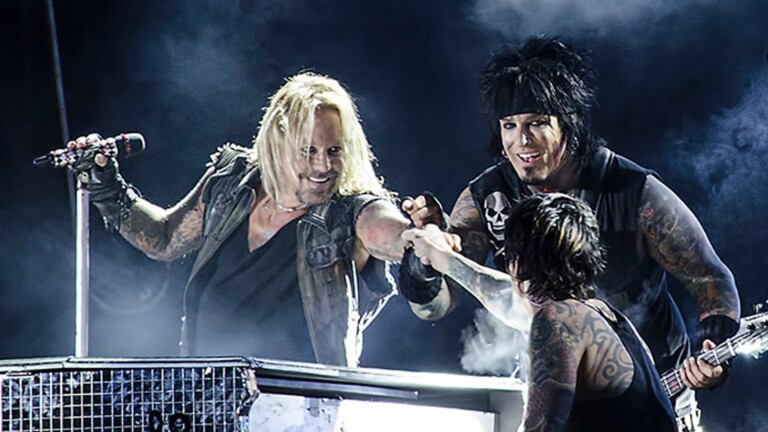
Motley Crue Sets 2027 ‘Carnival of Sins in Sin City’ Residency at Caesars Palace
Motley Crue has unveiled an eight-show Las Vegas residency, ‘Carnival of Sins in Sin City,’ set for The Colosseum at Caesars Palace from March 19 to April 3, 2027.
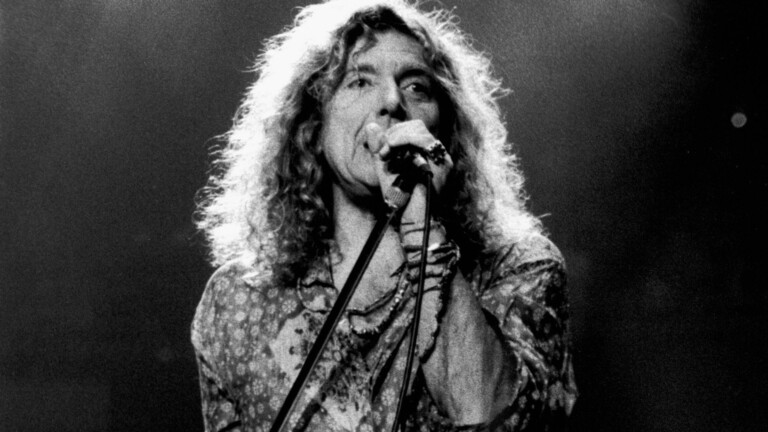
Led Zeppelin Lets ‘Stairway to Heaven’ Soundtrack a Movie Trailer for the First Time, for Greta Gerwig’s Narnia Film
Led Zeppelin has granted permission for ‘Stairway to Heaven’ to appear in a film for the first time, backing the debut trailer for Greta Gerwig’s Narnia: The Magician’s Nephew.
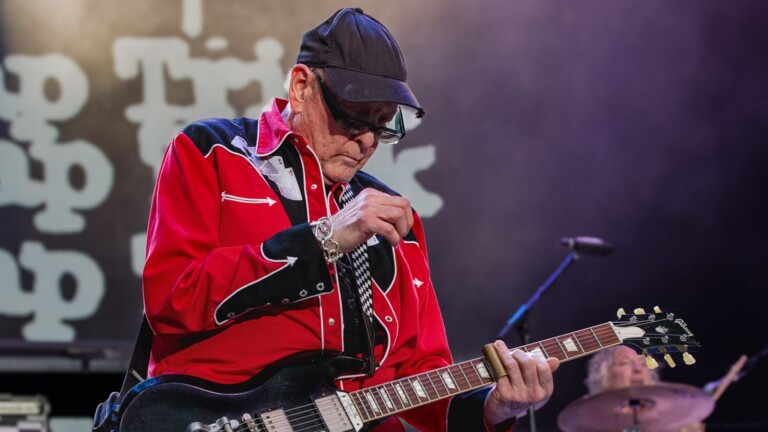
Cheap Trick 2027 Concert Dates Announced
Cheap Trick has booked its first three concert dates for 2027, set for February and April, as the band’s ongoing All Washed Up Tour continues through the fall of 2026.
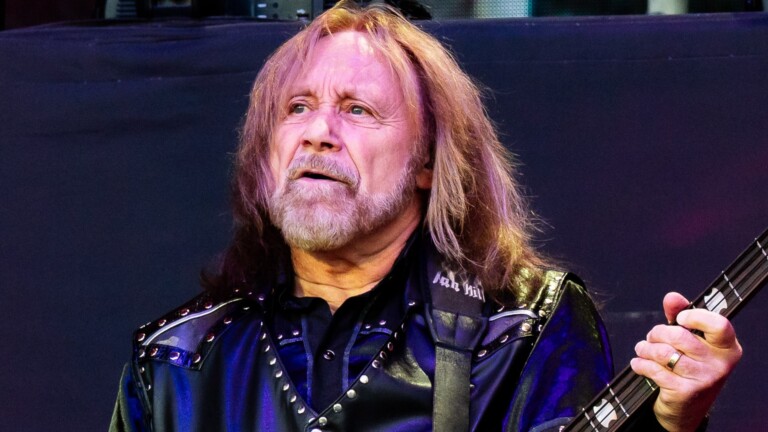
Judas Priest’s Ian Hill Retires After 57 Years, Longest-Serving Member
Judas Priest founding bassist Ian Hill has stepped away from the band after 57 years, citing worsening arthritis and a torn shoulder tendon, with Uriah Heep’s Davey Rimmer set to take his place on bass starting with the band’s 2027 touring.
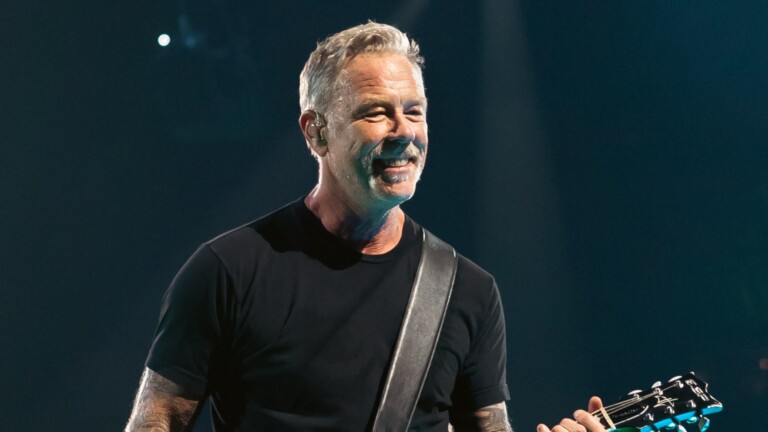
James Hetfield Tells Sphere Crowd Metallica Won’t Push a Political Agenda
James Hetfield addressed the Las Vegas Sphere crowd on October 10, 2026, drawing a line between Metallica and other entertainers who use their platforms for political messaging.