

John Lennon and Yoko Ono Concert Film “Power to the People” Heads to Theaters This Spring
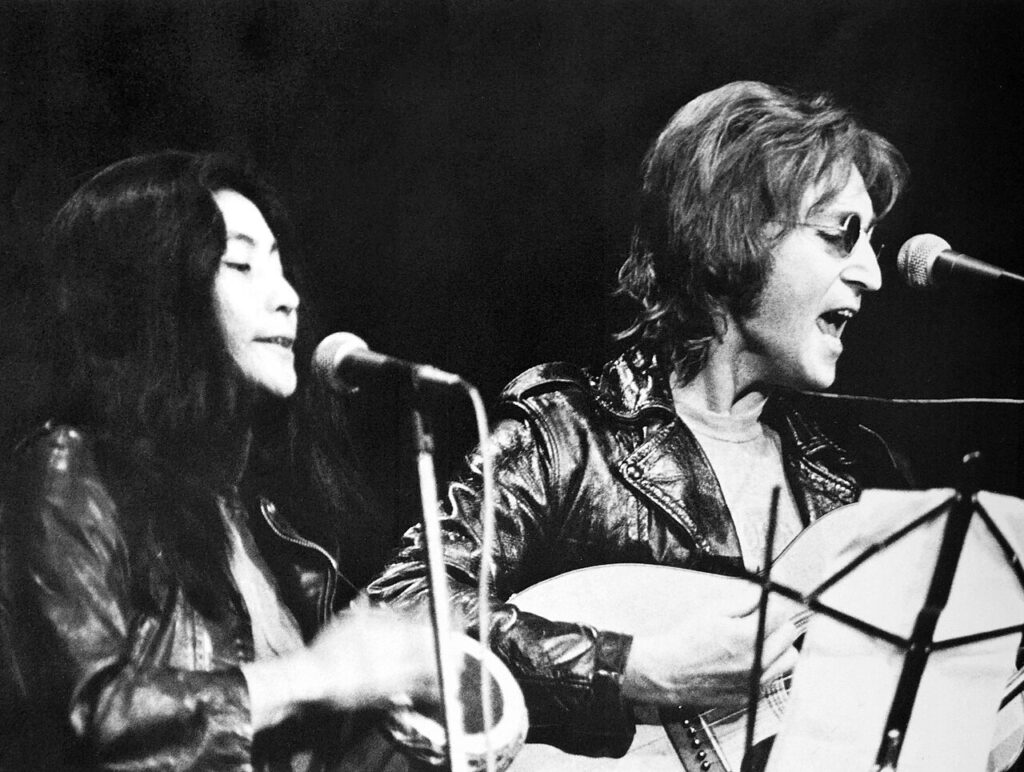
John Lennon and Yoko Ono are returning to cinemas this spring through a new theatrical rollout of Power to the People, a concert-focused film built around performance footage from one of the most politically charged periods of their partnership. The release arrives as music-distribution patterns continue shifting toward one-night theatrical events and archival restorations that treat legacy catalogs as cultural moments rather than library titles.
That context is central to why this film matters. Lennon and Ono have never been difficult to find in fragments, televised clips, bootleg-era transfers, documentary excerpts, and anniversary compilations have circulated for decades. What has been harder to access is a coherent big-screen framing that treats the music and activism as one artistic project. This release is positioned to do exactly that.
What “Power to the People” is positioning itself to deliver
The spring cinema push presents the film as more than a nostalgia package. At its core is live material tied to Lennon and Ono’s post-Beatles era, when songs, interviews, and public appearances were tightly linked to anti-war politics and media-facing activism. That framing gives the film two audiences at once: longtime Beatles-era viewers who lived through the period, and younger filmgoers who know the catalog but not the full historical context around it.
From an editorial perspective, the key distinction is format intent. The project is being rolled out as an event screening, not buried as background content inside a streaming carousel. That distribution choice usually signals confidence in both audience demand and the strength of the archival material on a theater sound system.
How this fits Lennon and Ono’s wider screen legacy
Lennon and Ono have been the subject of extensive documentary treatment, but coverage often splits into separate lanes: Beatles mythology on one side, art-and-activism biography on the other. A concert film anchored to this period can bridge that divide by letting performance drive the narrative while still preserving political context.
It also extends the recent run of legacy-music theatrical programming, where restored or recontextualized catalog material has become a reliable draw in metropolitan markets. For exhibitors, these releases work because they create urgency around specific dates. For fans, they offer a shared-room experience that home viewing cannot replicate, especially when the source material carries historical weight and recognizable catalog songs.
What to watch as theater listings expand
The practical details will determine how large this release can become: participating chains, city-by-city dates, and whether screenings are one-night engagements or extended limited runs. In similar rollouts, regional demand tends to spike quickly in New York, Los Angeles, London, and major college markets where music-doc audiences overlap with repertory cinema crowds.
Programming details may also shape critical response. Premium audio rooms, curated intros, or archival featurettes can materially improve reception for catalog films by making the event feel newly authored rather than re-packaged. If those elements are included here, the film’s impact could stretch beyond core fan service and into broader spring documentary conversation.
Why this release lands now
The larger significance is timing. The Lennon and Ono archive has never stopped being referenced, but each new presentation asks the same question: does this material still speak to current audiences, or only to historical memory? A theatrical run built around Power to the People suggests distributors believe the answer is still immediate.
For Music News Live readers, that is the real takeaway. This is not just another classic-rock recycle. It is a fresh cinema-facing package that places Lennon and Ono’s live work back in a public setting where sound, crowd response, and political edge are experienced together, which is how the material was designed to hit in the first place.

Related Stories
Who the F**k Are the Cockroaches? Inside the Rolling Stones’ Oldest Trick and Its Mysterious 2026 Revival
If you walked through certain neighborhoods of London this week and spotted a strange poster tacked to a wall with…
Gene Simmons Solo 2026 Tour Dates
Kiss may have taken its final bow, but Gene Simmons clearly did not get the memo that he was supposed…
Bob Dylan Launches Patreon Page, But It’s Not What You’d Expect
Bob Dylan has never been easy to predict. But even by his standards, his latest move has left fans and…
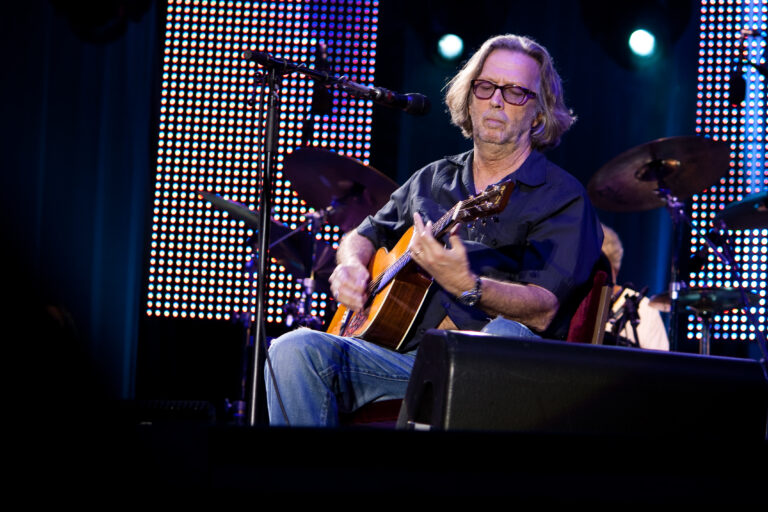
Eric Clapton’s Crossroads 2026 Is Headed to Austin With a Two-Night Guitar All-Star Summit
Eric Clapton’s Crossroads Guitar Festival has never been about subtlety. It is about guitar heroes, big rooms, louder amps, and…
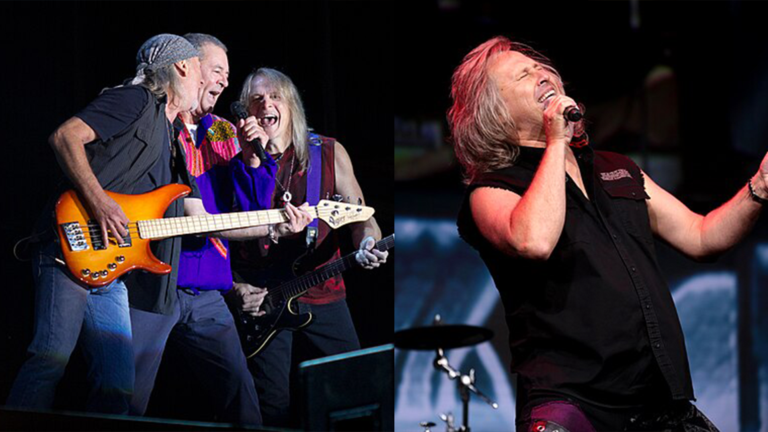
Deep Purple and Kansas 2026 Tour Dates Kick Off in April
Deep Purple and Kansas are two very different rock institutions, but that contrast is exactly why their 2026 run has…
Hear It: Jimmy Page Releases New Version of ‘Ten Years Gone,’ Reframing a Zeppelin Masterwork
Jimmy Page has opened a new chapter in Led Zeppelin history by releasing a fresh version of “Ten Years Gone,”…
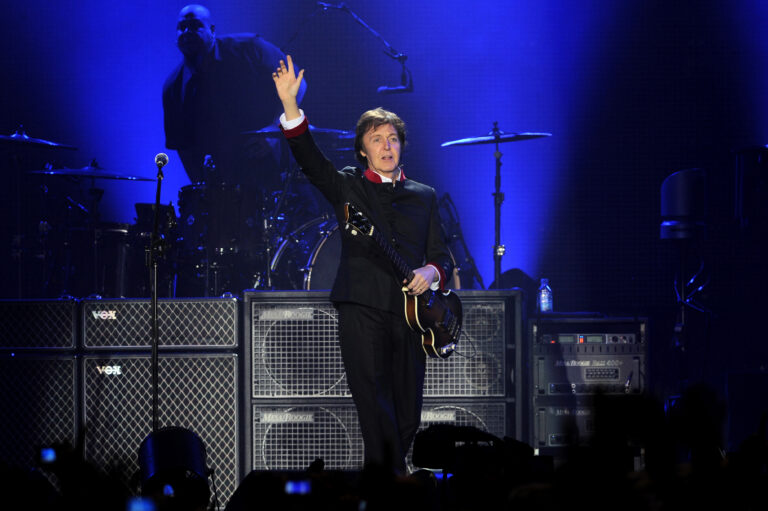
Paul McCartney at the Fonda: What Actually Happened at the March 28 Hollywood Show
Paul McCartney’s March 28 stop at the Fonda Theatre in Hollywood was the kind of show that reminds you why…
Lindsey Buckingham Hints at Reconciliation With Stevie Nicks: ‘Something That’s in the Air’
Lindsey Buckingham has reopened one of classic rock’s most emotionally loaded storylines, and he did it with a phrase that…
Lou Gramm’s 2026 Tour: Full List of Dates Announced
Lou Gramm is taking the road again in 2026, and the schedule now posted on his official site lays out…