

Paul McCartney at the Fonda: What Actually Happened at the March 28 Hollywood Show
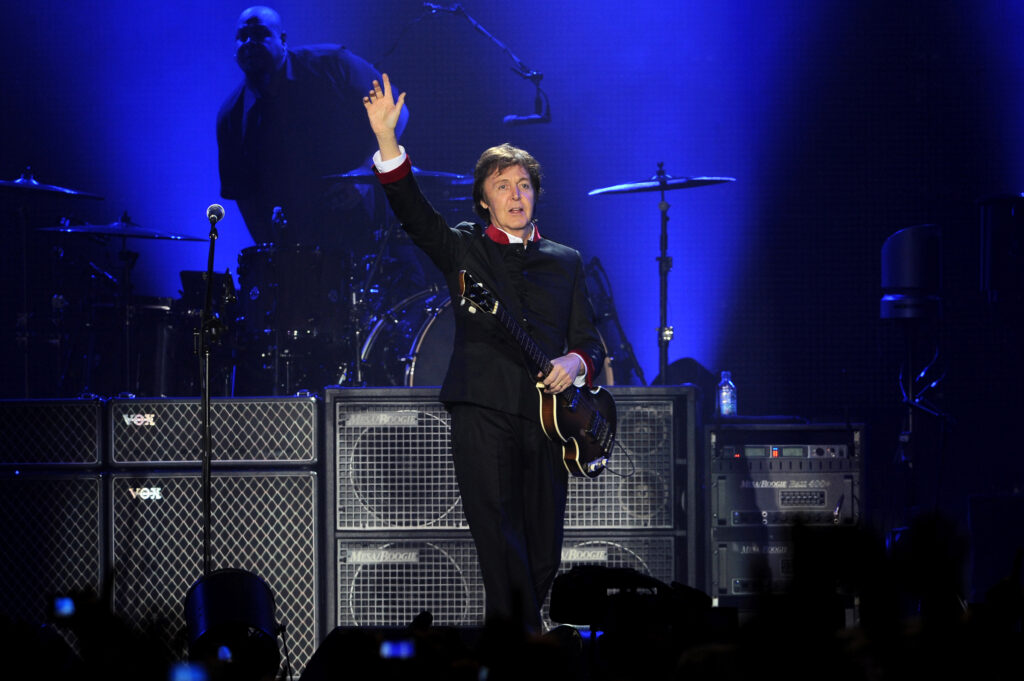
Paul McCartney’s March 28 stop at the Fonda Theatre in Hollywood was the kind of show that reminds you why scale and impact are not the same thing. In a room that holds roughly 1,200 people, McCartney delivered a 24-song set that pulled from the Beatles, Wings, and his solo catalog with the confidence of an artist who still thinks in complete set arcs, not nostalgia fragments. According to the posted set details, doors opened at 6:30 p.m., the show was scheduled for 8:00, and McCartney took the stage at 8:10. From there, he ran a tight, high-value performance that felt curated for listeners who care about both legacy and songcraft.
The first major statement came immediately: he opened with “Help!” That choice matters. The song is one of the Beatles’ most recognizable recordings, but it is also structurally sharp, harmonically efficient, and emotionally loaded. As an opener, it set an urgent tone and signaled that this was not going to be a low-stakes warmup in a smaller room. It was a serious performance from the first bar.
He followed with “Coming Up,” then moved into “Got to Get You Into My Life” and “Let Me Roll It,” a sequence that bridged eras without losing momentum. This is one of McCartney’s enduring strengths as a live performer: he can move from Beatles material to Wings and solo work without the show feeling segmented. At the Fonda, that flow was one of the night’s biggest wins.
The middle stretch of the set balanced muscle and melody. “Getting Better” and “Let ’Em In” kept the crowd in sing-along territory, while “My Valentine” and “Maybe I’m Amazed” brought the emotional center into focus. “Nineteen Hundred and Eighty-Five” gave the band room to expand dynamically, and “I’ve Just Seen a Face” and “Every Night” added intimacy that played especially well in a theater context.
A key pivot came with “From Me to You” and “Blackbird,” which shifted the room from celebration to reflection. Then McCartney performed “Now and Then,” the Beatles’ late-period release that carries unusual emotional weight because of its history and production lineage. In this setting, “Now and Then” did not feel like a novelty add-on. It felt integrated into the narrative of the set, a bridge between archival legacy and present-tense performance.
The final run of the main set leaned into pure catalog authority: “Lady Madonna,” “Something,” “Band on the Run,” “Ob-La-Di, Ob-La-Da,” “Get Back,” “Let It Be,” and “Hey Jude.” There is no version of modern popular music history where that stretch is not heavyweight material. In a club-sized room, those songs hit differently, less like stadium ritual and more like direct communication between stage and audience.
McCartney closed with the Abbey Road side-two sequence, “Golden Slumbers,” “Carry That Weight,” and “The End.” For anyone who has tracked Beatles set-construction references over the years, this is one of the most effective possible endings because it lands with finality while still feeling celebratory. “The End” remains one of rock’s most elegant closing statements, and it worked exactly that way at the Fonda.
What made this show stand out was not only the title list, but the design behind it. The set was 24 songs, heavily weighted toward Beatles compositions, with selective emphasis on solo and Wings cuts that served pacing rather than checklist fulfillment. It read like a veteran artist choosing songs for narrative function: open with urgency, broaden the time line, introduce vulnerability, then close with material that carries communal resonance.
From a rock-journalism perspective, the bigger takeaway is that McCartney continues to perform like a working bandleader, not a ceremonial icon. He still understands tempo psychology, vocal pacing, and the value of sequencing songs so emotional peaks arrive with intention. The Fonda show reinforced that his live legacy is not just about having written classic songs. It is about knowing how to deploy them in real time.
For Los Angeles, the night also carried symbolic weight. The city has hosted every version of McCartney’s modern career, from giant outdoor productions to theater-scale surprises, and the Fonda date added another chapter to that history. A globally recognized artist choosing an intimate Hollywood room for a full, career-spanning set is not just a flex. It is a reminder that rock performance, at its best, is still about craft in the room.
In short, this was not a cameo and not a nostalgia lap. It was a complete McCartney show on a smaller stage, built around a setlist with real internal logic and delivered with the confidence of someone who still treats live music as a living discipline. For the fans inside the Fonda on March 28, that was the headline.
Setlist (March 28, 2026 – The Fonda Theatre, Los Angeles)
- Help!
- Coming Up
- Got to Get You Into My Life
- Let Me Roll It
- Getting Better
- Let ‘Em In
- My Valentine
- Nineteen Hundred and Eighty-Five
- Maybe I’m Amazed
- I’ve Just Seen a Face
- Every Night
- From Me to You
- Blackbird
- Now and Then
- Lady Madonna
- Something
- Band on the Run
- Ob-La-Di, Ob-La-Da
- Get Back
- Let It Be
- Hey Jude
(Encore) - Golden Slumbers
- Carry That Weight
- The End
Related Stories
Robert Plant Opens Up on Son Karac’s 1977 Death and His Quiet Life Today
In a new Sunday Times interview, Robert Plant describes how the 1977 death of his five-year-old son Karac altered his attachment to Led Zeppelin, and shares details of his present-day life in a small Worcestershire village.
Bon Jovi Extends 2027 Stadium Dates, Expanding Forever Tour to Australia, UK and North America
Bon Jovi is expanding its Forever Tour with seven new 2027 stadium shows spanning Australia, the UK and North America, building on sold-out dates at Madison Square Garden and Wembley Stadium earlier this year.
Motley Crue Sets 2027 ‘Carnival of Sins in Sin City’ Residency at Caesars Palace
Motley Crue has unveiled an eight-show Las Vegas residency, ‘Carnival of Sins in Sin City,’ set for The Colosseum at Caesars Palace from March 19 to April 3, 2027.
Led Zeppelin Lets ‘Stairway to Heaven’ Soundtrack a Movie Trailer for the First Time, for Greta Gerwig’s Narnia Film
Led Zeppelin has granted permission for ‘Stairway to Heaven’ to appear in a film for the first time, backing the debut trailer for Greta Gerwig’s Narnia: The Magician’s Nephew.
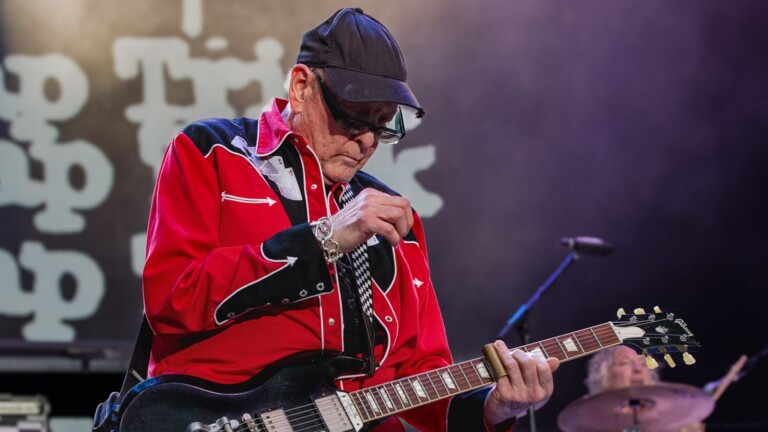
Cheap Trick 2027 Concert Dates Announced
Cheap Trick has booked its first three concert dates for 2027, set for February and April, as the band’s ongoing All Washed Up Tour continues through the fall of 2026.
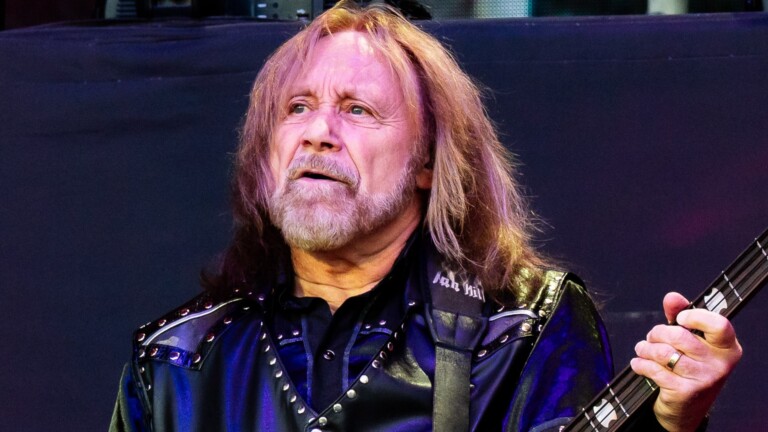
Judas Priest’s Ian Hill Retires After 57 Years, Longest-Serving Member
Judas Priest founding bassist Ian Hill has stepped away from the band after 57 years, citing worsening arthritis and a torn shoulder tendon, with Uriah Heep’s Davey Rimmer set to take his place on bass starting with the band’s 2027 touring.
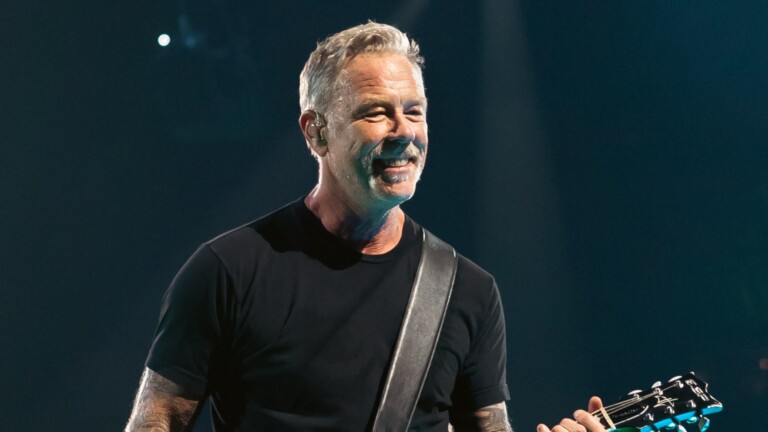
James Hetfield Tells Sphere Crowd Metallica Won’t Push a Political Agenda
James Hetfield addressed the Las Vegas Sphere crowd on October 10, 2026, drawing a line between Metallica and other entertainers who use their platforms for political messaging.
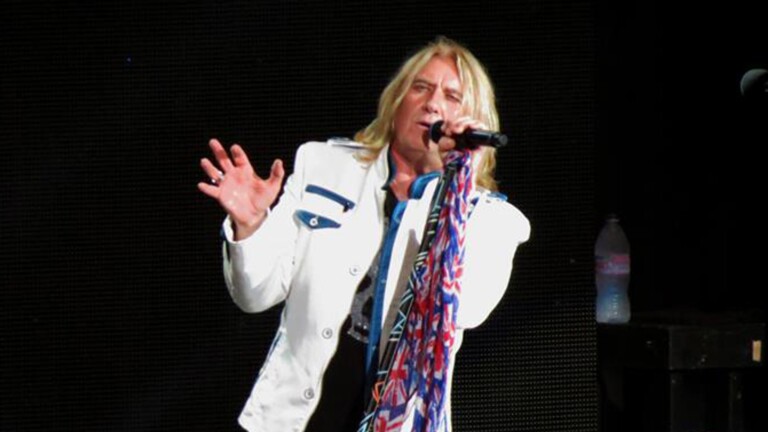
Def Leppard Announces Massive 2027 Tour With Goo Goo Dolls, The Struts
Def Leppard will co-headline a 45-date 2027 North American tour with Goo Goo Dolls, joined by The Struts, running from March 2 in Allentown, Pennsylvania through July 2 in Indianapolis, Indiana.
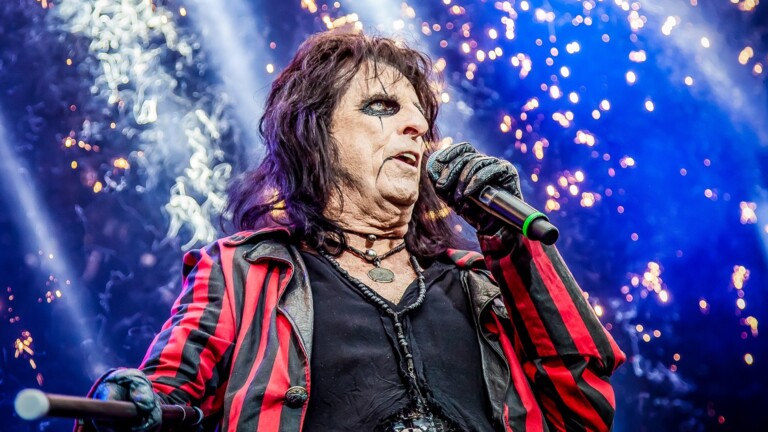
Alice Cooper Opens Up on Crack Addiction That Nearly Killed Him and Nearly Ended His Marriage
Alice Cooper’s new memoir ‘Devil on My Shoulder’ and a companion interview with The Telegraph detail how his crack cocaine use in the late 1970s and early 1980s brought him close to death and nearly cost him his marriage.