

John Mayer and Director McG to buy Jim Henson Studio Lot

John Mayer and film director McG are making headlines with their acquisition of the legendary Jim Henson Studio Lot, a property rich in Hollywood history and cultural significance. Valued at about $60 million, this transaction has not only turned heads due to its hefty price tag but also because of the storied past of the lot itself. Originally erected in 1917 by the silent film legend Charlie Chaplin, the studio has transitioned through several iconic phases, including its time as A&M Studios, a pivotal location for music recording, and its more recent history as the home of the Jim Henson Company.
The lot’s historical significance is vast. Charlie Chaplin used it for classics like “The Kid” and “The Great Dictator”. When Chaplin sold the property in the early 1950s, it passed through various hands, including that of CBS and eventually A&M Records, which occupied the site from the 1960s. This era marked the studio’s transformation into a music powerhouse, hosting recordings from numerous iconic artists. The Jim Henson Company acquired it in 2000, embedding itself as a key player in its operations. This purchase marks another nostalgic evolution, with John Mayer already having creative ties to the studio, having recorded his 2021 album “Sob Rock” there.
The recent interest from other parties, including Fab Factory Studios, a music production firm associated with the Church of Scientology, had generated some controversy. While rumors abounded that the Church of Scientology was directly involved, it was actually individuals from the Fabos family, significant contributors to the church, who aimed to acquire it. Their delay in finalizing the deal provided Mayer and McG with the opportunity to step in and secure the property. This outcome has been met with relief and celebrates their intention to preserve the lot’s creative heritage rather than see it transformed by an organization with a more commercially controversial reputation.
Mayer and McG’s acquisition is not just an investment but could be seen as a dedication to maintaining the artistic integrity of Hollywood’s historic sites. The decision also reflects shifting paradigms in the entertainment industry where musicians like Mayer are increasingly diversifying into other creative and business arenas.
Supporting the duo’s venture is the understanding that such properties are more than real estate; they are pieces of cinematic art and heartbeats of cultural history. The lot’s transition under Mayer and McG’s management holds promise for continued artistic use while safeguarding the unique atmosphere that the Henson Lot offers. Under their stewardship, this historic site will likely remain a vibrant hub for music, film, and creative projects resonating with both its illustrious past and the needs of modern entertainment.
The 80,000-square-foot facility features amenities that attract both filmmakers and musicians, making it a continued asset to the creative community. For Mayer and McG, this is an opportunity not only to honor the space’s legacy but to shape its future as a cradle of innovative entertainment. By keeping the studio running, they are also curating a space where past legends mingled with contemporary talent who will continue to craft their arts within its walls.
Beyond its practical implications, this acquisition is a profound testament to the enduring appeal of Hollywood’s historic landmarks. Important to resist commercialization and demolition threats, these sites offer a tangible connection to the industry’s roots. Mayer and McG are seizing a moment to foster that legacy, reinforcing the importance of preserving spaces that have served as platforms for groundbreaking projects and cultural milestones.
Through various transitions in ownership and purpose, the Jim Henson Lot stands as a reminder of the narrative woven through sonic and visual arts. The stewardship of Mayer and McG may very well encourage a newly invigorated respect and use of the space, honoring its past while shaping its future as a foundational pillar of both film and music production. As the entertainment landscape evolves, such initiatives underscore the value of history as an active participant in the future of creative industries, ensuring spaces like the Henson Lot remain open and inviting for generations of artists to come.
This acquisition exemplifies how history, art, and business can intersect to preserve and create spaces that pay homage to their storied pasts while looking ahead to future innovations. For Mayer, McG, and all who find their creative inspiration within its walls, the Jim Henson Studio Lot is more than a relic; it is a living, breathing entity as vital to Hollywood’s future as it was to its past.
Key Takeaways
-
www.tmz.com | John Mayer and director McG have teamed up to purchase the historic Jim Henson Studio lot in Hollywood for $60 million.
-
www.thewrap.com | The Jim Henson Studio lot, located on La Brea Avenue, was purchased from the Henson family who acquired it in 2000.
-
www.hollywoodreporter.com | Prior to the acquisition by Mayer and McG, the lot was rumored to be purchased by Fab Factory Studios, with ties to prominent Scientologists.
-
www.billboard.com | John Mayer had previously recorded at the studio, crafting part of his 2021 album 'Sob Rock' on this historic lot.
TOP STORIES
RELATED ARTISTS



Related Stories
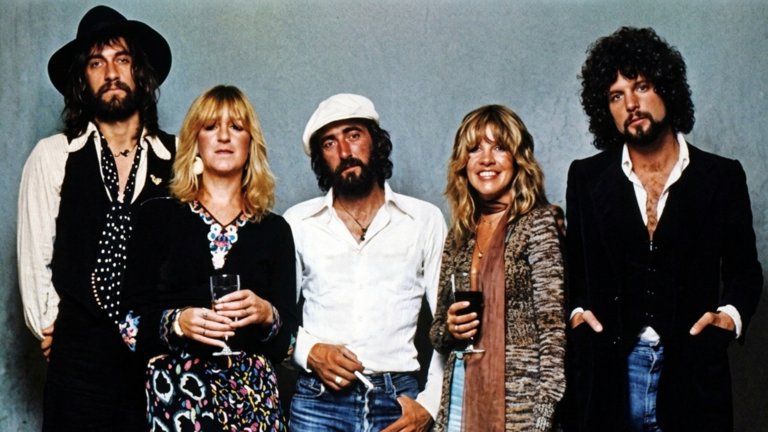
Fleetwood Mac Documentary ‘The Chain’ Gets Title and Release Date
Fleetwood Mac: The Chain, the band’s first fully authorized documentary, arrives on Apple TV on January 29, 2027, coinciding with the 50th anniversary of Rumours.

John Anderson, ‘Swingin” and ‘Seminole Wind’ Singer, Dies at 71
John Anderson, the Country Music Hall of Fame singer behind “Swingin'” and “Seminole Wind,” has died at age 71, only days after taking part in Nashville’s 2026 Medallion Ceremony.

Judas Priest Locks In First Confirmed 2027 US Tour Date at Boardwalk Rock
Judas Priest has confirmed its first US concert of 2027, a slot on the Iron Maiden-headlined Sunday bill at the Boardwalk Rock festival in Ocean City, Maryland.
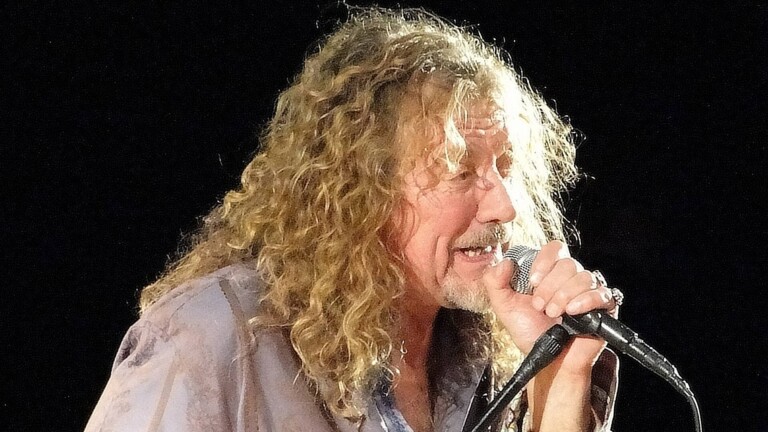
Robert Plant Opens Up on Son Karac’s 1977 Death and His Quiet Life Today
In a new Sunday Times interview, Robert Plant describes how the 1977 death of his five-year-old son Karac altered his attachment to Led Zeppelin, and shares details of his present-day life in a small Worcestershire village.

Bon Jovi Extends 2027 Stadium Dates, Expanding Forever Tour to Australia, UK and North America
Bon Jovi is expanding its Forever Tour with seven new 2027 stadium shows spanning Australia, the UK and North America, building on sold-out dates at Madison Square Garden and Wembley Stadium earlier this year.

Motley Crue Sets 2027 ‘Carnival of Sins in Sin City’ Residency at Caesars Palace
Motley Crue has unveiled an eight-show Las Vegas residency, ‘Carnival of Sins in Sin City,’ set for The Colosseum at Caesars Palace from March 19 to April 3, 2027.
Led Zeppelin Lets ‘Stairway to Heaven’ Soundtrack a Movie Trailer for the First Time, for Greta Gerwig’s Narnia Film
Led Zeppelin has granted permission for ‘Stairway to Heaven’ to appear in a film for the first time, backing the debut trailer for Greta Gerwig’s Narnia: The Magician’s Nephew.

Cheap Trick 2027 Concert Dates Announced
Cheap Trick has booked its first three concert dates for 2027, set for February and April, as the band’s ongoing All Washed Up Tour continues through the fall of 2026.
Judas Priest’s Ian Hill Retires After 57 Years, Longest-Serving Member
Judas Priest founding bassist Ian Hill has stepped away from the band after 57 years, citing worsening arthritis and a torn shoulder tendon, with Uriah Heep’s Davey Rimmer set to take his place on bass starting with the band’s 2027 touring.