

Kid Rock Testifies Against Ticketmaster and Live Nation
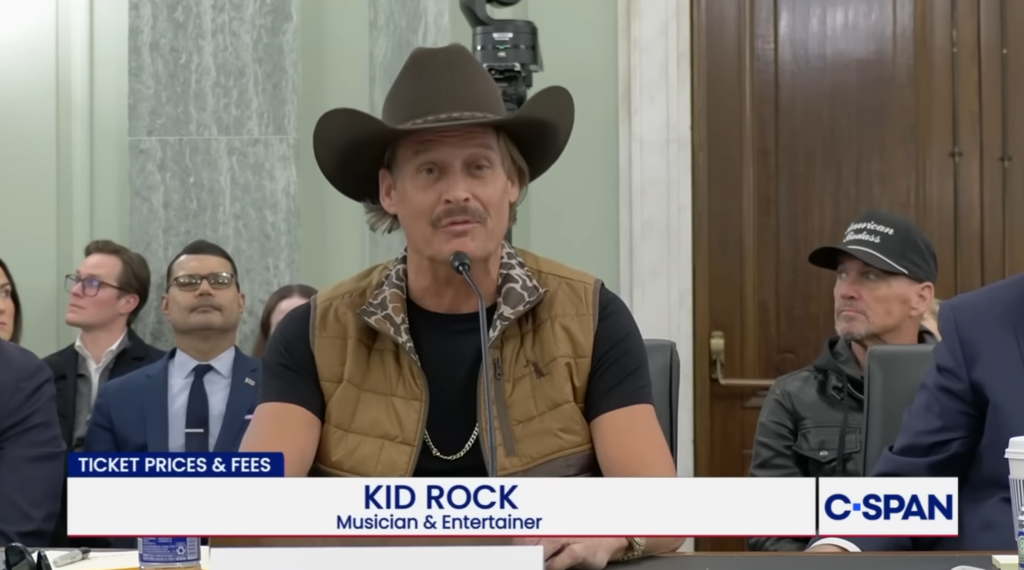
Kid Rock delivered blunt testimony before the U.S. Senate Commerce Committee, taking aim at the concert ticketing industry and singling out Ticketmaster and Live Nation for what he described as systemic failures that harm both artists and fans.
Appearing at a hearing focused on ticket pricing and industry consolidation, Kid Rock argued that the 2010 merger between Ticketmaster and Live Nation has led to higher prices, fewer choices, and a lack of accountability. He told lawmakers that the promises made at the time of the merger have not been kept and that fans are paying the price.
Claims of Monopoly Power
During his testimony, Kid Rock said the combined company holds too much control over ticketing, promotion, and venues. He argued that artists often have little leverage when negotiating tour terms and that fans face inflated fees and limited transparency when purchasing tickets.
He characterized the modern ticketing ecosystem as stacked against consumers, saying resale markets and service fees have become disconnected from the actual value of the ticket.
Calls for Reform
Kid Rock urged Congress to take concrete action, including reconsidering the Live Nation Ticketmaster merger. He also proposed capping ticket resale prices to prevent extreme markups and called for stronger enforcement against ticket bots that scoop up inventory before fans have a fair chance to buy.
He emphasized that artists should have greater control over how their tickets are sold and distributed, rather than relying on a single dominant platform.
Industry Pushback
Live Nation representatives disputed Kid Rock’s characterization, telling senators that the company does not collude with ticket resellers and actively works to combat bots. They defended the merger as beneficial to artists and venues, citing investments in technology and fan protections.
Lawmakers pressed both sides on enforcement gaps and transparency, signaling continued interest in regulating the ticketing industry more aggressively.
Why It Matters
Kid Rock’s appearance added a high profile voice to growing frustration over concert ticket prices and access. His testimony echoed complaints from fans across genres who have grown accustomed to rapid sellouts and escalating fees.
As Congress continues to examine the live entertainment business, the hearing underscored how deeply ticketing practices have become a cultural and political issue, not just an industry concern.
Related Stories
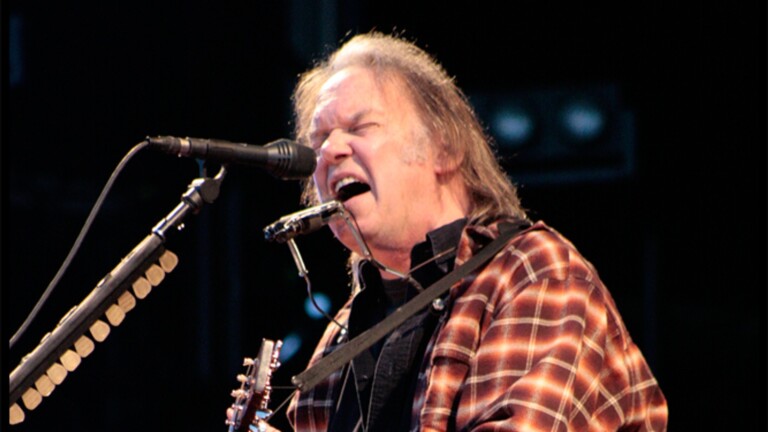
Neil Young Sues Trump Fundraising Group Again Over ‘Rockin’ in the Free World’
Neil Young has filed a new $10 million copyright lawsuit against a Trump fundraising committee, accusing it of playing “Rockin’ in the Free World” without permission at an Ohio rally.
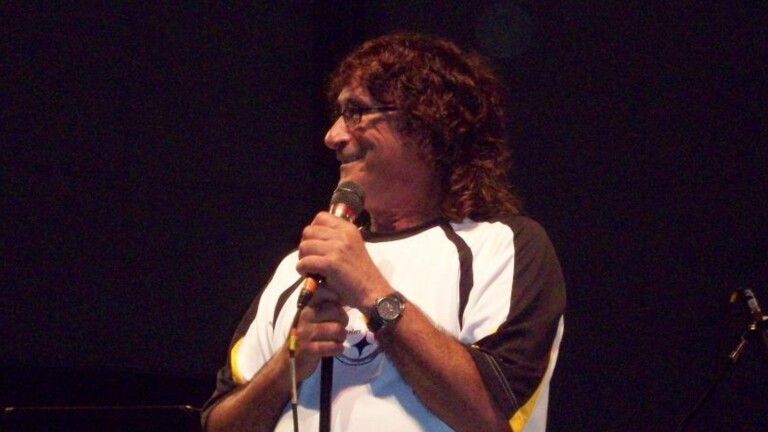
Donnie Iris, Pittsburgh Rock Icon, Dies at 83
Donnie Iris, the Pittsburgh rocker known for ‘Ah! Leah!’ and ‘The Rapper,’ died on Monday, October 26, 2026, at age 83, just weeks after announcing his retirement from live performing.
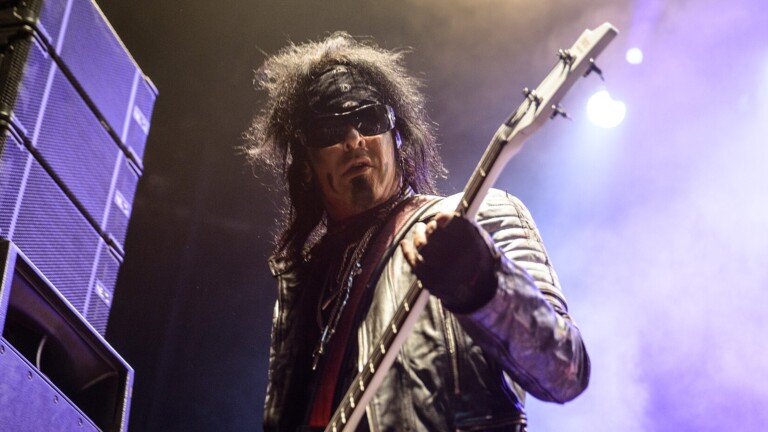
Nikki Sixx Discusses Vince Neil’s Health and Live Vocals After Fourth Stroke
Motley Crue’s Nikki Sixx addresses Vince Neil’s recovery from his fourth stroke and the singer’s push to prove himself vocally on tour, as the band details its upcoming fourth Las Vegas residency.
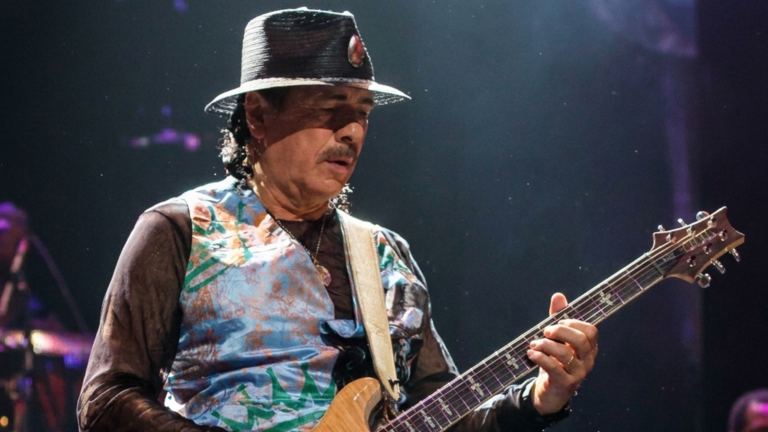
Santana Announces 2027 Global Tour
Santana has unveiled the Planet of Free Will Global Tour 2027, a 13-date run through Europe and the UK that opens at London’s The O2 on June 30 and wraps up in Helsinki on July 31.
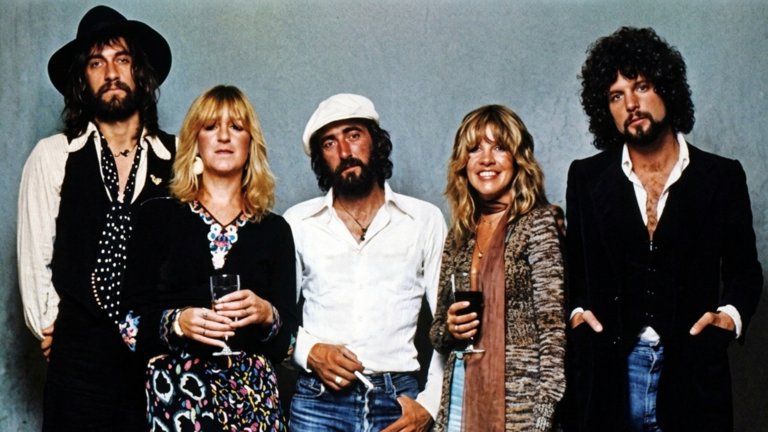
Fleetwood Mac Documentary ‘The Chain’ Gets Title and Release Date
Fleetwood Mac: The Chain, the band’s first fully authorized documentary, arrives on Apple TV on January 29, 2027, coinciding with the 50th anniversary of Rumours.
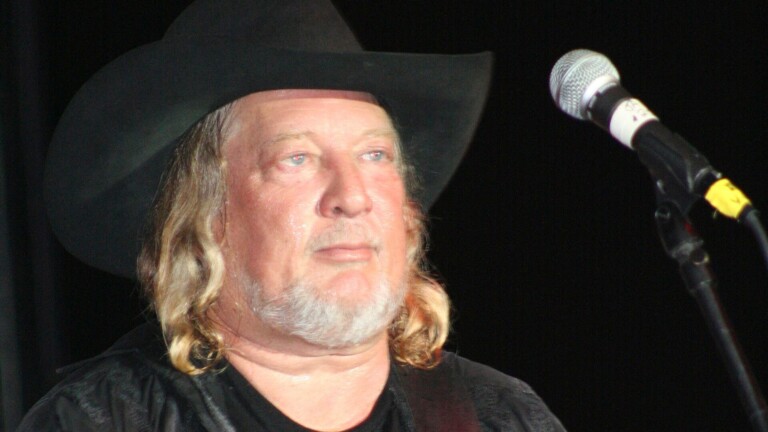
John Anderson, ‘Swingin” and ‘Seminole Wind’ Singer, Dies at 71
John Anderson, the Country Music Hall of Fame singer behind “Swingin'” and “Seminole Wind,” has died at age 71, only days after taking part in Nashville’s 2026 Medallion Ceremony.
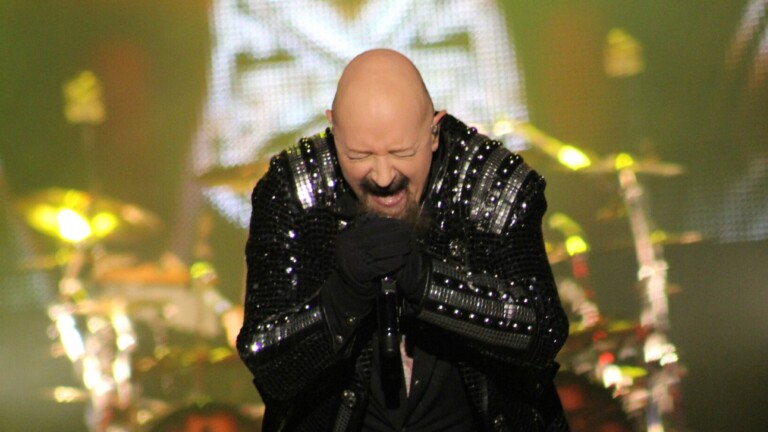
Judas Priest Locks In First Confirmed 2027 US Tour Date at Boardwalk Rock
Judas Priest has confirmed its first US concert of 2027, a slot on the Iron Maiden-headlined Sunday bill at the Boardwalk Rock festival in Ocean City, Maryland.
Robert Plant Opens Up on Son Karac’s 1977 Death and His Quiet Life Today
In a new Sunday Times interview, Robert Plant describes how the 1977 death of his five-year-old son Karac altered his attachment to Led Zeppelin, and shares details of his present-day life in a small Worcestershire village.
Bon Jovi Extends 2027 Stadium Dates, Expanding Forever Tour to Australia, UK and North America
Bon Jovi is expanding its Forever Tour with seven new 2027 stadium shows spanning Australia, the UK and North America, building on sold-out dates at Madison Square Garden and Wembley Stadium earlier this year.