

Legal Documents Related to the Breakup of the Beatles Up for Auction

Recently unearthed documents have brought new insights into the complex legal battles surrounding the Beatles' breakup, illuminating the intricate details of their final dissolution. Over 300 pages of typed documents were discovered in a cupboard, providing a fascinating glimpse into the legal dramas that marked the band's dissolution. Auction house Dawsons is set to sell these long-lost papers, which originated from meetings and discussions involving the Beatles and their advisors. These documents, expected to fetch between £5,000 and £8,000 at an auction later this month, reveal the grueling legal processes and internal discord that plagued the legendary band.
The contents of these documents shed light on the manifold legal challenges the Beatles faced post-manager Brian Epstein's death in 1967. It became evident that significant financial discrepancies existed, as Epstein's management left many financial issues unresolved, and the band faced increasing scrutiny from tax authorities. The documents detail financial mismanagement and controversies surrounding Allen Klein, the business manager whose appointment led to profound disharmony, particularly with Paul McCartney. Klein's contentious role exacerbated existing tensions, leading McCartney to sue his bandmates in 1970, a lawsuit he viewed as essential to protect the band's financial interests.
Additionally, the documents highlight the ongoing legal complexity the Beatles faced during their break up. Allan Klein’s involvement with the band remains a contentious issue, as McCartney was outvoted by his banаdmates in their decision to appoint Klein as manager over his preferred choice, his father-in-law Lee Eastman. McCartney's legal fight reflects his resistance to letting Klein gain control over the band’s affairs. The paperwork captures the myriad legal entanglements, including revenue disputes, unresolved royalties, and the lack of proper agreements during critical lineup changes, such as the replacement of original drummer Pete Best.
The Beatles’ strategic and financial complexities reached a peak when McCartney found discrepancies in the accounting ledgers handled by Klein’s company, ABKO Music and Records Inc., which failed to produce valid accounts since 1966, prompting legal demands from the Inland Revenue. The litigation dragged on, eventually concluding in 1974, four years after McCartney initiated legal proceedings to formally dissolve their partnership. This provided ample material for songs inspired by these legal battles, such as George Harrison's “Sue Me, Sue You Blues” and McCartney’s “Band on the Run,” which metaphorically addresses their legal and personal constraints.
Denise Kelly, Dawsons’ Head of Entertainment and Memorabilia, noted these documents hold the essence of a compelling script chronicling one of history's most influential bands’ intricate breakup. She highlighted the formidable challenges experienced by McCartney, Lennon, Harrison, and Starr as they navigated the demise of their partnership amidst personal desires to pursue solo careers. Kelly’s insight reflects the extent to which these documents illuminate not only the legal but also personal struggles that ultimately led to the Beatles’ demise, marking the end of an era defined by their unparalleled impact on music and culture.
Key Takeaways
-
www.dailymail.co.uk | Previously lost legal documents reveal Beatles' complex legal entanglements surrounding their breakup, detailing their financial chaos and manager disputes.
-
ultimateclassicrock.com | John Lennon formally dissociated the Beatles' relationship with business manager Lee Eastman in a 1969 letter, which later sold at auction.
-
www.tmz.com | Revealed battle plans of Paul McCartney suing his former bandmates is detailed in recently found 1970 legal documents.
-
www.yahoo.com | Legal documents showing details of Beatles' partnership and their tangled legal and financial disputes during their breakup to be auctioned.



Related Stories

U2’s Bono and The Edge Move Obama to Tears at Presidential Center Opening
Bono and The Edge performed ‘City of Blinding Lights’ at the Barack Obama Presidential Center dedication in Chicago on June 18, visibly moving the former
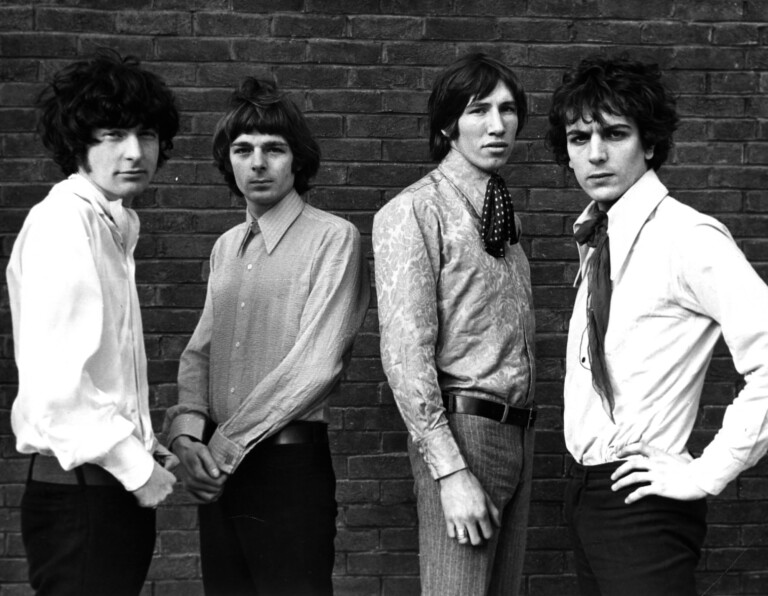
Syd Barrett’s 80th Birthday Marked With Cambridge Concert and Star-Studded Tribute Album
A tribute concert at Cambridge Corn Exchange and a new album featuring Pink Floyd, David Gilmour, and David Bowie mark what would have been Syd Barrett’s 80th

Aimee Mann Nearly Skipped Rush Reunion Tour After Geddy Lee’s Email
Aimee Mann reveals she nearly passed on performing ‘Time Stand Still’ with Rush on their Fifty Something reunion tour after receiving an email from Geddy Lee.

Kirk Hammett Releases Official Video From Frankfurt ‘The Collection: Live’ Event
Kirk Hammett has shared an official video of his May 23 ‘The Collection: Live’ book event at Zoom Saal in Frankfurt, featuring a surprise jam with Robert

Stewart Copeland Says He and Sting ‘Get Along Just Fine’ Despite Royalty Lawsuit
The Police drummer Stewart Copeland opens up about his friendship with Sting, the ongoing royalty lawsuit in U.K. High Court, and calling himself ‘fully

Jon Bon Jovi Declares Full Vocal Recovery, Announces Massive Tour Dates
Jon Bon Jovi says he’s ‘fully recovered’ from 2022 vocal cord surgery as Bon Jovi announce a nine-night MSG residency and UK/Ireland stadium shows for 2026.

Walter Parazaider, Founding Saxophonist of Chicago, Dead at 81
Walter Parazaider, the founding saxophonist and creative architect of Chicago, died June 17 at 81 after a six-year battle with Alzheimer’s disease.

Rush Thanks Fans After Inglewood Opener
Rush kicked off the Fifty Something Tour in Inglewood with Alex Lifeson, Geddy Lee, and Anika Nilles. The band thanked fans after four opening nights.

Steve Miller Books Two Fall 2026 Concerts at NYC’s Rose Theatre
Steve Miller confirms two concerts at Frederick P. Rose Hall in New York City on Oct. 9 and 10, 2026, honoring his blues and jazz heroes.