

Kid Rock’s Conan Oscars Clapback Fuels ‘Sore Loser’ Backlash

Kid Rock has spent years selling himself as the guy who can take a punch, throw one back, and keep the show moving. But this week, after a quick Oscars jab from Conan O’Brien, the reaction from the singer looked less like swagger and more like grievance, triggering a familiar backlash online and reviving the “sore loser” label that has followed him through earlier culture-war flashpoints.
The flashpoint came during the March 15 Academy Awards telecast, when O’Brien joked that viewers uncomfortable with politics could watch an “alternate Oscars” hosted by Kid Rock at a Dave & Buster’s down the street. It was a clean late-night setup line, brief and disposable, but it landed squarely on an artist who has made provocation part of his brand for decades.
Kid Rock’s response became the bigger story
Rather than shrugging it off, Kid Rock answered publicly, writing that he loves a good joke even when he is the butt of it, but called O’Brien’s line “not a very good one.” He then pivoted into tour promotion, using the same response cycle to push his upcoming dates. That shift from complaint to marketing turned a one-night joke into a two-day conversation about ego management and message control.
In rock terms, this is the oldest trap in the book: if you claim outlaw confidence, you cannot look rattled by a single monologue punchline. The second you publicly grade the joke, you change the optics from untouchable to touchy. And once that happens, critics do not hear the defense. They hear insecurity.
Why the “sore loser” framing stuck
Part of the reason the label took hold is timing. Kid Rock is already operating in a highly politicized lane after his headline role in Turning Point USA’s alternate Super Bowl-halftime programming earlier this year. That event generated its own flood of argument over performance quality, intent, and political signaling. So by the time the Oscars line landed, the audience was primed to read any reaction through a winner-loser lens.
And in that environment, even a short statement can feel over-defensive. Rock audiences often reward him for confrontation, but broad pop audiences tend to reward indifference when a celebrity gets roasted. O’Brien moved on. The Oscars moved on. Kid Rock did not, and that is exactly why the story kept breathing.
The larger rock-star image problem
There is a deeper tension here for legacy provocateurs. Kid Rock’s career arc has been built on anti-establishment posture, crowd command, and a refusal to play by polite rules. But the social era punishes selective toughness. If you dish it, you are expected to eat it too. If you cannot, the audience writes the narrative for you in real time.
That does not mean the joke was brilliant or devastating. It means the reaction was strategically weak. The fastest path to ending this story would have been no response at all, or a sharper, funnier counterpunch. Instead, the public got a complaint and a ticket plug, which read less like controlled chaos and more like a bruised brand trying to seize back the mic.
What comes next
Kid Rock is unlikely to lose his core audience over a monologue spat. His base has stayed loyal through louder controversies than this. But moments like this matter because they chip at mystique. In rock, mystique is currency. Once fans and detractors both start seeing thin skin where they expected iron skin, the mythology changes.
For now, the takeaway is simple: Conan O’Brien told a joke, Kid Rock took the bait, and the internet decided the real punchline was the response.
Sources
USA Today (March 17, 2026); Loudwire (March 17, 2026); publicly posted Oscars monologue clip and Kid Rock’s published response.
TOP STORIES
RELATED ARTISTS
Related Stories
Robert Plant Opens Up on Son Karac’s 1977 Death and His Quiet Life Today
In a new Sunday Times interview, Robert Plant describes how the 1977 death of his five-year-old son Karac altered his attachment to Led Zeppelin, and shares details of his present-day life in a small Worcestershire village.
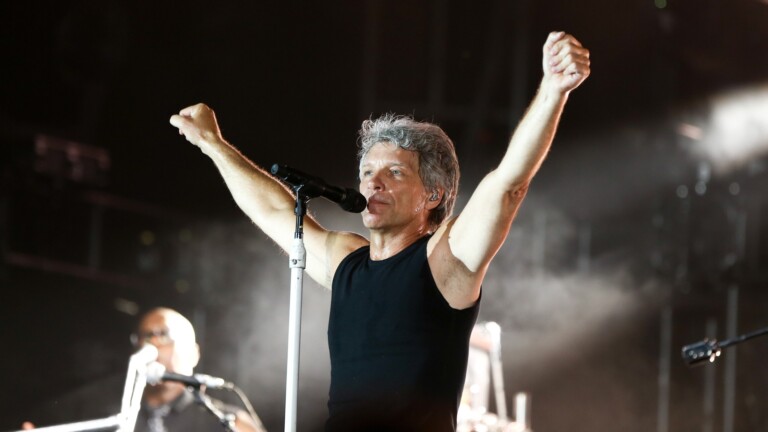
Bon Jovi Extends 2027 Stadium Dates, Expanding Forever Tour to Australia, UK and North America
Bon Jovi is expanding its Forever Tour with seven new 2027 stadium shows spanning Australia, the UK and North America, building on sold-out dates at Madison Square Garden and Wembley Stadium earlier this year.
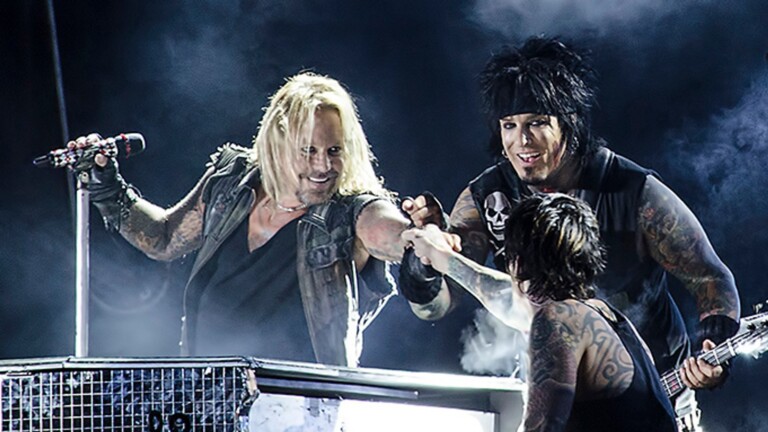
Motley Crue Sets 2027 ‘Carnival of Sins in Sin City’ Residency at Caesars Palace
Motley Crue has unveiled an eight-show Las Vegas residency, ‘Carnival of Sins in Sin City,’ set for The Colosseum at Caesars Palace from March 19 to April 3, 2027.
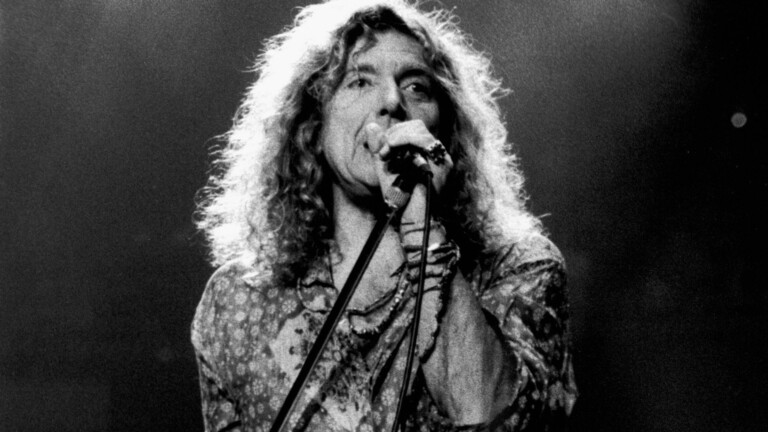
Led Zeppelin Lets ‘Stairway to Heaven’ Soundtrack a Movie Trailer for the First Time, for Greta Gerwig’s Narnia Film
Led Zeppelin has granted permission for ‘Stairway to Heaven’ to appear in a film for the first time, backing the debut trailer for Greta Gerwig’s Narnia: The Magician’s Nephew.
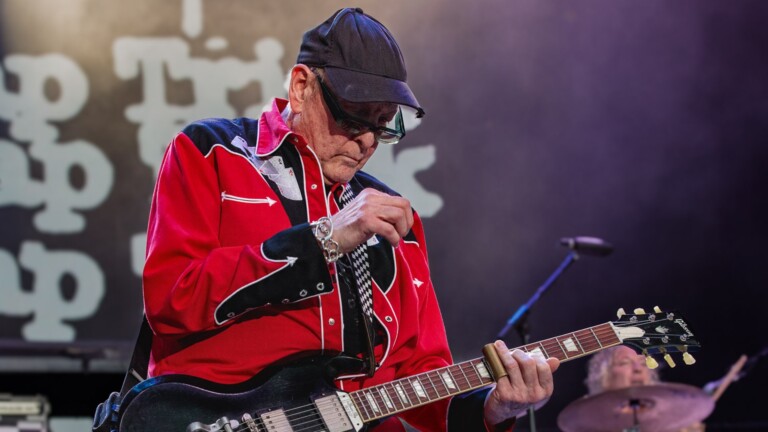
Cheap Trick 2027 Concert Dates Announced
Cheap Trick has booked its first three concert dates for 2027, set for February and April, as the band’s ongoing All Washed Up Tour continues through the fall of 2026.
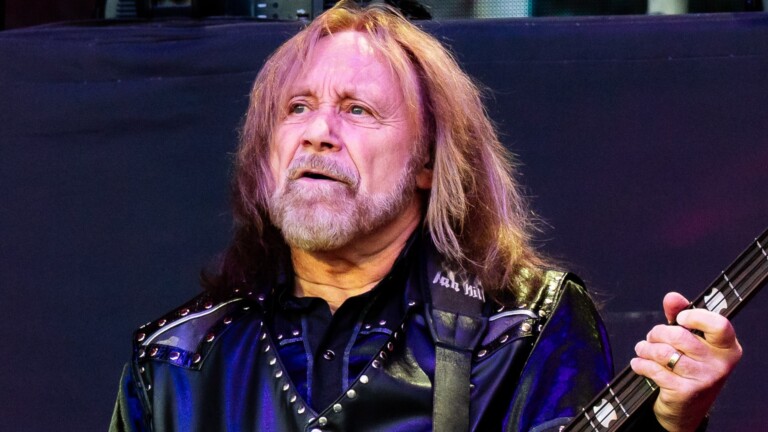
Judas Priest’s Ian Hill Retires After 57 Years, Longest-Serving Member
Judas Priest founding bassist Ian Hill has stepped away from the band after 57 years, citing worsening arthritis and a torn shoulder tendon, with Uriah Heep’s Davey Rimmer set to take his place on bass starting with the band’s 2027 touring.
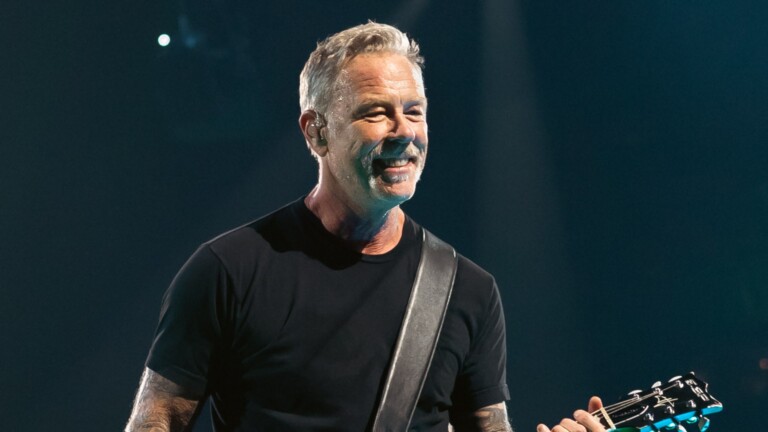
James Hetfield Tells Sphere Crowd Metallica Won’t Push a Political Agenda
James Hetfield addressed the Las Vegas Sphere crowd on October 10, 2026, drawing a line between Metallica and other entertainers who use their platforms for political messaging.
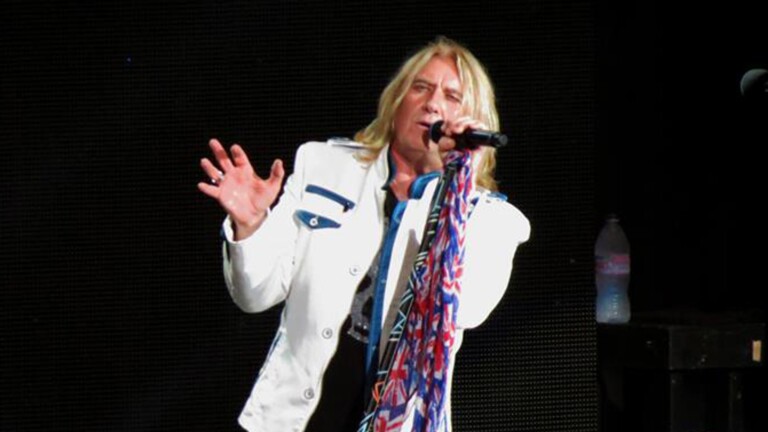
Def Leppard Announces Massive 2027 Tour With Goo Goo Dolls, The Struts
Def Leppard will co-headline a 45-date 2027 North American tour with Goo Goo Dolls, joined by The Struts, running from March 2 in Allentown, Pennsylvania through July 2 in Indianapolis, Indiana.
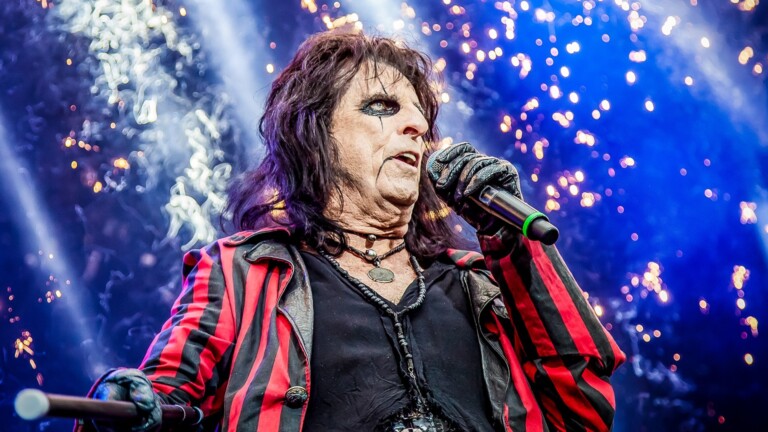
Alice Cooper Opens Up on Crack Addiction That Nearly Killed Him and Nearly Ended His Marriage
Alice Cooper’s new memoir ‘Devil on My Shoulder’ and a companion interview with The Telegraph detail how his crack cocaine use in the late 1970s and early 1980s brought him close to death and nearly cost him his marriage.