

Metallica Shoots Down US Military Drone Video in Copyright Row
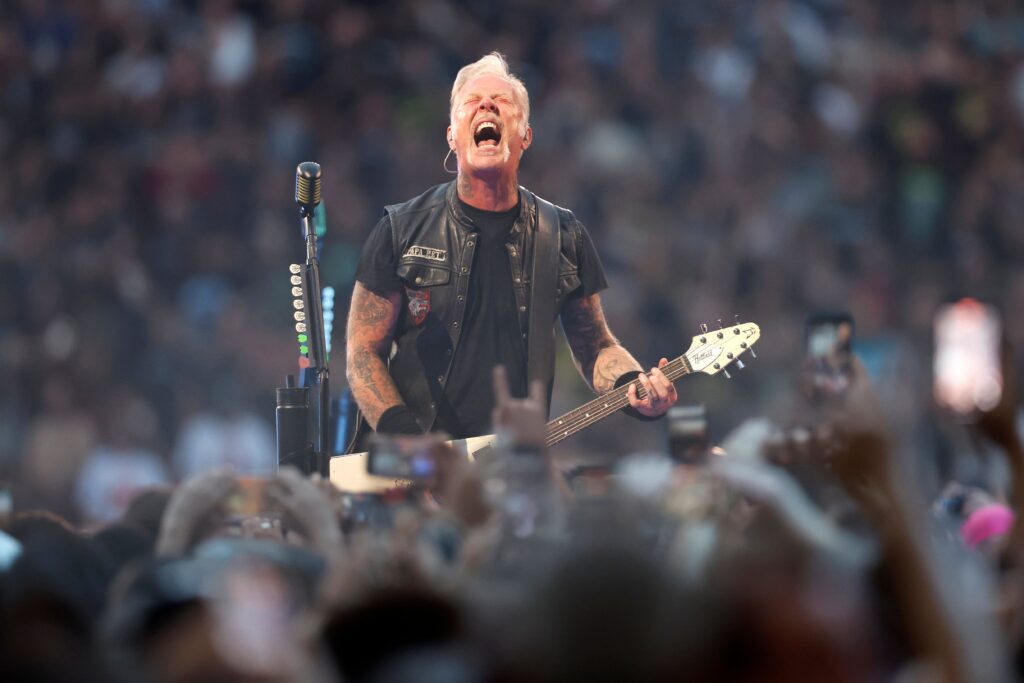
The recent incident involving the Pentagon and Metallica underscores the ever-present challenges posed by copyright laws, even at the highest levels of government. A promotional video for the U.S. government’s drone initiative, which featured Defense Secretary Pete Hegseth, faced swift action from Metallica when it used their iconic song “Enter Sandman” without the band’s approval. This situation not only highlighted the strict adherence to copyright laws that even governmental entities must respect but also reinforced Metallica’s vigilant protection of their intellectual property rights.
Initially uploaded to the Department of Defense’s social media account, the video showcased Hegseth promoting the Trump administration’s efforts to spearhead drone production and streamline bureaucratic processes. In an ambitious tone, he touted, “We’re in the fight to win it, and we’re never gonna back down,” as a drone holding a memo symbolically demonstrated this advancement. However, the backdrop of such a powerful statement was tainted by the unauthorized use of Metallica’s music, leading to the band’s legal team promptly demanding its removal. The Pentagon’s subsequent compliance with this demand involved deleting the video, editing out the song, and re-uploading it without any background music.
This incident is a reminder of the influence that bands like Metallica hold in the music industry. Known for not taking lightly the unauthorized use of their work, Metallica has previously been involved in notable legal battles, the most famous being their lawsuit against Napster in the early 2000s. Their strict stance against unauthorized distribution or use of their music has set significant legal precedents, and the recent case with the Pentagon bolsters their reputation for diligently protecting their intellectual property.
The video had initially been met with criticism and was described by some internet users as “cringe,” a sentiment that was marred further by the copyright controversy. Public backlashes and legal ramifications, however, are not new to the U.S. Department of Defense or the Trump administration, both of which have faced criticism for similar activities in the past. Donald Trump’s rallies have frequently come under scrutiny for using music without proper authorizations, drawing criticism and legal threats from artists who preferred their art not be associated with his political endeavors.
Moreover, Metallica’s music, uniquely intertwined with themes of defiance and power, has sometimes been controversially used in military contexts, allegedly to ‘soften’ detainees during the Iraq War. Such uses have been publicly rejected by the band, who have explicitly stated their desire not to have their music promote violence or military actions. This expansive history of their music’s misuse accentuates the need for stringent measures to ensure music is utilized according to the artists’ consent, reflecting the need for more robust protocols in media usage, not only in political spheres but across all platforms.
The case unfolds at a time when the music industry is increasingly vigilant about intellectual property rights, ensuring that artists are duly respected and credited for their work. Given Metallica’s historical success in legal entanglements against unauthorized usage, their swift reaction to the Pentagon’s oversight is consistent with their established stance. This proactive approach by Metallica serves as a critical cautionary tale for organizations, noting the importance of obtaining proper permissions and licenses for all content used in public and private media.
In closing, d, reflecting on the broader cultural and legal implications of the incident. By asserting their rights, they have once again illustrated the power of music as intellectual property and the necessity for all entities, regardless of their size or political clout, to respect and adhere to legal copyright standards. As digital content continues to be a central part of communication and propaganda strategies in modern governance and beyond, such cases underscore the necessity of legal compliance and the protection of artistic integrity.
Key Takeaways
-
www.newsweek.com | The Pentagon was forced to remove Metallica's song 'Enter Sandman' from a drone promotion video after Metallica objected due to unauthorized use.
-
www.rollingstone.com | Metallica has previously taken legal action to protect their music, including a notable lawsuit against Napster in 2000.
-
www.yahoo.com | The controversial video featured Donald Trump's Secretary of Defense Pete Hegseth promoting U.S. drone capabilities.
-
www.billboard.com | After removal of the song, the Pentagon reposted the video without any background music.
-
www.rollingstone.com | The use of Metallica's music without permission has been an ongoing issue, previously arising during Trump's election campaigns.
-
www.mediaite.com | Defense Secretary Pete Hegseth highlighted the new directive aimed at enhancing American drone technology and production.

Related Stories
Alice Cooper Opens Up on Crack Addiction That Nearly Killed Him and Nearly Ended His Marriage
Alice Cooper’s new memoir ‘Devil on My Shoulder’ and a companion interview with The Telegraph detail how his crack cocaine use in the late 1970s and early 1980s brought him close to death and nearly cost him his marriage.
Roger Waters and Son Harry Waters Launch Pink Floyd Tribute Tour ‘LEGACY’ for 2027
AEG Presents and ICON LIVE have announced ‘Roger Waters Presents LEGACY: A Pink Floyd Show,’ a new touring production led musically by Harry Waters and launching February 15, 2027 in Columbus, Georgia.
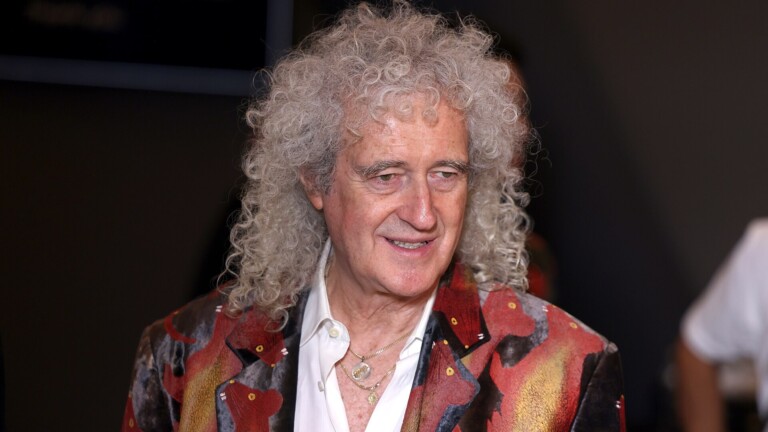
Brian May Says Queen’s Touring Days Are Over
Brian May says he and Roger Taylor quietly agreed a year and a half ago that Queen would not tour again, a choice shaped by the death of a close family friend while the band was on the road in America.
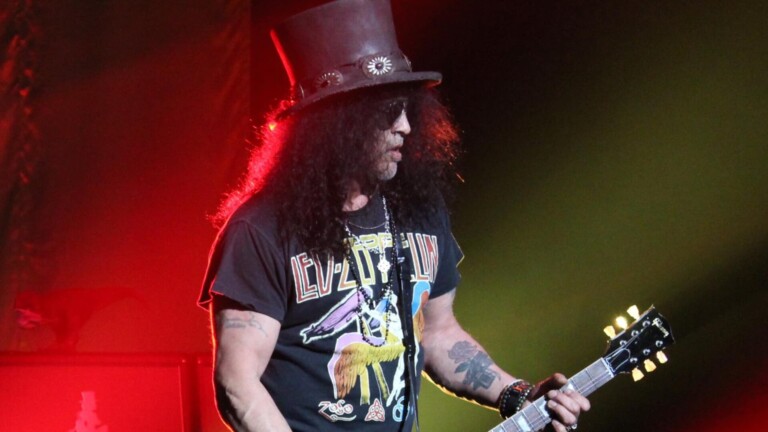
Slash Announces 2027 World Tour and New Album ‘Flying Blind’ With Myles Kennedy
Slash has unveiled a 2027 world tour with Myles Kennedy and The Conspirators and a new album, ‘Flying Blind,’ marking his first dedicated run with the band since 2024.
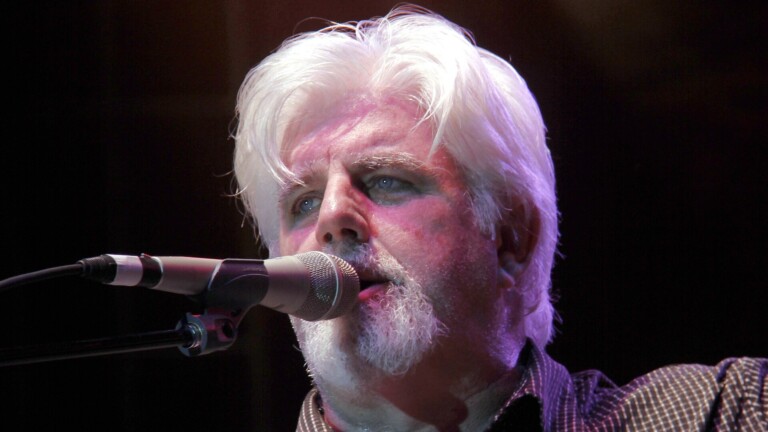
Michael McDonald Reunites With Son Given Up for Adoption Nearly 60 Years Ago
A St. Louis man named Michael Goessling has learned that Doobie Brothers singer Michael McDonald is his biological father, nearly 60 years after being given up for adoption as an infant.
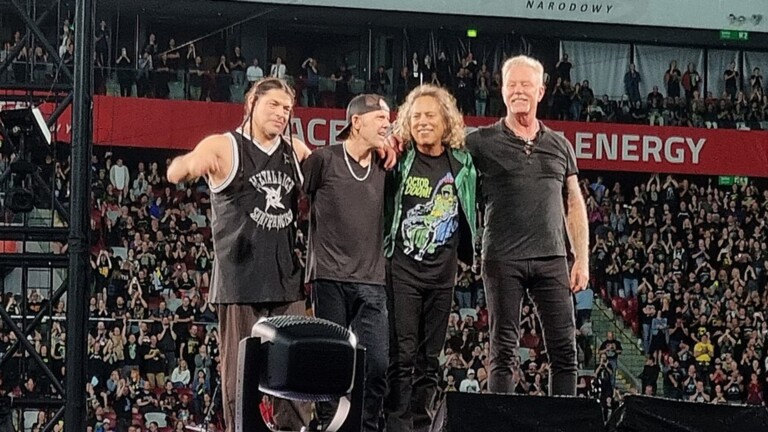
Metallica Kicks Off ‘Life Burns Faster’ Residency at Las Vegas Sphere
Metallica’s “Life Burns Faster” residency opens at the Las Vegas Sphere on October 1, 2026, running through March 2027 with 24 shows, a merch collaboration with adidas and a lineup of fan events across the city.
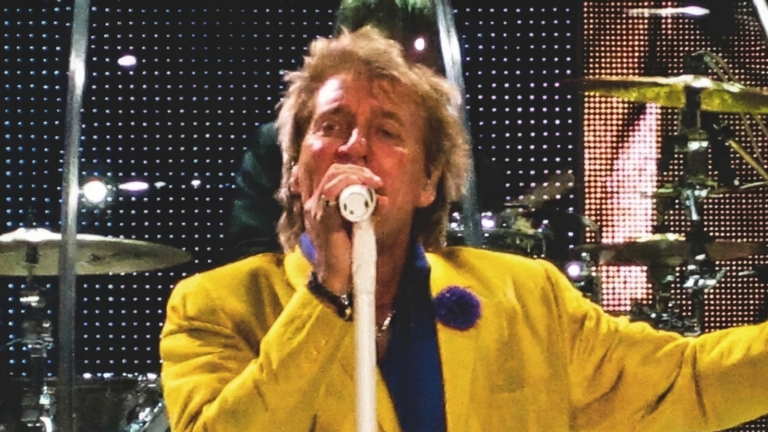
Rod Stewart Announces Retirement From Touring, Reveals 2027 ‘The Final Encore’ Tour Dates
Rod Stewart says his upcoming 2027 tour of the UK and Europe, called The Final Encore, will be his last time touring, though he insists he isn’t stepping away from music entirely.
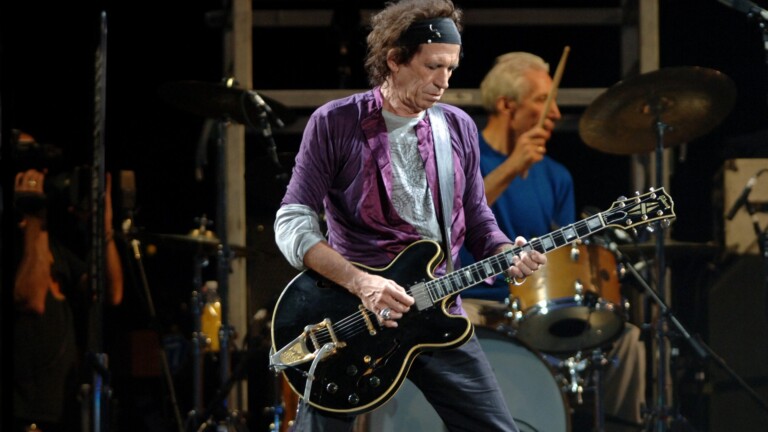
Jo Wood Says Rolling Stones Touring Days May Be Done Because of Keith Richards
Jo Wood, Ronnie Wood’s ex-wife, says she doubts the Rolling Stones will hit the road again, blaming Keith Richards’ hesitance even as the band’s new album Foreign Tongues thrives.

Rush’s Geddy Lee, Alex Lifeson Push Neil Peart Memorial Fund Past $1 Million Goal
Rush’s Geddy Lee and Alex Lifeson delivered a $785,000 check to the Neil Peart Commemorative Task Force, putting a years-long campaign to build the late drummer’s memorial in Ontario over its $1 million target.