

Paul McCartney at the Fonda: Why Two Intimate L.A. Nights Feel Like a Major Rock Moment

Paul McCartney is heading back into small-room mode, and that alone is enough to scramble the Los Angeles live-music pecking order for a week. The former Beatle has confirmed a two-night stand at The Fonda Theatre on March 27 and March 28, trading stadium scale for a tightly controlled, phone-free theater setup that feels less like a legacy victory lap and more like a direct line between artist and audience.
For rock fans who have watched McCartney move fluidly between arena production and intimate one-offs, the Fonda announcement lands as a high-signal move. It is short, local, and built on scarcity. In 2026, that is often how the loudest stories start.
What’s confirmed about the Fonda shows
The two dates are scheduled for Friday, March 27, and Saturday, March 28 at The Fonda Theatre in Hollywood. Showtimes listed by reporting around the announcement put Friday’s start at 8:30 p.m. and Saturday’s at 8:00 p.m. The run is being presented as a phone-free experience, with Yondr pouches used in-venue to lock devices during the performance while guests still keep physical possession of their phones.
Ticket access is being handled through a registration-first flow rather than a standard open onsale free-for-all. Official announcement language states registration begins Tuesday, March 17 at 9:00 a.m. PT and closes Wednesday, March 18 at 10:00 p.m. PT, emphasizing demand management over speed-click ticket chaos.
Why this matters beyond two nights in Hollywood
McCartney has nothing left to prove in terms of catalog weight, but theater bookings like this remind the industry why he still controls the room when he wants to. In giant venues, his songs can feel monolithic, almost infrastructural to rock history. In a room like the Fonda, they become human-sized again, and that shift can radically change how even the most familiar material lands.
It also reinforces a broader trend among legacy giants: selective intimacy as strategy. Smaller venues create urgency, narrative heat, and social velocity without requiring the logistics of a full-scale national run. For artists of McCartney’s stature, it is one of the few remaining ways to make a major-city show feel truly unrepeatable.
The rock-journalist read on the play
This is McCartney working from a position of absolute leverage. He can still fill massive buildings, but he is choosing the opposite pressure point: a storied theater, a no-phone policy, and a registration gate that turns access into event theater before the first chord is struck. It is old-school showmanship updated for the algorithm age.
And in practical terms, it means Los Angeles is about to get one of those rare modern rock moments where everyone knows exactly where the center of gravity is for a weekend. Not in an arena across town. On Hollywood Boulevard, in a room where every seat feels close enough to see history breathe.
Related Stories
Metallica Add Two “Intimate” Connecticut Dates to Close Out 2026
In a year dominated by the Sphere, Metallica just carved out two nights for something a little more old school.…
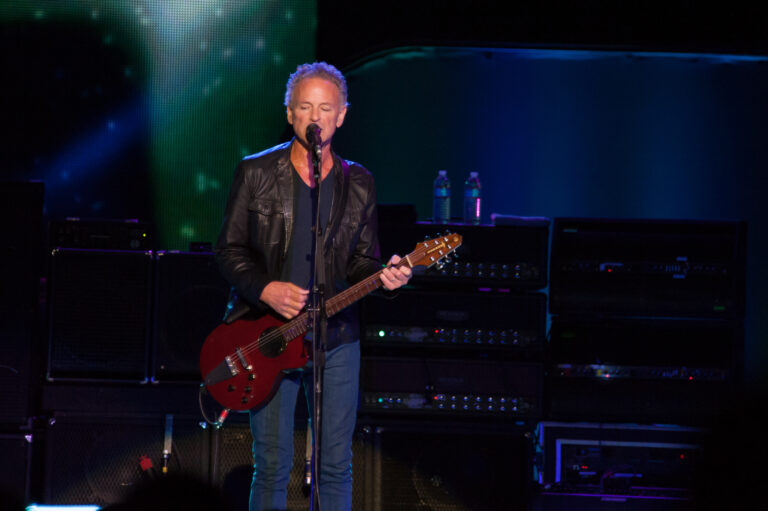
Lindsey Buckingham Attacked by Alleged Stalker in Santa Monica
Lindsey Buckingham had been looking forward to 2026. Just last week, the 76-year-old guitar icon posted a video to his…
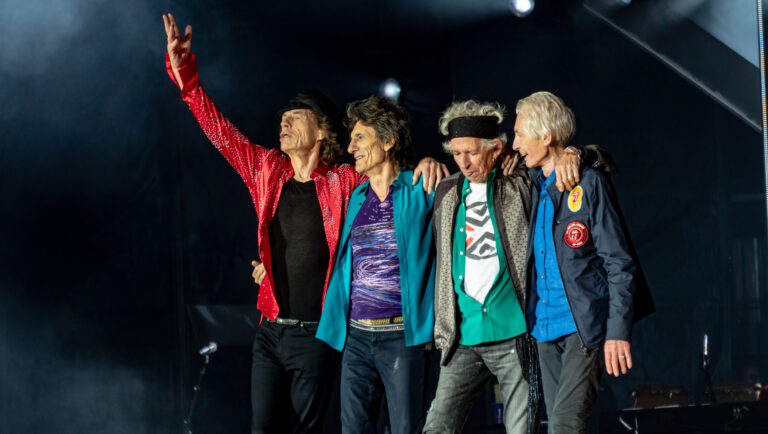
Who the F**k Are the Cockroaches? Inside the Rolling Stones’ Oldest Trick and Its Mysterious 2026 Revival
If you walked through certain neighborhoods of London this week and spotted a strange poster tacked to a wall with…
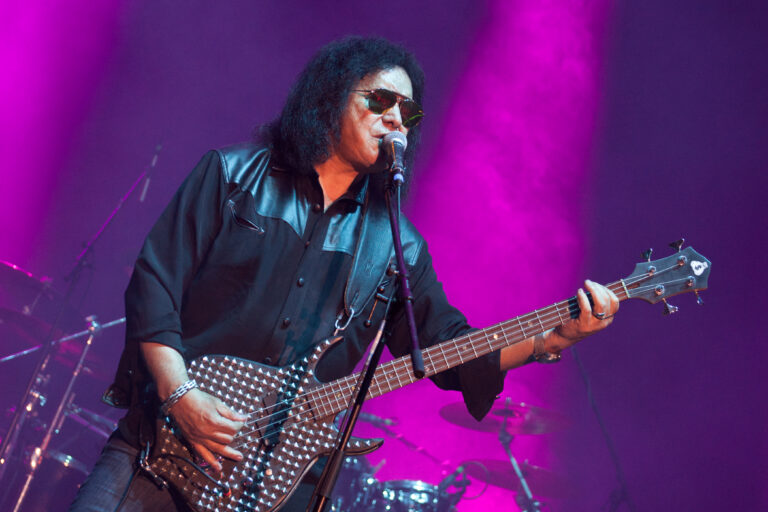
Gene Simmons Solo 2026 Tour Dates
Kiss may have taken its final bow, but Gene Simmons clearly did not get the memo that he was supposed…
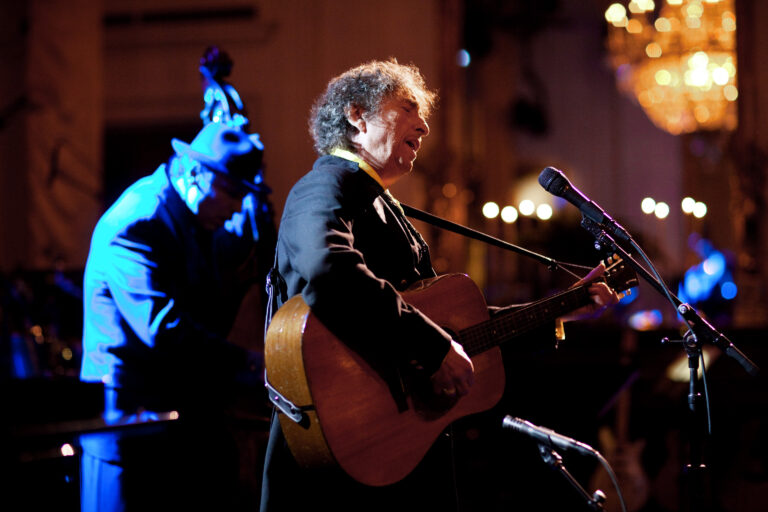
Bob Dylan Launches Patreon Page, But It’s Not What You’d Expect
Bob Dylan has never been easy to predict. But even by his standards, his latest move has left fans and…
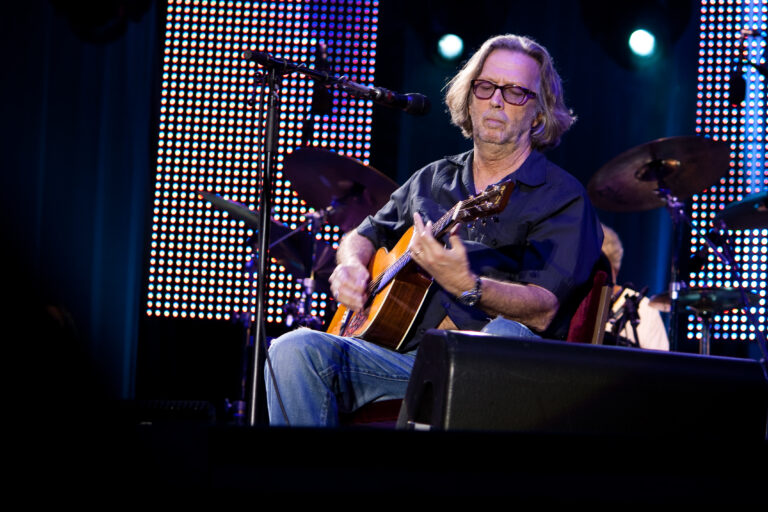
Eric Clapton’s Crossroads 2026 Is Headed to Austin With a Two-Night Guitar All-Star Summit
Eric Clapton’s Crossroads Guitar Festival has never been about subtlety. It is about guitar heroes, big rooms, louder amps, and…
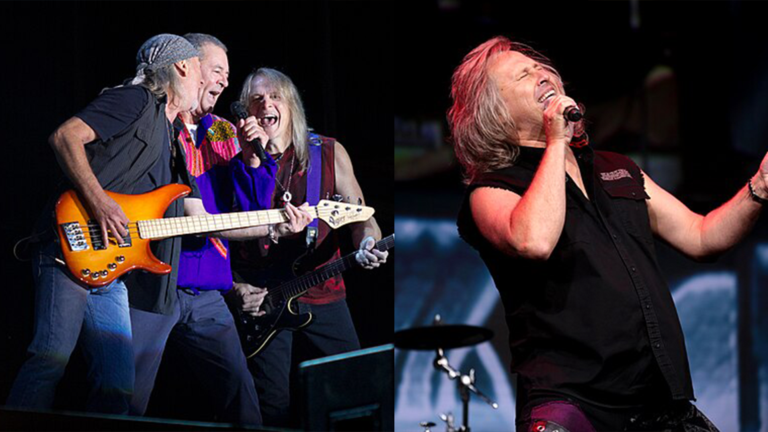
Deep Purple and Kansas 2026 Tour Dates Kick Off in April
Deep Purple and Kansas are two very different rock institutions, but that contrast is exactly why their 2026 run has…
Hear It: Jimmy Page Releases New Version of ‘Ten Years Gone,’ Reframing a Zeppelin Masterwork
Jimmy Page has opened a new chapter in Led Zeppelin history by releasing a fresh version of “Ten Years Gone,”…
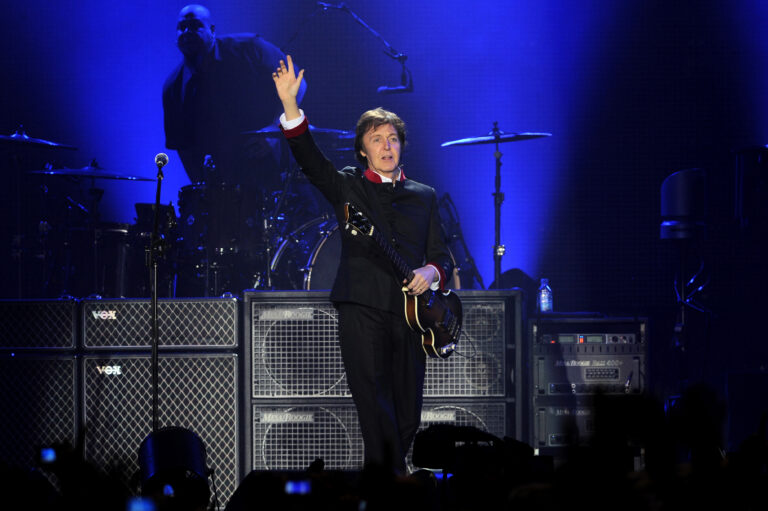
Paul McCartney at the Fonda: What Actually Happened at the March 28 Hollywood Show
Paul McCartney’s March 28 stop at the Fonda Theatre in Hollywood was the kind of show that reminds you why…