

Phil Collins Opens Up About Alcoholism, Eric Clapton’s Rehab Intervention
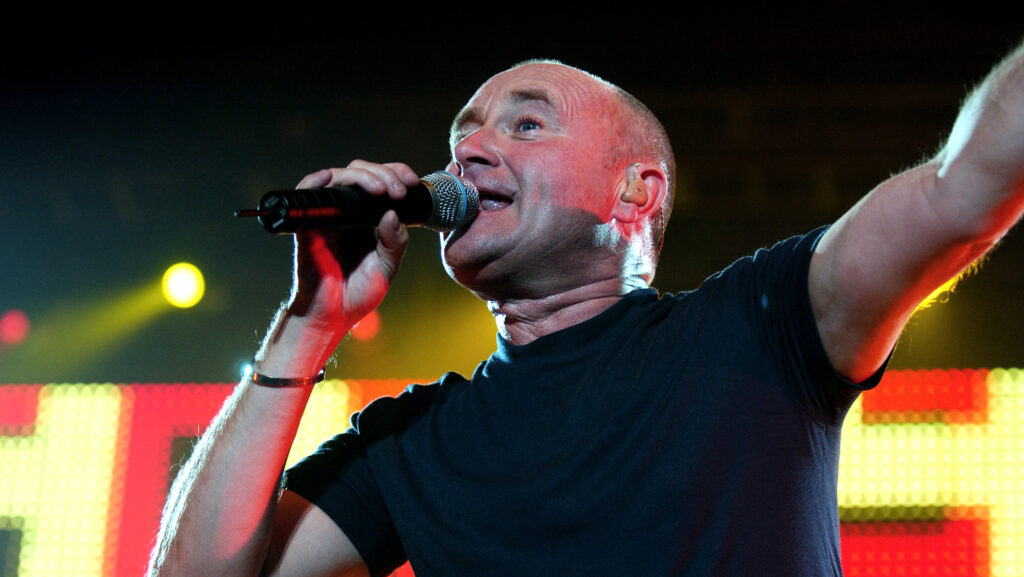
Collins details his near-fatal battle with alcohol and why he declined to perform at his own Rock and Roll Hall of Fame induction.
Phil Collins has spoken candidly about his past struggle with alcohol addiction in a new interview with MOJO magazine, revealing that Eric Clapton personally encouraged him to check into Clapton’s Crossroads Centre rehab facility in Antigua. Collins, who left the center after a month rather than the prescribed six weeks, admits he had a glass of wine on the flight home despite a nurse’s written warning that doing so could kill him.
A ‘Gaping Void’ and a Dangerous Descent
Collins traces the roots of his addiction to the collapse of his third marriage and subsequent divorce in 2006, describing the emotional fallout as a ‘gaping void’ he tried to fill with alcohol. In his 2016 autobiography Not Dead Yet, he wrote of lying alone in Switzerland, staring at grey skies and keeping company with Johnnie Walker and Grey Goose.
He has been direct about the timeline of his decline. ‘It took me until the age of 55 to become an alcoholic,’ he wrote in the memoir. ‘I got through the heady 1960s, the trippy 1970s, the imperial 1980s, the busy 1990s. I was retired, content, and then I fell. Because I suddenly had too much time on my hands.’ He has also acknowledged how close to the edge he came: ‘I was very close to dying.’
Clapton’s Intervention and the Note on the Plane
In his conversation with MOJO’s Mark Blake, Collins describes how Clapton, a longtime friend who has been open about his own recovery from addiction, urged him in the 2010s to seek treatment at the Crossroads Centre, the facility Clapton founded in Antigua. Collins was meant to stay for six weeks but cut the stay short at one month because he had a tour scheduled.
The moment that has drawn the most attention from the interview is what happened at the airport. ‘The nurse who took me to the airport gave me a note and told me to read it on the plane,’ Collins recalls. ‘It said, “If you have a drink, you will die.” And it’s terrible to say, but I had a glass of wine.’ The admission is a stark illustration of how powerful the grip of addiction can be, even in the face of an explicit medical warning from a professional who had just spent weeks treating him.
Clapton’s Crossroads Centre has been a significant part of his post-recovery public life since it opened in 1998. That a facility founded by one rock survivor was used to try to help another speaks to the tight-knit, often quietly supportive network that exists among artists who have navigated addiction in the public eye.
Rock Hall Induction Without a Performance
Collins is set to be inducted into the Rock and Roll Hall of Fame for his solo career at a ceremony scheduled for November 14 at the Peacock Theater in Los Angeles. The honor recognizes a run that produced some of the best-selling pop and rock records of the 1980s, from Face Value through …But Seriously, a body of work that stood entirely apart from his parallel career as Genesis frontman.
Despite the significance of the occasion, Collins has declined to perform. He explained his reasoning to BBC Breakfast earlier this year: ‘They asked me if I would perform. I said no. You’ve gotta be match fit to do something like that. You can’t just go onstage. You’re going to have to rehearse. And by that point, if you haven’t been singing, your voice is going to be shot, and that’s not going to be good. I’d rather not do it.’
Collins has been candid in recent years about the physical toll his health issues have taken. His decision to skip the performance reflects a clear-eyed assessment of where he is physically rather than any ambivalence about the recognition itself.
What we know
- Phil Collins discussed his alcohol addiction in a new interview with MOJO magazine, conducted by Mark Blake.
- Eric Clapton encouraged Collins to check into the Crossroads Centre rehab facility in Antigua.
- Collins was supposed to stay at Crossroads Centre for six weeks but left after one month because he had a tour booked.
- A nurse gave Collins a written note at the airport warning that drinking would kill him; Collins drank a glass of wine on the plane anyway.
- Collins wrote about his alcoholism in his 2016 autobiography Not Dead Yet, attributing the addiction to the breakdown of his third marriage in 2006.
- Collins will be inducted into the Rock and Roll Hall of Fame for his solo career on November 14 at the Peacock Theater in Los Angeles.
- Collins told BBC Breakfast he declined to perform at the Rock Hall ceremony, citing concerns about vocal readiness.
The take
Phil Collins occupies a peculiar place in rock history: a drummer who became one of the most commercially dominant solo artists of the 1980s, racking up a string of transatlantic hits while simultaneously steering Genesis through their most successful commercial period. That level of sustained output across decades can mask what’s happening privately, and Collins’s account of falling into alcoholism only after stepping back from that relentless schedule fits a pattern seen with other artists who structured their lives around work. When the work stops, the structure goes with it.
Eric Clapton’s involvement is worth noting in context. Clapton has spoken extensively about his own recovery from alcohol and drug addiction, and the Crossroads Centre has been a genuine philanthropic commitment for him since the late 1990s, funded in part by the proceeds from his annual Crossroads Guitar Festival. His reaching out to Collins reflects the kind of peer-to-peer support that rarely makes headlines but has quietly helped a number of artists over the years.
The Rock and Roll Hall of Fame induction adds a bittersweet layer. Collins is being honored for a solo catalog that defined an era, yet his physical condition prevents him from marking the moment with a performance. For a musician whose live presence was always central to his identity, that’s a significant absence. His candor about both the addiction and the physical limitations suggests an artist who has made peace with his circumstances, even when those circumstances are difficult.
Why it matters
Collins’s willingness to revisit these struggles publicly, rather than letting his 2016 memoir serve as the final word, keeps an important conversation alive about addiction among artists who appear to have everything under control. His account of ignoring a life-or-death medical warning the moment he left treatment is a reminder of how inadequate willpower alone is against serious addiction. For Classic Rock fans who grew up with Collins as a seemingly indestructible hitmaker, the interview offers a more complete and human picture of the person behind the catalog.
What’s next
Collins’s Rock and Roll Hall of Fame induction ceremony is scheduled for November 14 at the Peacock Theater in Los Angeles. He has confirmed he will not perform at the event. The full MOJO interview, conducted by Mark Blake, is available in the current issue of the magazine.
Frequently asked questions
Why did Phil Collins leave rehab early?
Collins checked out of the Crossroads Centre after one month instead of the planned six weeks because he had a tour booked.
What did the nurse’s note to Phil Collins say?
The nurse who accompanied Collins to the airport gave him a note to read on the plane that said, ‘If you have a drink, you will die.’ Collins has said he drank a glass of wine on the flight regardless.
How did Eric Clapton help Phil Collins with his addiction?
Clapton, a longtime friend, encouraged Collins to check into the Crossroads Centre, the rehab facility Clapton founded in Antigua.
When is Phil Collins being inducted into the Rock and Roll Hall of Fame?
Collins is set to be inducted for his solo career on November 14 at the Peacock Theater in Los Angeles.
Why won’t Phil Collins perform at the Rock and Roll Hall of Fame ceremony?
Collins told BBC Breakfast that performing would require rehearsal and vocal preparation he has not done, and that going onstage without that readiness would not reflect well on him.
Related coverage
TOP STORIES
RELATED ARTISTS
Related Stories
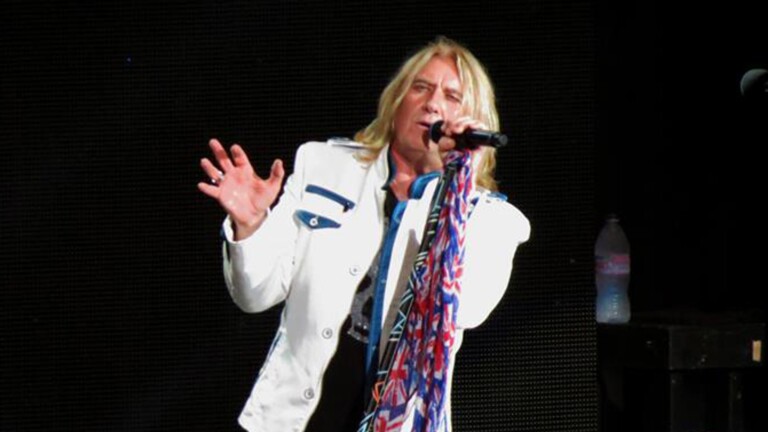
Def Leppard Announces Massive 2027 Tour With Goo Goo Dolls, The Struts
Def Leppard will co-headline a 45-date 2027 North American tour with Goo Goo Dolls, joined by The Struts, running from March 2 in Allentown, Pennsylvania through July 2 in Indianapolis, Indiana.
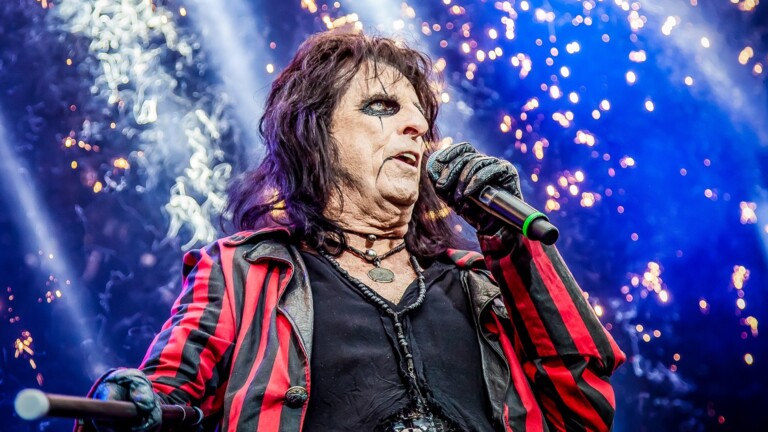
Alice Cooper Opens Up on Crack Addiction That Nearly Killed Him and Nearly Ended His Marriage
Alice Cooper’s new memoir ‘Devil on My Shoulder’ and a companion interview with The Telegraph detail how his crack cocaine use in the late 1970s and early 1980s brought him close to death and nearly cost him his marriage.
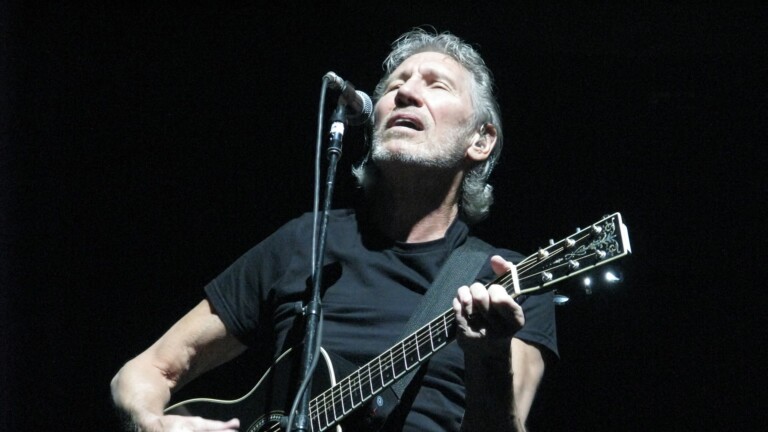
Roger Waters and Son Harry Waters Launch Pink Floyd Tribute Tour ‘LEGACY’ for 2027
AEG Presents and ICON LIVE have announced ‘Roger Waters Presents LEGACY: A Pink Floyd Show,’ a new touring production led musically by Harry Waters and launching February 15, 2027 in Columbus, Georgia.
Brian May Says Queen’s Touring Days Are Over
Brian May says he and Roger Taylor quietly agreed a year and a half ago that Queen would not tour again, a choice shaped by the death of a close family friend while the band was on the road in America.
Slash Announces 2027 World Tour and New Album ‘Flying Blind’ With Myles Kennedy
Slash has unveiled a 2027 world tour with Myles Kennedy and The Conspirators and a new album, ‘Flying Blind,’ marking his first dedicated run with the band since 2024.
Michael McDonald Reunites With Son Given Up for Adoption Nearly 60 Years Ago
A St. Louis man named Michael Goessling has learned that Doobie Brothers singer Michael McDonald is his biological father, nearly 60 years after being given up for adoption as an infant.
Metallica Kicks Off ‘Life Burns Faster’ Residency at Las Vegas Sphere
Metallica’s “Life Burns Faster” residency opens at the Las Vegas Sphere on October 1, 2026, running through March 2027 with 24 shows, a merch collaboration with adidas and a lineup of fan events across the city.
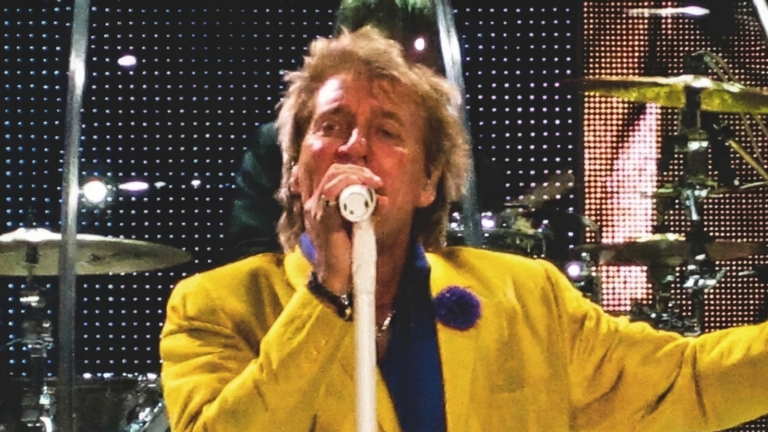
Rod Stewart Announces Retirement From Touring, Reveals 2027 ‘The Final Encore’ Tour Dates
Rod Stewart says his upcoming 2027 tour of the UK and Europe, called The Final Encore, will be his last time touring, though he insists he isn’t stepping away from music entirely.
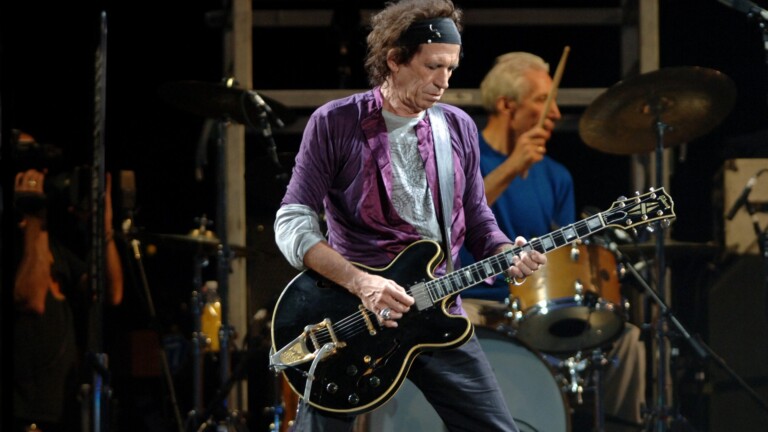
Jo Wood Says Rolling Stones Touring Days May Be Done Because of Keith Richards
Jo Wood, Ronnie Wood’s ex-wife, says she doubts the Rolling Stones will hit the road again, blaming Keith Richards’ hesitance even as the band’s new album Foreign Tongues thrives.