

Shots Fired: Billy Joel Calls White Album “Half Assed”
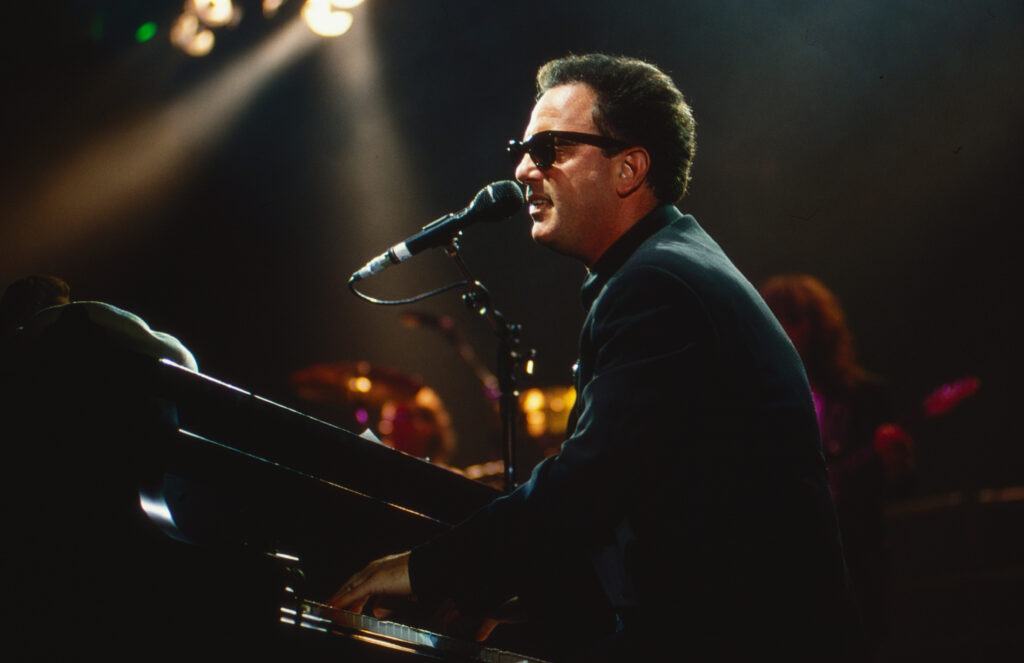
Renowned musician Billy Joel recently stirred debate with his candid remarks on The Beatles’ self-titled ninth studio album, commonly known as the *White Album*. The album, released in 1968, is frequently lauded as a crucial piece of the Beatles’ legacy, but Joel has questioned its creative integrity, labeling it “a collection of half-assed songs” and suggesting it reflected diminished engagement from the band members. In a discussion on Bill Maher’s *Club Random* podcast, Joel pointed to drug use and a lack of focus as contributing factors to what he perceives as the album’s creative shortcomings.
Joel’s critique is set against the backdrop of the band’s turbulent personal dynamics during the recording period. The album, a double LP, came to life during a retreat in Rishikesh, India, and was notably produced amidst The Beatles’ individual and collective challenges. Despite these circumstances, the band was prolific, delivering an eclectic mix of 30 tracks that spanned various musical styles. Yet, Joel argued that Lennon was disassociative during this period, potentially impacting the cohesion of the songwriting, with McCartney having to “carry the weight.”
This perspective is not universally held. Ringo Starr, The Beatles’ drummer, expressed fondness for the album, appreciating it for its return to the band’s roots. Starr’s endorsement reflects a personal affection which views the work as a significant milestone where the band reestablished their collective identity. Furthermore, Paul McCartney has vehemently defended the album against such criticisms, retorting famously that its commercial success validates its greatness.
The production of *The White Album* was notably fraught with difficulties, echoing the tension within the band. George Martin, their longtime producer, went on hiatus during its recording, leaving the group to navigate the creative process largely on their own. This lack of guidance, along with the resignations of key figures like engineer Geoff Emerick, contributed to a chaotic recording environment. Industry analysts regard these production challenges as a prelude to the Beatles’ eventual breakup in 1970, illustrating how personal and professional frictions can deeply affect musical output.
Despite the criticism from figures like Joel, the cultural impact of *The White Album* remains significant. It is heralded not only for its musical diversity but also for its experimental approach, which has inspired countless artists over the decades. The album’s legacy survives as a complex interplay between its imperfections and its groundbreaking stylistic breadth. It poses a critical question: should the measure of an album’s greatness rely on technical aspects, or does its cultural influence hold equal weight?
Joel’s comments, while contentious, evoke a broader discussion about the nature of iconic art and how it should be critiqued. His views offer a reminder of art’s subjectivity, with responses to *The White Album* varying widely among fans and critics. While some may align with Joel’s analysis, recognizing perhaps a dip in the band’s creative unity during this period, others uphold the album as a paragon of artistic triumph against adversity.
In conclusion, Joel’s take on The Beatles’ *White Album* underscores an ongoing dialogue about artistic creation. His viewpoint challenges listeners to consider the myriad elements that contribute to a work’s lasting impact — a testament to the album’s enduring capacity to ignite conversation and analysis. Whether seen as a masterpiece or as flawed genius, *The White Album* continues to influence the musical canon profoundly, evidencing its indelible mark on rock music and culture. The debate around it reinforces a foundational aspect of art: its ability to foster diverse interpretations and animate spirited discourse.
Key Takeaways
-
www.vinylmeplease.com | Billy Joel criticized The Beatles' 'White Album', describing it as a collection of 'half-assed' songs that were unfinished due to the band being disengaged and possibly under the influence of substances.
-
americansongwriter.com | During the recording of the 'White Album', The Beatles were transitioning through personal and professional changes which Joel suggests impacted the creative quality of the album.
-
digital.abcaudio.com | Joel pointed out that Paul McCartney seemed to be carrying more responsibility in the creative process of the album, indicating an imbalance in teamwork amongst The Beatles members.
TOP STORIES
RELATED ARTISTS
Related Stories
Alice Cooper Opens Up on Crack Addiction That Nearly Killed Him and Nearly Ended His Marriage
Alice Cooper’s new memoir ‘Devil on My Shoulder’ and a companion interview with The Telegraph detail how his crack cocaine use in the late 1970s and early 1980s brought him close to death and nearly cost him his marriage.
Roger Waters and Son Harry Waters Launch Pink Floyd Tribute Tour ‘LEGACY’ for 2027
AEG Presents and ICON LIVE have announced ‘Roger Waters Presents LEGACY: A Pink Floyd Show,’ a new touring production led musically by Harry Waters and launching February 15, 2027 in Columbus, Georgia.
Brian May Says Queen’s Touring Days Are Over
Brian May says he and Roger Taylor quietly agreed a year and a half ago that Queen would not tour again, a choice shaped by the death of a close family friend while the band was on the road in America.
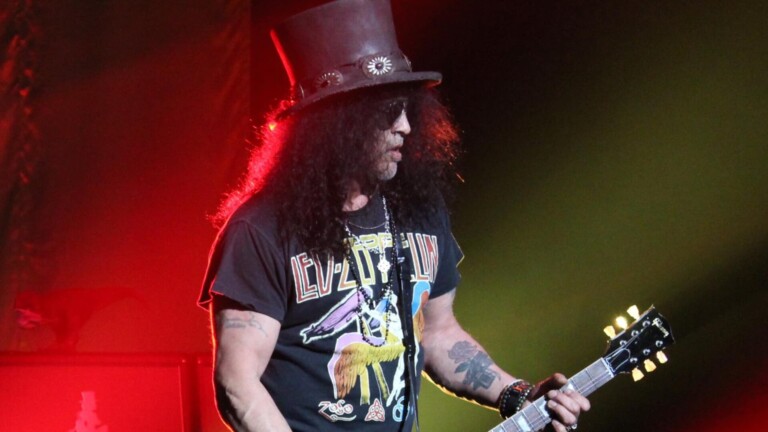
Slash Announces 2027 World Tour and New Album ‘Flying Blind’ With Myles Kennedy
Slash has unveiled a 2027 world tour with Myles Kennedy and The Conspirators and a new album, ‘Flying Blind,’ marking his first dedicated run with the band since 2024.
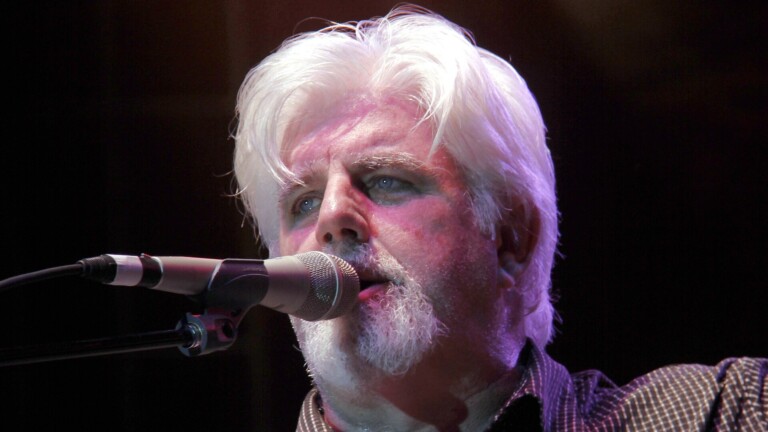
Michael McDonald Reunites With Son Given Up for Adoption Nearly 60 Years Ago
A St. Louis man named Michael Goessling has learned that Doobie Brothers singer Michael McDonald is his biological father, nearly 60 years after being given up for adoption as an infant.
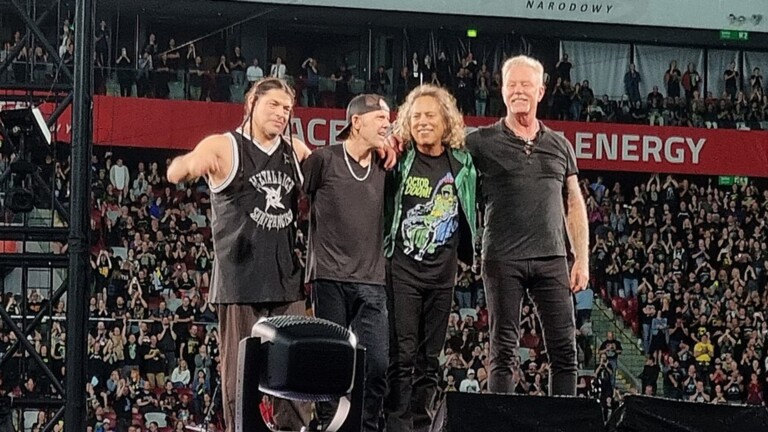
Metallica Kicks Off ‘Life Burns Faster’ Residency at Las Vegas Sphere
Metallica’s “Life Burns Faster” residency opens at the Las Vegas Sphere on October 1, 2026, running through March 2027 with 24 shows, a merch collaboration with adidas and a lineup of fan events across the city.
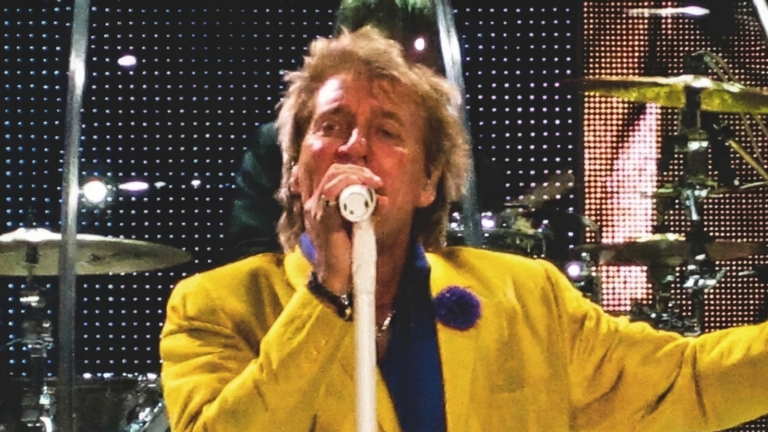
Rod Stewart Announces Retirement From Touring, Reveals 2027 ‘The Final Encore’ Tour Dates
Rod Stewart says his upcoming 2027 tour of the UK and Europe, called The Final Encore, will be his last time touring, though he insists he isn’t stepping away from music entirely.
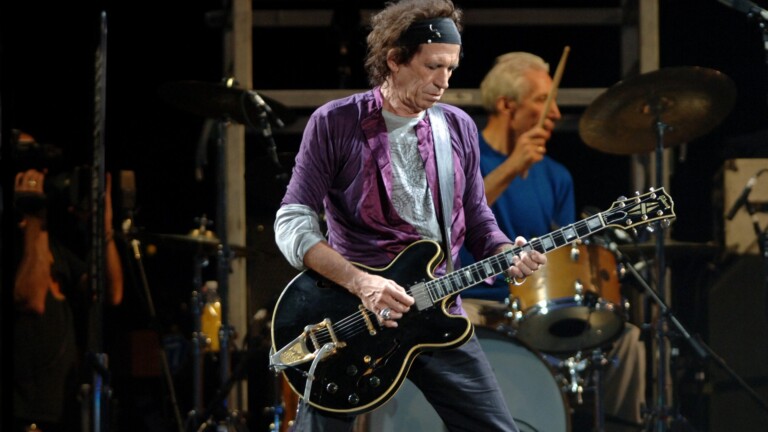
Jo Wood Says Rolling Stones Touring Days May Be Done Because of Keith Richards
Jo Wood, Ronnie Wood’s ex-wife, says she doubts the Rolling Stones will hit the road again, blaming Keith Richards’ hesitance even as the band’s new album Foreign Tongues thrives.
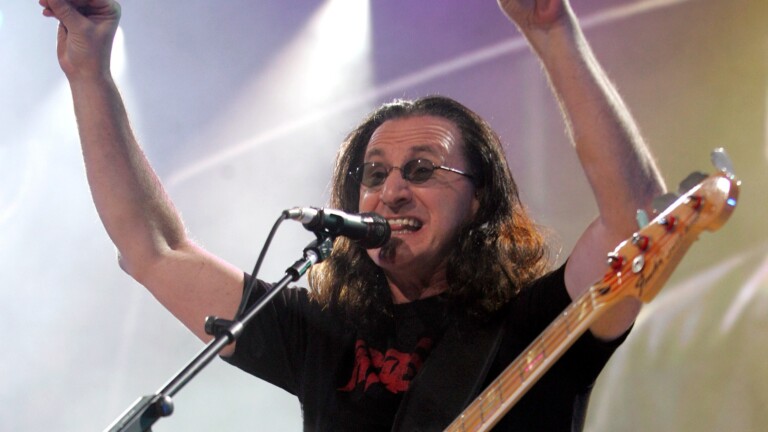
Rush’s Geddy Lee, Alex Lifeson Push Neil Peart Memorial Fund Past $1 Million Goal
Rush’s Geddy Lee and Alex Lifeson delivered a $785,000 check to the Neil Peart Commemorative Task Force, putting a years-long campaign to build the late drummer’s memorial in Ontario over its $1 million target.