

The Beatles’ Original Drummer, Pete Best, Announces Retirement
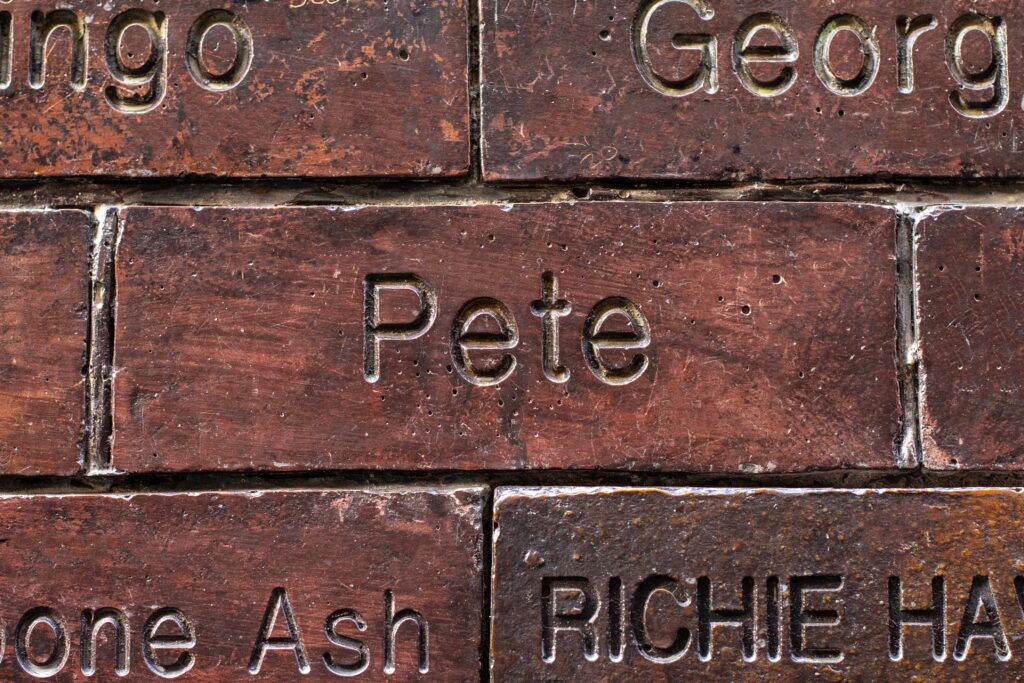
Pete Best, the original drummer for the legendary Beatles, has recently announced his retirement from music, marking the end of a significant chapter in rock history. Pete Best was with the Beatles for two years before being replaced by Ringo Starr, a pivotal moment not only in his career but also in the history of one of the world’s most iconic bands. During his tenure with The Beatles, Best was a part of their formative years when the band was still honing its craft and performing under challenging conditions in Hamburg, Germany. His role, though short-lived, was crucial in setting the stage for the musical phenomenon that The Beatles would become.
The news of Best’s retirement was shared on social media by his brother, Roag Best, who confirmed that Pete was stepping away from public performances due to personal circumstances. Pete Best himself acknowledged his retirement, expressing gratitude for his journey in music. This announcement has resonated deeply with fans of The Beatles and rock music aficionados worldwide, as many recognize Pete Best as a vital part of the Beatles’ foundational years.
Best’s association with The Beatles began in the late 1950s when the band, then known as the Quarrymen, was looking for a venue to perform. Best’s mother, Mona Best, owned the Casbah Coffee Club in Liverpool, where The Quarrymen first played. This relationship eventually led to Best joining them as their drummer in 1960, during which the band’s evolution into The Beatles was well underway. His skills behind the drum set were instrumental during their early tours and performances, particularly in Hamburg, where The Beatles developed their unique sound and stage presence.
Despite the abrupt end of his tenure with The Beatles, Best’s stint with the band remained a highlight in his life. His departure in 1962 came as a surprise to many, with manager Brian Epstein delivering the news that Ringo Starr would be replacing him. Years later, Best reflected on this period in his book The Beatles: The True Beginnings, appreciating his time with the band as both exciting and transformative for his musicianship. He later commented on the difficulty of his firing, which, at the time, he perceived as a personal and professional challenge.
Following his departure, Best continued his music career with bands like Lee Curtis and the All-Stars and eventually with the Pete Best Combo. His journey in music, however, took a turn as he diversified his career into civil service, eventually retiring early from there too. Nevertheless, his contributions to music were recognized, particularly with the Beatles’ *Anthology 1* album, which featured several tracks with his performances, contributing to his financial and personal achievements.
In the later years, Pete Best and his family converted the Casbah Coffee Club into an Airbnb, paying homage to its historical significance in the Beatles’ story. This space not only served as a reminder of where it all began but also helped cement Best’s legacy in the wider narrative of rock music. His retirement comes as his band, the Pete Best Band, was set to perform at the Liverpool Beatles Museum, a gig that represented the continuation of his musical journey.
Despite the challenges Best faced, including the mixed public perception following his departure from The Beatles, he has carried the legacy of being associated with the band with both pride and humility. His acknowledgment of the ‘wonderful ride’ he had, as stated in his retirement announcement, reflects a life filled with notable contributions and impactful experiences in the world of music. Pete Best’s story is one of resilience and dedication, where his short yet significant contribution to The Beatles paved the way for his personal growth and recognition in the music history books. As he steps away from public performances, Pete Best leaves behind a legacy that underscores the indelible mark left by his two years with The Beatles.
Key Takeaways
-
www.billboard.com | Pete Best, original drummer for The Beatles, has announced his retirement from music due to personal circumstances at the age of 83.
-
www.nationalworld.com | Pete Best is known as 'the fifth Beatle' and played with the band during pivotal early years from 1960 to 1962 before being replaced by Ringo Starr.
-
www.billboard.com | Following his departure from The Beatles, Best played with other bands and enjoyed a varied career, including a stint in civil service.
-
www.billboard.com | The Beatles' first performances took place at the Casbah Coffee Club, a venue owned by Pete Best's mother, Mona, and has recently been turned into a Fab Four-themed Airbnb.
-
www.billboard.com | Pete Best reflected on his time with the Beatles as a period of personal and musical growth and considered it a privilege, despite the way his tenure ended.
TOP STORIES
RELATED ARTISTS
Related Stories
Nikki Sixx Discusses Vince Neil’s Health and Live Vocals After Fourth Stroke
Motley Crue’s Nikki Sixx addresses Vince Neil’s recovery from his fourth stroke and the singer’s push to prove himself vocally on tour, as the band details its upcoming fourth Las Vegas residency.
Santana Announces 2027 Global Tour
Santana has unveiled the Planet of Free Will Global Tour 2027, a 13-date run through Europe and the UK that opens at London’s The O2 on June 30 and wraps up in Helsinki on July 31.
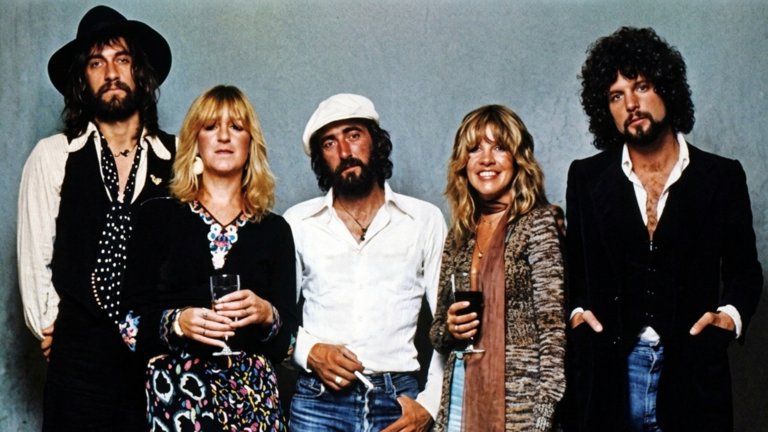
Fleetwood Mac Documentary ‘The Chain’ Gets Title and Release Date
Fleetwood Mac: The Chain, the band’s first fully authorized documentary, arrives on Apple TV on January 29, 2027, coinciding with the 50th anniversary of Rumours.
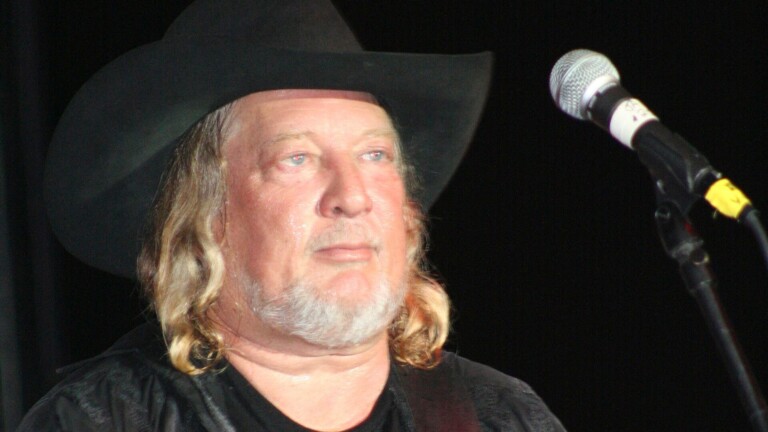
John Anderson, ‘Swingin” and ‘Seminole Wind’ Singer, Dies at 71
John Anderson, the Country Music Hall of Fame singer behind “Swingin'” and “Seminole Wind,” has died at age 71, only days after taking part in Nashville’s 2026 Medallion Ceremony.
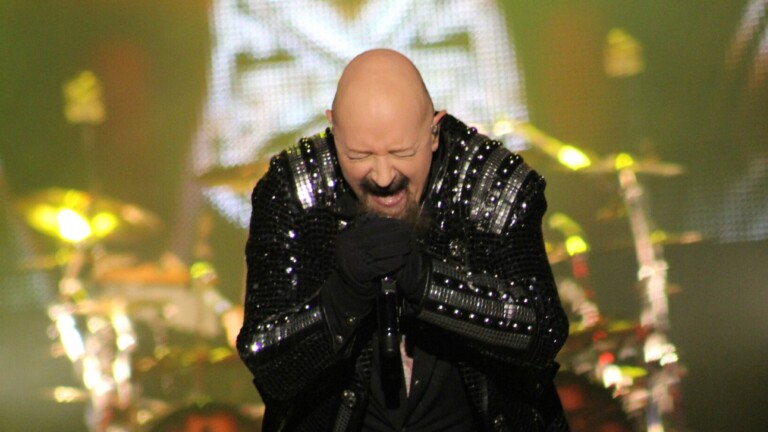
Judas Priest Locks In First Confirmed 2027 US Tour Date at Boardwalk Rock
Judas Priest has confirmed its first US concert of 2027, a slot on the Iron Maiden-headlined Sunday bill at the Boardwalk Rock festival in Ocean City, Maryland.
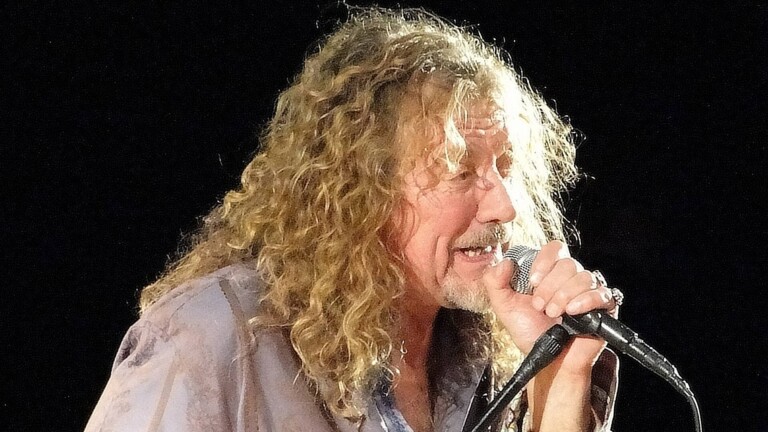
Robert Plant Opens Up on Son Karac’s 1977 Death and His Quiet Life Today
In a new Sunday Times interview, Robert Plant describes how the 1977 death of his five-year-old son Karac altered his attachment to Led Zeppelin, and shares details of his present-day life in a small Worcestershire village.
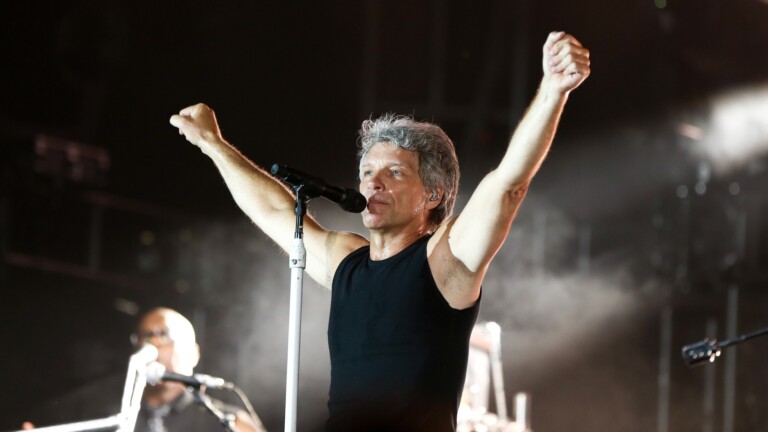
Bon Jovi Extends 2027 Stadium Dates, Expanding Forever Tour to Australia, UK and North America
Bon Jovi is expanding its Forever Tour with seven new 2027 stadium shows spanning Australia, the UK and North America, building on sold-out dates at Madison Square Garden and Wembley Stadium earlier this year.
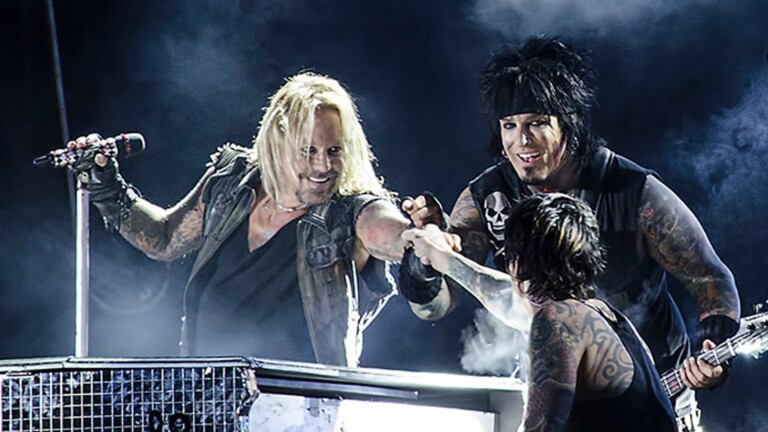
Motley Crue Sets 2027 ‘Carnival of Sins in Sin City’ Residency at Caesars Palace
Motley Crue has unveiled an eight-show Las Vegas residency, ‘Carnival of Sins in Sin City,’ set for The Colosseum at Caesars Palace from March 19 to April 3, 2027.
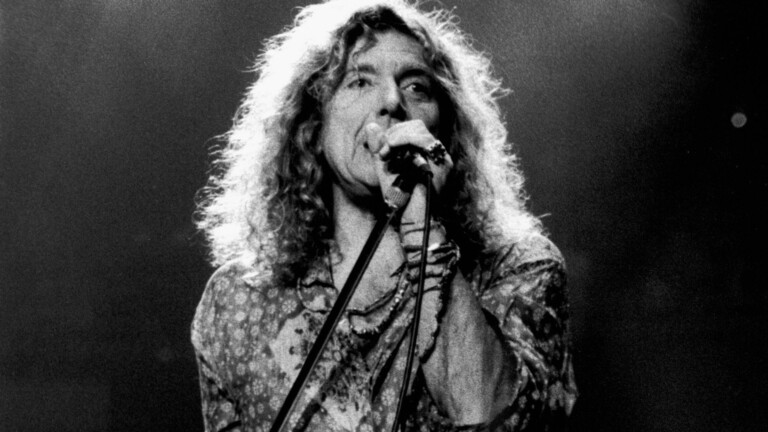
Led Zeppelin Lets ‘Stairway to Heaven’ Soundtrack a Movie Trailer for the First Time, for Greta Gerwig’s Narnia Film
Led Zeppelin has granted permission for ‘Stairway to Heaven’ to appear in a film for the first time, backing the debut trailer for Greta Gerwig’s Narnia: The Magician’s Nephew.