

This Is Why Sony is Suing Napster for $9.2 million
Sony Music Entertainment (SME) has entered another legal battle with Napster, this time suing Rhapsody International, Napster’s parent company, along with digital media firm Infinite Reality, over outstanding royalty payments and considerable copyright infringements. This lawsuit, filed in the U.S. District Court for the Southern District of New York, alleges that Napster owes Sony more than $9.2 million in licensing fees and unpaid royalties. Sony is also seeking damages amounting to $36 million for willful copyright infringement, arguing that Napster continued to stream music without authorization after licensing agreements were terminated. The background to this financial entanglement reveals a complex web of transactions and alleged financial misconduct, spotlighting a recurring issue in the music streaming industry: timely payment to artists and rights holders.
The controversy traces back to March, when Infinite Reality acquired Rhapsody International for $207 million. This transaction should have prompted Sony Music to terminate its licensing contracts owing to the debts Napster had accrued, but Sony instead negotiated a payment plan consisting of four installments to settle the account. Despite these arrangements, it is alleged that no payments were made, and Sony ultimately terminated its agreements with Napster in June. This lawsuit reignites a longstanding battle for Sony and Napster, who have clashed over music rights since Napster’s initial launch as a pioneering peer-to-peer music-sharing platform in 1999.
Compounding the current legal troubles for Napster are similar past allegations and lawsuits. Just recently, SoundExchange and Sonos also filed a lawsuit against Napster, demanding over $3.4 million in unpaid royalties. These legal issues highlight a persistent challenge regarding royalty payments in the streaming music sector. Napster, which has changed hands multiple times over the years—from Best Buy to Rhapsody International, and now Infinite Reality—faces intense scrutiny as it continues operating amid mounting financial liabilities and legal disputes.
Napster’s trajectory from a revolutionary digital music service to a focal point of financial and legal controversy underscores the complex nature of digital music distribution rights. The arsenal of licensing agreements between Napster and Sony included crucial contracts like the Foundation Media Content License Agreement, the Orchard Content License Agreement, the Content Integration Agreement, and the Framework Agreement. Napster’s failure to honor these agreements has resulted in an increasingly tense relationship with Sony, which fears this non-compliance reduces incentives for new music investment, threatening the entire music production ecosystem.
Despite these setbacks, Napster, now within the infrastructural ambit of Infinite Reality, insists on its commitment to mending its ties with the major record labels. However, the financial and legal obligations remain pressing, casting a significant shadow over its operations. This ongoing legal dispute is emblematic of broader industry challenges as for-profit streaming services often struggle with balancing accessible digital distribution against fair compensation for artists and rights holders.
The repercussions of this legal action go beyond Napster. The lawsuit comes at a time when Sony has intensified its efforts against entities failing to honor music licensing agreements. It serves as a potent reminder to the music industry about the crucial importance of adhering to proper intellectual property practices. As the digital landscape continues to evolve, ensuring fair compensation frameworks remains crucial for the sustainability and growth of music as a commercially viable and culturally significant medium.
This latest lawsuit also highlights the necessity for stringent regulations and transparent practices in the music streaming economy to protect the interests of both creators and rights holders. As the case unfolds, it will likely serve as a crucial reference point for other digital music services, emphasizing the importance of fulfilling contractual obligations and fostering healthy professional relationships within the music industry.
Key Takeaways
-
www.musicbusinessworldwide.com | Sony Music Entertainment (SME) is suing Rhapsody International, the parent company of the streaming service Napster, for $9.2 million in unpaid royalties and licensing fees.
-
www.musicbusinessworldwide.com | Infinite Reality acquired Rhapsody International for $207 million, which triggered a clause in the licensing agreements possibly allowing Sony to break the contracts.
-
www.avclub.com | Sony alleges that no payments have been made by Rhapsody post-acquisition, including additional licensing fees accrued after the purchase.
-
www.musicbusinessworldwide.com | Sony Music seeks damages of $150,000 per infringed work, which could total up to $36 million based on 240 songs that were infringed upon.
TOP STORIES
RELATED ARTISTS



Related Stories

Neil Young Sues Trump Fundraising Group Again Over ‘Rockin’ in the Free World’
Neil Young has filed a new $10 million copyright lawsuit against a Trump fundraising committee, accusing it of playing “Rockin’ in the Free World” without permission at an Ohio rally.

Donnie Iris, Pittsburgh Rock Icon, Dies at 83
Donnie Iris, the Pittsburgh rocker known for ‘Ah! Leah!’ and ‘The Rapper,’ died on Monday, October 26, 2026, at age 83, just weeks after announcing his retirement from live performing.

Nikki Sixx Discusses Vince Neil’s Health and Live Vocals After Fourth Stroke
Motley Crue’s Nikki Sixx addresses Vince Neil’s recovery from his fourth stroke and the singer’s push to prove himself vocally on tour, as the band details its upcoming fourth Las Vegas residency.

Santana Announces 2027 Global Tour
Santana has unveiled the Planet of Free Will Global Tour 2027, a 13-date run through Europe and the UK that opens at London’s The O2 on June 30 and wraps up in Helsinki on July 31.
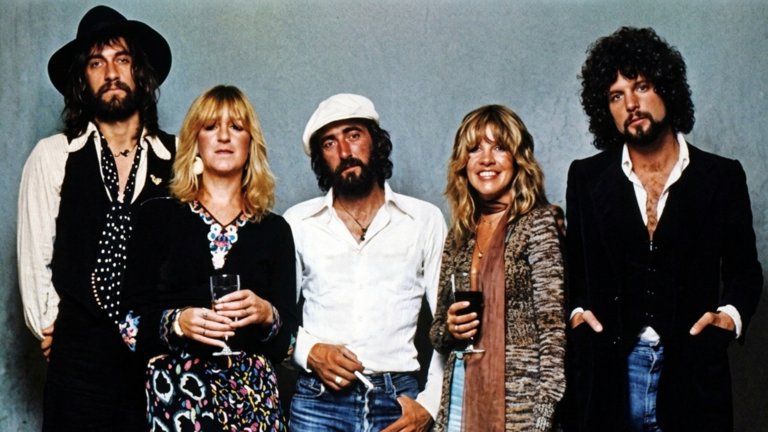
Fleetwood Mac Documentary ‘The Chain’ Gets Title and Release Date
Fleetwood Mac: The Chain, the band’s first fully authorized documentary, arrives on Apple TV on January 29, 2027, coinciding with the 50th anniversary of Rumours.

John Anderson, ‘Swingin” and ‘Seminole Wind’ Singer, Dies at 71
John Anderson, the Country Music Hall of Fame singer behind “Swingin'” and “Seminole Wind,” has died at age 71, only days after taking part in Nashville’s 2026 Medallion Ceremony.

Judas Priest Locks In First Confirmed 2027 US Tour Date at Boardwalk Rock
Judas Priest has confirmed its first US concert of 2027, a slot on the Iron Maiden-headlined Sunday bill at the Boardwalk Rock festival in Ocean City, Maryland.

Robert Plant Opens Up on Son Karac’s 1977 Death and His Quiet Life Today
In a new Sunday Times interview, Robert Plant describes how the 1977 death of his five-year-old son Karac altered his attachment to Led Zeppelin, and shares details of his present-day life in a small Worcestershire village.

Bon Jovi Extends 2027 Stadium Dates, Expanding Forever Tour to Australia, UK and North America
Bon Jovi is expanding its Forever Tour with seven new 2027 stadium shows spanning Australia, the UK and North America, building on sold-out dates at Madison Square Garden and Wembley Stadium earlier this year.