

Bruce Springsteen Unveils New 2026 Protest Song
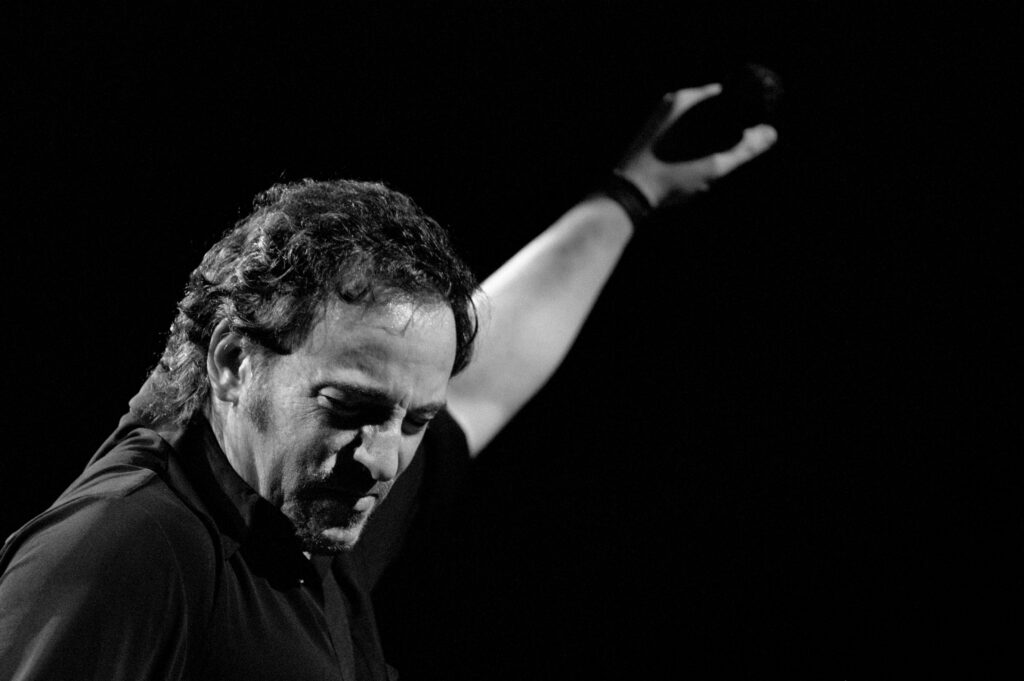
Bruce Springsteen has released a new protest song in 2026 responding to the killings in Minneapolis that sparked renewed national debate over policing, federal authority, and civil rights. The song marks one of Springsteen’s most direct political statements in years and places present day events squarely within the long moral arc that has defined much of his songwriting.
The track centers on the aftermath of the killings and the impact on the surrounding community. Springsteen sings from the perspective of witnesses and neighbors rather than officials, grounding the story in street level detail. The lyrics describe grief, anger, and fear moving through the city while also emphasizing solidarity among residents who feel caught between authority and survival.
Musically, the song strips away arena scale gloss in favor of a tense, driving arrangement. A steady rhythm section underlines the urgency of the narrative while restrained guitar lines and a weary vocal delivery keep the focus on the words. The production recalls Springsteen’s past protest work where clarity of message outweighs polish.
Lyrically, the song questions official explanations and challenges the use of force, portraying the killings as part of a broader pattern rather than an isolated incident. Springsteen avoids slogans in favor of imagery, invoking winter streets, flashing lights, and names that refuse to fade. The refrain emphasizes remembrance and accountability, urging listeners not to look away once headlines move on.
The release fits naturally within Springsteen’s protest tradition. Across decades, he has repeatedly used music to confront injustice, from police violence to war and economic inequality. This new Minneapolis focused song continues that lineage by addressing contemporary events while framing them as a test of American ideals.
Early reaction from fans and critics has highlighted the song’s emotional weight and its refusal to soften its message. For Springsteen, the track reinforces his role not just as a chronicler of working class life, but as an artist willing to speak plainly when he believes the country has lost its way.
Related Stories
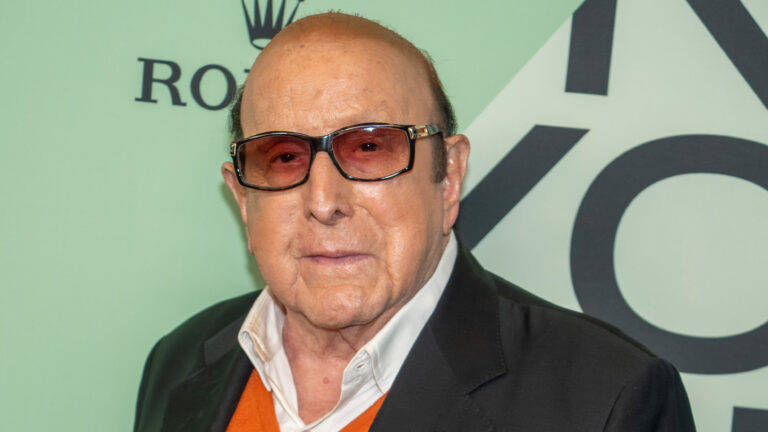
Clive Davis, Legendary Music Executive Who Shaped Pop History, Dies at 94
Clive Davis, the record executive behind Whitney Houston, Bruce Springsteen, and Alicia Keys, died Monday at his Manhattan home. He was 94.
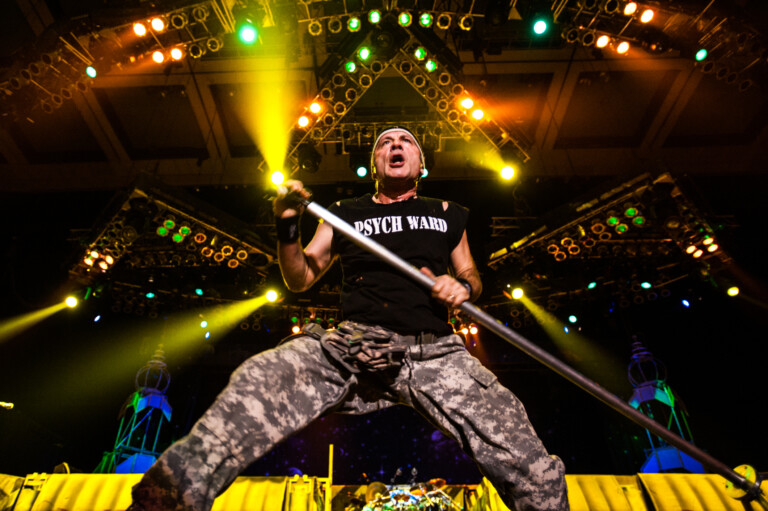
Iron Maiden Enforce Phone-Free Zone at Paris Show for Run For Your Lives Tour Film
Iron Maiden are enforcing a Yondr pouch phone-free standing area at their June 22 Paris La Défense Arena show, filmed for the Run For Your Lives Tour concert

31 Music Groups Warn Labels and Publishers to Stop Misusing Artist Rights in AI Deals
A coalition of 31 organizations warns record labels and publishers to stop negotiating AI deals without meaningful consent from artists and songwriters.
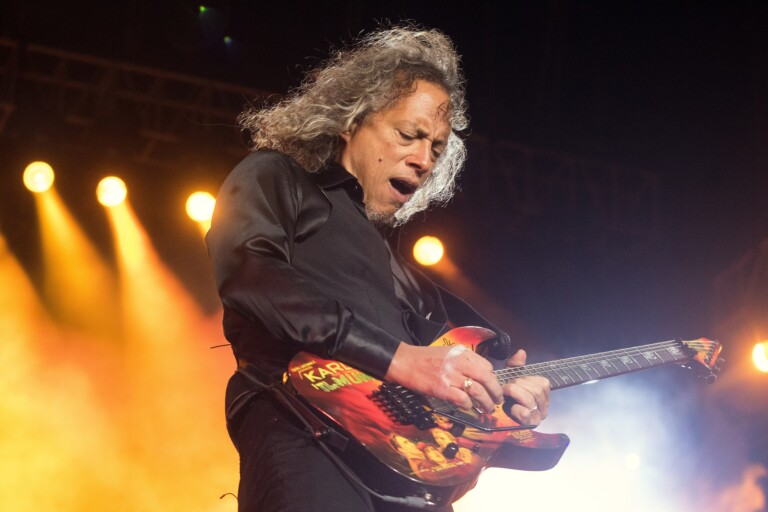
Kirk Hammett Falls Off Stage in Dublin Days After Taylor Swift T-Shirt Backlash
Metallica guitarist Kirk Hammett fell off the stage at Aviva Stadium in Dublin on June 19 during ‘Seek & Destroy,’ days after Swifties targeted him over a
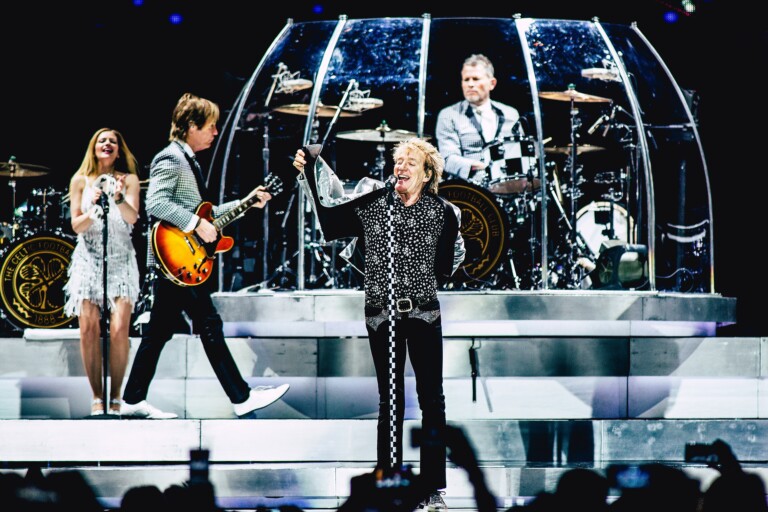
Rod Stewart Requires Oxygen Tank After Nearly Fainting Onstage in Utah
Rod Stewart nearly fainted during a concert at Utah First Credit Union Amphitheatre, requiring an oxygen tank before finishing the show seated.
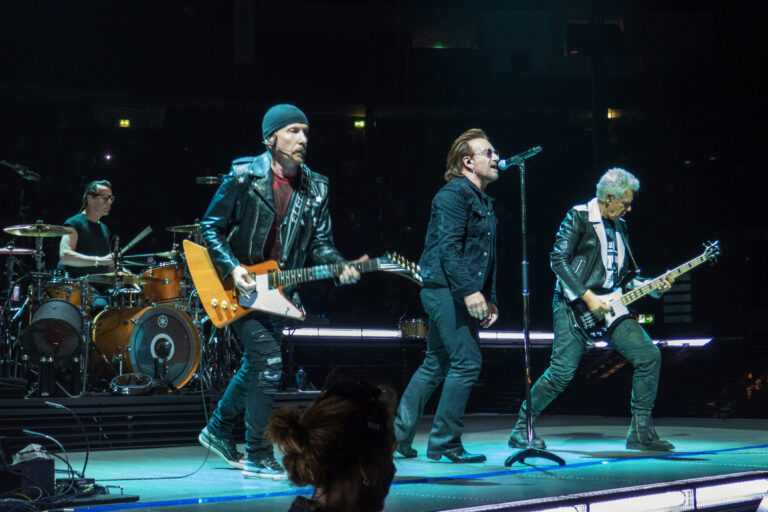
U2’s Bono and The Edge Move Obama to Tears at Presidential Center Opening
Bono and The Edge performed ‘City of Blinding Lights’ at the Barack Obama Presidential Center dedication in Chicago on June 18, visibly moving the former
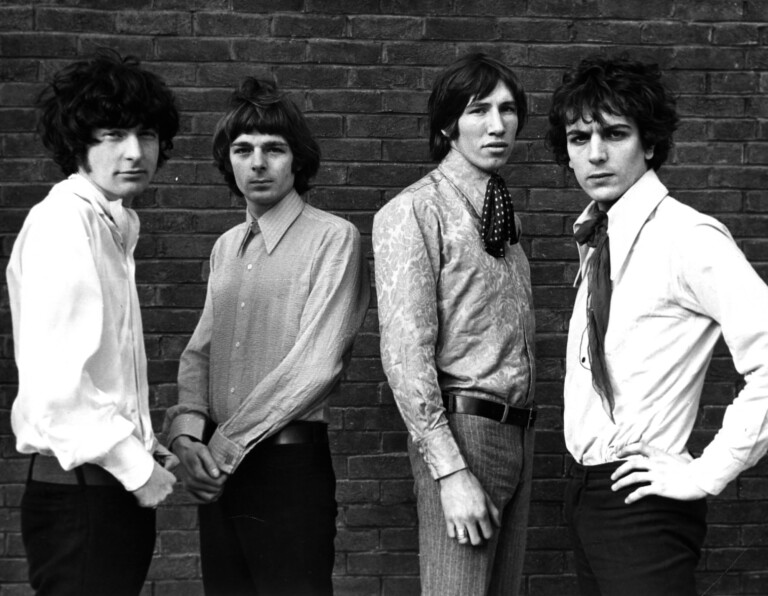
Syd Barrett’s 80th Birthday Marked With Cambridge Concert and Star-Studded Tribute Album
A tribute concert at Cambridge Corn Exchange and a new album featuring Pink Floyd, David Gilmour, and David Bowie mark what would have been Syd Barrett’s 80th
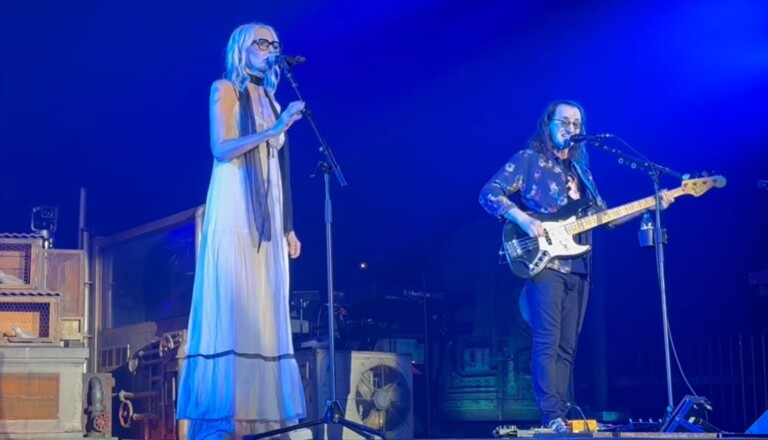
Aimee Mann Nearly Skipped Rush Reunion Tour After Geddy Lee’s Email
Aimee Mann reveals she nearly passed on performing ‘Time Stand Still’ with Rush on their Fifty Something reunion tour after receiving an email from Geddy Lee.
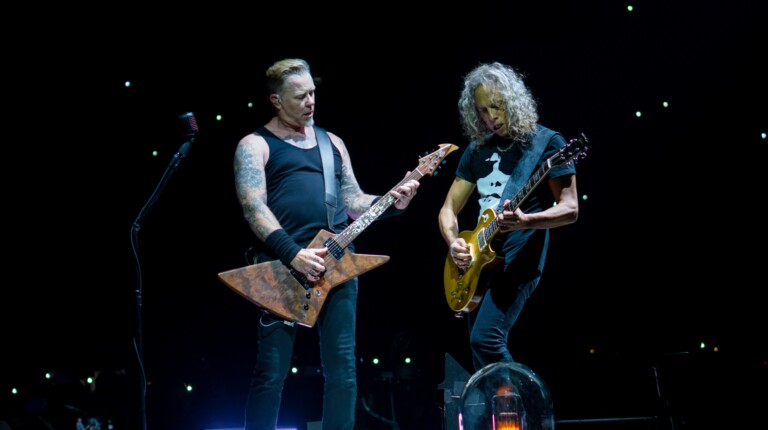
Kirk Hammett Releases Official Video From Frankfurt ‘The Collection: Live’ Event
Kirk Hammett has shared an official video of his May 23 ‘The Collection: Live’ book event at Zoom Saal in Frankfurt, featuring a surprise jam with Robert