

Paul McCartney and Ringo Starr have concerns about AI

In recent years, the emergence of artificial intelligence (AI) in music has sparked both innovative possibilities and profound apprehensions, particularly among industry legends like Paul McCartney and Ringo Starr. It's undeniable that AI has made significant strides in reshaping the landscape of music production. However, the concerns of artists about the ethical use of AI are growing just as rapidly.
Paul McCartney, the iconic Beatle, has been vocal about both the potential benefits and the potential harm of AI in music. McCartney initially tapped into AI technology for the posthumous revival of John Lennon’s vocals on the track “Now and Then,” which was remarkably well-received, even earning a Grammy nomination for Record of the Year. The Beatles’ inventive use of AI to clean up archival recordings breathed new life into Lennon’s voice, presenting it in its raw, emotive clarity. Yet, despite this breakthrough in technology allowing for such a nostalgic resurrection, McCartney’s embrace of AI has been gradually tempered by growing concerns. As he noted, while the technology afforded a kind of musical reunion, it also poses the risk of overshadowing live artists and threatening their creative outputs in the long run if left unchecked.
The influence of AI on the music industry isn't isolated to the Beatles. McCartney's bandmate, Ringo Starr, has mirrored these concerns, emphasizing a shared wariness of AI’s broader implications. The fear is that AI’s capability to mimic an artist’s style could lead to unauthorized reproductions, effectively eroding the authenticity and unique voice of countless musicians. As AI technology evolves, so too does the complexity of these ethical dilemmas, affecting not just legacy artists but new talents who are just entering the industry and may find themselves overshadowed by AI-generated content.
One significant point in this debate is the ongoing legislative efforts in the UK Parliament, spearheaded by Paul and others, aiming to restrict the use of artists’ works as training data for AI without explicit permission. McCartney has stressed the need to protect young, emerging artists whose careers might be jeopardized by unchecked AI use. He argues that if AI continues to permeate the music scene without proper regulatory frameworks, it could suppress new creative voices, potentially “wiping out” the music industry’s future generation of stars.
The apprehensions shared by McCartney and Starr highlight a critical dialogue within the music community about the balance between embracing technological advancements and protecting artistic integrity. Although AI technologies like “stem separation” used on “Now and Then” have set benchmarks for what can be achieved, they also underline the urgency for clear regulations. These advancements, if mishandled, might dilute the core essence of music and reduce it to mere algorithmic constructions.
The current conversation about AI's role in music also dovetails with broader concerns in other creative industries. High-profile artists and celebrities are increasingly joining campaigns against unauthorized AI uses. Despite the lack of participation from McCartney and Starr in petitions demanding regulatory measures against unconsented AI exploitation, there’s an evident rally for change as many in the industry recognize the necessity to take a stand before AI-driven solutions become irreversibly ingrained.
While AI presents intriguing possibilities for preserving and even expanding musical archives, as evidenced by the Beatles' recent experimentations, it also necessitates careful oversight. Both former Beatles' warnings reflect a deep-seated concern that transcends commercial success, urging stakeholders within the music industry to advocate for responsible AI innovations. As lawmakers and industry leaders ponder the future, the discussions led by figures like Paul and Ringo will hopefully continue to shape the discourse on how best to integrate technology without sacrificing the genuine human touch that defines and enriches creative expression.
Key Takeaways
-
www.techradar.com | Despite previous successes with AI, Paul McCartney now warns that unregulated AI in music could harm future musicians.
-
www.techradar.com | Paul McCartney expressed concerns about AI in music, stating it could "wipe out" the industry, urging the need for careful regulation.
-
americansongwriter.com | The AI-enhanced track "Now and Then" by The Beatles, released posthumously, became the first AI-assisted song nominated for Grammy awards.
-
drgnews.com | Ringo Starr voiced discomfort with AI, fearing it could replicate his musical signature without his consent.
-
www.techradar.com | Paul McCartney reversed his stance on AI after acknowledging its potential to "take over" the music industry, demonstrating the duality of AI's impact.
Related Stories
Prince Archival Album ‘Timeless’ Arrives Aug. 28 With 10 Unreleased Tracks
Prince’s ‘Timeless’ drops Aug. 28 via Legacy Recordings, featuring 10 previously unreleased tracks spanning his career, including new single ‘Stone.’
Peter Frampton Documentary Premieres at Tribeca Film Festival Tonight
The Peter Frampton documentary, celebrating the 50th anniversary of Frampton Comes Alive, premieres tonight at the OKX Theater at the BMCC Tribeca Performing
Chris Robinson Addresses Viral Tampa Backlash at Black Crowes Show
Chris Robinson speaks out after viral backlash at the Black Crowes’ May 31 Tampa concert, addressing the ‘U.S.A.’ chant incident and clarifying his remarks.
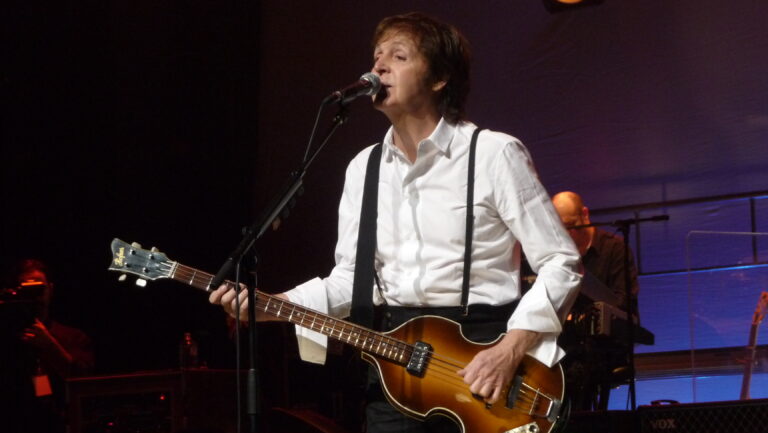
Paul McCartney’s Mystery Chord Sparked His New Album, and He Still Can’t Name It
Paul McCartney revealed the unidentified guitar chord that sparked his new album The Boys of Dungeon Lane, and he’s still asking fans what it’s called.
David Lee Roth Adds Five New Dates to 2026 ‘Don’t Love Me, Rent Me’ Tour
David Lee Roth has added five new dates to his 2026 ‘Don’t Love Me, Rent Me’ tour. Tickets go on sale June 5; presale password available now.
Chrissie Hynde Blasts Phone-Filming at Concerts as a ‘Weird Compulsion’
Chrissie Hynde called out concert phone use as a ‘weird compulsion’ after watching a fan film Emmylou Harris’s entire Royal Albert Hall show on his phone.
Kiss Announce ‘Destroyer: The Definitive Visual History’ Book for October
Kiss, Paul Stanley, Gene Simmons, and author Ken Sharp announce ‘Destroyer: The Definitive Visual History,’ a 272-page book releasing October 27 on the classic
Rick Springfield Joins Sammy Hagar on Best of All Worlds Tour for Eight Shows
Rick Springfield will join Sammy Hagar for eight dates on the Best of All Worlds Tour starting June 13 in St. Louis. The two rock icons reflect on their
Stella McCartney Drops Limited-Edition Paul McCartney ‘Boys of Dungeon Lane’ Shirt
Stella McCartney has released a limited-edition t-shirt celebrating Paul McCartney’s new album ‘The Boys of Dungeon Lane,’ available to UK customers for just