

Britain’s Poet Laureate Simon Armitage Honors Pink Floyd to Mark Key Anniversary
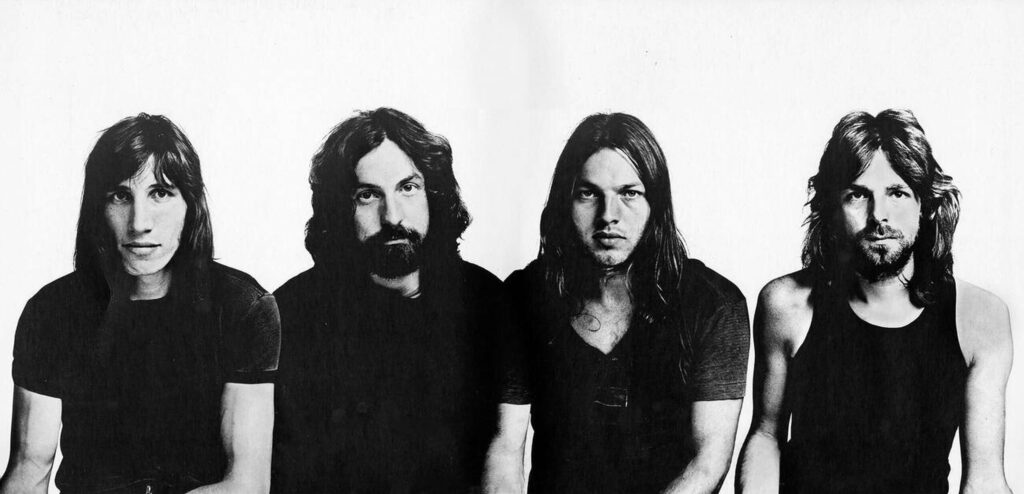
In an exciting fusion of rock music and contemporary poetry, Britain’s Poet Laureate Simon Armitage has composed a new piece in honor of Pink Floyd’s landmark 1975 album Wish You Were Here. This collaboration shows how the band’s cultural impact continues to resonate across art forms.
The Commission and the Occasion
To commemorate the 50th anniversary of Wish You Were Here, Pink Floyd enlisted Simon Armitage to create a poem entitled Dear Pink Floyd.
The poem will be featured in the deluxe box set edition of the album, scheduled for release on December 12, 2025.
Armitage, who was 12 when the album was released, has described the invitation as “a natural one” because he only gets involved in projects if he feels he can’t do them, suggesting that the creative challenge appealed to him.
Themes and Artistic Intent
In the poem, Armitage explores several key ideas:
-
The album as a time capsule, treasure chest, and “message in a bottle” reaching distant places.
-
The immersive, layered nature of the music: Armitage speaks of trying to “fit onto the side of an LP and bleed right to the margins of a square… I was trying to mimic the noise of Wish You Were Here – there are no gaps in it. Like a wall of warm sound.”
-
Personal resonance: Growing up listening to the album in the late 1970s, Armitage describes feeling profound emotion and shivers up his spine each time he begins it.
The poem is both homage and personal reflection, a fan’s letter to the band through poetry.
Pink Floyd’s Legacy and Why This Matters
Wish You Were Here remains one of rock’s defining works, intertwining alienation, technology, and human longing. Its cultural impact endures.
Armitage himself notes fans wearing Pink Floyd merchandise “so far up the Amazon, even the trees were lost… on the banks of the Ganges, in an Arctic rescue hut.”
By commissioning a Poet Laureate to write about it, Pink Floyd acknowledges the album’s elevation beyond just a rock record to a true work of art, worthy of poetic reflection. It bridges rock and high art, popular culture and literary tradition.
The Poem in Context
The role of a Poet Laureate in the UK is to mark major national events or to produce works of public significance. The 50th anniversary of Wish You Were Here marks a milestone in cultural history. Armitage’s piece sits at the intersection of personal devotion and public commemoration.
The poem’s style, described as “stream of consciousness” with no punctuation, is deliberately experimental and mirrors the album’s broad sonic canvas.
What to Look For
For fans and poetry lovers, keep an eye out for:
-
The full text or reading of Dear Pink Floyd, included in the deluxe box set and possibly shared online.
-
Visual presentation: Armitage wanted the poem to “fit onto the side of an LP and bleed right to the margins of a square,” hinting that the formatting will mirror the album’s artwork and shape.
-
References: fans may spot nods to tracks like “Shine On You Crazy Diamond,” “Welcome to the Machine,” or the motif of absence and presence that runs through the album.
-
A renewed interest in the album: the poem reignites conversation around Pink Floyd’s legacy, the nature of listening, and how albums become cultural touchstones.
Why This Resonates
-
Generational bridge: Armitage, part of the generation that grew up in the wake of punk, still found in Pink Floyd a deeply introspective musical voice.
-
Cultural weight: A band’s album inspiring a newly commissioned poem underscores its enduring place in collective memory.
-
Artistic synergy: Rock music meets poetry not just in lyrics, but as a conversation between forms. This project opens up the idea of albums as texts to be read and revisited.
In commissioning Simon Armitage’s Dear Pink Floyd, the band is doing more than marking an anniversary. They are highlighting how Wish You Were Here has saturated culture, memory, and emotion. Armitage’s poem stands as both a testament and a new work of art in its own right.
For listeners, this is a moment to revisit the album, take in the poem, and consider how music travels beyond the grooves of a record into the realms of language, memory, and meaning.
Key Takeaways
-
www.pinkfloyd.com | Pink Floyd Official Site
-
www.theguardian.com | The Guardian
-
www.thetimes.com | The Times
TOP STORIES
RELATED ARTISTS

Related Stories
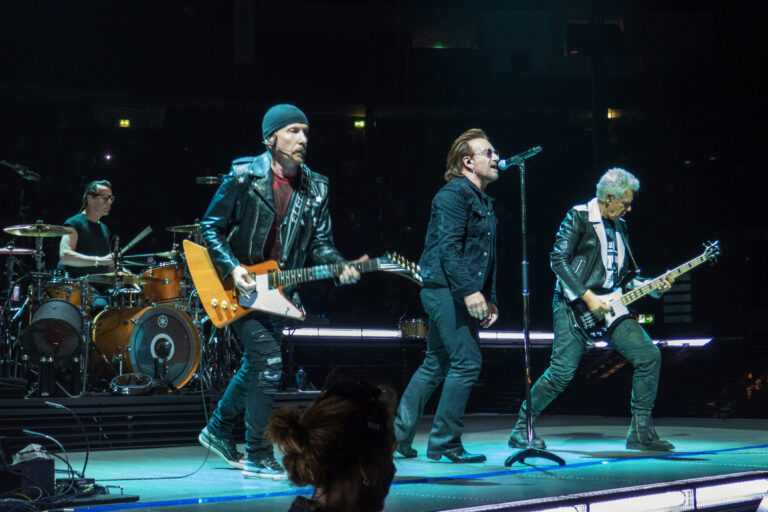
U2’s Bono and The Edge Move Obama to Tears at Presidential Center Opening
Bono and The Edge performed ‘City of Blinding Lights’ at the Barack Obama Presidential Center dedication in Chicago on June 18, visibly moving the former
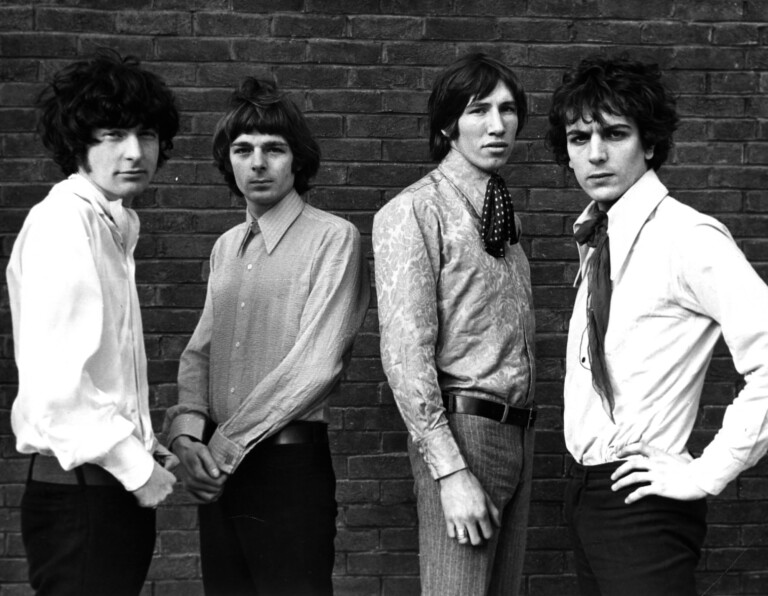
Syd Barrett’s 80th Birthday Marked With Cambridge Concert and Star-Studded Tribute Album
A tribute concert at Cambridge Corn Exchange and a new album featuring Pink Floyd, David Gilmour, and David Bowie mark what would have been Syd Barrett’s 80th
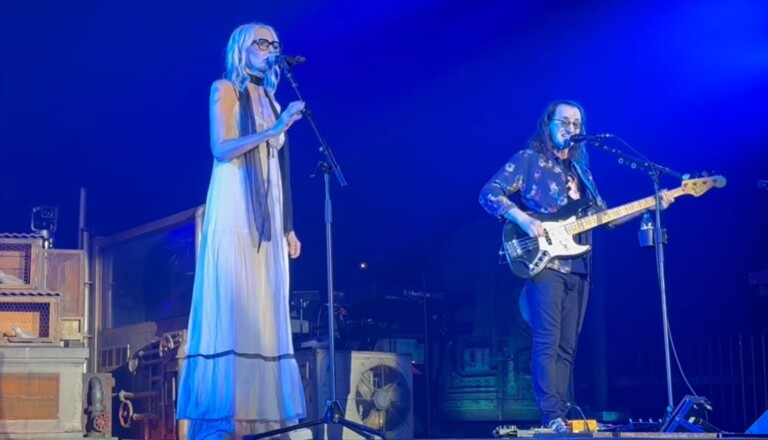
Aimee Mann Nearly Skipped Rush Reunion Tour After Geddy Lee’s Email
Aimee Mann reveals she nearly passed on performing ‘Time Stand Still’ with Rush on their Fifty Something reunion tour after receiving an email from Geddy Lee.
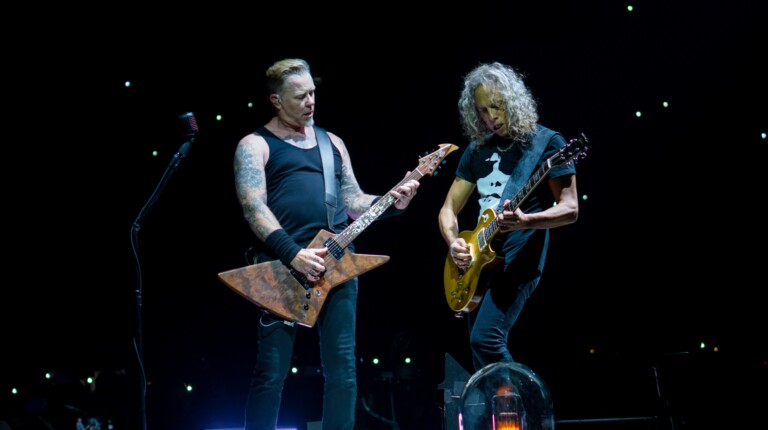
Kirk Hammett Releases Official Video From Frankfurt ‘The Collection: Live’ Event
Kirk Hammett has shared an official video of his May 23 ‘The Collection: Live’ book event at Zoom Saal in Frankfurt, featuring a surprise jam with Robert

Stewart Copeland Says He and Sting ‘Get Along Just Fine’ Despite Royalty Lawsuit
The Police drummer Stewart Copeland opens up about his friendship with Sting, the ongoing royalty lawsuit in U.K. High Court, and calling himself ‘fully
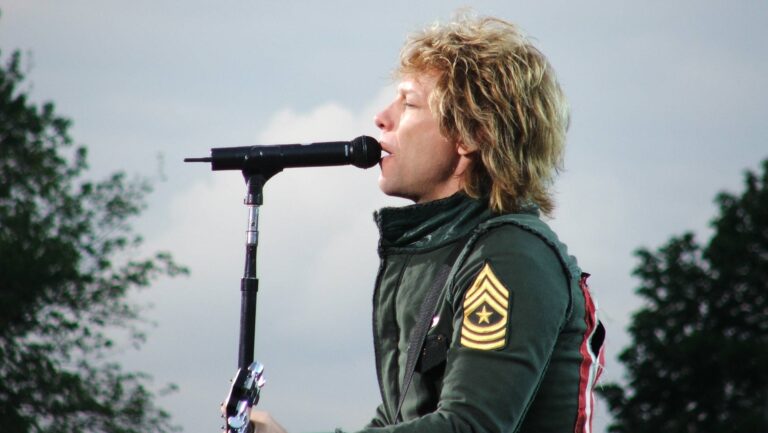
Jon Bon Jovi Declares Full Vocal Recovery, Announces Massive Tour Dates
Jon Bon Jovi says he’s ‘fully recovered’ from 2022 vocal cord surgery as Bon Jovi announce a nine-night MSG residency and UK/Ireland stadium shows for 2026.
Walter Parazaider, Founding Saxophonist of Chicago, Dead at 81
Walter Parazaider, the founding saxophonist and creative architect of Chicago, died June 17 at 81 after a six-year battle with Alzheimer’s disease.
Rush Thanks Fans After Inglewood Opener
Rush kicked off the Fifty Something Tour in Inglewood with Alex Lifeson, Geddy Lee, and Anika Nilles. The band thanked fans after four opening nights.
Steve Miller Books Two Fall 2026 Concerts at NYC’s Rose Theatre
Steve Miller confirms two concerts at Frederick P. Rose Hall in New York City on Oct. 9 and 10, 2026, honoring his blues and jazz heroes.