

Pink Floyd’s 1975 Los Angeles Sports Arena Concert Gets New Vinyl and CD Life
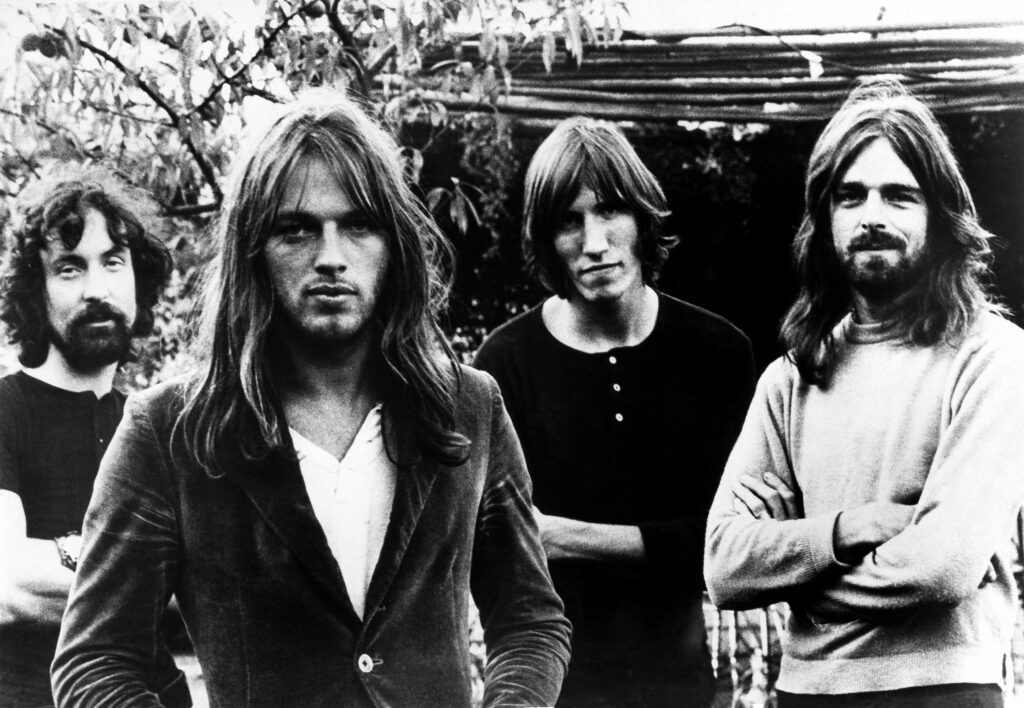
By the spring of 1975, Pink Floyd occupied a rare place in rock history: they were already one of the biggest live attractions in the world, but they were still reshaping core material onstage before it reached tape. That is why the newly circulated release of the band’s April 26, 1975 concert at Los Angeles Sports Arena, now issued on vinyl and CD in collector channels, carries real weight. This is not just another archival title for completists. It captures Roger Waters, David Gilmour, Richard Wright, and Nick Mason at a hinge point between The Dark Side of the Moon and Wish You Were Here, while their repertoire and artistic priorities were actively shifting in public.
Context matters here. The Dark Side of the Moon had been released in March 1973 and became a cultural event, not merely a hit album. By 1975, the record had transformed Pink Floyd from a major progressive act into an arena institution. Yet the band’s internal mood was more complicated than its commercial profile suggested. Waters was steering concepts toward alienation and industry critique, Gilmour remained focused on melodic and tonal detail, Wright provided the harmonic atmosphere that made the songs breathe, and Mason anchored the long-form pacing that separated Floyd from harder, more compressed live contemporaries. The 1975 stage show reflects all four dynamics in motion.
Why the Los Angeles Sports Arena Date Is Significant
The April 26 Los Angeles show sits inside the group’s 1975 North American run, a tour cycle that has become essential to understanding Floyd’s creative bridge years. At this stage, audiences were hearing early frameworks of material that would later be recast on Animals. “Raving and Drooling” appeared in concert two years before it evolved into “Sheep” on the 1977 studio album. “You’ve Got to Be Crazy” would similarly be rewritten and retitled “Dogs.” These were not rough demos tossed into a setlist. They were long, structurally ambitious pieces being field-tested before arena crowds.
The 1975 performances also featured “Shine On You Crazy Diamond,” the extended suite tied to Syd Barrett’s shadow over the band’s identity. In live form, the piece could feel even more expansive than the studio version eventually released on Wish You Were Here in September 1975. Hearing that material in an arena environment, alongside the established Dark Side repertoire, reveals how Floyd balanced precision with drift, and control with atmosphere. This Sports Arena document preserves that balancing act at full scale.
Performance Character: Less Flash, More Architecture
One of the persistent myths about 1970s arena rock is that spectacle dominated substance. Pink Floyd’s 1975 work argues the opposite. Yes, the visual production was sophisticated for its time, but the band’s real signature was architecture: long-form transitions, thematic sequencing, dynamic restraint, and patient builds. The Los Angeles recording underlines those strengths. Gilmour’s phrasing remains economical but cutting, Wright’s keyboards fill vast sonic space without clutter, Waters drives the narrative center of the songs, and Mason’s drumming keeps the pieces moving without forcing tempo where tension works better.
That combination is precisely why recordings from this period remain in demand. They document a major band resisting the short-form logic that was already taking hold in mainstream radio. In an era before digital playlists, Floyd built sets that required attention span and rewarded close listening. On vinyl and CD, that design translates well because both formats favor intentional sequencing and full-side immersion.
Vinyl vs. CD: Two Paths Into the Same Moment
Current editions of this Sports Arena performance are circulating in multiple physical formats, typically as multi-disc vinyl packages and compact disc sets. Specific pressing details, mastering sources, and packaging treatments can differ by label, distributor, and territory, so buyers should verify exact track listings before purchase. Still, the core proposition is clear in either format: an extended 1975 document from one of rock’s most studied live periods.
For vinyl collectors, the attraction includes format ritual and presentation. Side breaks can create natural pauses that mirror set movement, and large-format jackets support the archival aura these releases trade on. For CD listeners, the advantages are portability, consistent playback, and easier repeated study of arrangement differences across songs and sections. In both cases, physical media provides a durable alternative to fleeting stream-first distribution, particularly for archival titles that may not remain digitally available in stable form.
What This Release Adds to the Floyd Story
There is no shortage of Pink Floyd live material in circulation, official and unofficial, so every new issue has to justify itself. The Los Angeles Sports Arena 1975 set does so by sharpening the view of a specific transition. The band was still carrying the emotional and commercial aftershock of Dark Side, while already writing toward the colder social narratives that would define Animals. That tension is audible in the pacing, in the contrasts between lyrical introspection and aggressive instrumental passages, and in the way familiar songs coexist with works in progress.
For seasoned Floyd listeners, this release is valuable as comparative evidence. It allows direct study of arrangement evolution, vocal emphasis, and instrumental roles before later studio codification. For newer fans, it offers an accessible portal into why the group’s mid-1970s live years remain central to the band’s reputation. The Los Angeles date is not famous because of nostalgia alone. It is important because it records a world-class band in active transformation, in front of a large audience, with material that would soon become part of the modern rock canon.
In practical terms, the vinyl and CD availability means this chapter of Floyd history is once again easy to own, not just read about. For a band whose legacy is often discussed in abstractions, this kind of release returns the conversation to evidence: four musicians onstage in 1975, building the future of their catalog in real time.
TOP STORIES
RELATED ARTISTS

Related Stories
Stella McCartney Drops Limited-Edition Paul McCartney ‘Boys of Dungeon Lane’ Shirt
Stella McCartney has released a limited-edition t-shirt celebrating Paul McCartney’s new album ‘The Boys of Dungeon Lane,’ available to UK customers for just

Chris Robinson Booed in Tampa After Mocking Fans’ ‘USA’ Chant
Black Crowes singer Chris Robinson was booed at a Tampa show on the Southern Hospitality Tour after responding sarcastically to fans chanting ‘USA’ during the
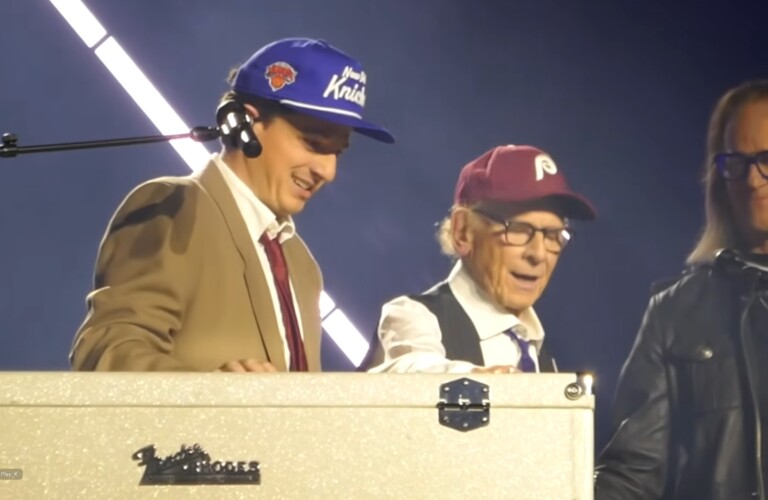
WATCH: Art Garfunkel Joins Charlie Puth for ‘The Boxer’ at Madison Square Garden
Art Garfunkel surprised the crowd at Charlie Puth’s sold-out Madison Square Garden show, joining him for a performance of Simon & Garfunkel’s ‘The Boxer.’
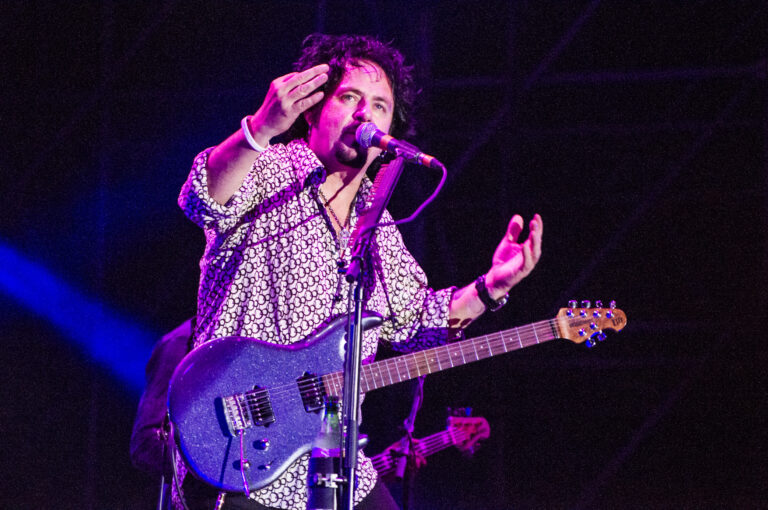
Steve Lukather Says Posthumous Van Halen Album Will ‘Blow You Away’
Steve Lukather tells Guitar Player the upcoming posthumous Van Halen album features finished Eddie Van Halen tracks that will blow fans away. Here’s what we
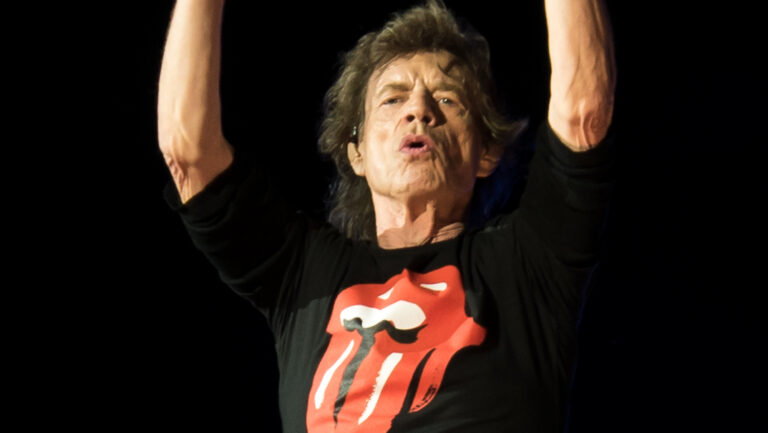
Mick Jagger’s Lost 1992 Blues Album With the Red Devils Has Never Been Released
In 1992, Mick Jagger recorded 13 blues tracks in 14 hours with LA bar band the Red Devils and producer Rick Rubin. The session has never been officially
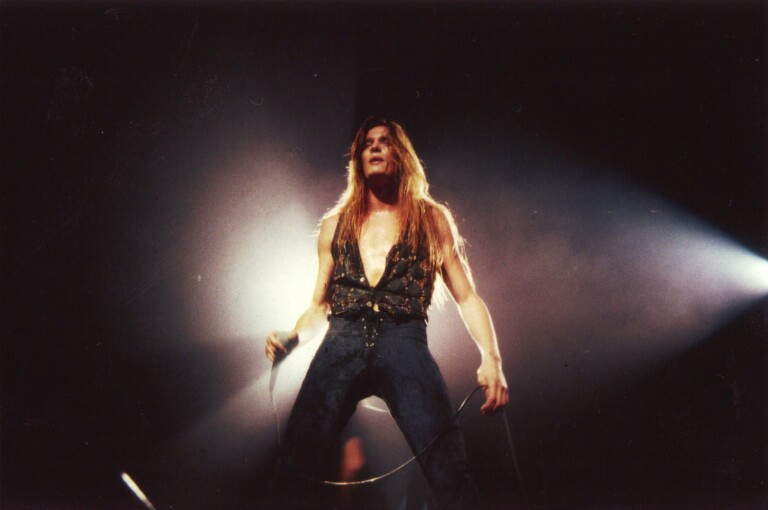
Sebastian Bach Steps In for Dee Snider on Twisted Sister’s 50th Anniversary Tour
Sebastian Bach will front Twisted Sister on rescheduled 50th anniversary dates after Dee Snider resigned on health grounds. Jay Jay French and Bach speak
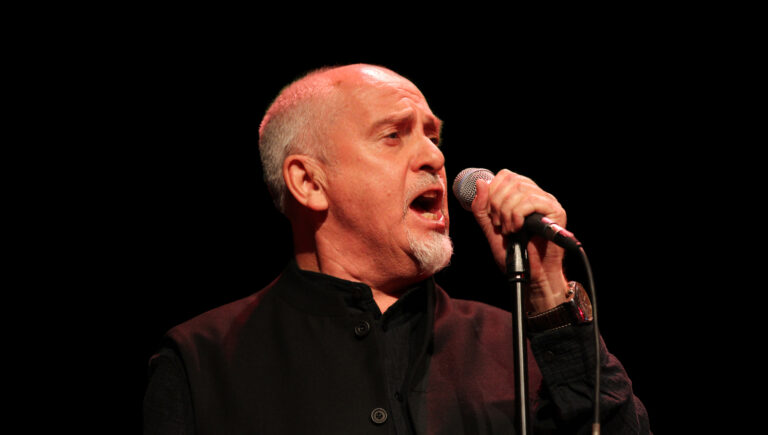
Peter Gabriel Releases ‘A Hard Lesson,’ Oldest Track From Upcoming ‘oi’ Album
Peter Gabriel releases ‘A Hard Lesson,’ the oldest track from his upcoming oi album, a song rooted in a late-’80s visit to Senegal and its polyrhythmic music.

Billy Gibbons and Keith Urban Team Up on New Single ‘Brown Paper Bag’
Billy Gibbons releases new solo single ‘Brown Paper Bag’ featuring Keith Urban on guitar, as ZZ Top’s Dos Amigos Tour heads to Europe starting June 24.
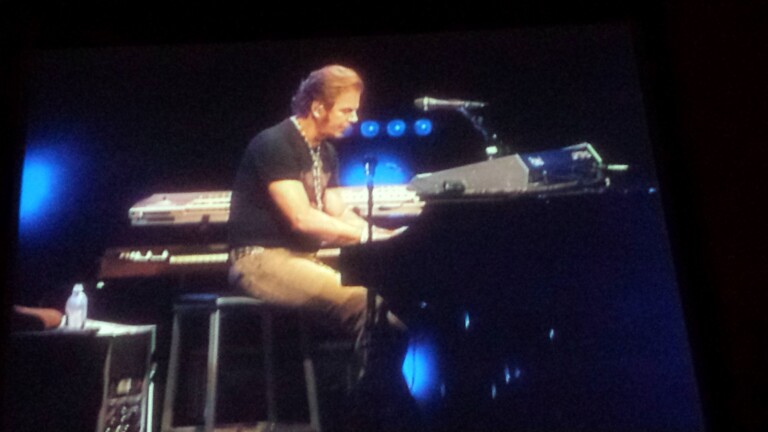
Jonathan Cain to Exit Journey at the End of the Band’s Farewell Tour
Jonathan Cain, the keyboardist who helped define Journey’s biggest era, is preparing to leave the band when its farewell run…