

Phil Collins Falls to No. 2 in Rock Hall Fan Vote, but the 2026 Race Is Far From Over
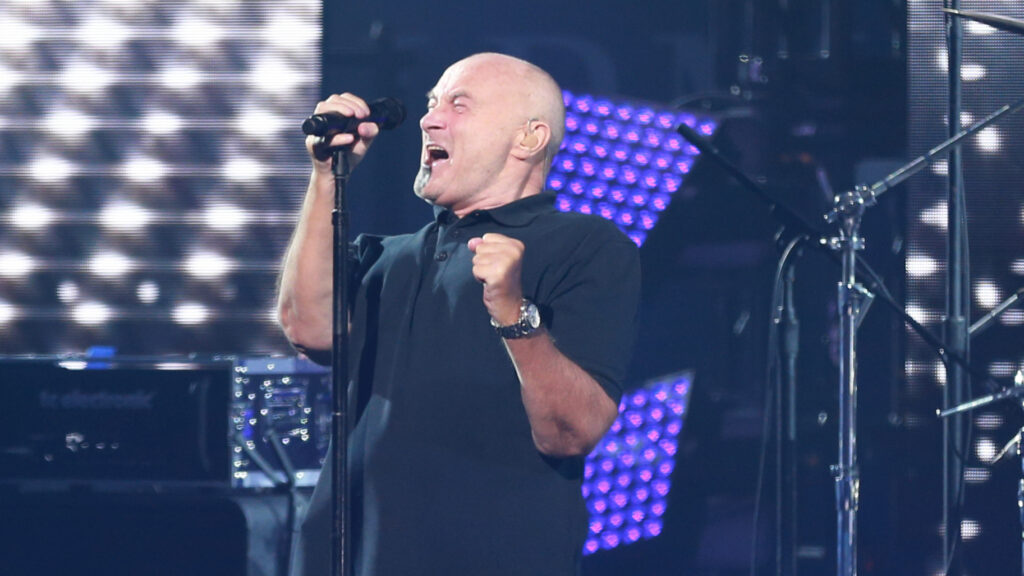
For the past two weeks, Phil Collins had been sitting in the position every Rock and Roll Hall of Fame nominee wants in March: at the top of the fan vote leaderboard, with a clear lane to own the conversation around the 2026 class. That changed this week. Collins has now slipped to No. 2, overtaken by New Edition in one of the first real momentum swings of this year’s race.
On paper, it is just a ranking change. In practice, it is a useful snapshot of how modern Hall campaigns actually work. The fan vote has become a daily turnout contest driven by organized fan communities, social sharing, media visibility, and artists’ long-tail cultural relevance. Collins remains a heavyweight name with deep catalog strength and broad recognition. But this week proved what Hall watchers already know: no lead is safe in March.
The numbers that changed the story
The latest publicly reported leaderboard, published March 19, shows New Edition in first place with 606,181 votes. Collins is second with 554,300 votes. Pink is in third with 515,080, followed by Luther Vandross at 442,231 and INXS at 383,804.
Those totals matter for two reasons. First, the spread between first and third is not huge by fan-vote standards, which means sustained daily voting can reshuffle the top tier quickly. Second, this is not a case of Collins collapsing. He is still posting a high total and remains firmly in the top group. The headline is less about decline and more about a surge from New Edition, whose supporters have clearly mobilized at scale.
That kind of push is increasingly common in Hall voting cycles. What used to look like a static popularity metric now behaves more like an active campaign board. One outlet report, one viral post, or one coordinated fan effort can change the order in a matter of days.
Why Collins was leading in the first place
Collins’ early advantage was not surprising. He brings multiple audience lanes into the same vote pool: solo-era pop and adult contemporary listeners, progressive-rock and Genesis fans, classic-rock radio audiences, and casual voters who know him from decades of crossover hits. Few nominees can command that range without explanation.
He also benefits from name recognition that does not require a campaign primer. For many casual voters, Phil Collins is instantly legible. In fan-vote mechanics, that is a material advantage, especially during the first week when attention is broad and less segmented.
At the same time, Collins’ position has always had one strategic complication: his prior Hall history. Genesis was inducted in 2010, which means some voters may feel he is already represented institutionally, even though this ballot is about his solo case. That perception can slightly flatten urgency compared with first-time narratives surrounding other nominees.
What New Edition’s rise says about 2026
New Edition taking the lead is a reminder that fan-vote energy is now deeply cross-genre. The old framing of the Hall as primarily a classic-rock popularity contest does not hold up in current cycles. R&B voters, pop voters, and multi-generational fan bases can and do dominate the board when turnout is organized.
The group’s recent touring profile helps explain the timing. New Edition has stayed visible through major live activity in recent years, including a high-profile 2026 run with Boyz II Men and Toni Braxton, which kept the act active in public-facing music conversation. Visibility converts to votes when the voting window is open and fans are reminded daily that participation is allowed once per day.
In that context, Collins losing first place is less an indictment of his support than evidence that 2026 is shaping up as a genuinely competitive, coalition-driven fan race.
The fan vote is influential, but not decisive
This is the part casual readers often miss. The Hall fan vote is important and highly visible, but it does not single-handedly decide the induction class. The final selections come from the Hall’s broader voting body, with the fan ballot folded into the process as one input.
Recent precedent reinforces that point. In the 2025 cycle, Billy Idol and Phish finished first and second in fan voting but were not inducted. That outcome did not make the fan vote irrelevant. It simply confirmed that fan ranking and final committee outcomes can diverge.
So while Collins dropping to No. 2 is a meaningful development in the public race, it is not a fatal blow to his overall induction chances. If anything, high placement keeps him central to the discourse and signals sustained enthusiasm that voters inside the Hall ecosystem can see.
What to watch before the April cutoff
Fan voting remains open through April 3, with one vote permitted per day. That structure favors consistency over one-day spikes. Acts with disciplined daily turnout tend to climb late, and top-five positions can still shift as fan communities push final-week campaigns.
For Collins supporters, the path is straightforward: keep him in the top tier and narrow the gap with New Edition. For observers, the more interesting question is whether the current top five holds or whether another nominee mounts a late run. Pink, in particular, remains close enough to matter, and that margin makes this one of the tighter three-way contests at the top the Hall has seen in recent years.
The Rock and Roll Hall of Fame is expected to announce the 2026 induction class in April. Whether Collins reclaims No. 1 in fan voting or stays in second, the broader takeaway is already clear. His solo candidacy is not a fringe storyline. It is one of the defining narratives of the cycle, and the leaderboard shift only sharpened that reality.
Reported vote figures cited in this story reflect publicly reported March 19, 2026 leaderboard totals: New Edition (606,181), Phil Collins (554,300), Pink (515,080), Luther Vandross (442,231), and INXS (383,804).

Related Stories
Bob Dylan Loses Two Guitarists Mid-Tour as Bob Britt Quits
Bob Dylan’s acoustic guitarist Bob Britt quit mid-tour with a cryptic ‘Sayonara Bobby’ post, while electric guitarist Doug Lancio also quietly departed the
Stevie Nicks Expected to Perform at Taylor Swift’s MSG Wedding
Rolling Stone reports Stevie Nicks is expected to perform at Taylor Swift and Travis Kelce’s rumored Fourth of July wedding at Madison Square Garden.
B-52s Blame Promoter After Tornado Destroys Gear at French Festival
The B-52s narrowly avoided catastrophe at the Retro C Trop festival in France after a tornado struck the venue, destroying keyboards, laptops, and more gear.
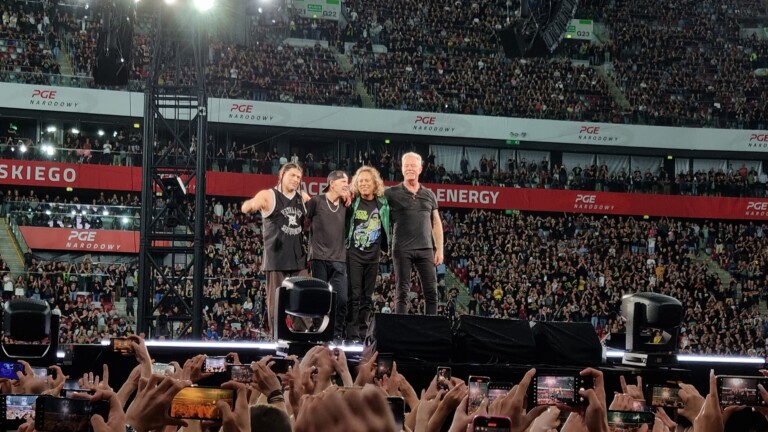
Metallica Donate £20,000 to Cardiff Foodbank Through All Within My Hands Foundation
Metallica donated £20,000 to Cardiff Foodbank through their All Within My Hands foundation after a sell-out M72 World Tour date at the Welsh capital on June 28.
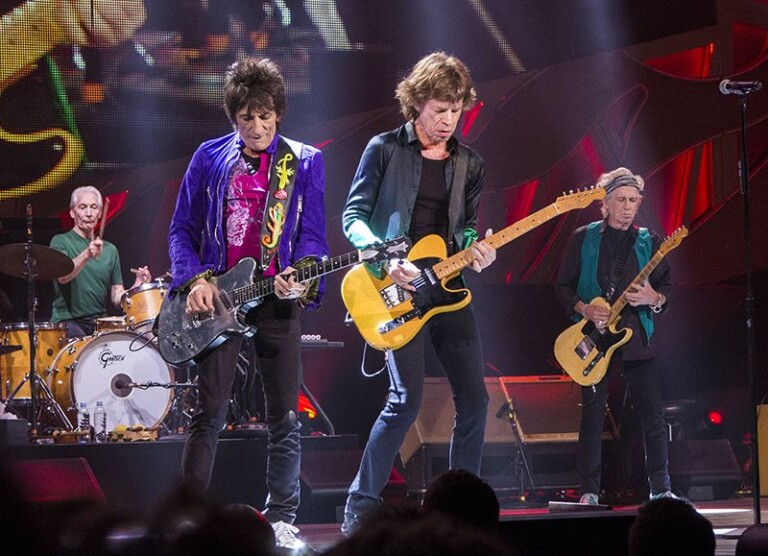
Rolling Stones Drop ‘Jealous Lover’ and Robert Smith Collab Ahead of ‘Foreign Tongues’
The Rolling Stones release ‘Jealous Lover’ and ‘Divine Intervention’ featuring the Cure’s Robert Smith ahead of their July 10 album Foreign Tongues.
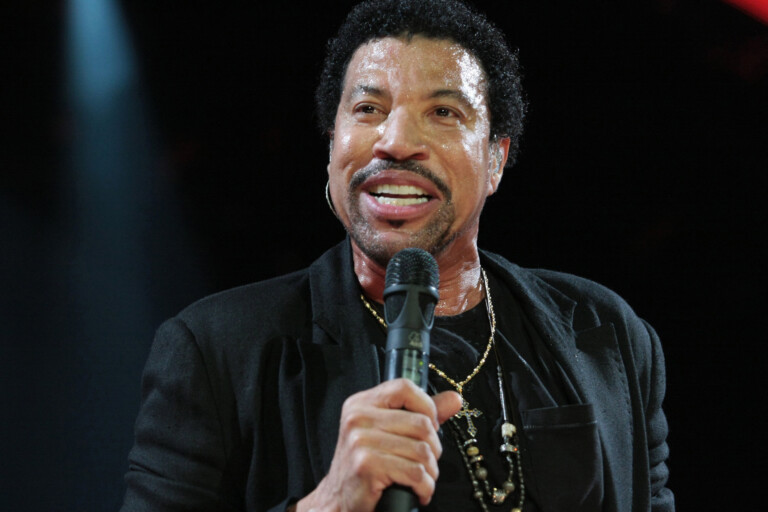
Lionel Richie Postpones Two Shows After Medical Scare in St. Paul
Lionel Richie postponed his June 26 Chicago and June 27 Columbus shows on doctors’ orders after cutting short his St. Paul concert on his co-headlining tour
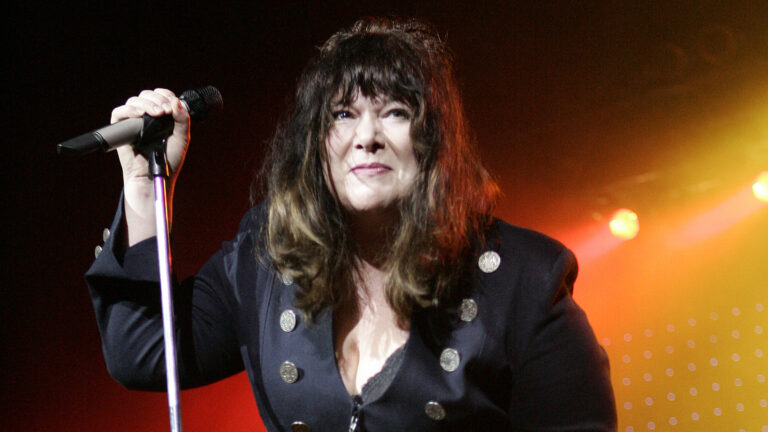
Ann Wilson and Tripsitter Announce ‘Consecrated Ground,’ Fall Tour Dates
Ann Wilson and Tripsitter announce their second album, Consecrated Ground, out August 14, plus a 15-date North American fall tour. Full tracklist and dates
Billy Idol and Steve Stevens Inducted Into Hollywood Rockwalk Ahead of Rock Hall
Billy Idol and Steve Stevens were inducted into the Hollywood Rockwalk at Guitar Center’s Hollywood location on June 23, ahead of their Rock Hall induction in
AC/DC Power Up Tour Adding Pop-Up Shops at Every North American Stop
AC/DC will open exclusive pop-up shops at every stop of the North American Power Up tour leg, featuring limited merch, food, giveaways, and a chance to win an