

The Pretenders’ Chrissie Hynde Thinks It’s Too Hot For Outdoor Concerts
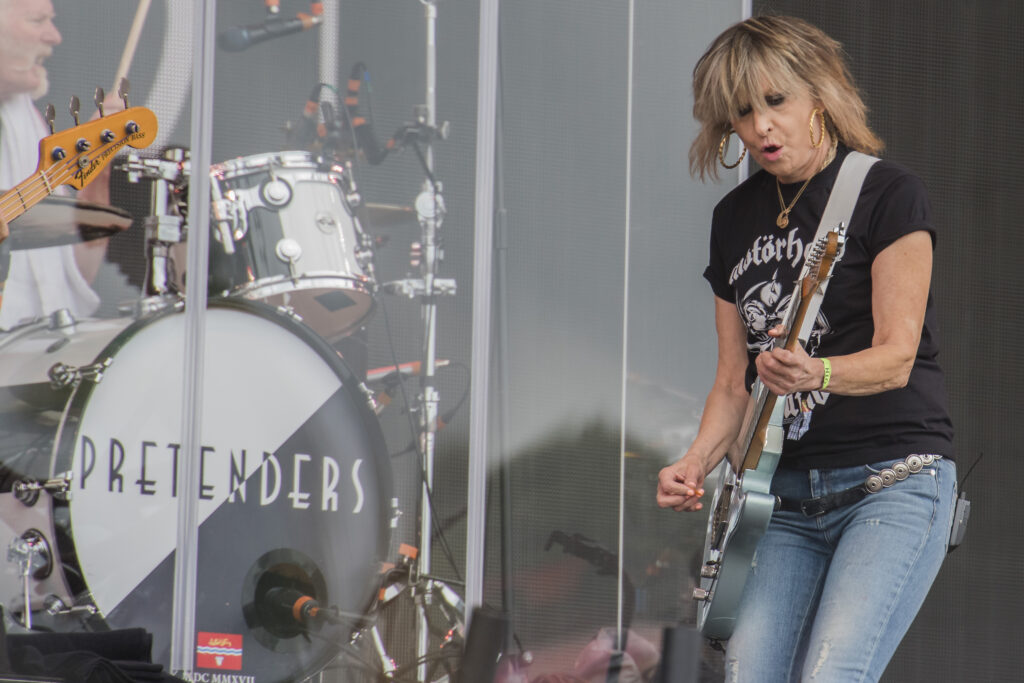
In a thought-provoking statement, Chrissie Hynde, the lead singer of the iconic band The Pretenders, has raised concerns about the future viability of outdoor music events. Her remarks emerge as both the U.S. and U.K. are gripped by severe heatwaves, a stark reminder of the relentless impact of climate change. Hynde's fears are not unfounded, given the increasing instances of weather-related cancellations impacting the music industry. A recent example is the abrupt cancellation of the Bonnaroo music festival in Tennessee. Originally a well-attended event, the festival was called off due to unsustainable weather conditions consisting of heavy thunderstorms and extreme heat, which posed a significant risk to attendees.
In an Instagram post, Hynde described her personal experiences performing at massive venues alongside legendary bands like Guns N’ Roses and the Foo Fighters. Her vivid recollection of strapping ice packs around her waist due to the unbearable heat underscores her apprehension that outdoor events may soon become a relic of the past. This is not merely an isolated concern but reflects a broader reality affecting global events. As temperatures continue to rise, the safety and comfort of audiences and performers alike are increasingly jeopardized, prompting serious reconsideration of event logistics and safety protocols.
The repercussions of climate change have already been dramatically felt across the globe, with the music industry not being immune to its impacts. Heatwaves, along with their associated health risks, have intensified, leading to more frequent and severe disruptions. In the U.S. alone, approximately 160 million people have been subject to heat alerts, with temperatures escalating to perilous levels. At a recent K-pop concert in Washington, D.C., several attendees were hospitalized due to heat-related illnesses. These incidents amplify Hynde’s assertions and highlight the urgent need for the music industry to adapt to the escalating climate crisis.
This growing concern over climate change and its impact on events has been validated by experts within the music industry. Lara Seaver, a director at the music sustainability company Reverb, pointed out that severe weather events are becoming commonplace for event organizers. Seaver noted a significant rise in weather-related disruptions affecting musical acts on tour, revealing the undeniable correlation between climate change and the increasing unpredictability of outdoor events. This acknowledgment by industry insiders further supports Hynde's prediction, demanding a strategic rethink of how events are managed in an era of climate uncertainty.
The challenges posed by climate change extend beyond logistical headaches and financial losses. They also threaten to erode the cultural and communal experiences that outdoor music events provide. These gatherings are more than just concerts; they are rich cultural rites, a celebration of music and connection that can transcend socioeconomic and cultural barriers. Maintaining these events in a changing climate may require innovative approaches and adaptive measures, such as designing venues that mitigate heat exposure, incorporating more flexible scheduling, and exploring new technologies in crowd management and safety.
Meanwhile, as deadlines for U.N. climate goals loom, the issue of climate change grows more pressing. Hynde’s comments, though rooted in immediate weather concerns, reflect broader challenges faced by industries globally. The entertainment sector, characterized by large crowds and outdoor spectacles, epitomizes the difficulties in transitioning to sustainable practices while meeting public demand. Industries across all sectors must therefore introspect on their operations and logistics in light of these developments. Their capacity to adapt to changing environmental conditions will ultimately determine their sustainability and success in an era of heightened environmental consciousness and climate change challenges.
Key Takeaways
-
www.nme.com | Chrissie Hynde of The Pretenders predicts the discontinuation of outdoor events due to extreme heat conditions.
-
www.rollingstone.com | Recent extreme heatwaves across the US and UK have triggered concerns about the sustainability of outdoor concerts and events.
-
www.nme.com | Bonnaroo 2025 was cancelled due to severe weather conditions, prompting full refunds to attendees.
-
www.billboard.com | Warner Music Group pledged $1 million to Los Angeles fire relief, targeting support specifically at music professionals affected by wildfires.
-
www.recordingacademy.com | The Recording Academy and MusiCares committed $1 million to aid music industry professionals impacted by devastating LA wildfires.
-
www.nbcwashington.com | Heatwaves have escalated to the point where outdoor events like concerts risk participant safety, leading to health emergencies such as heat strokes at events.
TOP STORIES
RELATED ARTISTS






Related Stories

Twisted Sister Expands Fall 2026 Tour With Sebastian Bach, Adds Three New Dates
Twisted Sister has added three new fall 2026 tour dates with Sebastian Bach on vocals, bringing the total to nine shows. Presale begins June 25 with code
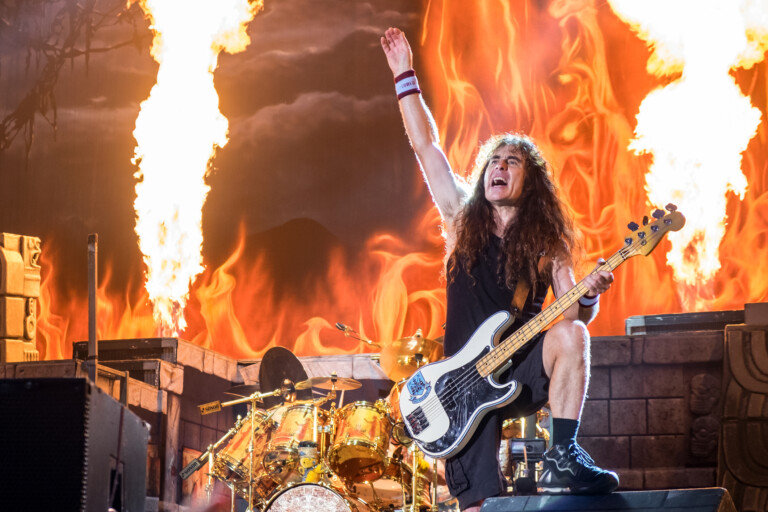
Iron Maiden Issues Statement After Power Outage Derails Paris Concert Film
Iron Maiden issued a statement after a citywide power outage cut short their phone-free Paris concert at La Défense Arena on June 22, disrupting a planned

Daryl Hall Reveals Kidney Transplant, Says Doctors Called It a Complete Success
Daryl Hall revealed he received a living-donor kidney transplant a couple of weeks ago and says doctors called it a complete success. He expects to return to
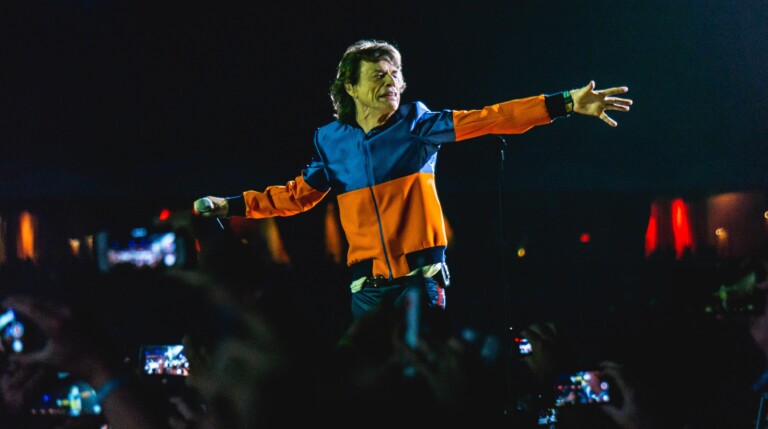
Mick Jagger Names Favorite Stones Albums and Takes a Shot at Some Girls
Mick Jagger names Sticky Fingers and Beggars Banquet as favorites, takes a swipe at Some Girls, and previews the band’s upcoming album Foreign Tongues.
Stevie Nicks to Appear at Daisy Chain Fields: Olivia Rodrigo’s All Woman Music Festival
Olivia Rodrigo’s inaugural Daisy Chain Fields festival at Great Park, Irvine on Aug. 29 features Stevie Nicks, Chappell Roan, Bikini Kill, Garbage, Doechii and
Buddy Guy’s 90th Concert at Radio City Music Hall Features Clapton, Mayer, Gibbons, and More
Buddy Guy turns 90 on July 30 and celebrates with an all-star concert at Radio City Music Hall on Oct. 1, featuring Eric Clapton, John Mayer, Billy Gibbons and

Clive Davis, Legendary Music Executive Who Shaped Pop History, Dies at 94
Clive Davis, the record executive behind Whitney Houston, Bruce Springsteen, and Alicia Keys, died Monday at his Manhattan home. He was 94.

Iron Maiden Enforce Phone-Free Zone at Paris Show for Run For Your Lives Tour Film
Iron Maiden are enforcing a Yondr pouch phone-free standing area at their June 22 Paris La Défense Arena show, filmed for the Run For Your Lives Tour concert

31 Music Groups Warn Labels and Publishers to Stop Misusing Artist Rights in AI Deals
A coalition of 31 organizations warns record labels and publishers to stop negotiating AI deals without meaningful consent from artists and songwriters.