

Ed Sheeran Says Band-Aid Did Not Have His Permission to Use Vocals

Ed Sheeran finds himself in the midst of a controversy surrounding the new release of Band Aid’s charity single, “Do They Know It’s Christmas?” marking its 40th anniversary. His vocals, recorded for the 2014 version, have been incorporated into a fresh mix without his explicit consent. The situation highlights a broader debate about the role and impact of Western-led charity initiatives on Africa, a discussion Sheeran himself acknowledges as significant in his changed stance over the past decade.
Sheeran expressed his concerns publicly via Instagram, stating that had he been asked, he would have “respectfully declined” the use of his vocals in the new version. This reflects his evolved understanding of the narratives these charity singles perpetuate, which he describes as harming Africa’s image. This sentiment aligns with the views of Fuse ODG, a British-Ghanaian musician, who ten years ago refused to participate in Band Aid 30 for similar reasons. He argued that such initiatives, though well-intentioned, often sustain negative stereotypes that undermine Africa’s economic potential and cultural dignity.
The criticism is not new. The original Band Aid single, created in 1984 by Bob Geldof and Midge Ure, aimed to address the Ethiopian famine but has been repeatedly called out for portraying a one-dimensional image of Africa. The lyrics have been scrutinized for their condescending tones, which some argue paint Africa as a continent constantly in need of saving by the West. Geldof, however, has defended the song, stressing that its impact—saving lives and raising significant funds for relief efforts—outweighs its faults. He has described the criticism as part of the expected discourse, showing little regret over the song’s controversial elements.
Despite Geldof’s defense, the critique has gained momentum over the years, attributing the perpetuation of the “white savior” complex to such projects. Sheeran’s reluctance to associate with the re-release is indicative of a larger cultural shift where artists and audiences are more attuned to the implications of their participation in narratives that may inadvertently harm rather than help. The conversation has moved beyond mere fundraising efficacy to questioning the dignity and respect afforded to the subjects of these charitable campaigns.
The involvement of high-profile artists like Sheeran in these discussions brings significant attention to the concerns raised by critics like Fuse ODG. His pleas for a change in approach—from charity to partnership—reflect a desire for more equitable engagements with Africa, where investment and collaboration are preferred over paternalistic charity. Fuse emphasizes the importance of allowing Africans to define their narratives and engage with global audiences on their terms, rather than through the mediated lens of foreign aid.
As discussions about the ethical dimensions of the Band Aid project continue, it is clear that the complexities of aid and representation are more pronounced than ever. The ongoing criticism and defense of the song suggest a need for more nuanced understandings of charity and international cooperation, ones that embed respect, dignity, and mutual growth at their cores. Ed Sheeran’s public stance, informed by a decade of reflection and broader cultural discussions, signals a significant step towards a more conscious and considerate approach to global aid initiatives.
Key Takeaways
-
www.telegraph.co.uk | Ed Sheeran expressed regret over his involvement in the 40th-anniversary version of the Band Aid song, 'Do They Know It's Christmas?', citing misuse of his vocals without permission.
-
www.theguardian.com | Fuse ODG declined to participate in the Band Aid project due to its portrayal of Africa, feeling it fueled pity instead of partnership.
-
www.buzzfeed.com | Ed Sheeran aligned his criticism with Fuse ODG's views on Band Aid, distancing himself from the project as his views on the associated narrative have evolved.
TOP STORIES
RELATED ARTISTS




Related Stories
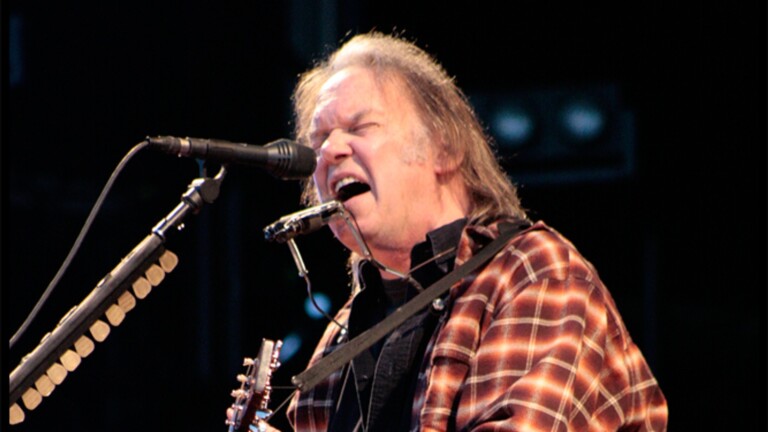
Neil Young Sues Trump Fundraising Group Again Over ‘Rockin’ in the Free World’
Neil Young has filed a new $10 million copyright lawsuit against a Trump fundraising committee, accusing it of playing “Rockin’ in the Free World” without permission at an Ohio rally.
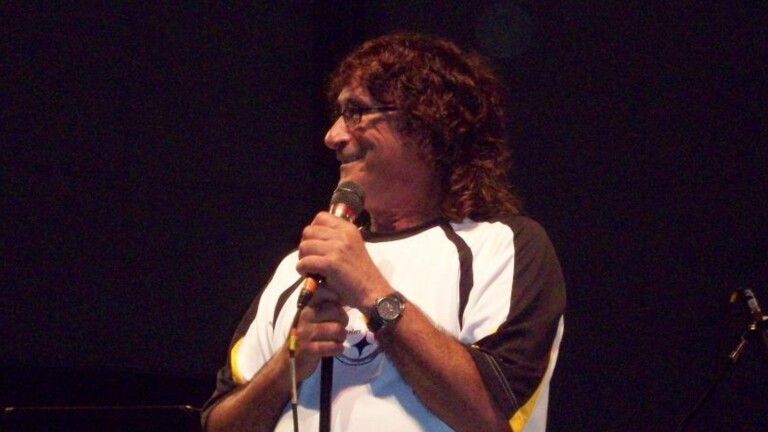
Donnie Iris, Pittsburgh Rock Icon, Dies at 83
Donnie Iris, the Pittsburgh rocker known for ‘Ah! Leah!’ and ‘The Rapper,’ died on Monday, October 26, 2026, at age 83, just weeks after announcing his retirement from live performing.
Nikki Sixx Discusses Vince Neil’s Health and Live Vocals After Fourth Stroke
Motley Crue’s Nikki Sixx addresses Vince Neil’s recovery from his fourth stroke and the singer’s push to prove himself vocally on tour, as the band details its upcoming fourth Las Vegas residency.
Santana Announces 2027 Global Tour
Santana has unveiled the Planet of Free Will Global Tour 2027, a 13-date run through Europe and the UK that opens at London’s The O2 on June 30 and wraps up in Helsinki on July 31.
Fleetwood Mac Documentary ‘The Chain’ Gets Title and Release Date
Fleetwood Mac: The Chain, the band’s first fully authorized documentary, arrives on Apple TV on January 29, 2027, coinciding with the 50th anniversary of Rumours.
John Anderson, ‘Swingin” and ‘Seminole Wind’ Singer, Dies at 71
John Anderson, the Country Music Hall of Fame singer behind “Swingin'” and “Seminole Wind,” has died at age 71, only days after taking part in Nashville’s 2026 Medallion Ceremony.

Judas Priest Locks In First Confirmed 2027 US Tour Date at Boardwalk Rock
Judas Priest has confirmed its first US concert of 2027, a slot on the Iron Maiden-headlined Sunday bill at the Boardwalk Rock festival in Ocean City, Maryland.
Robert Plant Opens Up on Son Karac’s 1977 Death and His Quiet Life Today
In a new Sunday Times interview, Robert Plant describes how the 1977 death of his five-year-old son Karac altered his attachment to Led Zeppelin, and shares details of his present-day life in a small Worcestershire village.
Bon Jovi Extends 2027 Stadium Dates, Expanding Forever Tour to Australia, UK and North America
Bon Jovi is expanding its Forever Tour with seven new 2027 stadium shows spanning Australia, the UK and North America, building on sold-out dates at Madison Square Garden and Wembley Stadium earlier this year.