

How John Deacon’s Chic Obsession Gave Queen Their Biggest-Selling Single
A bass riff borrowed from a Chic session, a skeptical Roger Taylor, and Freddie Mercury’s conviction turned John Deacon’s funk experiment into a chart phenomenon.
Queen’s best-selling single almost never happened. John Deacon wrote ‘Another One Bites the Dust’ after hearing Chic’s Bernard Edwards record at New York’s Power Station Studios, then brought the funky bass-driven idea to Munich’s Musicland Studios during sessions for The Game. His bandmates were baffled, Roger Taylor was reportedly furious, and it took Freddie Mercury’s personal intervention to push the track through to release in August 1980.
A Bass Line Born at Power Station Studios
Deacon was present at Power Station Studios in New York when Chic were recording their 1979 album Risqué. Bernard Edwards’ playing on ‘Good Times,’ which hit the top of the Billboard Hot 100 in August 1979, directly inspired Deacon to write a funk-inflected track of his own. ‘I’d been wanting to do a track like Another One Bites the Dust for a while, but originally all I had was the line and the bass riff,’ Deacon told Bassist & Bass Techniques. ‘I could hear it as a song for dancing but had no idea it would become as big as it did.’
The timing matters. ‘Good Times’ was Chic’s second US chart-topper, following 1978’s ‘Le Freak,’ but the band’s commercial run in America was already being undercut by the cultural backlash against disco. On July 12, 1979, Chicago DJ Steve Dahl staged what became known as Disco Demolition Night at Comiskey Park, blowing up a crate of vinyl records on the field between games of a White Sox-Tigers doubleheader. Many of the records destroyed were not even disco releases but simply records by Black artists, adding a racist dimension to a movement already marked by homophobia. Chic never had another Top 40 hit in the United States after ‘Good Times.’ Deacon, however, took the musical DNA of that song and carried it into a rock context.
Resistance in the Studio and Mercury’s Intervention
When Deacon began developing the track at Musicland Studios in Munich during sessions for The Game, Queen’s eighth album, the reaction from his bandmates was far from enthusiastic. Brian May admitted the band had no idea what Deacon was working toward, and described Taylor’s initial response as ‘unprintable.’ The song’s departure from Queen’s established rock sound made it a point of genuine internal conflict.
May has spoken candidly about the creative friction that could surface during Queen sessions. ‘There were times when all our ideas would really work together magically well,’ he told Guitar World. ‘Or you’d have a great day in the studio where everybody felt they’d contributed. But then there’d be days when everyone was pulling in totally opposite directions, and it would be painful.’ In the case of ‘Another One Bites the Dust,’ it was Mercury who broke the deadlock. ‘Roger, at the time, certainly felt it wasn’t rock and roll, and was quite angry at the way that was going,’ May recalled. ‘And Freddie said, Darling, leave it to me. I believe in this.’ May added that Mercury ‘sort of sang it until he bled, cause he was so committed to making it sound the way John wanted it.’
Chart Performance That Redefined Queen’s Commercial Ceiling
Released as the fourth single from The Game in August 1980, ‘Another One Bites the Dust’ became a commercial force unlike anything Queen had previously achieved in the United States. The song spent 15 weeks in the Billboard top 10, the longest run of any song in 1980, including 13 weeks in the top five, and 31 weeks total on the chart, more than any other song that year. It also reached number two on the Hot Soul Singles chart and the Disco Top 100 chart, and number seven on the UK Singles Chart.
The crossover reach was remarkable. A hard rock band scoring near the top of the soul and disco charts in the same cycle was essentially unprecedented at that commercial scale. The song’s success validated Deacon’s instinct and Mercury’s conviction, and it remains the best-selling single of Queen’s career.
The Unsung Architecture Behind Queen’s Sound
The internal dynamics that shaped ‘Another One Bites the Dust’ reflect a broader truth about how Queen operated in the studio. May has consistently emphasized that the band’s recorded output was a collective achievement, and that the collective extended beyond the four musicians. Speaking about engineer Mike Stone, who worked with the band from A Night at the Opera through News of the World, May told Classic Albums: ‘Mike Stone is really the unsung hero of the band to this whole thing. From A Night at the Opera to A Day At the Races, which he produced with us. The guy was really a phenomenon. I remember it being a very good time. We were a good team.’
Stone’s contributions included helping the band treat the studio as a creative instrument rather than simply a recording space. On tracks like ‘Lazing on a Sunday Afternoon,’ the team recorded Mercury’s vocals through a metal can to achieve a distorted, megaphone-like effect. That experimental sensibility, built during the Stone years, gave Queen the confidence to absorb outside influences like Chic’s funk and reshape them into something distinctly their own.
What we know
- John Deacon was present at Power Station Studios in New York when Chic were recording their 1979 album Risqué, and Bernard Edwards’ playing on ‘Good Times’ inspired him to write ‘Another One Bites the Dust.’
- Deacon began developing the song at Musicland Studios in Munich during sessions for Queen’s eighth album, The Game.
- Brian May said Roger Taylor’s initial response to the song was ‘unprintable,’ and that Taylor felt it was not rock and roll.
- Freddie Mercury championed the track, telling the band ‘Darling, leave it to me. I believe in this,’ according to Brian May.
- ‘Another One Bites the Dust’ was released as the fourth single from The Game in August 1980 and spent 15 weeks in the Billboard top 10, the longest of any song in 1980.
- The song spent 31 weeks total on the Billboard Hot 100, more than any other song in 1980, and reached number two on the Hot Soul Singles chart and the Disco Top 100.
- Chic’s ‘Good Times’ reached number one on the Billboard Hot 100 in August 1979 and was the group’s second US chart-topper after 1978’s ‘Le Freak.’ Chic never had another Top 40 hit in America after that.
- Disco Demolition Night took place on July 12, 1979, at Comiskey Park, organized by Chicago DJ Steve Dahl, during a doubleheader between the Chicago White Sox and the Detroit Tigers.
The take
The story of ‘Another One Bites the Dust’ is a useful corrective to the myth that classic rock and disco existed in hermetically sealed opposition. By 1979, the most commercially aggressive rock acts were already absorbing funk and R&B rhythms, but few did it as successfully or as visibly as Queen managed here. Deacon’s instinct to follow Edwards’ bass approach rather than react against it placed him on the right side of a cultural divide that was costing artists like Chic their American careers.
The song’s chart performance also illustrates something that gets underplayed in Queen’s legacy: Deacon was the band’s most reliable hit architect in the United States. ‘Crazy Little Thing Called Love,’ also from The Game, had already reached number one on the Billboard Hot 100 earlier in 1980, making The Game the album that finally broke Queen wide open commercially in America after years of critical and arena success. That both singles came from different members, in radically different styles, within the same album cycle says something about the band’s internal range.
The internal resistance to ‘Another One Bites the Dust’ also fits a pattern visible across Queen’s catalog. Their most genre-defying moves, ‘Bohemian Rhapsody’ included, tended to generate friction before they generated consensus. Mercury’s role as internal advocate, rather than just frontman, is often underappreciated in accounts of how the band actually functioned.
Why it matters
For Classic Rock listeners, the ‘Another One Bites the Dust’ origin story is a reminder that genre boundaries in the late 1970s were more porous than the culture wars of the era suggested. Queen absorbed a Chic bass line, fought through internal skepticism, and produced a record that topped soul and disco charts while remaining unmistakably Queen. The song’s 31-week run on the Billboard Hot 100 in 1980 still stands as a benchmark, and its crossover reach anticipated the rock-funk fusions that would define much of the following decade.
What’s next
No upcoming Queen-related events or releases are referenced in the source material. The Game, the album from which ‘Another One Bites the Dust’ was drawn as its fourth single, remains in the band’s active catalog.
Frequently asked questions
What inspired John Deacon to write ‘Another One Bites the Dust’?
Deacon was present at Power Station Studios in New York when Chic were recording their 1979 album Risqué, and Bernard Edwards’ bass playing on ‘Good Times’ directly inspired him to write the song.
Where was ‘Another One Bites the Dust’ recorded?
Deacon began developing the track at Musicland Studios in Munich during sessions for Queen’s eighth album, The Game.
How did ‘Another One Bites the Dust’ perform on the charts?
Released in August 1980, the song spent 15 weeks in the Billboard top 10, the longest of any song that year, and 31 weeks total on the chart, more than any other 1980 release. It also reached number two on the Hot Soul Singles chart and the Disco Top 100, and number seven in the UK.
Did the other members of Queen like ‘Another One Bites the Dust’ at first?
No. Brian May said the band had no idea what Deacon was working on, and described Roger Taylor’s initial reaction as ‘unprintable.’ Taylor reportedly felt the song was not rock and roll. Freddie Mercury ultimately championed the track and pushed it through.
Who did Brian May call the unsung hero of Queen?
May described engineer Mike Stone as ‘the unsung hero of the band,’ crediting him as a key creative collaborator on albums from A Night at the Opera through A Day at the Races.
Related coverage
Related Stories
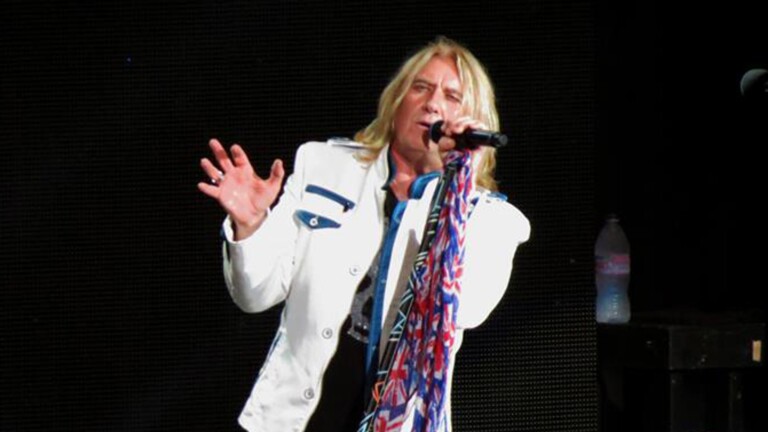
Def Leppard Announces Massive 2027 Tour With Goo Goo Dolls, The Struts
Def Leppard will co-headline a 45-date 2027 North American tour with Goo Goo Dolls, joined by The Struts, running from March 2 in Allentown, Pennsylvania through July 2 in Indianapolis, Indiana.
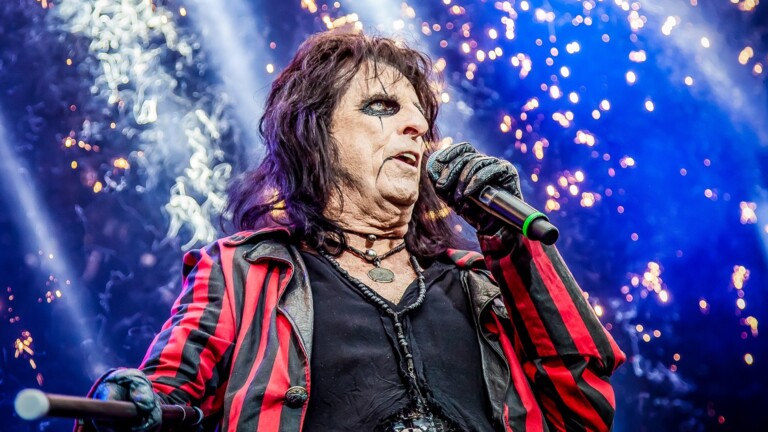
Alice Cooper Opens Up on Crack Addiction That Nearly Killed Him and Nearly Ended His Marriage
Alice Cooper’s new memoir ‘Devil on My Shoulder’ and a companion interview with The Telegraph detail how his crack cocaine use in the late 1970s and early 1980s brought him close to death and nearly cost him his marriage.

Roger Waters and Son Harry Waters Launch Pink Floyd Tribute Tour ‘LEGACY’ for 2027
AEG Presents and ICON LIVE have announced ‘Roger Waters Presents LEGACY: A Pink Floyd Show,’ a new touring production led musically by Harry Waters and launching February 15, 2027 in Columbus, Georgia.
Brian May Says Queen’s Touring Days Are Over
Brian May says he and Roger Taylor quietly agreed a year and a half ago that Queen would not tour again, a choice shaped by the death of a close family friend while the band was on the road in America.
Slash Announces 2027 World Tour and New Album ‘Flying Blind’ With Myles Kennedy
Slash has unveiled a 2027 world tour with Myles Kennedy and The Conspirators and a new album, ‘Flying Blind,’ marking his first dedicated run with the band since 2024.
Michael McDonald Reunites With Son Given Up for Adoption Nearly 60 Years Ago
A St. Louis man named Michael Goessling has learned that Doobie Brothers singer Michael McDonald is his biological father, nearly 60 years after being given up for adoption as an infant.
Metallica Kicks Off ‘Life Burns Faster’ Residency at Las Vegas Sphere
Metallica’s “Life Burns Faster” residency opens at the Las Vegas Sphere on October 1, 2026, running through March 2027 with 24 shows, a merch collaboration with adidas and a lineup of fan events across the city.
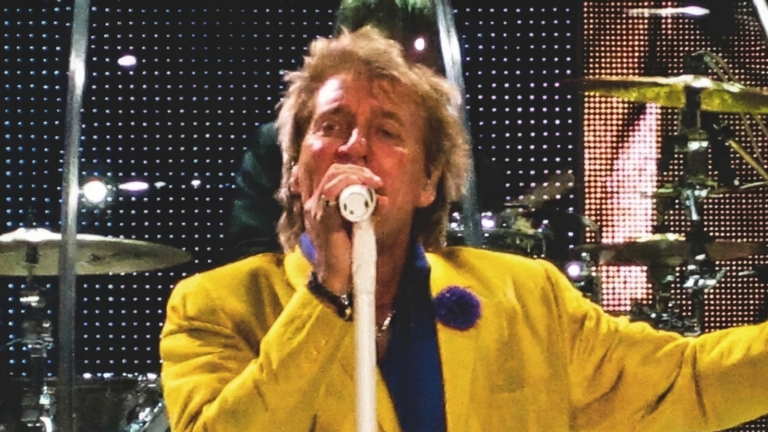
Rod Stewart Announces Retirement From Touring, Reveals 2027 ‘The Final Encore’ Tour Dates
Rod Stewart says his upcoming 2027 tour of the UK and Europe, called The Final Encore, will be his last time touring, though he insists he isn’t stepping away from music entirely.
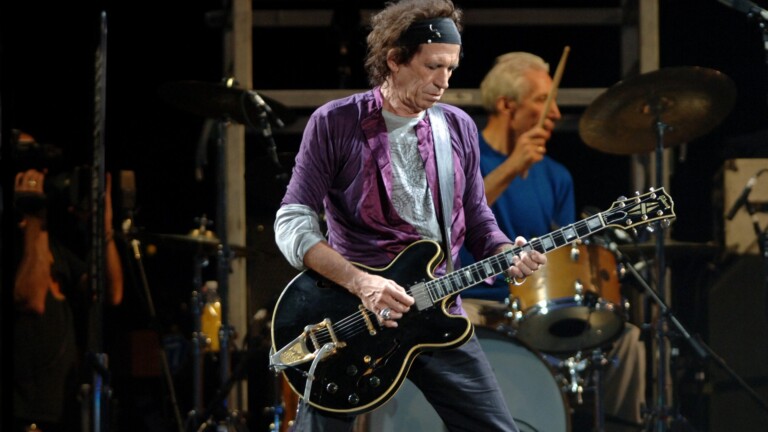
Jo Wood Says Rolling Stones Touring Days May Be Done Because of Keith Richards
Jo Wood, Ronnie Wood’s ex-wife, says she doubts the Rolling Stones will hit the road again, blaming Keith Richards’ hesitance even as the band’s new album Foreign Tongues thrives.