

Neil Young To Stop Selling Platinum Concert Tickets, Thanks to Robert Smith
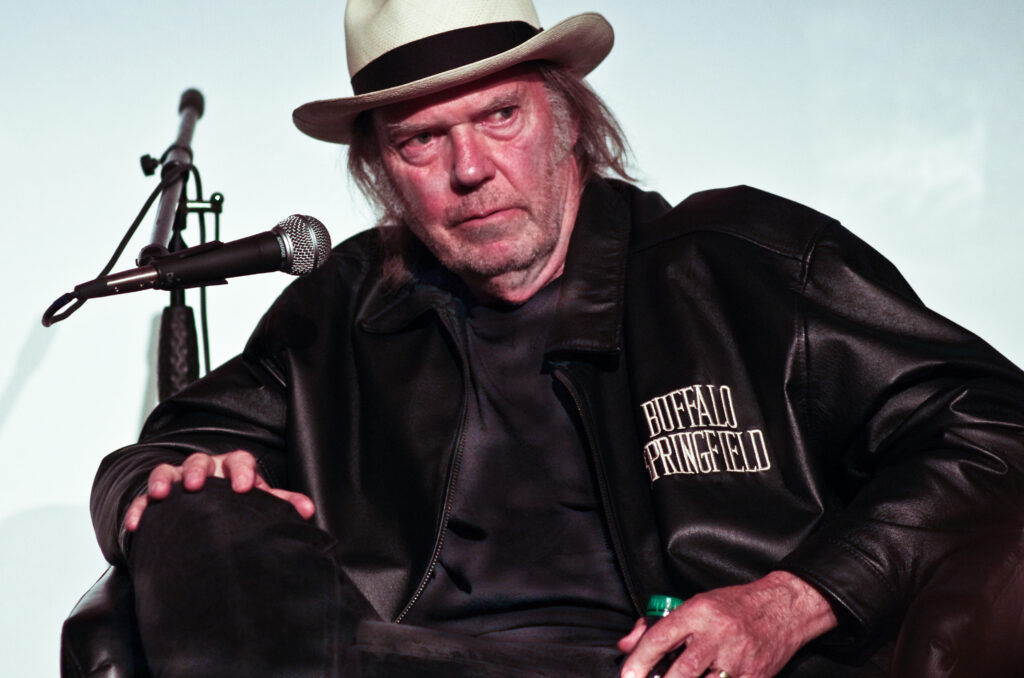
Neil Young has made headlines by deciding to stop selling ‘Platinum’ tickets for his concerts. Young credits Robert Smith, frontman of The Cure, for inspiring this significant change. Smith made waves in 2023 when he criticized Ticketmaster’s dynamic pricing model as a “greedy scam,” advocating for artist-initiated reforms in concert ticket pricing. Young’s decision reflects a growing movement among musicians to combat escalating ticket costs and the perceived unfairness in ticket sales practices. Young took to his website to share his reflections, acknowledging the profound influence Smith had on his thinking. He appreciated Smith’s transparent approach to fair ticket pricing and cited Smith’s advocacy as pivotal in making him realize his power to influence the concert industry for the benefit of fans.
Smith’s outspoken critique of dynamic ticket pricing resonated widely, especially among artists like Neil Young, who have been grappling with concerns over concert industry practices overcharging fans. Young mirrored this sentiment, sharing that he felt uncomfortable with the revenues from high-priced Platinum tickets, which were initially intended to prevent scalping. He recognized that despite his management’s best efforts to protect both him and his fans from ticket resellers, the financial burdens of such pricing schemes still chiefly punished the concert-going audiences.
In recent years, dynamic pricing has been a source of considerable controversy. This practice allows ticket prices to automatically adjust based on demand, often leading to outrageously high costs for high-demand concerts. Smith argued that these tactics are fundamentally driven by greed and can be dimmed if more artists take a stand against them. His stance attracted significant attention during The Cure’s recent North American tour, where he managed to provide tickets at much lower prices than usual, much to fans’ approval. Young, now set to start his Love Earth tour with his band Chrome Hearts, intends to follow a similar model. His announcement to halt the sale of Platinum tickets is a pledge to make concerts more accessible and to simplify the purchasing process for fans.
Young has a history of making principled business decisions, including his spat with Spotify over allowing content he deemed as spreading misinformation on vaccines. Yet, his recent step to nix Platinum pricing is seen as part of a larger reflection on how the live music business operates in its current climate. He has voiced concerns about how the concert experience transformed into a money-making venture, eclipsing the communal and empowering experiences they ought to provide. Therefore, the move aligns with his long-standing dedication to artistry and fairness, rather than merely profit.
Furthermore, the negative backlash from Oasis’s use of dynamic pricing during their reunion tour served as a cautionary tale, illustrating the potential pitfalls of excessively commercial approaches. Oasis faced a severe backlash when tickets that were originally priced modestly experienced a steep hike, leading to consumer disappointment and calls for greater transparency in ticket sales. The debacle highlighted the pressing need for change and inspired other musicians like Young to reconsider their ticket pricing strategies.
Young’s move may embolden other artists to resist exorbitant pricing models and advocate for a consumer-friendly musical experience. The conversation sparked by The Cure’s Robert Smith and continued by Neil Young illustrates a shifting paradigm in the music industry, where artist activism can foster a more equitable landscape. Young’s action is a message that artists can shape their legacy not only through music but also by standing up for their fans’ interests.
Key Takeaways
-
www.hollywoodreporter.com | Neil Young, inspired by The Cure's Robert Smith, announced that he will discontinue platinum-priced tickets for his concerts to make a stand against dynamic and platinum pricing schemes.
-
www.theguardian.com | The Cure's Robert Smith influenced Neil Young's decision by calling out Ticketmaster's dynamic pricing as a greedy scam.
-
www.avclub.com | Neil Young expressed on his website that the use of platinum tickets was a response to counter scalpers, but ultimately felt it was not a fair practice.
-
www.stereogum.com | Young felt compelled to abandon dynamic pricing after realizing the negative impact on music fans worldwide and how platinum tickets were not benefiting the fans as intended.
-
www.hollywoodreporter.com | Neil Young has taken a firm stand against the dynamic pricing scheme after being influenced by criticism from The Cure's Robert Smith, declaring it adverse to fan interests.


Related Stories
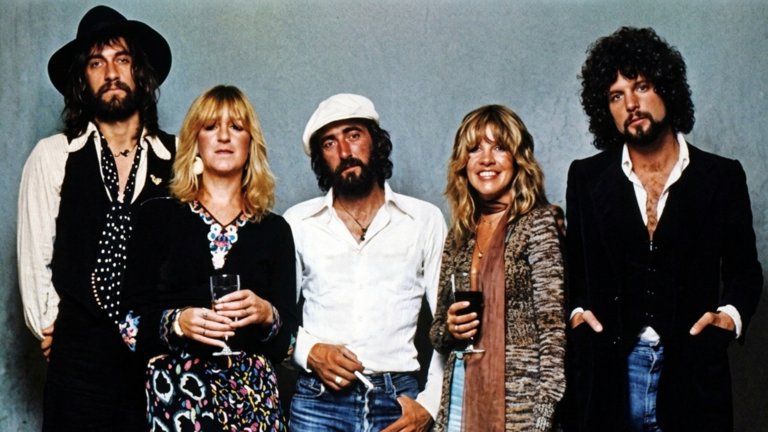
Fleetwood Mac Documentary ‘The Chain’ Gets Title and Release Date
Fleetwood Mac: The Chain, the band’s first fully authorized documentary, arrives on Apple TV on January 29, 2027, coinciding with the 50th anniversary of Rumours.
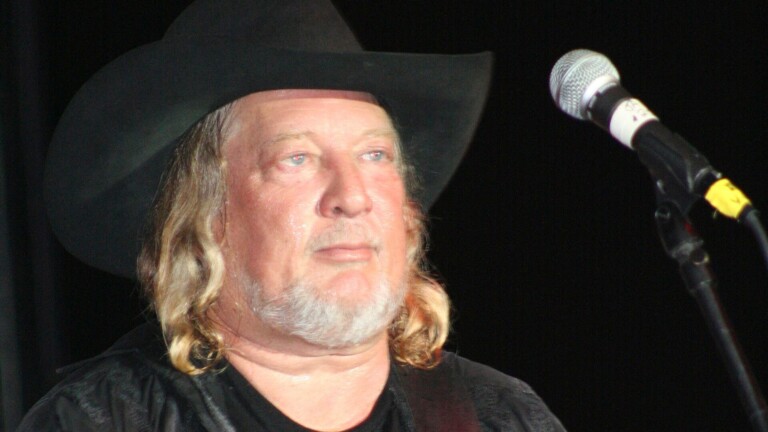
John Anderson, ‘Swingin” and ‘Seminole Wind’ Singer, Dies at 71
John Anderson, the Country Music Hall of Fame singer behind “Swingin'” and “Seminole Wind,” has died at age 71, only days after taking part in Nashville’s 2026 Medallion Ceremony.
Judas Priest Locks In First Confirmed 2027 US Tour Date at Boardwalk Rock
Judas Priest has confirmed its first US concert of 2027, a slot on the Iron Maiden-headlined Sunday bill at the Boardwalk Rock festival in Ocean City, Maryland.
Robert Plant Opens Up on Son Karac’s 1977 Death and His Quiet Life Today
In a new Sunday Times interview, Robert Plant describes how the 1977 death of his five-year-old son Karac altered his attachment to Led Zeppelin, and shares details of his present-day life in a small Worcestershire village.
Bon Jovi Extends 2027 Stadium Dates, Expanding Forever Tour to Australia, UK and North America
Bon Jovi is expanding its Forever Tour with seven new 2027 stadium shows spanning Australia, the UK and North America, building on sold-out dates at Madison Square Garden and Wembley Stadium earlier this year.
Motley Crue Sets 2027 ‘Carnival of Sins in Sin City’ Residency at Caesars Palace
Motley Crue has unveiled an eight-show Las Vegas residency, ‘Carnival of Sins in Sin City,’ set for The Colosseum at Caesars Palace from March 19 to April 3, 2027.
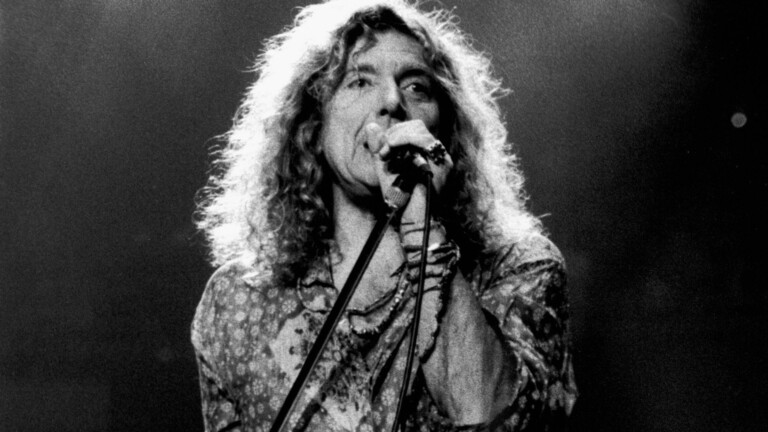
Led Zeppelin Lets ‘Stairway to Heaven’ Soundtrack a Movie Trailer for the First Time, for Greta Gerwig’s Narnia Film
Led Zeppelin has granted permission for ‘Stairway to Heaven’ to appear in a film for the first time, backing the debut trailer for Greta Gerwig’s Narnia: The Magician’s Nephew.
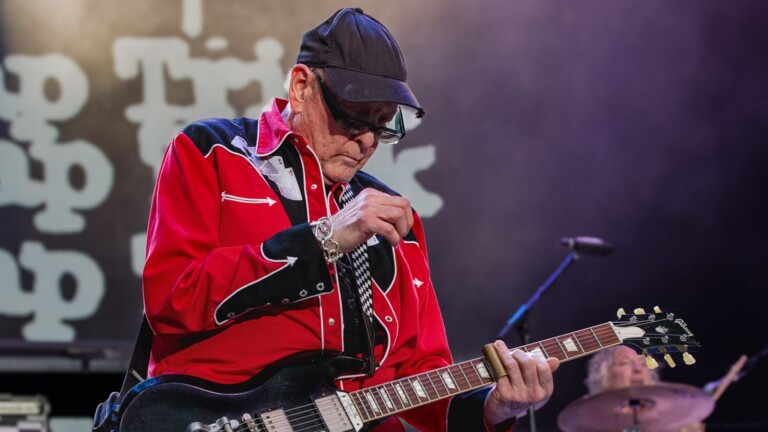
Cheap Trick 2027 Concert Dates Announced
Cheap Trick has booked its first three concert dates for 2027, set for February and April, as the band’s ongoing All Washed Up Tour continues through the fall of 2026.
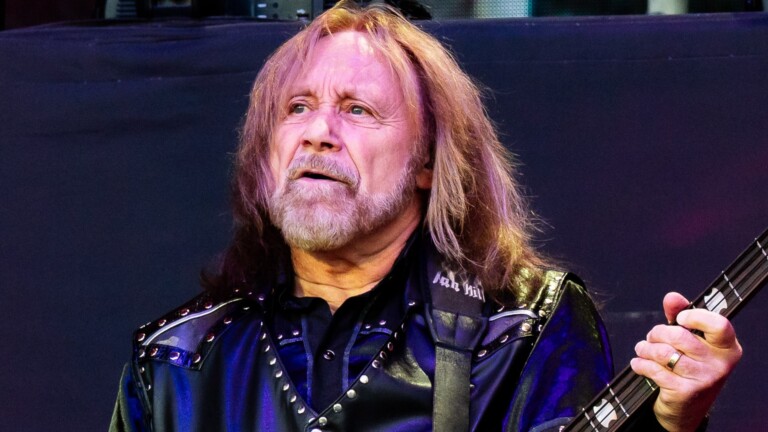
Judas Priest’s Ian Hill Retires After 57 Years, Longest-Serving Member
Judas Priest founding bassist Ian Hill has stepped away from the band after 57 years, citing worsening arthritis and a torn shoulder tendon, with Uriah Heep’s Davey Rimmer set to take his place on bass starting with the band’s 2027 touring.