

Nezza’s No Longer ‘Welcome’ at Dodger Stadium Despite Prior Statement

In recent days, the music industry and sports world have been abuzz with the story of Latin pop singer Nezza, who stirred controversy after singing the national anthem in Spanish at a Los Angeles Dodgers game. Nezza’s actions came amid ongoing discussions and heightened tensions over immigration policies under the Donald Trump administration. Her rendition, intended as a statement of solidarity with immigrants, especially those targeted by Immigration and Customs Enforcement (ICE) raids in Los Angeles, received mixed reactions. Some saw her actions as a bold and necessary stand, while others, including a segment of the Dodgers’ management, viewed it as disrespectful, leading to a series of confusing and conflicting communications from the team about her future appearances at the stadium.
Nezza’s performance on June 14, 2025, was during a game between the Dodgers and the San Francisco Giants. That evening, she chose to sing “The Star-Spangled Banner” in Spanish—a rendition officially recognized and commissioned by the U.S. government in 1945, following World War II, to include Spanish-speaking Americans in patriotic celebrations. Despite the historical basis for her version, a female team official reportedly instructed Nezza to sing only in English shortly before she was set to perform, a moment captured in a viral TikTok video. In the video, Nezza looked visibly taken aback but proceeded with her original plan, driven by personal conviction and the visible support of the predominantly Latino audience at Dodger Stadium.
Post-performance, Nezza relayed that Dodgers officials made it clear she was “no longer welcome” at future games, a sentiment reportedly expressed to her as she was leaving the stadium. This declaration stood at odds with a subsequent public statement made by the Dodgers’ spokesperson to Variety. The spokesperson claimed there were “no consequences or hard feelings” regarding Nezza’s performance. Nezza states, “As I was walking back out, we received a call, and they were like, ‘Don’t ever email us again,’” she told the publication. “ ‘Don’t ever call us again. Your clients are never welcome here ever again.’ ” Adding to the confusion, this contradiction has yet to be satisfactorily resolved, leaving Nezza puzzled about her standing with the team and questioning the internal communications within the Dodgers’ management.
The situation has spotlighted deeper issues regarding representation and cultural expression in public spaces. For Nezza, the choice was both a personal and political stand. In her words, the decision to perform the anthem in Spanish was made “from the bottom of her heart” in an effort to inspire and honor the Latino community, which forms a significant portion of the fanbase at Dodger Stadium. She emphasized her intent was not to gain media attention but rather to support and give voice to a community facing intense scrutiny and adversity due to immigration policies.
While reactions have been varied, Nezza’s rendition has sparked important conversations about language, identity, and belonging within the sports and cultural realms. The Spanish version of the anthem is a sensitive subject for some, igniting debates on patriotism and the inclusivity of national symbols. In this context, Nezza’s emotional narrative challenges us to reflect on the different ways individuals express their national pride and how institutions respond to diversity.
For many, this incident also raises significant questions about the broader role of sports organizations in engaging with cultural and political issues. The Dodgers, a team based in a city renowned for its multicultural fabric, now face a critical moment in defining their relationship with its diverse fanbase. The handling of Nezza’s performance has already ignited discussions among fans and commentators about the team’s cultural sensitivity and obligation to support artistic expressions that reflect Los Angeles’s rich, diverse heritage.
As the narrative continues to unfold, Nezza’s experience serves as a powerful reminder of the intertwined nature of sports, politics, and cultural identity. It invites reflection not only from those in positions of authority within sports organizations but also from fans and the community at large. The wider implications of her story transcend the baseball diamond, echoing the ongoing national dialogues about race, identity, and the role of the arts in social activism.
Ultimately, whether Nezza will be invited back to perform at Dodger Stadium remains unresolved, but her actions have left a lasting impact, strengthening conversations around inclusivity and the role of artistic expression in evoking change and fostering community solidarity. The discourse surrounding her performance underscores the importance of perseverance in the face of adversity and the power of music as a tool for raising awareness and promoting understanding across cultural lines.
Key Takeaways
Related Stories
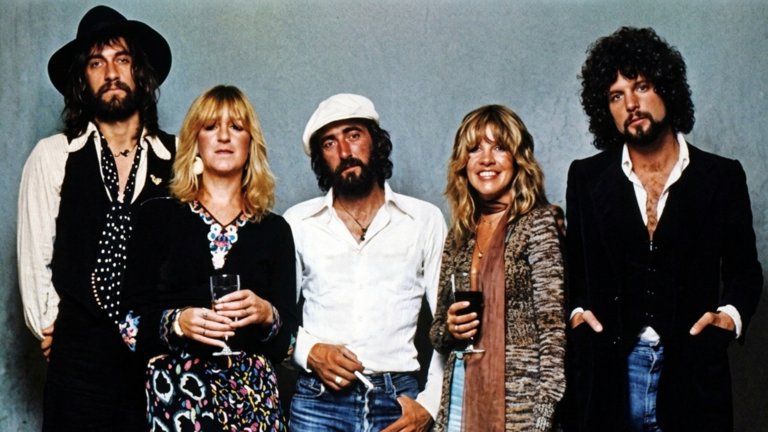
Fleetwood Mac Documentary ‘The Chain’ Gets Title and Release Date
Fleetwood Mac: The Chain, the band’s first fully authorized documentary, arrives on Apple TV on January 29, 2027, coinciding with the 50th anniversary of Rumours.
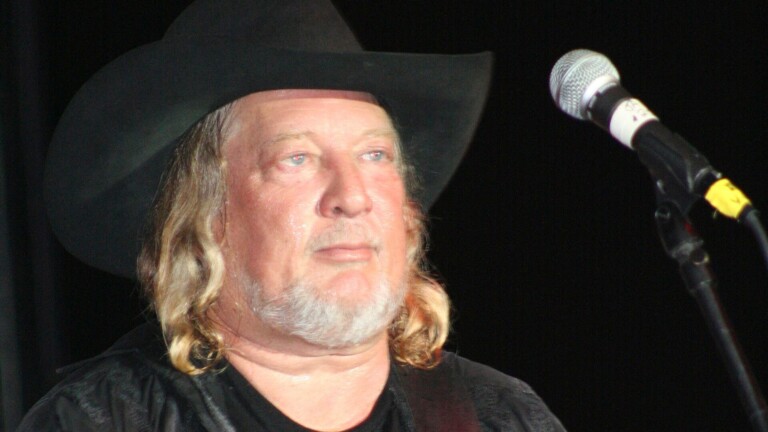
John Anderson, ‘Swingin” and ‘Seminole Wind’ Singer, Dies at 71
John Anderson, the Country Music Hall of Fame singer behind “Swingin'” and “Seminole Wind,” has died at age 71, only days after taking part in Nashville’s 2026 Medallion Ceremony.
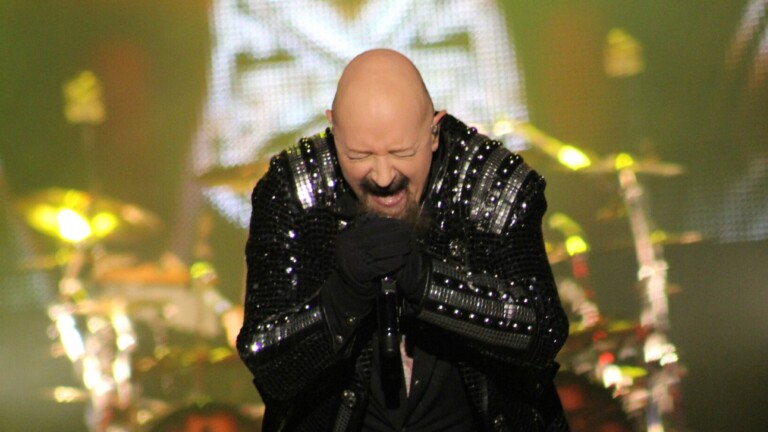
Judas Priest Locks In First Confirmed 2027 US Tour Date at Boardwalk Rock
Judas Priest has confirmed its first US concert of 2027, a slot on the Iron Maiden-headlined Sunday bill at the Boardwalk Rock festival in Ocean City, Maryland.
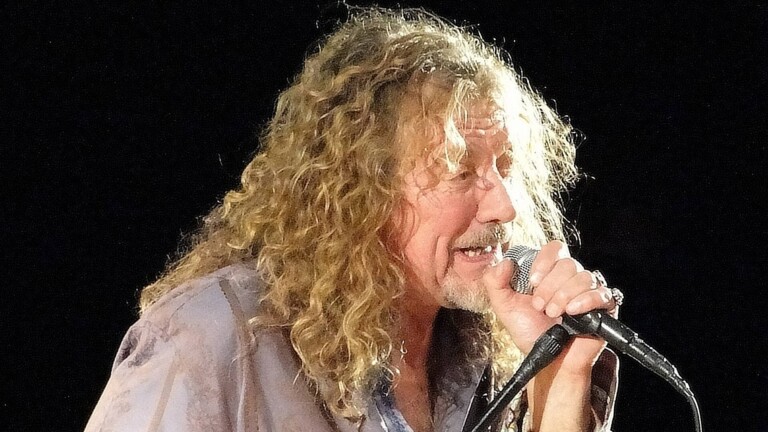
Robert Plant Opens Up on Son Karac’s 1977 Death and His Quiet Life Today
In a new Sunday Times interview, Robert Plant describes how the 1977 death of his five-year-old son Karac altered his attachment to Led Zeppelin, and shares details of his present-day life in a small Worcestershire village.
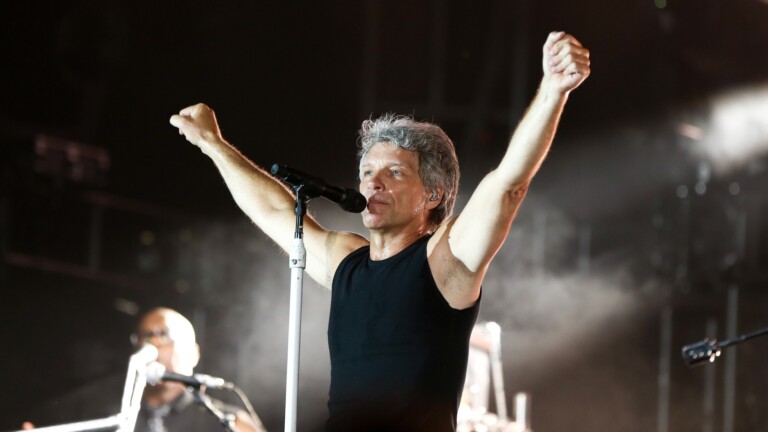
Bon Jovi Extends 2027 Stadium Dates, Expanding Forever Tour to Australia, UK and North America
Bon Jovi is expanding its Forever Tour with seven new 2027 stadium shows spanning Australia, the UK and North America, building on sold-out dates at Madison Square Garden and Wembley Stadium earlier this year.
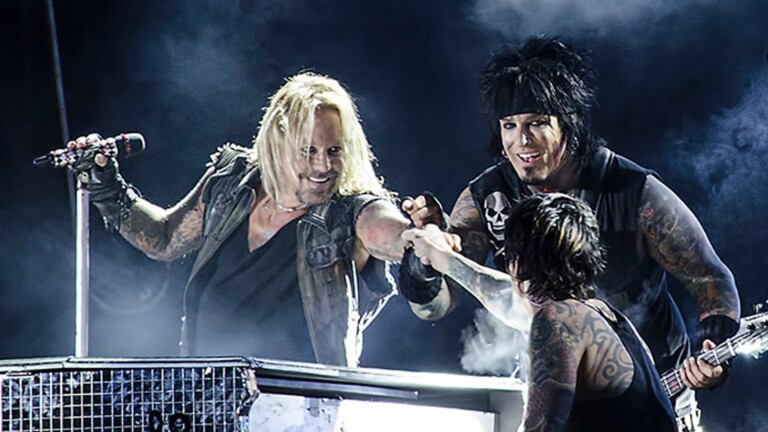
Motley Crue Sets 2027 ‘Carnival of Sins in Sin City’ Residency at Caesars Palace
Motley Crue has unveiled an eight-show Las Vegas residency, ‘Carnival of Sins in Sin City,’ set for The Colosseum at Caesars Palace from March 19 to April 3, 2027.
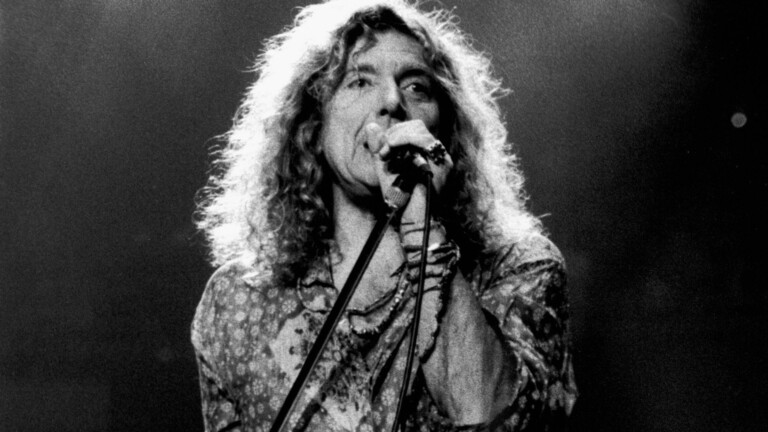
Led Zeppelin Lets ‘Stairway to Heaven’ Soundtrack a Movie Trailer for the First Time, for Greta Gerwig’s Narnia Film
Led Zeppelin has granted permission for ‘Stairway to Heaven’ to appear in a film for the first time, backing the debut trailer for Greta Gerwig’s Narnia: The Magician’s Nephew.
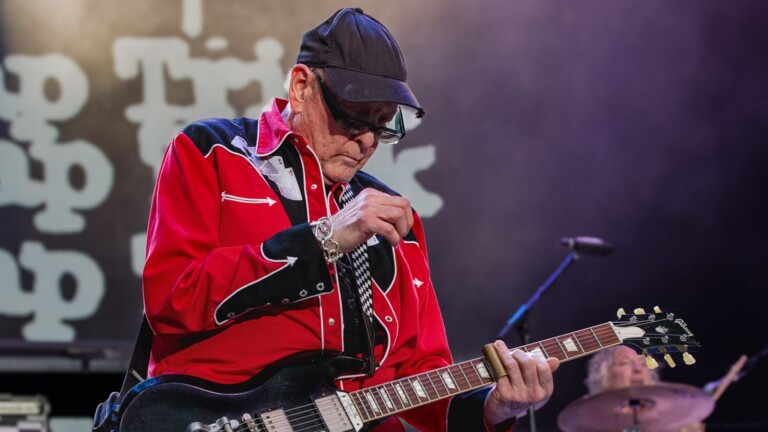
Cheap Trick 2027 Concert Dates Announced
Cheap Trick has booked its first three concert dates for 2027, set for February and April, as the band’s ongoing All Washed Up Tour continues through the fall of 2026.
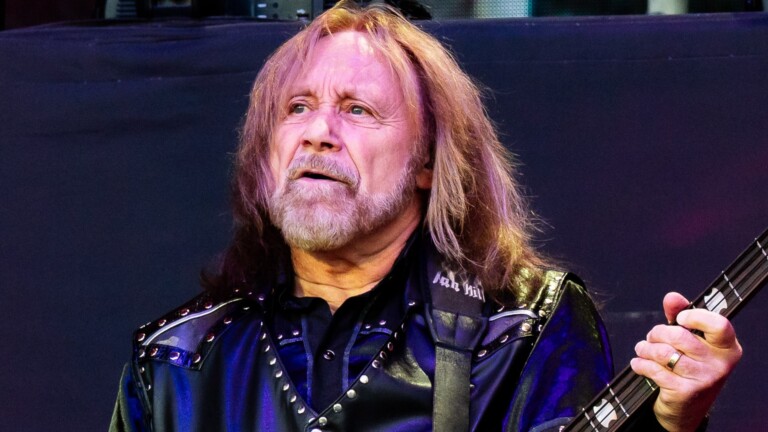
Judas Priest’s Ian Hill Retires After 57 Years, Longest-Serving Member
Judas Priest founding bassist Ian Hill has stepped away from the band after 57 years, citing worsening arthritis and a torn shoulder tendon, with Uriah Heep’s Davey Rimmer set to take his place on bass starting with the band’s 2027 touring.