

Paul McCartney Says He Can’t Recognize Bob Dylan’s Songs at Live Shows
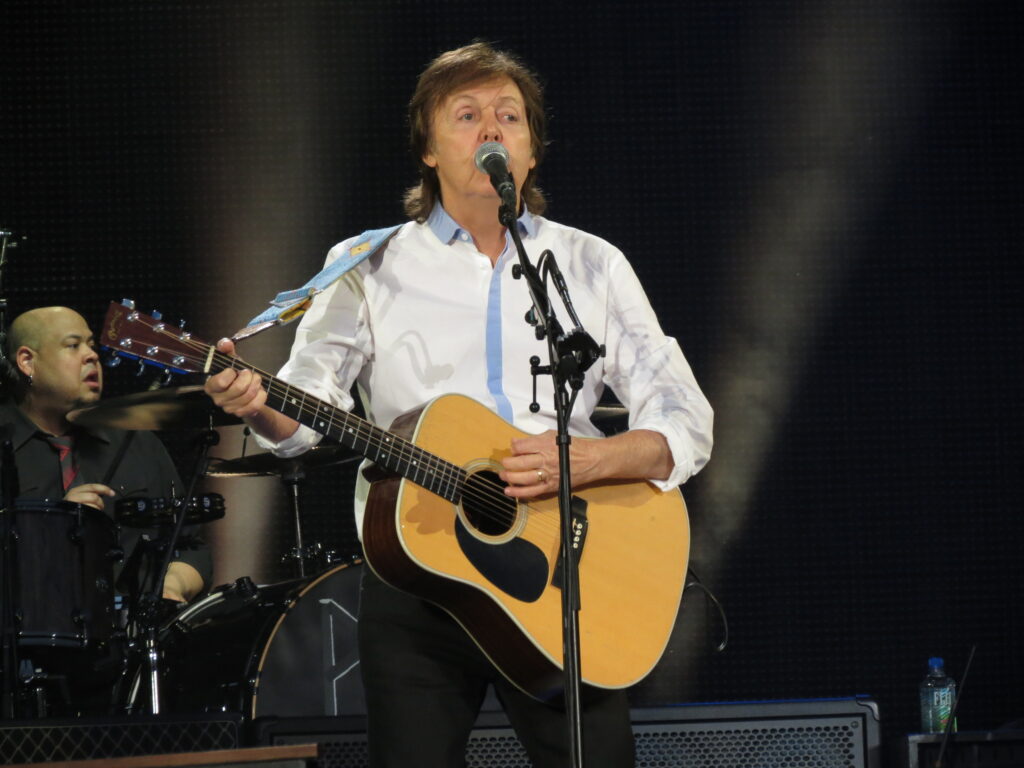
McCartney made the candid remarks during a guest appearance on The Rest is Entertainment podcast.
Paul McCartney, in the lead-up to the release of his first new album in six years, raised eyebrows this week by openly questioning the live Bob Dylan experience during a guest appearance on The Rest is Entertainment podcast. McCartney admitted he has attended a couple of Dylan’s recent shows and could not identify the songs being performed, a pointed observation coming from a contemporary who knows Dylan’s catalog as well as anyone alive.
McCartney’s Candid Assessment of Dylan’s Live Show
McCartney did not mince words when describing his experience in the audience at recent Dylan concerts. “I’ve been to see a couple of Bob’s shows, and honestly, I couldn’t tell what song he was doing,” he said. “Now, that’s a bit much, because I know his stuff!”
The comment carries particular weight given its source. McCartney is not a casual fan struggling to place an obscure B-side; he is a generational peer who came up alongside Dylan and has spent decades immersed in the same musical tradition. His inability to recognize the material speaks directly to how radically Dylan has reworked his catalog in live performance.
The Unspoken Contract Between Artist and Audience
McCartney framed his critique around what he described as an implicit agreement between performer and ticket buyer. He acknowledged that an artist could theoretically fill a set with obscure material and leave the audience in the dark, but argued that the financial reality of concert tickets changes the equation. “I would like to hear it. And I paid!” he said.
He also drew on a personal memory to illustrate the point, recalling attending a Bill Haley and the Comets show as a child and feeling let down when the band strayed from its well-known material. The anecdote underscores that McCartney’s view on fan service is not a recent development but a long-held conviction about how popular music works as a live experience.
McCartney did extend some sympathy to Dylan’s position. As someone who has performed “Hey Jude” countless times on stage, he said he understood if Dylan no longer wanted to play “Mr Tambourine Man” every night. “Maybe he’s fed up with it,” McCartney allowed. But he stopped short of excusing the result for paying audiences.
Dylan’s Approach to Live Performance in His 80s
Dylan, now in his mid-80s, has continued to fill large venues on recent tours. His current live show draws from new material, occasional covers, and heavily reconfigured versions of his classic songs. He stopped playing guitar over a decade ago, and his vocal delivery, while still described as expressive, has shifted considerably from the sound that defined his recorded work.
The criticism McCartney voiced is not new in the broader public conversation. Similar assessments have circulated among concertgoers for at least 30 years, according to reporting on the podcast appearance. What makes McCartney’s remarks unusual is the stature of the person delivering them: a musician operating at the same level as Dylan, and one who has navigated the same pressures of legacy, expectation, and artistic evolution across a career of comparable length and influence.
Dylan has long been granted considerable latitude by fans and critics who view his refusal to play the hits straight as an extension of his artistic identity rather than a failure of showmanship. The counterargument, which McCartney now represents publicly, is that the economics of live music impose obligations that pure artistic autonomy does not fully override.
What we know
- Paul McCartney made the comments during a guest appearance on The Rest is Entertainment podcast.
- McCartney said he attended a couple of Bob Dylan’s recent shows and could not identify the songs being performed.
- McCartney argued that ticket prices create an implicit obligation for performers to play recognizable material.
- McCartney recalled attending a Bill Haley and the Comets show as a child and feeling bored when the band diverged from its hits.
- McCartney acknowledged Dylan may be tired of playing certain songs, saying “maybe he’s fed up with it.”
- Dylan stopped playing guitar over a decade ago and now plays a mix of new tunes, covers, and reworked classics in his live show.
- McCartney’s comments came in the lead-up to the release of his first new album in six years.
The take
McCartney’s remarks land at a moment when the classic rock generation is confronting questions that have no clean answers. Dylan’s approach to live performance has been polarizing for decades; his so-called Never Ending Tour, which began in 1988, has always been a vehicle for reinvention rather than nostalgia, and his 2020 album ‘Rough and Rowdy Ways’ was widely praised as a late-career masterwork. The argument that he has earned the right to perform however he chooses is not without merit. But McCartney’s counterpoint reflects something real about the economics of arena and theater touring in 2024 and 2025, where ticket prices have reached levels that make the transaction feel less like attending a concert and more like a significant financial commitment. When a fan pays several hundred dollars for a seat, the expectation of at least some recognizable material is not unreasonable. What makes this exchange genuinely interesting is that McCartney is not a critic or a disappointed casual fan. He is arguably the only person on earth who understands Dylan’s position from the inside, having spent 60-plus years managing the tension between artistic growth and audience expectation at the highest level. His willingness to say publicly what many concertgoers have said privately gives the conversation a weight it would not carry coming from anyone else.
Why it matters
For classic rock fans, McCartney’s comments crystallize a tension that has defined the genre’s live landscape for years. As the founding generation of rock moves through its 80s, the gap between the artists audiences remember and the performers on stage has widened. Dylan’s case is extreme but not unique. The question of what artists owe their audiences, and whether ticket prices change that calculus, is one the entire industry is navigating. McCartney putting his name to the critique makes it impossible to dismiss as mere nostalgia-seeking.
What’s next
McCartney is preparing for the release of his first new studio album in six years, which was the context for his appearance on The Rest is Entertainment podcast. No specific details about Dylan’s upcoming tour dates or new projects were mentioned in the source material.
Frequently asked questions
What did Paul McCartney say about Bob Dylan’s concerts?
McCartney said he attended a couple of Dylan’s recent shows and could not identify the songs being performed, adding “I couldn’t tell what song he was doing. Now, that’s a bit much, because I know his stuff!”
Where did Paul McCartney make these comments about Bob Dylan?
McCartney made the remarks during a guest appearance on The Rest is Entertainment podcast.
Does McCartney think artists should always play their hits in concert?
McCartney argued that ticket prices create an implicit obligation, saying “I would like to hear it. And I paid,” though he also acknowledged Dylan may simply be tired of playing certain songs.
How old is Bob Dylan and does he still tour?
Dylan is in his mid-80s and has continued to fill large venues on recent tours, performing a mix of new material, covers, and heavily reworked versions of his classic songs.
Why was Paul McCartney doing press interviews at this time?
McCartney’s podcast appearance came in the lead-up to the release of his first new album in six years.
Related coverage
Related Stories
Def Leppard Announces Massive 2027 Tour With Goo Goo Dolls, The Struts
Def Leppard will co-headline a 45-date 2027 North American tour with Goo Goo Dolls, joined by The Struts, running from March 2 in Allentown, Pennsylvania through July 2 in Indianapolis, Indiana.
Alice Cooper Opens Up on Crack Addiction That Nearly Killed Him and Nearly Ended His Marriage
Alice Cooper’s new memoir ‘Devil on My Shoulder’ and a companion interview with The Telegraph detail how his crack cocaine use in the late 1970s and early 1980s brought him close to death and nearly cost him his marriage.
Roger Waters and Son Harry Waters Launch Pink Floyd Tribute Tour ‘LEGACY’ for 2027
AEG Presents and ICON LIVE have announced ‘Roger Waters Presents LEGACY: A Pink Floyd Show,’ a new touring production led musically by Harry Waters and launching February 15, 2027 in Columbus, Georgia.
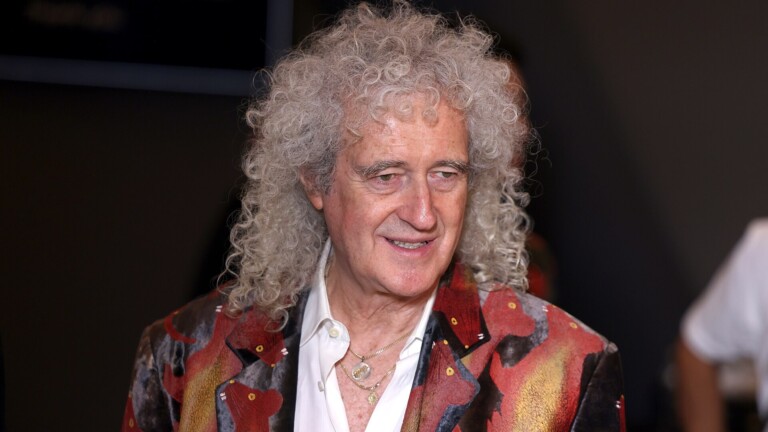
Brian May Says Queen’s Touring Days Are Over
Brian May says he and Roger Taylor quietly agreed a year and a half ago that Queen would not tour again, a choice shaped by the death of a close family friend while the band was on the road in America.
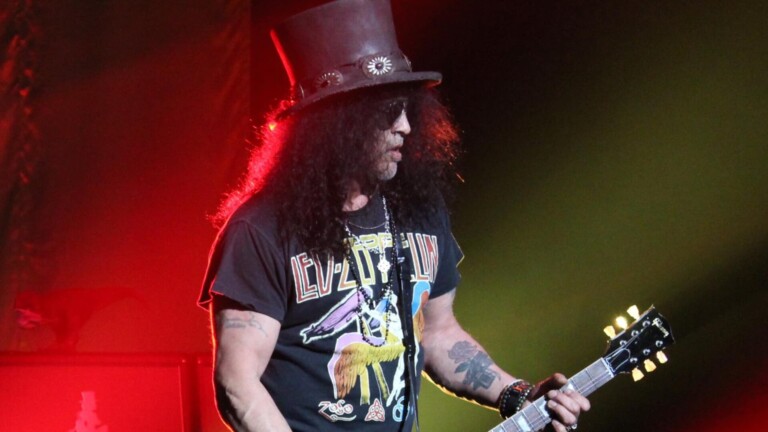
Slash Announces 2027 World Tour and New Album ‘Flying Blind’ With Myles Kennedy
Slash has unveiled a 2027 world tour with Myles Kennedy and The Conspirators and a new album, ‘Flying Blind,’ marking his first dedicated run with the band since 2024.
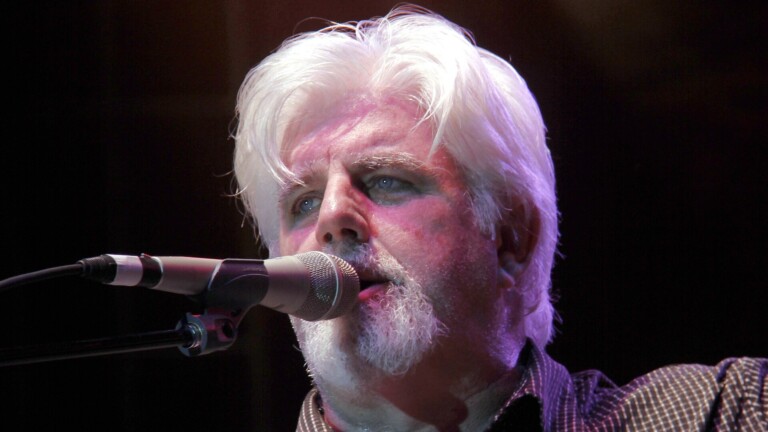
Michael McDonald Reunites With Son Given Up for Adoption Nearly 60 Years Ago
A St. Louis man named Michael Goessling has learned that Doobie Brothers singer Michael McDonald is his biological father, nearly 60 years after being given up for adoption as an infant.
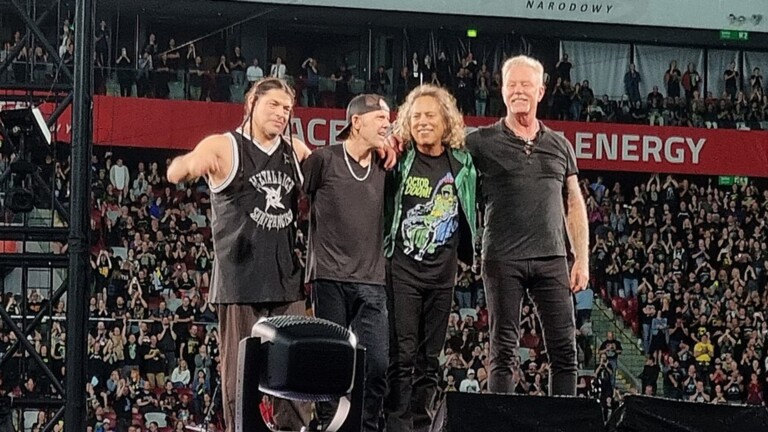
Metallica Kicks Off ‘Life Burns Faster’ Residency at Las Vegas Sphere
Metallica’s “Life Burns Faster” residency opens at the Las Vegas Sphere on October 1, 2026, running through March 2027 with 24 shows, a merch collaboration with adidas and a lineup of fan events across the city.
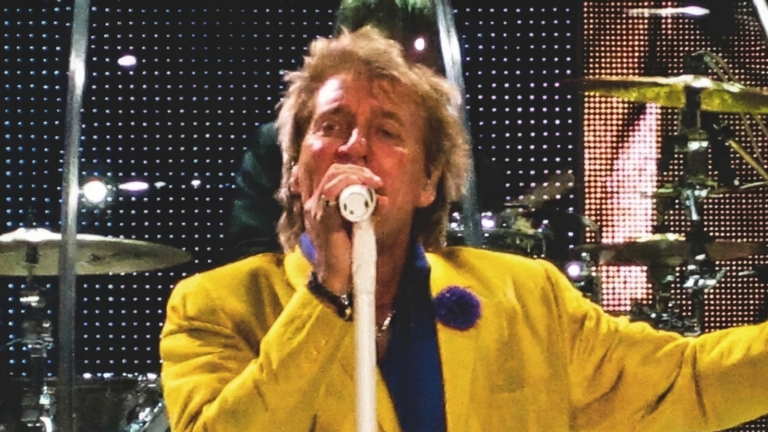
Rod Stewart Announces Retirement From Touring, Reveals 2027 ‘The Final Encore’ Tour Dates
Rod Stewart says his upcoming 2027 tour of the UK and Europe, called The Final Encore, will be his last time touring, though he insists he isn’t stepping away from music entirely.
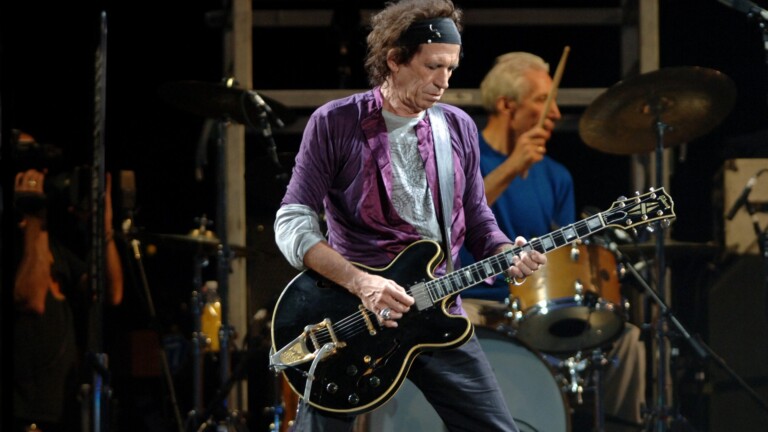
Jo Wood Says Rolling Stones Touring Days May Be Done Because of Keith Richards
Jo Wood, Ronnie Wood’s ex-wife, says she doubts the Rolling Stones will hit the road again, blaming Keith Richards’ hesitance even as the band’s new album Foreign Tongues thrives.