

Toto on Their Prog Roots: ‘We Wanted to Be Known as a Progressive Rock Band’
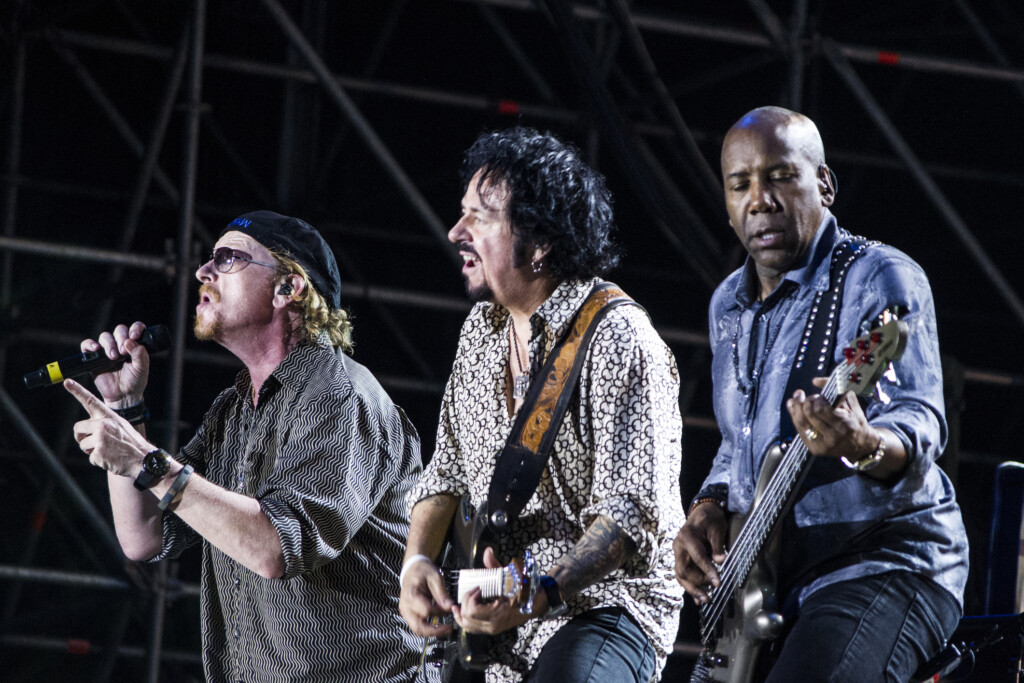
Steve Lukather, Steve Porcaro, and David Paich trace the band’s progressive ambitions back to its 1977 origins.
Toto have long been pigeonholed as the band behind ‘Africa’ and ‘Rosanna,’ but in a candid conversation timed to the 2015 release of Toto XIV, guitarst Steve Lukather, keyboardist Steve Porcaro, and co-founder David Paich pushed back hard on that reductive label, tracing the band’s DNA directly to the progressive rock giants they grew up worshipping and insisting their ambitions were always far larger than the hit singles that defined them commercially.
A Band That Always Wanted to Be Prog
When Toto formed in 1977, the members had a specific artistic identity in mind. ‘When we started out in 1977, we wanted to be known as a progressive rock band, but with a melodic sensibility,’ Lukather said. The influences he and his bandmates cite read like a syllabus for the genre’s golden era: Yes, Genesis, Pink Floyd, ELP, and even the harmonically complex Gentle Giant.
Paich recalled the moment he knew Lukather was the right collaborator. ‘I saw him playing in a band at a high school dance. You know what he was doing? Yes material. I knew then that I had to work with him one day.’ From there, the two dug deep into the records that shaped them. ‘When we started this band, we were particularly inspired by ELP and Yes. We used to take their records apart, analyse what made them special, and use that as the basis on which we constructed our songs,’ Paich said.
Porcaro as the Band’s Prog Conscience
As Toto’s sound expanded to absorb jazz fusion, groove, and rock and roll, partly through the influence of members who had worked with Steely Dan and Boz Scaggs, Porcaro saw himself as the internal check on how far the band drifted from its origins. ‘I was always determined we shouldn’t stray too far from the progressive ways which brought us together,’ he said. ‘I wanted to experiment with ideas on my synthesiser, but was never really encouraged to do so. I was seen as the fly in the ointment. Now, though, it’s all changed, and the others love what I’m doing.’
That tension between accessibility and experimentation is one Toto never fully resolved in the public eye, even as it drove some of their most interesting work. The band’s vocal harmonies, which Lukather traces to Gentle Giant’s influence, gave their pop hits a sophistication that sat uneasily with the straightforward AOR tag radio programmers preferred.
Toto XIV as a Return to First Principles
The release of Toto XIV in 2015 gave the band a concrete opportunity to restate their artistic case. The album was deliberately shaped around the approach that defined their classic period, and it drew favorable comparisons to Toto IV, the 1982 record that remains their commercial and critical high-water mark.
Porcaro framed the connection directly. ‘I told someone that, for me, this is the natural follow-up to …IV. I didn’t mean it as a slight to everything we’ve done since that album came out, but it feels like this is where we should have gone musically. It stays true to all of our artistic beliefs.’
Lukather acknowledged the commercial reality that has always complicated the band’s self-image. ‘Look, I’m happy we’ve had hits. They’ve given me a great lifestyle. But I do wish the record label at the time had put out some of our more challenging songs as singles.’ Columbia, the label in question, consistently steered Toto toward the mainstream, a decision that paid off commercially but left a body of more ambitious work largely invisible to casual listeners.
Beyond ‘That Africa Band’
The gap between Toto’s reputation and their live reality has been a recurring theme for the band. Lukather noted that fans who know only the hits are routinely surprised by what they encounter in concert. ‘There are some who know us as “That Africa band”. But we’ve had loads of people who only recognise the hits, then come to see us live and are amazed at what we’re really like. Because what we do on record is only part of the story, like our prog heroes, we use the albums as springboards.’
That framing, albums as springboards for live exploration, is a distinctly progressive rock philosophy, one that connects Toto’s approach to the extended live workouts of Yes and ELP far more than it does to the polished pop of their chart contemporaries. It is a distinction the band has spent decades trying to communicate to an audience that largely encountered them through radio edits.
What we know
- Toto XIV was released in 2015 and was described by the band as a deliberate return to their classic-era approach.
- Steve Porcaro said Toto XIV felt to him like ‘the natural follow-up to …IV,’ referring to the 1982 album Toto IV.
- Steve Lukather stated the band wanted to be known as ‘a progressive rock band, but with a melodic sensibility’ when they started in 1977.
- David Paich said the band was ‘particularly inspired by ELP and Yes’ and would analyze their records as a basis for constructing songs.
- Lukather cited Yes, Genesis, Pink Floyd, and Gentle Giant as key influences, with Gentle Giant specifically credited for inspiring the band’s vocal harmonies.
- Lukather expressed frustration that Columbia Records did not release more of the band’s challenging material as singles.
- Porcaro described himself as someone who kept the band on a progressive path and said he was ‘seen as the fly in the ointment’ for wanting to experiment on synthesizer.
The take
Toto occupy one of rock’s most awkward critical positions: a band of elite session musicians, several of whom played on some of the most technically demanding records of the 1970s, who became famous for songs that radio programmers could slot between Lionel Richie and Journey without friction. The irony is that the session world Lukather, Paich, and the Porcaro brothers inhabited before and during Toto’s rise was itself deeply influenced by progressive and jazz-fusion ideas. Jeff Porcaro’s drumming on Boz Scaggs’ ‘Lowdown’ and Michael Jackson’s ‘Human Nature’ demonstrated a rhythmic sophistication that had nothing to do with straightforward pop. The band’s prog influences were never hidden; they were simply overwhelmed by the commercial success of a handful of singles. The comparison Porcaro draws between Toto XIV and Toto IV is telling. Toto IV won six Grammy Awards in 1983, including Album of the Year, but the band has always seemed slightly embarrassed by the circumstances of that success, as if the awards validated the wrong version of the band. Their insistence on the live show as the truest expression of what they do echoes a classic prog-era argument: the album is a document, the stage is where the music actually lives. For a band that has spent 40-plus years being underestimated, that argument still carries weight.
Why it matters
For Classic Rock listeners who have only ever engaged with Toto through ‘Africa’ or ‘Rosanna,’ this conversation reframes the band entirely. Understanding that Lukather was playing Yes covers at high school dances before Toto existed, and that Paich and the others were systematically deconstructing ELP records to understand how progressive architecture worked, changes the way those hit singles sound. It also places Toto in a lineage that the mainstream rock narrative has consistently denied them, one that connects them to the most ambitious music of the 1970s rather than to the polished AOR of the 1980s.
What’s next
Toto XIV, the album that prompted this discussion, was available as of 2015. No additional upcoming events or releases are referenced in the source material.
Frequently asked questions
When did Toto form and what were their original musical goals?
Toto formed in 1977 with the stated goal of being known as a progressive rock band with a melodic sensibility, according to guitarist Steve Lukather.
What prog rock bands influenced Toto?
The band cited Yes, Genesis, Pink Floyd, ELP, and Gentle Giant as key influences, with Gentle Giant specifically credited for inspiring their vocal harmonies.
What is Toto XIV and how does it relate to Toto IV?
Toto XIV is a 2015 studio album. Steve Porcaro described it as feeling like ‘the natural follow-up’ to the 1982 album Toto IV, saying it stays true to the band’s artistic beliefs.
Why did Toto not release more progressive material as singles?
Steve Lukather said he wished Columbia Records had released more of the band’s challenging songs as singles, implying the label steered them toward more commercial choices.
How does Toto describe the difference between their recorded and live work?
Lukather said the band uses albums as springboards, much like their prog heroes, and noted that fans who know only the hits are often amazed by what Toto are really like in concert.
Related coverage
Related Stories
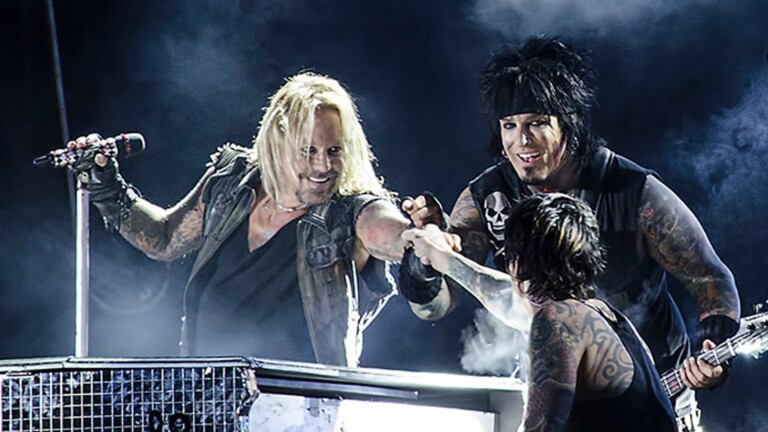
Motley Crue Sets 2027 ‘Carnival of Sins in Sin City’ Residency at Caesars Palace
Motley Crue has unveiled an eight-show Las Vegas residency, ‘Carnival of Sins in Sin City,’ set for The Colosseum at Caesars Palace from March 19 to April 3, 2027.
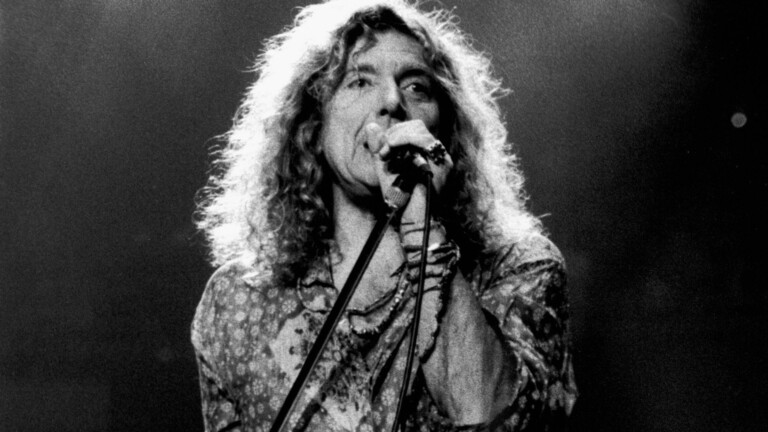
Led Zeppelin Lets ‘Stairway to Heaven’ Soundtrack a Movie Trailer for the First Time, for Greta Gerwig’s Narnia Film
Led Zeppelin has granted permission for ‘Stairway to Heaven’ to appear in a film for the first time, backing the debut trailer for Greta Gerwig’s Narnia: The Magician’s Nephew.
Cheap Trick 2027 Concert Dates Announced
Cheap Trick has booked its first three concert dates for 2027, set for February and April, as the band’s ongoing All Washed Up Tour continues through the fall of 2026.
Judas Priest’s Ian Hill Retires After 57 Years, Longest-Serving Member
Judas Priest founding bassist Ian Hill has stepped away from the band after 57 years, citing worsening arthritis and a torn shoulder tendon, with Uriah Heep’s Davey Rimmer set to take his place on bass starting with the band’s 2027 touring.
James Hetfield Tells Sphere Crowd Metallica Won’t Push a Political Agenda
James Hetfield addressed the Las Vegas Sphere crowd on October 10, 2026, drawing a line between Metallica and other entertainers who use their platforms for political messaging.
Def Leppard Announces Massive 2027 Tour With Goo Goo Dolls, The Struts
Def Leppard will co-headline a 45-date 2027 North American tour with Goo Goo Dolls, joined by The Struts, running from March 2 in Allentown, Pennsylvania through July 2 in Indianapolis, Indiana.
Alice Cooper Opens Up on Crack Addiction That Nearly Killed Him and Nearly Ended His Marriage
Alice Cooper’s new memoir ‘Devil on My Shoulder’ and a companion interview with The Telegraph detail how his crack cocaine use in the late 1970s and early 1980s brought him close to death and nearly cost him his marriage.
Roger Waters and Son Harry Waters Launch Pink Floyd Tribute Tour ‘LEGACY’ for 2027
AEG Presents and ICON LIVE have announced ‘Roger Waters Presents LEGACY: A Pink Floyd Show,’ a new touring production led musically by Harry Waters and launching February 15, 2027 in Columbus, Georgia.
Brian May Says Queen’s Touring Days Are Over
Brian May says he and Roger Taylor quietly agreed a year and a half ago that Queen would not tour again, a choice shaped by the death of a close family friend while the band was on the road in America.