

‘Rock ‘n’ Roll President’ Jimmy Carter Dies at 100

In the arena of American presidency, Jimmy Carter's legacy stands out not only for his peace efforts and humanitarian work but also for his unique role as an impassioned patron of the arts. The former president was a champion on behalf of his favorite musicians, using his platform and personal connections to advocate for the power of music as a unifying and healing force. Carter’s love for music was deeply rooted in his Southern upbringing, where gospel songs sung by Black tenant farmers left a lasting impression on him. This early exposure to music laid the foundation for his lifelong connection with musical icons across genres, including Bob Dylan, Willie Nelson, and the Allman Brothers Band.
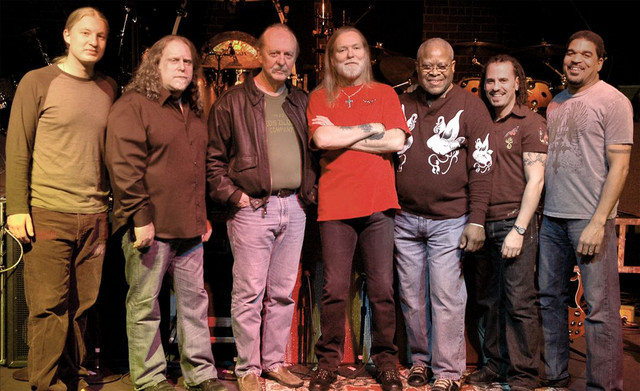
Carter's presidential campaign in 1976 capitalized on his affinity with musicians, most prominently showcased through the support of the Allman Brothers Band. This endorsement was pivotal for his campaign, not only for the financial boost it provided but also for the cultural cachet it lent. The Allman Brothers, alongside other musicians like Bob Dylan and Willie Nelson, saw in Carter a kindred spirit who sincerely appreciated their art and its cultural significance. This mutual respect was highlighted by Dylan, who felt that Carter's admiration crossed into the establishment, serving as a rare bridge between politics and music.
While in the White House, Carter’s tenure was marked by a celebration of American music and the arts. His administration's use of music as a medium for diplomacy and connection included hosting concerts that showcased American musical heritage in blues, gospel, and jazz. Notable events included the 25th anniversary celebration of the Newport Jazz Festival on the White House lawn, where Dizzy Gillespie famously challenged Carter to sing along. These events not only fostered goodwill but underscored Carter's belief in music as a universal language capable of transcending racial and cultural divides.
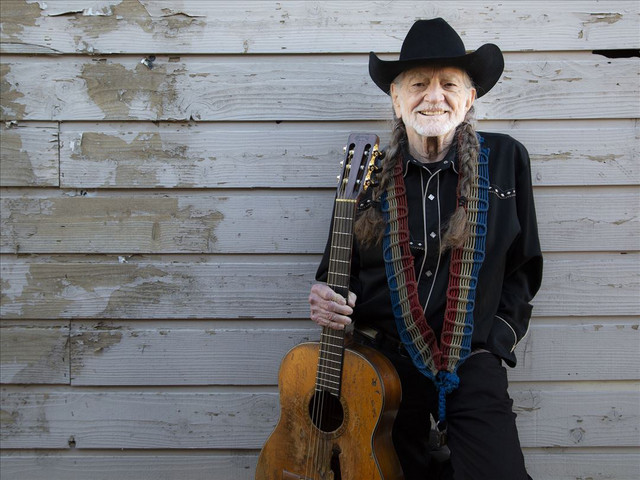
Carter's kinship with musicians was reciprocated in heartfelt tributes and collaborative efforts long after his presidency. His friendship with Willie Nelson, for instance, became famous, not least for Nelson's infamous story of smoking marijuana on the White House roof, an anecdote that speaks to the relaxed and genuine nature of their relationship. This camaraderie extended to Jimmy Buffett, John Denver, and other musicians who supported his campaign and his broader political ideals. Carter's relationships in the music world were built on mutual respect and a shared vision of music as a tool for cultural and social change.
Throughout his life, Carter was recognized not just as a political figure but as a cultural patron. His influence in the arts extended to accolades such as the Grammys, cementing his status as an ally to the music community. His commitment to the arts was reflected in his policies, such as the doubling of the National Endowment for the Arts budget during his administration, which, although controversial, spoke to his belief in the transformative power of artistic expression.
As we reflect on Carter's legacy, it becomes clear that his contributions to the arts were as significant as his humanitarian efforts. He was a leader who understood the power of music to unite, heal, and inspire, using it as a beacon of hope during tumultuous times. His influence and legacy in music continue to resonate, serving as a testament to the enduring power of art in bridging divides and fostering a sense of shared humanity. Jimmy Carter's life, interwoven with his championing of musicians, remains a unique chapter in the history of the American presidency, illustrating the profound impact of cultural advocacy on national and global stages.
Key Takeaways
-
www.theguardian.com | Jimmy Carter, the 39th U.S. President, known for his unique affinity for music, passed away at the age of 100.
-
www.theguardian.com | Carter was a fan of gospel music from a young age, which influenced his advocacy for human rights and dignity through music during his political career.
-
www.actionnewsjax.com | During his presidency, Carter held concerts at the White House celebrating American music and fostering connections across political and cultural lines.
-
www.mysanantonio.com | Carter's advocacy for music and musicians led to unique friendships with figures like Willie Nelson and Bob Dylan, impacting both his political and personal life.
TOP STORIES

Related Stories

Ritchie Blackmore Confirms Christopher Cross Filled In for Him at 1970 Deep Purple Show
Ritchie Blackmore has confirmed that Christopher Cross stepped in for him during a 1970 Deep Purple show at the Jam Factory in San Antonio, Texas, ending

Julian Lennon Diagnosed With Coronary Heart Disease and Pre-Diabetes
Julian Lennon has revealed a coronary heart disease and pre-diabetic diagnosis, urging fans to get checked out early. He says he caught both conditions in time.

Chloë Sevigny’s Deadhead Documentary ‘Summer Tour’ Gets Trailer and Screening Dates
Chloë Sevigny produced and Mischa Richter directed ‘Summer Tour,’ a Deadhead documentary hitting theaters July 23, 2026, with early screenings starting May 28.
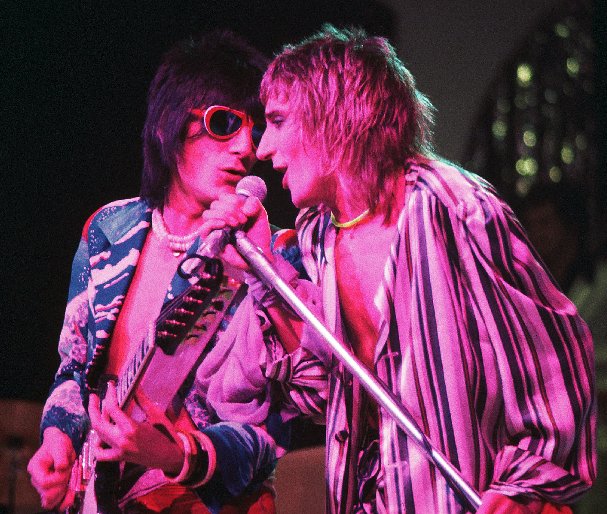
Rod Stewart and Ron Wood Reunite at Royal Albert Hall for King’s Trust Concert
Rod Stewart and Ron Wood performed ‘Ooh La La’ and ‘Good Rockin’ Tonight’ at the King’s Trust Celebration concert at the Royal Albert Hall on May 11.
U2 Films ‘Street of Dreams’ Video in Mexico City With Larry Mullen Jr. Back in the Fold
U2 filmed the music video for new single ‘Street of Dreams’ atop a graffiti-covered school bus in Mexico City’s Historic Center, marking Larry Mullen Jr.’s
Mötley Crüe Announces ‘Crücial Crüe 1981-1989’ Box Set Ahead of Summer Tour
Mötley Crüe announces the ‘Crücial Crüe 1981-1989’ limited-edition picture disc box set via BMG, dropping July 10, alongside their 35-city summer 2026 North
Gene Simmons Books Geezer Butler, Stewart Copeland, Dave Davies for Vegas Legends of Rock Expo
Three-day Westgate Las Vegas event lines up members of KISS, Black Sabbath, The Police, The Kinks, and a dozen more…
Journey Adds 40 Fall Dates to Final Frontier Farewell Tour
Journey has added 40 new dates to their Final Frontier farewell tour, running from September 12 in Los Angeles through November 28 in San Francisco. Tickets on
Ann Wilson Opens Up About 70s Rock Sexism as New Documentary Debuts
Ann Wilson discusses the sexism Heart faced in the 1970s rock scene as her new documentary ‘Ann Wilson – In My Voice’ premieres and a North American tour