

Steven Soderbergh Says Sean Ono Lennon Blessed AI Use in John Lennon Doc
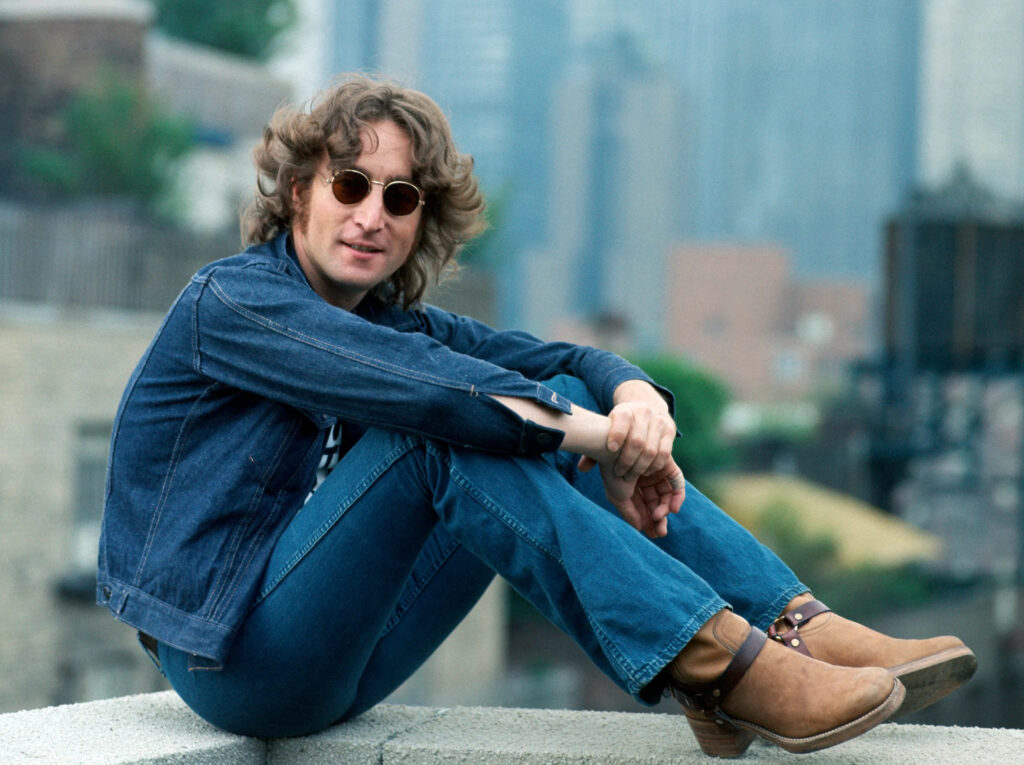
Soderbergh’s The Last Interview premieres at Cannes after the director confirmed Sean Ono Lennon’s blessing for AI-generated imagery in the film.
Director Steven Soderbergh has revealed that Sean Ono Lennon gave his blessing for the use of AI-generated visuals in The Last Interview, Soderbergh’s upcoming documentary built around John Lennon and Yoko Ono’s final conversation with RKO Radio in New York on December 8th, 1980, recorded just hours before Lennon was murdered that evening.
Soderbergh Defends AI Use, Cites Sean Lennon’s Endorsement
Speaking to Deadline, Soderbergh addressed criticism of his decision to incorporate AI into the film, describing himself as ‘pro-choice’ on the technology while acknowledging that many in the creative industries remain firmly opposed. His defense rested largely on a conversation he had with Sean Ono Lennon about how the elder Lennon might have viewed the tools.
Soderbergh recounted asking Sean directly: ‘What do you think your dad’s take on this tech would’ve been?’ Sean’s reported answer was unambiguous. ‘Oh, he would’ve wanted to engage,’ Soderbergh quoted him as saying. Soderbergh elaborated on Sean’s reasoning: ‘He loved all new technology. All The Beatles did. He would want to play with it just to see what it could do. He goes, That was the way he was.’ Soderbergh was careful to add, ‘How he would’ve felt about it ultimately, we’ll never know, but he said he would’ve wanted to play with it.’
How AI Was Actually Used in the Film
Soderbergh had previously described the scope of AI’s role to Filmmaker magazine, offering a precise breakdown of the documentary’s visual construction. ‘Ninety percent of the visuals are archival stills, and 10 minutes, spread out over the 90-minute film, are these little pockets of images we created whenever they start talking philosophically,’ he explained.
He characterized the AI-generated material as occupying a ‘dream space rather than a literal space,’ describing the images as ‘thematically surreal.’ The framing suggests Soderbergh was deliberate about keeping AI out of the documentary’s factual or archival register, reserving it for abstract, interpretive sequences tied to the philosophical content of Lennon and Ono’s conversation.
The approach is consistent with a broader trend among documentary filmmakers who have begun using generative AI to visualize concepts or emotional states that archival footage cannot capture, while keeping the evidentiary core of the film grounded in authenticated material.
A Precedent Already Set: The Beatles and ‘Now and Then’
The Lennon estate’s comfort with AI tools did not begin with this documentary. In 2023, The Beatles used AI technology to clean Lennon’s vocals for ‘Now and Then,’ the band’s final released song, a project that carried Sean Ono Lennon’s full support. That release set a significant precedent for how the estate approaches the intersection of Lennon’s legacy and emerging technology.
The Last Interview is set to premiere at the Cannes Film Festival later this month, bringing Soderbergh’s project to one of the most scrutinized stages in world cinema at a moment when AI’s role in filmmaking remains a live and contentious debate.
What we know
- The Last Interview is a documentary focused on John Lennon and Yoko Ono’s final interview, given to RKO Radio in New York on December 8th, 1980, hours before Lennon was murdered.
- Soderbergh confirmed that AI-generated visuals make up approximately 10 minutes of the 90-minute film, with the remaining visuals drawn from archival stills.
- Soderbergh said he received Sean Ono Lennon’s blessing to use AI in the documentary.
- Sean Ono Lennon told Soderbergh that John Lennon ‘would’ve wanted to engage’ with AI technology.
- The Beatles used AI in 2023 to clean Lennon’s vocals for ‘Now and Then,’ with Sean Ono Lennon’s full support.
- The Last Interview is set to premiere at the Cannes Film Festival.
- Soderbergh described himself as ‘pro-choice’ on AI while acknowledging that many in the creative industries are firmly against it.
The take
The Lennon estate’s repeated willingness to engage with AI, from the ‘Now and Then’ vocal restoration in 2023 to this documentary, reflects a pattern that has become increasingly common among the estates of classic rock’s most iconic figures. When an artist’s catalog carries the cultural and commercial weight that Lennon’s does, the people responsible for that legacy face a genuine tension: preserve the artist’s work in amber, or allow new tools to extend its reach and resonance. The estate has consistently chosen engagement over prohibition, and Sean Ono Lennon’s framing of his father as someone who ‘loved all new technology’ is a rhetorically smart way to align that choice with Lennon’s own documented curiosity and experimentalism. Lennon was, after all, an early adopter of studio technology throughout his career, from the tape loops on ‘Tomorrow Never Knows’ to the avant-garde sound collages he made with Ono. Whether that appetite for sonic experimentation would have extended to generative AI is genuinely unknowable, as Soderbergh himself acknowledged. But the argument is plausible enough to carry weight. For documentary filmmakers specifically, the use of AI to generate abstract or surreal imagery, rather than to simulate real events or people, represents a relatively defensible application of the technology, one that sidesteps the deepfake concerns that have made AI so contentious in narrative film and music.
Why it matters
For classic rock fans and the broader music community, the Lennon estate’s posture toward AI carries real weight. Lennon remains one of the most mythologized figures in rock history, and how his legacy is stewarded sets a visible example for other estates and surviving artists navigating the same questions. Soderbergh’s documentary also arrives at Cannes, meaning the debate over AI in creative work will play out on a very public stage, with one of the most recognizable names in rock history at the center of it.
What’s next
The Last Interview is scheduled to premiere at the Cannes Film Festival later this month. No additional release dates or distribution details were confirmed in available reporting.
Frequently asked questions
What is The Last Interview documentary about?
The Last Interview focuses on the final interview given by John Lennon and Yoko Ono to RKO Radio in New York on December 8th, 1980, just hours before Lennon was murdered that evening.
How was AI used in Steven Soderbergh’s John Lennon documentary?
AI was used to create approximately 10 minutes of surreal, thematic imagery spread across the 90-minute film. Soderbergh described these as images occupying ‘a dream space rather than a literal space,’ used during philosophical portions of the interview. The remaining 90 percent of visuals are archival stills.
Did Sean Ono Lennon approve the use of AI in the documentary?
Yes. Soderbergh stated that he received Sean Ono Lennon’s blessing to use AI tools in the film, and that Sean believed his father would have wanted to engage with the technology.
When and where does The Last Interview premiere?
The Last Interview is set to premiere at the Cannes Film Festival later this month.
Have The Beatles used AI before this documentary?
Yes. In 2023, The Beatles used AI to clean John Lennon’s vocals for ‘Now and Then,’ their final released song, a project that had Sean Ono Lennon’s full support.
Related coverage
TOP STORIES
RELATED ARTISTS

Related Stories
Fleetwood Mac Documentary ‘The Chain’ Gets Title and Release Date
Fleetwood Mac: The Chain, the band’s first fully authorized documentary, arrives on Apple TV on January 29, 2027, coinciding with the 50th anniversary of Rumours.
John Anderson, ‘Swingin” and ‘Seminole Wind’ Singer, Dies at 71
John Anderson, the Country Music Hall of Fame singer behind “Swingin'” and “Seminole Wind,” has died at age 71, only days after taking part in Nashville’s 2026 Medallion Ceremony.

Judas Priest Locks In First Confirmed 2027 US Tour Date at Boardwalk Rock
Judas Priest has confirmed its first US concert of 2027, a slot on the Iron Maiden-headlined Sunday bill at the Boardwalk Rock festival in Ocean City, Maryland.
Robert Plant Opens Up on Son Karac’s 1977 Death and His Quiet Life Today
In a new Sunday Times interview, Robert Plant describes how the 1977 death of his five-year-old son Karac altered his attachment to Led Zeppelin, and shares details of his present-day life in a small Worcestershire village.
Bon Jovi Extends 2027 Stadium Dates, Expanding Forever Tour to Australia, UK and North America
Bon Jovi is expanding its Forever Tour with seven new 2027 stadium shows spanning Australia, the UK and North America, building on sold-out dates at Madison Square Garden and Wembley Stadium earlier this year.

Motley Crue Sets 2027 ‘Carnival of Sins in Sin City’ Residency at Caesars Palace
Motley Crue has unveiled an eight-show Las Vegas residency, ‘Carnival of Sins in Sin City,’ set for The Colosseum at Caesars Palace from March 19 to April 3, 2027.
Led Zeppelin Lets ‘Stairway to Heaven’ Soundtrack a Movie Trailer for the First Time, for Greta Gerwig’s Narnia Film
Led Zeppelin has granted permission for ‘Stairway to Heaven’ to appear in a film for the first time, backing the debut trailer for Greta Gerwig’s Narnia: The Magician’s Nephew.
Cheap Trick 2027 Concert Dates Announced
Cheap Trick has booked its first three concert dates for 2027, set for February and April, as the band’s ongoing All Washed Up Tour continues through the fall of 2026.
Judas Priest’s Ian Hill Retires After 57 Years, Longest-Serving Member
Judas Priest founding bassist Ian Hill has stepped away from the band after 57 years, citing worsening arthritis and a torn shoulder tendon, with Uriah Heep’s Davey Rimmer set to take his place on bass starting with the band’s 2027 touring.