

Sting Says Diddy Allegations Don’t Taint “Every Breath You Take”

Amidst the swirl of controversy surrounding Sean “Diddy” Combs due to serious legal charges, renowned musician Sting’s perspective on their professional connection has been unwavering. Combs, who is currently facing charges that include racketeering and sex trafficking, famously sampled The Police’s iconic 1983 hit, “Every Breath You Take,” in his 1997 tribute to the late rapper, Notorious B.I.G., titled “I’ll Be Missing You.” Despite the gravitas of these charges against Combs, Sting has expressed repeatedly in media interviews that the song remains untainted in his eyes.
In interviews with multiple media outlets, Sting affirmed that the ongoing legal troubles faced by Combs do not impact his view of the song that he created with his bandmates. When directly asked if Combs’s situation has had any bearing on his feelings towards the song, Sting’s stance has been clear: “No. It doesn’t taint the song at all for me.” This sense of ownership over the track underscores Sting’s belief in the artistic integrity of “Every Breath You Take.”
“Every Breath You Take” is not just a musical landmark for The Police, having topped charts globally, but has also had a presence in popular culture, thanks to Combs’s use of the song. The heightened public focus on Combs as his trial approaches, framed by allegations that span decades including sex trafficking and racketeering, adds layers of complexity to the narrative that surrounds both his persona and that of the song. According to Billboard, Combs was denied bail following his arrest, which came after investigations involving home raids and increasing legal suits from various plaintiffs alleging sexual misconduct. Yet, Sting remains congenial about the continued use of his composition, maintaining a professional detachment from the personal controversies enveloping Combs.
Moreover, Sting acknowledges that music, given its nature, is often reinterpreted and reshaped through new contexts. The use and adaptation of “Every Breath You Take” illustrates this phenomenon. Although Combs’s original interpolation of the song did not reportedly have Sting’s preemptive consent, as disclosed in past interviews, the matter was later settled to the mutual benefit of both artists, fostering what Sting once described as a good relationship between them. This dynamic exemplifies the continuously evolving relationships between original works and new interpretations, often leading to unexpected yet mutually beneficial reconciliations.
Apart from the professional rapport between Sting and Combs, the case casts a broader light on the ethical implications that arise when artists embroiled in legal scandals are associated with popular cultural artifacts. Specifically, how these legal and ethical controversies affect public perception of the associated works as with “I’ll Be Missing You.”
As Combs’s legal proceedings continue, there is anticipation surrounding how the legal outcomes might further impact public and artist-centric discourse around intellectual property, personal ethics, and the ongoing cultural significance of music. While the legal ramifications for Combs loom large, with a trial set for 2025, the public and other industry stakeholders will likely continue to reflect on the associative impact on the music that defined important moments for the artists involved, as well as the fans who cherished these records.
Ultimately, Sting’s perception of his music remains steadfastly within the purview of his control and boundaries, illustrating the complexity of legacy and ownership in the music industry. As his statement and consistent response to queries indicate, for Sting, “Every Breath You Take” will forever remain a creation of The Police, unaffected by external controversies characteristic of its subsequent adaptations. This narrative reinforces the continued reverence for the song as a timeless piece of art, ultimately tethered to its creator’s unwavering conviction in its artistic integrity.
Key Takeaways
-
www.eonline.com | Sting asserts that the allegations against Sean 'Diddy' Combs do not tarnish his perception of 'Every Breath You Take,' a song sampled by Combs.
-
www.usmagazine.com | Sting claims despite recent controversies, his song 'Every Breath You Take' remains unaffected and retains its personal significance to him.
-
www.billboard.com | Sting discusses his nonchalant attitude towards sampling and interpolations in music, emphasizing the creative and financial benefits.
TOP STORIES
RELATED ARTISTS
Related Stories
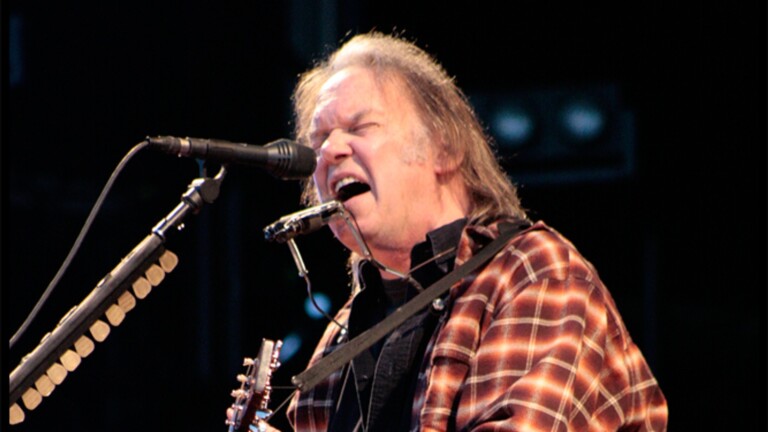
Neil Young Sues Trump Fundraising Group Again Over ‘Rockin’ in the Free World’
Neil Young has filed a new $10 million copyright lawsuit against a Trump fundraising committee, accusing it of playing “Rockin’ in the Free World” without permission at an Ohio rally.
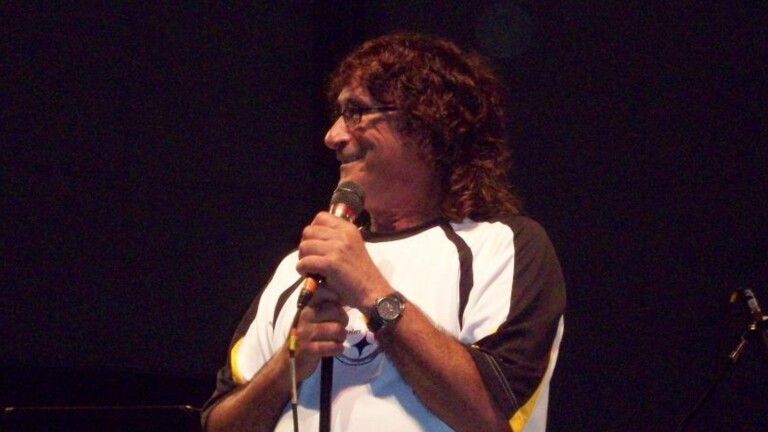
Donnie Iris, Pittsburgh Rock Icon, Dies at 83
Donnie Iris, the Pittsburgh rocker known for ‘Ah! Leah!’ and ‘The Rapper,’ died on Monday, October 26, 2026, at age 83, just weeks after announcing his retirement from live performing.
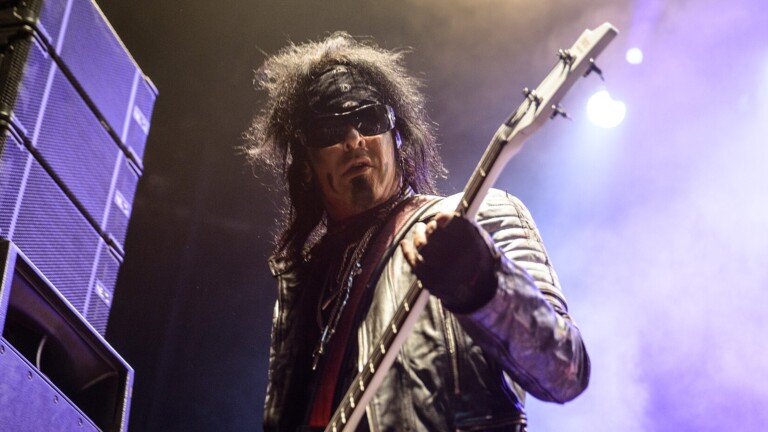
Nikki Sixx Discusses Vince Neil’s Health and Live Vocals After Fourth Stroke
Motley Crue’s Nikki Sixx addresses Vince Neil’s recovery from his fourth stroke and the singer’s push to prove himself vocally on tour, as the band details its upcoming fourth Las Vegas residency.
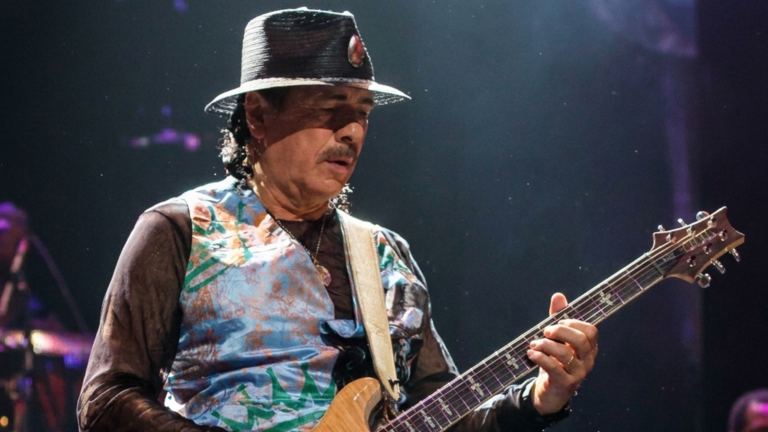
Santana Announces 2027 Global Tour
Santana has unveiled the Planet of Free Will Global Tour 2027, a 13-date run through Europe and the UK that opens at London’s The O2 on June 30 and wraps up in Helsinki on July 31.
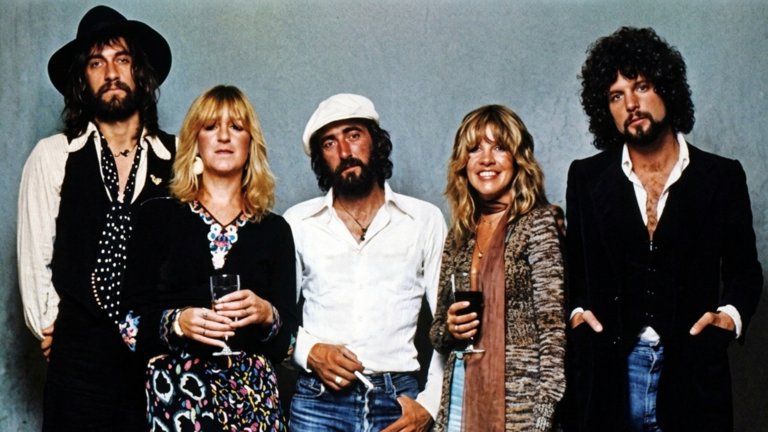
Fleetwood Mac Documentary ‘The Chain’ Gets Title and Release Date
Fleetwood Mac: The Chain, the band’s first fully authorized documentary, arrives on Apple TV on January 29, 2027, coinciding with the 50th anniversary of Rumours.
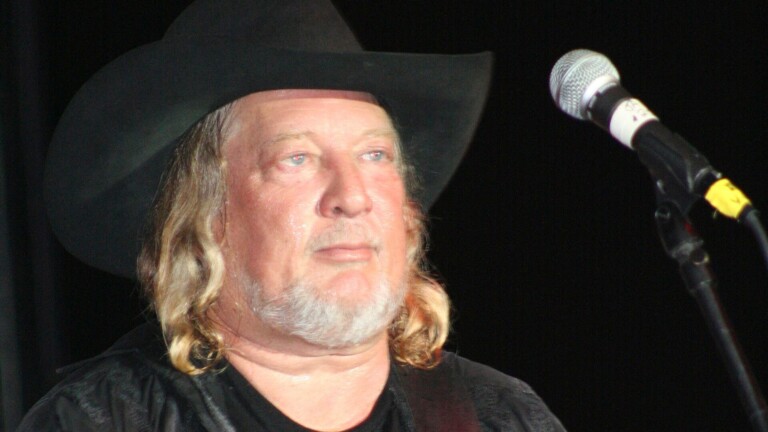
John Anderson, ‘Swingin” and ‘Seminole Wind’ Singer, Dies at 71
John Anderson, the Country Music Hall of Fame singer behind “Swingin'” and “Seminole Wind,” has died at age 71, only days after taking part in Nashville’s 2026 Medallion Ceremony.
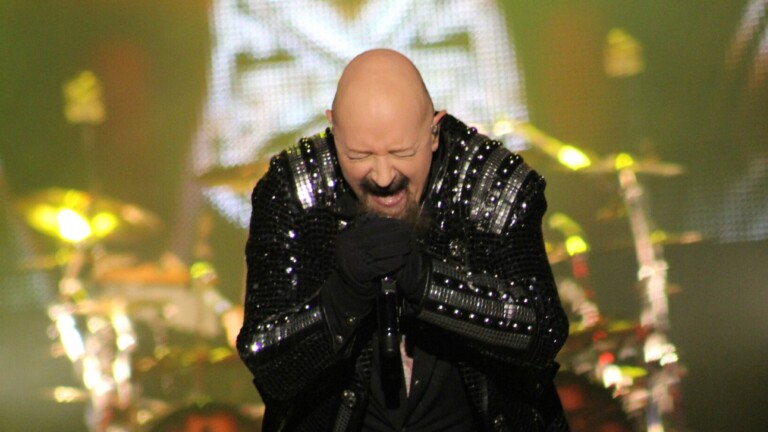
Judas Priest Locks In First Confirmed 2027 US Tour Date at Boardwalk Rock
Judas Priest has confirmed its first US concert of 2027, a slot on the Iron Maiden-headlined Sunday bill at the Boardwalk Rock festival in Ocean City, Maryland.
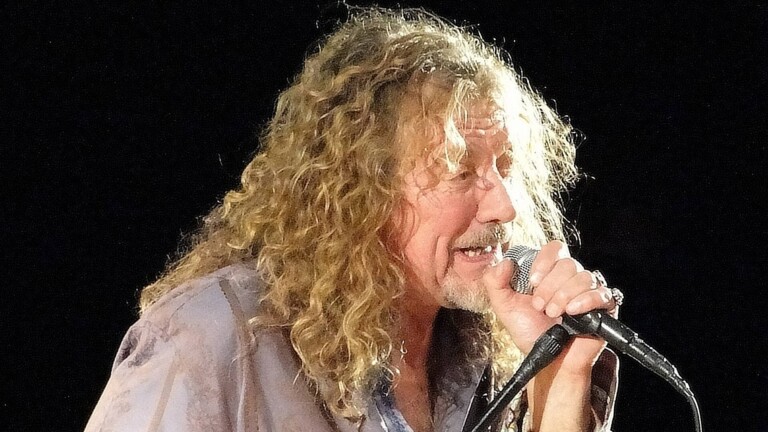
Robert Plant Opens Up on Son Karac’s 1977 Death and His Quiet Life Today
In a new Sunday Times interview, Robert Plant describes how the 1977 death of his five-year-old son Karac altered his attachment to Led Zeppelin, and shares details of his present-day life in a small Worcestershire village.
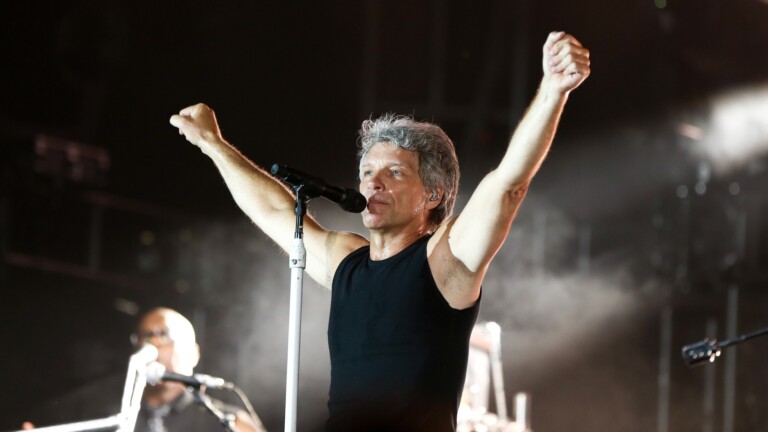
Bon Jovi Extends 2027 Stadium Dates, Expanding Forever Tour to Australia, UK and North America
Bon Jovi is expanding its Forever Tour with seven new 2027 stadium shows spanning Australia, the UK and North America, building on sold-out dates at Madison Square Garden and Wembley Stadium earlier this year.