

UMG & Beastie Boys Settle Lawsuit Against Chili’s
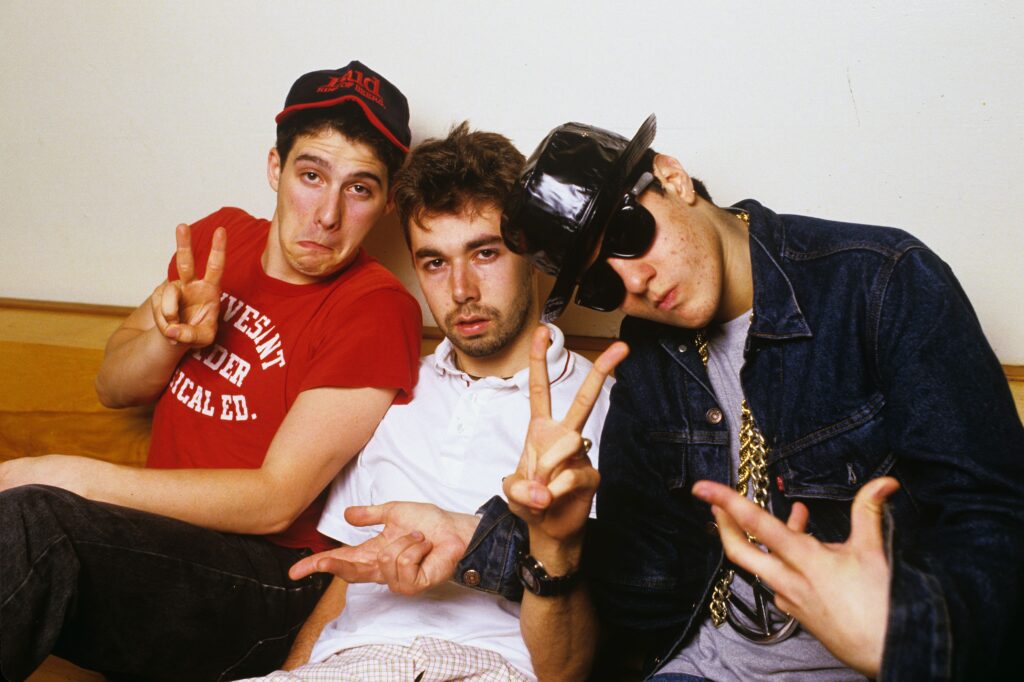
The culmination of the Beastie Boys' lawsuit against Chili's owner Brinker International represents a significant chapter in music copyright enforcement. The user-generated content explosion on platforms like TikTok and Instagram has seen brands exploit popular tracks without securing proper permissions, infringing on artists’ rights. In this case, the Beastie Boys and their label Universal Music Group (UMG) claimed that Chili's social media advertisements had used their hit song “Sabotage” without authorization, echoing elements from the song's well-known 1994 Spike Jonze-directed music video. The ads featured characters dressed in 70s-style wigs and sunglasses, paralleling the band members’ appearances in the original music video, thus leading to allegations of trademark and personality rights violations.
The lawsuit, filed in July 2024, came about after the Beastie Boys discovered that Chili's advertisements had been using “Sabotage” alongside visuals mimicking their iconic video. The band has historically been stringent about the use of their music in advertisements, a stance solidified since the passing of band member Adam ‘MCA' Yauch in 2012, who explicitly prohibited such uses in his will. Through this legal action, they sought $150,000 in damages and requested the cessation of the commercial to safeguard the integrity of their work and stop further unauthorized use. Equally, UMG accused Brinker of misusing other tracks in its advertisement campaigns, listing an array of artists including pop giants like Ariana Grande, Justin Bieber, and The Weeknd, illustrating the scale of Brinker's licensing transgressions.
The resolution of these legal disputes through mediation marks another pivotal moment in the ongoing battle between artists and corporations in the digital age. During the mediation this May, both the Beastie Boys and UMG managed to reach a settlement with Brinker, though the terms remain confidential. This settlement is expected to be finalized with a formal court dismissal filing by early July 2025. Such settlements are common in the music industry, often involving agreements to prevent future unauthorized use while ensuring fair compensation for past infringements.
This legal victory is not the Beastie Boys' first triumph in the courtrooms regarding unapproved use of their music. In 2014, the band won a significant case against Monster Beverage for similar infringements, resulting in a $1.7 million settlement. These cases set valuable precedents for other artists and rights holders, affirming their rights to control how their creations are used and monetized. This specific settlement further underscores the necessity for brands to acquire proper licenses for music used in commercial ventures, reinforcing the implications for not doing so in the highly viewed realm of social media promotions.
Such high-profile cases serve as a cautionary tale to other brands that might consider shortcutting music licensing procedures in their marketing strategies. As digital content continues to proliferate and integrate across social media platforms, the invisible line between user-generated content and commercial advertising requires clear demarcation. Brands are increasingly held accountable for the intellectual property they exploit, especially as enforcement mechanisms become more robust.
This case also highlights the broader industry trend where major labels and artists are actively seeking to safeguard their works against unauthorized commercial use. By setting such legal boundaries, artists expect to maintain creative control and financial benefits derived from their intellectual property. As music continues to be a significant draw in digital advertising, the importance of its fair use as a licensed product becomes even more pronounced, following normative music licensing laws. The Beastie Boys vs. Chili’s case stands as a significant reminder of the needs and rights of content creators in an era dominated by rapid digital distribution and consumption.
Key Takeaways
-
www.billboard.com | The lawsuit claimed Chili’s ads emulated the Beastie Boys' music video for 'Sabotage', implying an endorsement without permission.
-
pitchfork.com | Terms of the settlement between Beastie Boys, Universal Music Group, and Brinker International were not disclosed following mediation.
-
www.rollingstone.com | Beastie Boys have historically been protective of their music, with Adam Yauch's will explicitly prohibiting the use of their music in advertisements.
-
www.rollingstone.com | The controversial ads by Chili’s included unlicensed music from other major artists, leading Universal Music Group to extend their legal actions.
-
pitchfork.com | Aside from 'Sabotage', over 60 other songs by various artists were allegedly used in Chili’s ads without proper licensing.
TOP STORIES
RELATED ARTISTS
Related Stories
U2’s Bono and The Edge Move Obama to Tears at Presidential Center Opening
Bono and The Edge performed ‘City of Blinding Lights’ at the Barack Obama Presidential Center dedication in Chicago on June 18, visibly moving the former
Syd Barrett’s 80th Birthday Marked With Cambridge Concert and Star-Studded Tribute Album
A tribute concert at Cambridge Corn Exchange and a new album featuring Pink Floyd, David Gilmour, and David Bowie mark what would have been Syd Barrett’s 80th
Aimee Mann Nearly Skipped Rush Reunion Tour After Geddy Lee’s Email
Aimee Mann reveals she nearly passed on performing ‘Time Stand Still’ with Rush on their Fifty Something reunion tour after receiving an email from Geddy Lee.
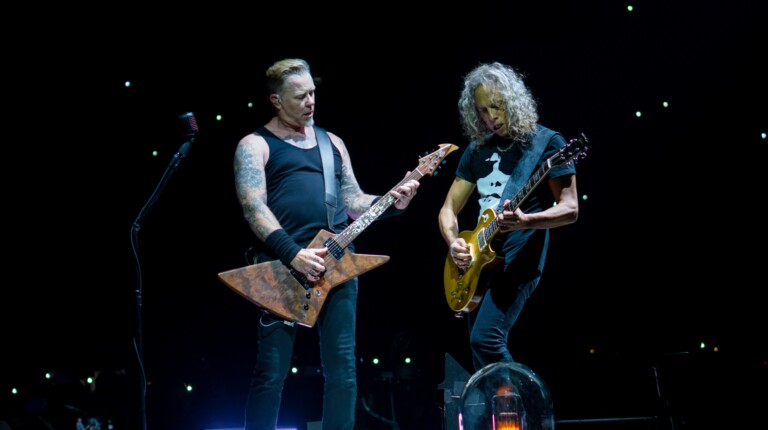
Kirk Hammett Releases Official Video From Frankfurt ‘The Collection: Live’ Event
Kirk Hammett has shared an official video of his May 23 ‘The Collection: Live’ book event at Zoom Saal in Frankfurt, featuring a surprise jam with Robert

Stewart Copeland Says He and Sting ‘Get Along Just Fine’ Despite Royalty Lawsuit
The Police drummer Stewart Copeland opens up about his friendship with Sting, the ongoing royalty lawsuit in U.K. High Court, and calling himself ‘fully

Jon Bon Jovi Declares Full Vocal Recovery, Announces Massive Tour Dates
Jon Bon Jovi says he’s ‘fully recovered’ from 2022 vocal cord surgery as Bon Jovi announce a nine-night MSG residency and UK/Ireland stadium shows for 2026.
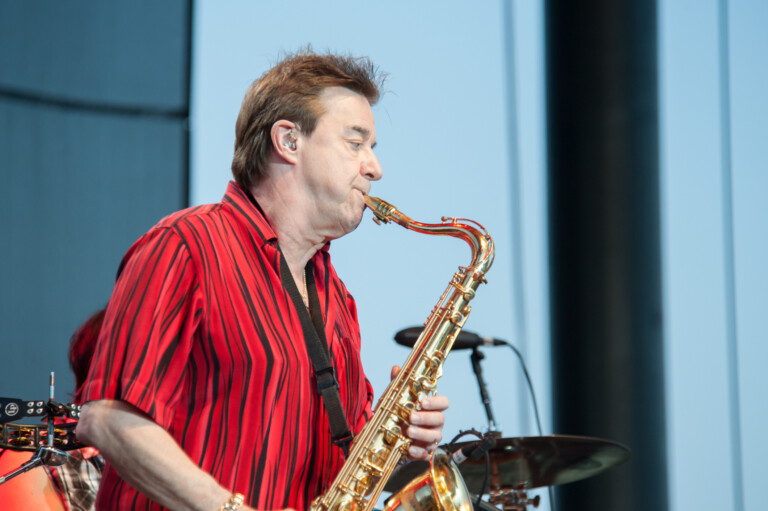
Walter Parazaider, Founding Saxophonist of Chicago, Dead at 81
Walter Parazaider, the founding saxophonist and creative architect of Chicago, died June 17 at 81 after a six-year battle with Alzheimer’s disease.
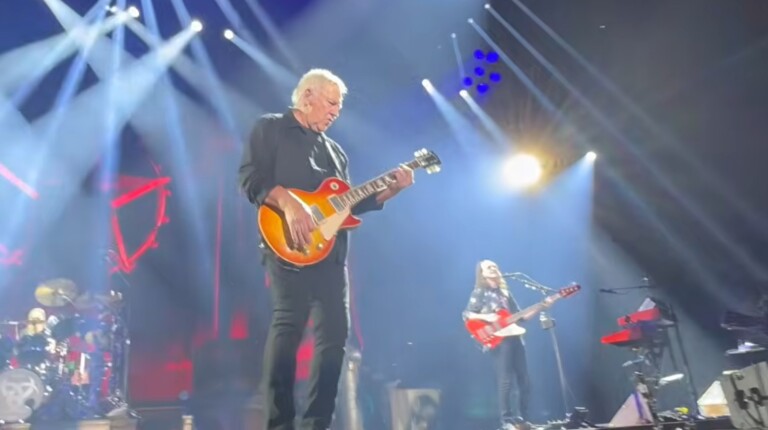
Rush Thanks Fans After Inglewood Opener
Rush kicked off the Fifty Something Tour in Inglewood with Alex Lifeson, Geddy Lee, and Anika Nilles. The band thanked fans after four opening nights.
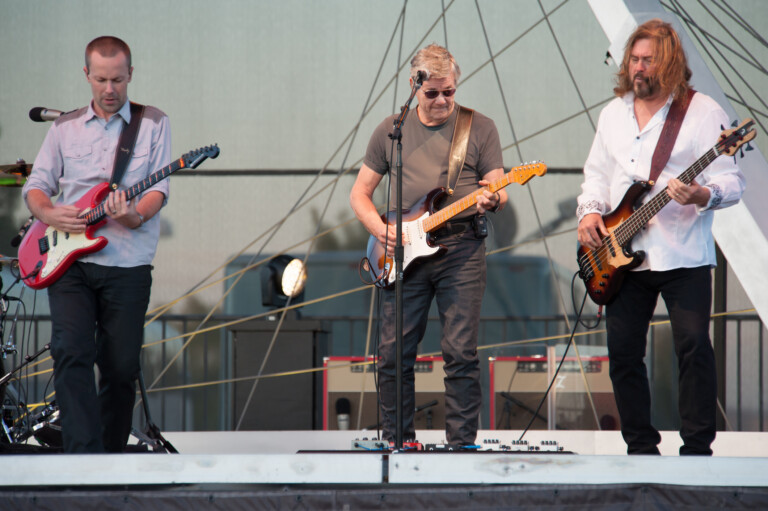
Steve Miller Books Two Fall 2026 Concerts at NYC’s Rose Theatre
Steve Miller confirms two concerts at Frederick P. Rose Hall in New York City on Oct. 9 and 10, 2026, honoring his blues and jazz heroes.